
TL;DR
United Launch Alliance (ULA) successfully launched its final Atlas 5 rocket, supporting Amazon’s Leo broadband satellite project. This marks the end of a significant launch vehicle series with implications for satellite deployment and ULA’s future offerings.
United Launch Alliance (ULA) has successfully conducted the final launch of its Atlas 5 rocket, supporting Amazon’s Leo broadband satellite constellation. This event marks the conclusion of the Atlas 5’s long service life, which has been a cornerstone of U.S. launch capabilities for over two decades. The launch underscores the transition in U.S. launch vehicles and highlights Amazon’s ongoing efforts to deploy its satellite network, which aims to provide global internet coverage.
The Atlas 5 rocket lifted off from Cape Canaveral Space Force Station early this morning, carrying the first batch of Amazon’s Leo satellites. According to ULA, this was the final mission for the Atlas 5, which has been in operation since 2002. The launch was part of Amazon’s broader Project Kuiper, intended to deliver broadband internet worldwide. Officials from ULA confirmed that the rocket successfully delivered its payload into orbit, with initial indications showing all systems functioning as planned.
While ULA has announced this as the last Atlas 5 launch, the company has indicated that it will continue to support existing Atlas 5 missions until all contractual obligations are fulfilled. The Atlas 5 has historically been used for government, military, and commercial payloads, and its retirement is part of ULA’s shift toward newer launch vehicles like the Vulcan Centaur. Amazon, meanwhile, is advancing its satellite deployment schedule, with hundreds of satellites planned for orbit over the coming years.
Implications of ULA’s Final Atlas 5 Launch
This launch signifies the end of the Atlas 5’s service life, which has played a key role in U.S. space launch history since 2002. For Amazon, supporting the deployment of the Leo constellation with this launch underscores its commitment to expanding global internet coverage. The transition to newer launch vehicles reflects industry trends toward more cost-effective and versatile options, such as ULA’s Vulcan and SpaceX’s Falcon series. The event also marks a milestone in U.S. space launch capabilities, highlighting shifts in technology, competition, and commercial space ambitions.

STARLINK Mini Kit – 4th Gen Mini Antenna with Wi-Fi Router – Star Links High-Speed Internet for RVs, Camping, Travel, Remote Work, and Off-Grid Use, Internet Kit
🛰️ PORTABLE HIGH-SPEED INTERNET: Stay connected while traveling, camping, working remotely, or exploring off-grid destinations with compact Starlink…
As an affiliate, we earn on qualifying purchases.
As an affiliate, we earn on qualifying purchases.
Atlas 5’s Role in U.S. Launch History and Amazon’s Satellite Plans
The Atlas 5 has been a workhorse for ULA, conducting over 80 launches since its debut in 2002. It has launched critical government and military satellites, as well as commercial payloads, including some of the most significant missions of the past two decades. Amazon’s Leo constellation, part of its Project Kuiper initiative, aims to deploy over 3,000 satellites to provide broadband internet to underserved regions globally. The deployment schedule has ramped up recently, with this launch marking a key milestone in that process.
Industry analysts note that the retirement of the Atlas 5 aligns with broader industry shifts toward more flexible and economical launch options. ULA has been developing the Vulcan Centaur as its successor, designed to replace the Atlas 5 and Delta IV families. Amazon’s satellite deployment continues despite the transition, with plans to launch hundreds more satellites over the next few years.
“This launch marks the end of an era for ULA and the Atlas 5, but also the beginning of a new chapter as we transition to next-generation launch vehicles.”
— Tory Bruno, ULA CEO
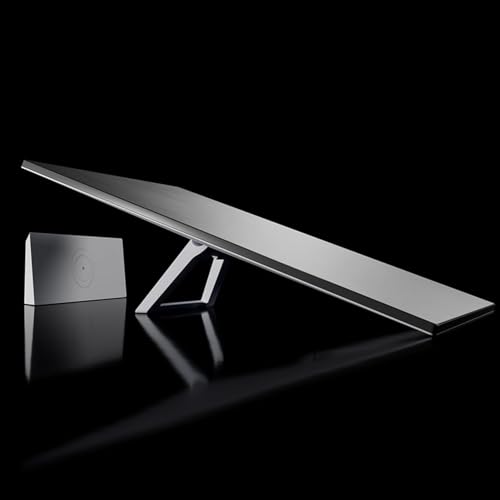
SpaceX Starlink Gen-3 Standard Kit
Get fast and reliable broadband even in rural or remote areas where cable or fiber internet is unavailable….
As an affiliate, we earn on qualifying purchases.
As an affiliate, we earn on qualifying purchases.
Remaining Questions About Future Launches and Satellite Deployment
It is not yet clear how quickly ULA will transition fully to its new Vulcan Centaur rocket and how this will impact ongoing satellite launches. Additionally, the exact timeline for the full deployment of Amazon’s Leo constellation remains uncertain, with potential delays or technical challenges still possible. Details about the remaining Atlas 5 missions and the full scope of Amazon’s satellite deployment schedule are still emerging.

Starlink Gen 3 Standard Satellite Internet Kit – Dish with Wi-Fi 6 Router + Extra 150FT Cable – High-Speed, Low-Latency Internet for Rural and Remote Homes
Next-Generation Satellite Internet Kit – Gen 3 satellite dish and Wi-Fi 6 router deliver faster speeds, stronger signal…
As an affiliate, we earn on qualifying purchases.
As an affiliate, we earn on qualifying purchases.
Next Steps for ULA and Amazon’s Satellite Program
ULA plans to continue supporting existing Atlas 5 missions until all contractual obligations are completed, with a gradual shift to Vulcan Centaur launches. Amazon is expected to conduct additional satellite launches over the next few years, with the next batch of Leo satellites scheduled for deployment later this year. Industry analysts anticipate that the transition to newer launch vehicles will accelerate as ULA aims to meet commercial and government demand with more versatile options.

Hitron CODA56 Cable Internet Modem ONLY – DOCSIS 3.1 | 2.5 Gbps | NO WiFi – Requires Router | Xfinity/Spectrum/Cox Compatible | NOT for Fiber/DSL
⚠️ CABLE INTERNET ONLY – NOT COMPATIBLE WITH: Fiber (Verizon FiOS, AT&T), DSL, Satellite, or Fixed Wireless. ONLY…
As an affiliate, we earn on qualifying purchases.
As an affiliate, we earn on qualifying purchases.
Key Questions
Why is this the final Atlas 5 launch?
The Atlas 5 has been in service since 2002, and ULA is transitioning to its newer Vulcan Centaur rocket, which offers improved cost efficiency and versatility. The company announced this launch as the last for the Atlas 5 to mark the end of its production and operational life.
What is Amazon’s Leo satellite constellation?
Amazon’s Leo constellation is a planned network of over 3,000 satellites designed to provide global broadband internet coverage, especially in underserved regions. The deployment aims to improve internet accessibility worldwide.
When will Amazon’s satellite network be fully operational?
The full deployment timeline remains uncertain, but Amazon has indicated it plans to launch hundreds of satellites over the next few years, with initial coverage expected sometime in the mid-2020s.
What are the implications for U.S. launch capability?
The retirement of the Atlas 5 marks a shift toward newer launch vehicles like Vulcan Centaur, which ULA claims will provide greater flexibility and lower costs. This transition reflects broader industry trends in space launch technology and competition.
Source: google-trends