If you prefer portability and quick use, earbuds are your best bet since they’re lightweight and easy to carry around. For longer listening sessions or better noise cancellation, over-ear headphones offer superior sound immersion and comfort. Wireless models are available for both, but over-ear headphones generally provide longer battery life and more stable connections. To find out which option suits your phone habits best, explore the full comparison ahead.
Key Takeaways
- Earbuds are more portable and convenient for quick, on-the-go phone listening.
- Over-ear headphones often provide better noise cancellation, ideal for noisy environments.
- Wireless earbuds offer quick pairing and are lightweight, suitable for casual, short-term use.
- Over-ear models typically have longer battery life, making them better for extended listening sessions.
- The choice depends on whether you prioritize portability and convenience or sound quality and noise isolation.

When choosing between earbuds and over-ear headphones, understanding their differences can help you find the best fit for your needs. One of the first factors to contemplate is wireless connectivity. If you prefer a cable-free experience, both options offer wireless models, but earbuds tend to be more portable and convenient for on-the-go use. Wireless earbuds connect easily via Bluetooth and often come with quick pairing features, making them ideal if you want quick access and minimal fuss. Over-ear headphones with wireless capabilities tend to have longer battery life and more stable connections, which can be beneficial during extended listening sessions or when you’re moving around. They also usually feature advanced noise cancellation technology, allowing you to block out ambient noise better than many earbuds can manage.
Noise cancellation is a key feature when it comes to immersive listening. Over-ear headphones generally provide superior noise cancellation because their larger ear cups create a better seal around your ears, trapping sound and reducing external noise effectively. This makes them a better choice if you listen in noisy environments like crowded streets, airports, or busy offices. They often incorporate active noise-canceling microphones and sophisticated algorithms that adapt to your surroundings for an even more immersive experience. Earbuds, especially true wireless models, have improved markedly in noise cancellation, but their smaller size makes it harder to achieve the same level of noise isolation as over-ear designs. Still, many high-end earbuds now feature active noise cancellation, making them a solid option if portability and convenience are your priorities.
When contemplating wireless connectivity and noise cancellation together, think about where you’ll be using your device most often. If you’re frequently commuting or working in noisy environments, over-ear headphones with advanced noise cancellation and reliable wireless connections may serve you best. However, if you’re looking for something lightweight, discreet, and easy to carry around, earbuds with decent noise cancellation and stable Bluetooth connections are likely more suitable. Keep in mind that wireless earbuds tend to have shorter battery life than over-ear headphones, but many models now offer quick charging or long-lasting batteries to compensate. Ultimately, your choice depends on your lifestyle, environment, and whether you prioritize portability or sound immersion, but understanding these key features helps you make a more informed decision.
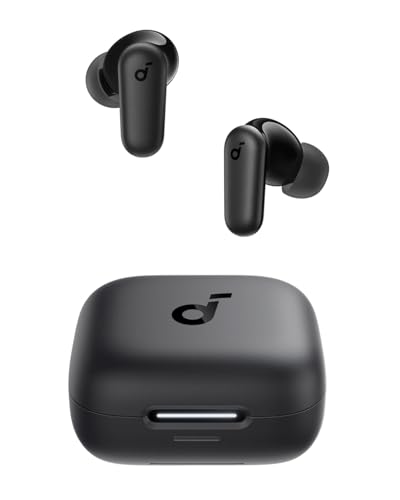
Soundcore P30i by Anker Noise Cancelling Earbuds, Strong and Smart Noise Cancelling, Powerful Bass, 45H Playtime, 2-in-1 Case and Phone Stand, IP54, Wireless Earbuds, Bluetooth 5.4 (Black)
2-in-1 Charging Case and Phone Stand: Enjoy hands-free viewing without the hassle. Simply open the back panel of…
As an affiliate, we earn on qualifying purchases.
As an affiliate, we earn on qualifying purchases.
Frequently Asked Questions
Which Headphone Type Offers Better Noise Cancellation for Calls?
Over-ear headphones generally offer better noise isolation, making them superior for calls in noisy environments. Their larger ear cups seal around your ears, blocking out background sounds. Additionally, they tend to have better microphone quality, capturing your voice clearly and reducing ambient noise. This combination means you’ll experience clearer conversations and less distraction, making over-ear headphones the better choice for noise cancellation during calls.
Are Earbuds More Comfortable for Long-Term Wear Than Over-Ear Headphones?
Yes, earbuds tend to be more comfortable for long-term wear because of their headphone ergonomics, which conform to your ear shape without exerting much pressure. Over-ear headphones can cause ear fatigue after extended use due to their weight and pressure on your head. If you’re looking for comfort during long calls or listening sessions, earbuds generally offer a more lightweight and less tiring experience.
How Do Earbuds Compare to Over-Ear Headphones in Battery Life?
Earbuds generally have shorter battery longevity than over-ear headphones, so you might find yourself charging them more often. However, some earbuds now feature fast charging, giving you hours of playback after just a quick charge. Over-ear headphones tend to offer longer battery life overall, making them better for extended listening sessions. Consider how often you listen and whether quick charging matters to you when choosing between the two.
Can Earbuds Provide the Same Sound Quality as Over-Ear Headphones?
Sound quality from earbuds can match over-ear headphones, but it depends on the model. You might find some earbuds with impressive sound quality, yet over-ear headphones often provide richer, fuller audio due to larger drivers. Fit comfort varies—you may prefer earbuds for their snug fit or over-ear headphones for cushioned comfort. Ultimately, choose based on your preference for sound clarity and comfort, as both can deliver great listening experiences.
Which Option Is More Suitable for Workout and Outdoor Activities?
For workouts and outdoor activities, earbuds are more suitable because they’re lightweight, portable, and designed for active use. Look for options with water resistance and sweat durability to handle your movements and sweat. They stay securely in your ears during vigorous exercise, and their compact size makes them perfect for on-the-go listening. Over-ear headphones tend to be bulkier and less practical for intense physical activity.

Soundcore by Anker Q20i Hybrid Active Noise Cancelling Headphones, Wireless Over-Ear Bluetooth, 40H Long ANC Playtime, Hi-Res Audio, Big Bass, Customize via an App, Transparency Mode
Block the World, Keep the Music: Four built-in mics work together to filter out background noise — whether…
As an affiliate, we earn on qualifying purchases.
As an affiliate, we earn on qualifying purchases.
Conclusion
So, whether you choose earbuds or over-ear headphones, it’s funny how both promise the best listening experience—yet only one can truly claim victory. You might think tiny earbuds are perfect for on-the-go, but they’ll never match the immersive sound of over-ears. Still, isn’t it ironic? The tiny things might just be your phone’s best friend, while the big ones demand space. Choose wisely, and enjoy your sound—irony included.

Soundcore by Anker P20i True Wireless Earbuds, 10mm Drivers with Big Bass, Bluetooth 5.3, 30H Long Playtime, Water-Resistant, 2 Mics for AI Clear Calls, 22 Preset EQs, Customization via App
Powerful Bass: soundcore P20i true wireless earbuds have oversized 10mm drivers that deliver powerful sound with boosted bass…
As an affiliate, we earn on qualifying purchases.
As an affiliate, we earn on qualifying purchases.

Soundcore by Anker Q20i Hybrid Active Noise Cancelling Headphones, Wireless Over-Ear Bluetooth, 40H Long ANC Playtime, Hi-Res Audio, Big Bass, Customize via an App, Transparency Mode (Black)
Hybrid Active Noise Cancelling: 2 internal and 2 external mics work in tandem to detect external noise and…
As an affiliate, we earn on qualifying purchases.
As an affiliate, we earn on qualifying purchases.