To choose a quality USB-C charging cable, focus on durability, brand reputation, and certifications like USB-IF to guarantee safety and reliability. Avoid cheap, no-name cables that may fray or break easily; instead, select ones with reinforced stress points, sturdy connectors, and proven performance specs such as supported wattages and fast data transfer. Investing in a well-made cable reduces risks and saves money in the long run—continue to explore to learn more about making smart choices.

Get the latest gadgets delivered free — and shop member deals
- Fast, free delivery on millions of items
- Access to Prime Big Deal Days deals on October 6–7
- Prime Video, Amazon Music and more included
Key Takeaways
- Select cables from reputable brands with proven safety certifications like USB-IF.
- Check for reinforced stress points and high-quality insulation to ensure durability.
- Prioritize cables that support your device’s required charging wattage and data transfer speeds.
- Avoid cheap, no-name cables; invest in quality to prevent internal damage and safety hazards.
- Review user feedback and warranties to confirm reliability and long-term performance.
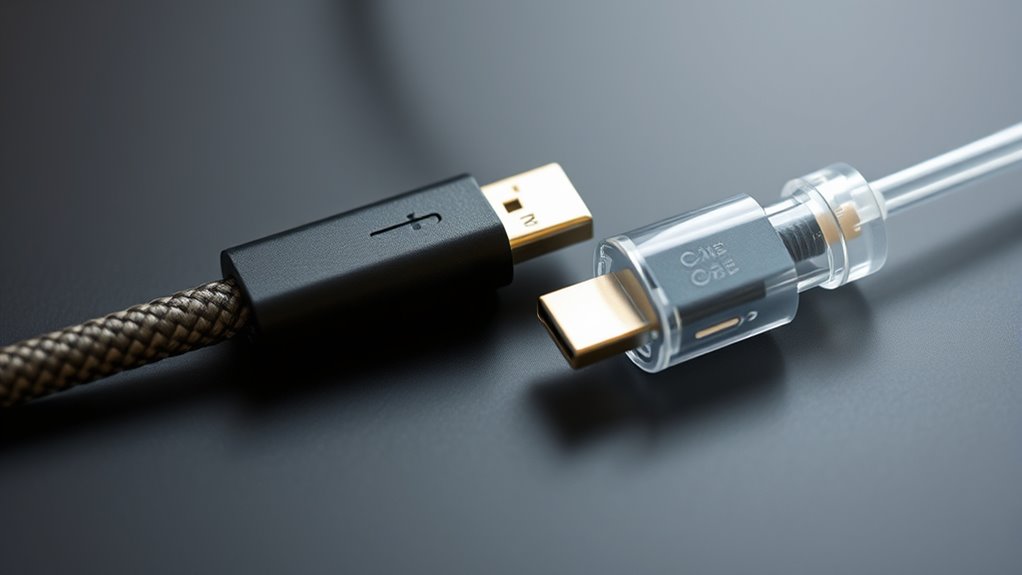
With so many USB-C charging cables available, it can be challenging to find one that’s reliable and safe for your devices. The market is flooded with options, but not all cables are built the same. When choosing a quality USB-C cable, one of the most important factors to consider is cable durability. A durable cable resists wear and tear, bending, and fraying, which means it’ll last longer and continue to perform reliably over time. Cheaply made cables often use inferior materials that break down quickly, resulting in frayed ends or internal damage that can compromise charging speed and safety. Investing in cables designed with reinforced stress points, high-quality insulation, and sturdy connectors ensures you don’t have to replace them frequently. Additionally, projector technology emphasizes the importance of high-quality components to achieve optimal performance, which parallels the need for durable cables to maintain consistent charging capabilities over time.
Another crucial aspect is brand reputation. Reputable brands typically have a history of producing safe, reliable, and well-tested products. They often adhere to strict quality control standards and include certifications like USB-IF (USB Implementers Forum), which guarantees compliance with industry safety and performance standards. When you buy from trusted brands, you reduce the risk of purchasing a subpar cable that could damage your devices or pose safety hazards. Well-known brands also tend to offer better customer support and warranties, giving you confidence that your investment is protected. Conversely, opting for no-name or unverified cables might save you money upfront, but it often results in poor cable durability, inconsistent charging, or even potential damage to your device’s port.
While affordability is tempting, it’s essential to prioritize quality over price. A cheap cable might seem like a good deal initially, but it can lead to frustrations and costly repairs down the line. Look for cables that clearly state their specifications, such as supported charging wattages (like 60W or 100W), data transfer speeds, and compatibility with your device. These details often reflect the cable’s overall quality and performance capacity. Additionally, check user reviews for insights into the cable’s real-world durability and reliability. If others report frequent fraying or poor charging performance, it’s a red flag indicating the cable isn’t built to last.
USB-C charging cable with USB-IF certification
As an affiliate, we earn on qualifying purchases.
As an affiliate, we earn on qualifying purchases.
Frequently Asked Questions
Can I Use a USB-C Cable for Data Transfer and Charging Simultaneously?
Yes, you can use a USB-C cable for data transfer and charging simultaneously. Look for a cable that supports power delivery and data synchronization to guarantee smooth operation. Quality cables with proper specifications handle both functions at once without overheating or slowing down. Always check the cable’s features to confirm it’s capable of managing high-speed data transfer alongside fast charging, giving you a seamless experience.
How Long Do Quality USB-C Cables Typically Last?
You can usually expect a quality USB-C cable to last between 2 to 5 years, depending on usage and care. Cable durability plays a key role in lifespan expectations, so handle it gently and avoid excessive bending or pulling. High-quality cables with reinforced connectors and premium materials tend to last longer, ensuring reliable charging and data transfer over time. Proper care helps maximize your cable’s longevity.
Are There Any Safety Concerns With Cheap USB-C Cables?
Cheap USB-C cables can pose safety hazards like overheating, sparks, or even fires, putting you at risk. They often have counterfeit risks, meaning they may not meet safety standards or use subpar materials. Using low-quality cables can damage your device’s battery or internal components. Always choose reputable brands to guarantee safety, durability, and reliable charging, and avoid risking damage or injury caused by poorly made or counterfeit cables.
Do All USB-C Cables Support Fast Charging?
Like a race car designed for speed, not all USB-C cables support fast charging. Many cables face compatibility issues or lack material durability, limiting their charging capabilities. To guarantee fast charging, check that your cable meets standards like USB Power Delivery. Otherwise, you might experience slower charges or even damage your device. Always choose a cable built for speed, with reputable brands and proper specifications.
How Do I Verify a USB-C Cable’s Authenticity?
You verify a USB-C cable’s authenticity by checking its cable certification and brand reputation. Look for official labels like USB-IF certification, which guarantees it meets safety and quality standards. Research the brand’s reputation online, reading reviews to see if others report issues. Avoid cheap, unbranded cables, and prefer well-known brands with transparent quality assurance. This way, you confirm your cable is genuine, safe, and reliable for fast charging and data transfer.
durable USB-C cable reinforced stress points
As an affiliate, we earn on qualifying purchases.
As an affiliate, we earn on qualifying purchases.
Conclusion
Just like Odysseus relied on trusted tools for his journey, choose a high-quality USB-C cable to guarantee your device’s safety and performance. Avoid shortcuts that lead to dead ends or damage, and remember that investing in durability now saves you trouble later. With the right cable, you’ll navigate your digital world smoothly, avoiding the siren song of cheap duds. Trust in quality, and your tech voyage will stay steady and strong.
high wattage USB-C fast charging cable
As an affiliate, we earn on qualifying purchases.
As an affiliate, we earn on qualifying purchases.
USB-C data transfer cable with warranty
As an affiliate, we earn on qualifying purchases.
As an affiliate, we earn on qualifying purchases.
Evergreen bestsellers Picks
bestsellers
As an affiliate, we earn on qualifying purchases.