If you want to protect your phone, cases and skins offer different benefits. Cases provide sturdy impact resistance with options made from plastic, rubber, or metal to absorb shocks and prevent damage from drops. Skins, on the other hand, add a stylish touch by decorating your device with patterns and textures, but they mainly protect against scratches. If you’re curious about which option suits your style and safety needs best, there’s more to discover below.
Key Takeaways
- Skins enhance aesthetics with designs but offer minimal impact protection, while cases provide comprehensive shock absorption and impact resistance.
- Skins are made of vinyl or adhesive film, making them easily removable, whereas cases are constructed from durable materials like plastic, silicone, or metal.
- Skins allow for quick style changes without bulk, while cases can add protection and sometimes feature customizable options.
- Cases protect against drops and heavy impacts, suitable for accident-prone environments, unlike skins which mainly guard against scratches.
- Skins maintain the device’s original look with minimal added size, whereas cases may increase bulk but offer higher impact safety.
When it comes to customizing your device, choosing between cases and skins can be a tough decision. Both options serve to protect your phone, but they do so in different ways, and your choice depends on what matters most to you—whether it’s style, protection, or a mix of both. If you lean toward maintaining a sleek and personalized look, skins might be more appealing. They wrap your phone in a thin layer of material, often vinyl or adhesive-backed film, that can feature intricate designs, textures, or even photos. Skins excel in enhancing design aesthetics because they come in a plethora of patterns and colors, allowing you to express your personality without adding bulk. Plus, they’re easy to apply and remove, so you can switch up your style whenever you want. However, when it comes to material durability, skins generally offer minimal impact. They protect your device’s surface from scratches and minor scuffs, but they do not provide much shock absorption or impact resistance. If your priority is maintaining the original look of your phone while giving it a slight layer of defense, skins are a good choice, but they won’t shield against drops or heavy impacts effectively. Additionally, understanding the material durability of your accessories can influence how well your device is protected over time.
On the other hand, cases are larger, more substantial accessories that envelop your device completely. They come in a variety of materials—hard plastic, silicone, rubber, and even metal—each offering different levels of material durability. If you’re accident-prone or work in environments where your phone is more likely to take a tumble, a case provides a much higher level of protection. Cases are designed to absorb shocks and protect your device from impact damage, making them ideal if safeguarding your phone is your main concern. When it comes to design aesthetics, cases can be just as stylish as skins, with many featuring sleek finishes, textured surfaces, or even customizable options. Some cases even combine aesthetics with durability, offering tough exteriors that look great but also absorb shocks. They tend to add bulk compared to skins, but that’s the trade-off for increased protection. If you prefer a minimalist look, slim cases can still offer solid defense without making your device feel bulky.

SUPFINE Magnetic for iPhone 13 Case/iPhone 14 Case Black
- Magnetic Attraction: Powerful built-in magnets for MagSafe
- Device Compatibility: Compatible with iPhone 13 and 14
- Precise Cutouts: Easy access to ports, buttons, sensors, and cameras
As an affiliate, we earn on qualifying purchases.
As an affiliate, we earn on qualifying purchases.
Frequently Asked Questions
Are Skins More Eco-Friendly Than Cases?
Yes, skins are generally more eco-friendly than cases. You can find skins made from biodegradable materials that break down naturally, reducing environmental impact. Additionally, skins often have better recycling options, allowing you to reuse or repurpose them easily. Unlike bulky cases, skins use fewer resources and produce less waste, making them a greener choice for protecting your phone while minimizing your carbon footprint.
Can Skins Prevent Screen Damage?
Think of skins as a gentle shield for your phone’s soul, but they can’t prevent screen damage. While they protect the exterior and add fingerprint resistance, they don’t boost screen durability. For real protection, combine a sturdy case with a tempered glass screen protector. Skins keep your device looking fresh, but don’t rely on them alone to prevent cracks or scratches on your screen.
Do Cases Affect Phone Wireless Charging?
Yes, cases can affect wireless charging because of wireless charging interference. Some cases, especially those made of thick or metal materials, may block or reduce charging efficiency. To avoid issues, choose a case designed to be compatible with wireless charging, typically made from plastic or silicone. Check the case material compatibility before purchasing, ensuring it won’t hinder your device’s ability to charge wirelessly.
Which Option Offers Better Resale Value?
If you’re aiming for the best resale value, skip the flashy skins—they’re like wearing a neon sign screaming “I love my scratches!” Instead, invest in a sturdy case that offers better protection level. Buyers appreciate a well-maintained phone more than a stylish sticker. A case keeps your device pristine, boosting resale value, while skins might leave potential buyers wary of hidden damage or wear. Choose wisely for future profit!
Are Skins More Difficult to Install Properly?
Skins can be more challenging to install properly due to application complexity and installation challenges. You might find it tricky to align the design perfectly or avoid air bubbles. Unlike cases, which are straightforward to put on, skins require patience and a steady hand. If you’re not confident in handling delicate adhesive layers, you could end up with a less-than-perfect fit, making the installation process more difficult.

Eomnniofoy Custom Phone Cases Pictures Photos Protective Cover for iPhone 11/12/13/14/15/16/17/Pro/Max/Plus/mini/6/7/8, for Samsung S20/S21/S22/S23/S24/S25/S26 Plus Ultra FE for Pixel for Moto
- Compatible Devices: iPhone, Samsung, Pixel, Moto models
- Model Compatibility: Multiple iPhone and Samsung models
- Device Types: Smartphones and accessories
As an affiliate, we earn on qualifying purchases.
As an affiliate, we earn on qualifying purchases.
Conclusion
Whether you choose a case or a skin, remember you’re safeguarding more than just your phone — you’re shielding your connection to the world. A case acts as a fortress, protecting your device like a shield in battle, while a skin is like a second skin, embracing your phone’s true personality. Ultimately, it’s about what symbolizes your relationship with your device—strength or style. Whichever you pick, you’re forging a bond that keeps your digital life safe and personal.

BRONOSKINZ 2Pcs Skin Wrap Compatible for iPhone 15 – Slim Decal Vinyl Protective Film for Sides & Back – Sleek Fit, Premium Look – Compatible with All iPhone 15 Cases – White
- Sleek Vinyl Finish: Adds modern, elegant look to iPhone 15
- Perfect Case Fit: Compatible with all iPhone 15 cases
- Scratch and Fingerprint Protection: Protects against scratches and smudges
As an affiliate, we earn on qualifying purchases.
As an affiliate, we earn on qualifying purchases.
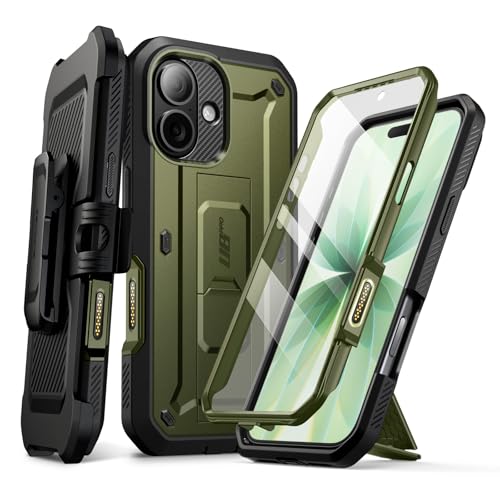
SUPCASE for iPhone 17 Case with Kickstand & Screen Protector, Green
- Drop Protection: Survives drops up to 20 ft
- Military-Grade Durability: MIL-STD-810H-516.6 certified
- Hybrid Material Construction: TPU + PC frame for impact resistance
As an affiliate, we earn on qualifying purchases.
As an affiliate, we earn on qualifying purchases.