Wireless charging feels magical because you just place your device on a pad and it powers up effortlessly, no cables needed. It creates a sleek, futuristic experience that seems almost like magic. But it’s not perfect—this method can cause heat buildup and electromagnetic exposure, which may gradually harm your battery’s health and shorten its lifespan. If you want to understand how to enjoy the convenience while protecting your device, there’s more to uncover.
Key Takeaways
- Wireless charging creates a seamless, effortless experience that feels almost magical compared to traditional cable plugging.
- Continuous electromagnetic fields can subtly degrade battery health and reduce device lifespan over time.
- Heat generated during wireless charging accelerates battery wear and can impact overall device performance.
- Safety features generally prevent harm, but prolonged electromagnetic exposure may cause minor device interference.
- Despite its convenience, wireless charging isn’t perfect due to potential heat buildup, battery wear, and efficiency issues.
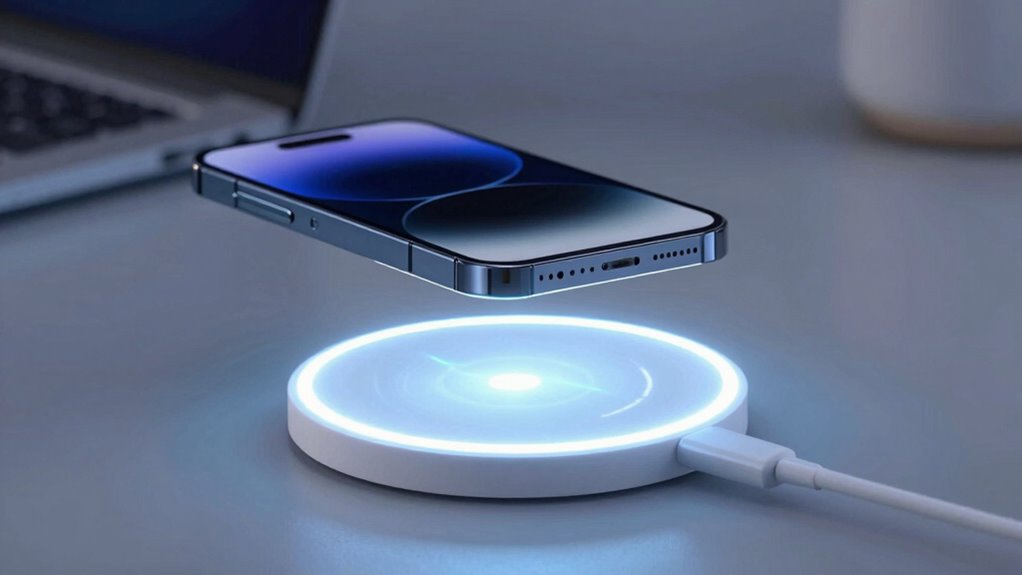
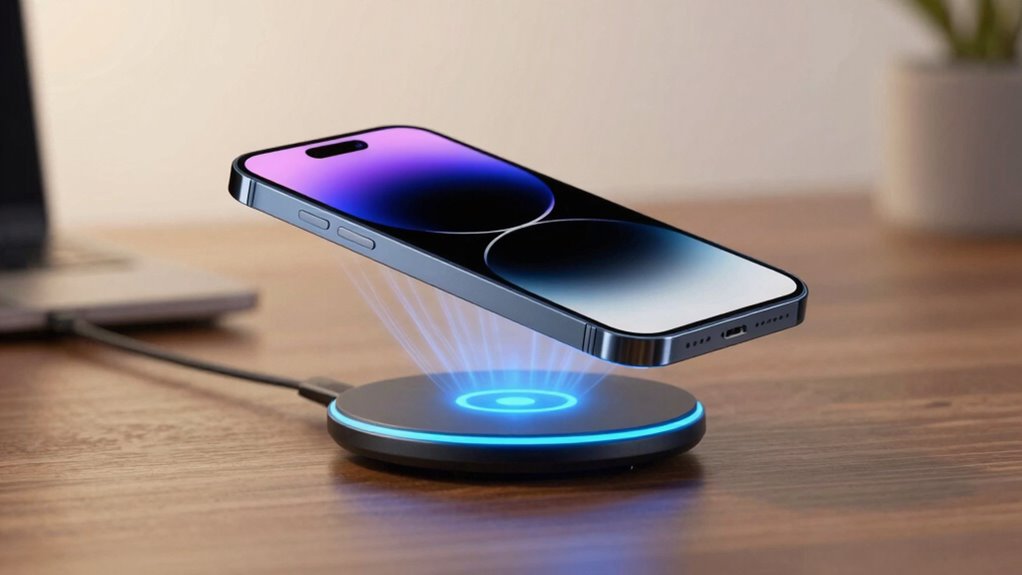
Wireless charging often feels like magic because you can simply place your device on a pad and watch it power up without plugging in. It’s a seamless experience that makes charging feel effortless, almost futuristic. But despite its convenience, wireless charging isn’t perfect, and there are some important factors to contemplate. One key concern is how it can impact your device’s battery longevity over time. Wireless chargers generate electromagnetic fields, which transfer energy from the pad to your phone. While this technology is generally safe, continuous exposure to these fields can cause subtle wear on your battery’s health. Over months and years, this might lead to reduced capacity, meaning your phone won’t hold a charge as long as it used to. If you’re someone who frequently relies on wireless charging, it’s worth understanding that this process can gradually affect your device’s overall lifespan.
The electromagnetic fields created during wireless charging are what make the process possible, but they also introduce some complications. These fields are invisible, yet they interact with your device’s internal components. In most cases, this interaction is harmless, thanks to built-in safety features, but repeated exposure isn’t entirely risk-free. Some experts suggest that prolonged or close-range exposure to electromagnetic fields could cause minor interference or heat buildup, which may, in turn, influence battery health. While modern devices are designed to handle these fields safely, it’s prudent to avoid leaving your device on a wireless charger longer than necessary or using incompatible chargers that may produce higher electromagnetic emissions. Additionally, high refresh rates in display technology can lead to increased power consumption and heat, further impacting battery health during wireless charging. It’s also helpful to be aware that battery wear is a natural process that occurs over time, regardless of charging method, but minimizing heat and electromagnetic exposure can slow this process. Moreover, charging efficiency plays a significant role in how much heat is generated and how quickly the battery degrades over time.
A further consideration is that heat buildup from prolonged wireless charging sessions can accelerate chemical reactions within the battery, hastening its degradation.

POLMXS 25W Wireless Charger Car Fast Wireless Charging Pad DIY Wireless Phone Charger Mat Compatible with iPhone 17/16(25W)/15/14/13/12(7.5W) (P21)
- Powerful 25W Wireless Charger: Fast, safe, and versatile charging solution
- High-Speed Charging: Charge iPhone 17 Pro to 50% in 30 min
- Universal Compatibility: Works with iPhone, Samsung, Android, and earbuds
As an affiliate, we earn on qualifying purchases.
As an affiliate, we earn on qualifying purchases.
Frequently Asked Questions
How Does Wireless Charging Work at the Electromagnetic Level?
Wireless charging works through electromagnetic induction and magnetic resonance. When you place your device on a charging pad, a coil inside the pad creates an alternating magnetic field. This field induces an electric current in a coil inside your device, transferring energy wirelessly. Magnetic resonance allows the charger and device to communicate and align correctly, making charging more efficient. However, alignment and distance can still affect how well it works, so it’s not always perfect.
Can Wireless Charging Cause Device Overheating or Damage?
Wireless charging can cause your device to overheat or sustain damage if not used properly. Overheating may negatively impact battery longevity and reduce overall device lifespan. Electromagnetic interference from other electronic devices can also disrupt charging efficiency or cause heat buildup. To prevent these issues, avoid using incompatible chargers, keep your device cool during charging, and guarantee a clear connection, helping maintain your device’s health and peak performance.
What Are the Safety Concerns With Wireless Charging Technology?
Wireless charging can pose safety concerns, mainly related to electromagnetic interference that might disrupt nearby electronic devices. While there’s no clear evidence of significant health risks, prolonged exposure to electromagnetic fields could potentially cause minor health issues. You should make certain your device is compatible with wireless charging standards and avoid using damaged chargers to minimize risks. Staying informed about safety guidelines helps protect your devices and personal health.
How Does Wireless Charging Efficiency Compare to Wired Charging?
Wireless charging is less efficient than wired charging because it involves more power transfer loss, which can lead to slower charging times. You might notice that your device heats up more and experiences increased battery degradation over time. While wireless charging offers convenience, it often consumes more energy, making it less effective for quick or heavy use. So, if you want faster, more efficient charging, wired options are still the better choice.
Are There Compatibility Issues Between Different Wireless Charging Standards?
Compatibility issues do exist between different wireless charging standards due to standard fragmentation. You might find that some chargers don’t work seamlessly with all devices if they adhere to different protocols like Qi or PMA. To avoid this, check your device’s supported standards and opt for chargers that match those standards. This way, you minimize frustrations and guarantee your device charges efficiently without compatibility hiccups.
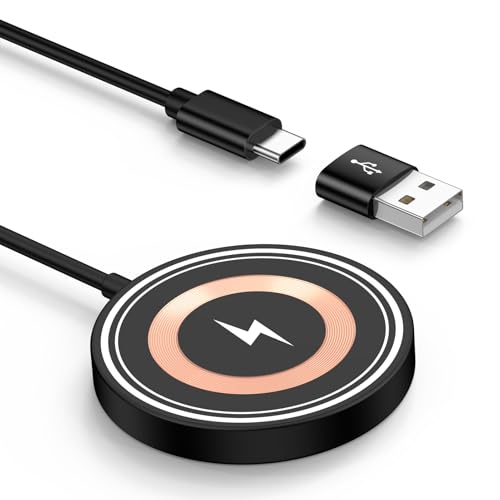
Wireless Charger for Samsung 15W Magnetic Wireless Charger Magnet Fast Charging Pad for Samsung Galaxy S26/S25 Ultra/S24/S23/S22/S21/Z Fold Flip 7 6 Google Pixel 10 Pro XL 9 8a 7a, USB A/C Charge Port
- Fast Charging Power: Up to 15W for Samsung devices
- Magnetic Alignment: Automatically locks for secure charging
- Compact & Portable: Slim design with 4ft flexible cable
As an affiliate, we earn on qualifying purchases.
As an affiliate, we earn on qualifying purchases.
Conclusion
Think of wireless charging as a gentle river flowing beneath your device—smooth and seemingly effortless. But just as rivers can run dry or flood unexpectedly, wireless charging has its flaws. It’s a symbol of progress, offering convenience and a touch of magic, yet it’s not flawless. Embrace its promise, but stay aware of its limits. Like steering a river, you’ll find the best path by understanding both its beauty and its boundaries.

3 in 1 MagSafe Wireless Charger Stand for iPhone Apple Watch AirPods
- Warranty: Three-year warranty with free replacements
- Ambient Light Control: Adjustable blue night light with tap control
- Charging Speed: 15W fast wireless charging for iPhone
As an affiliate, we earn on qualifying purchases.
As an affiliate, we earn on qualifying purchases.
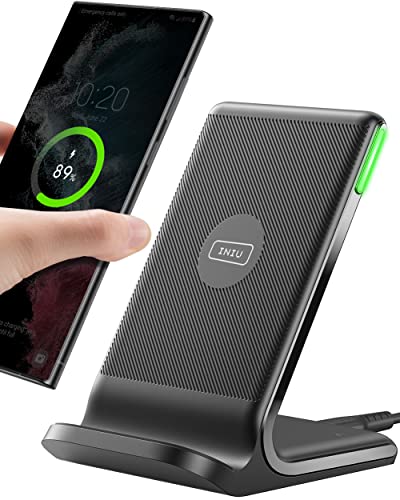
INIU Wireless Charger, 15W Fast Wireless Charging Phone Station with LED
- Fast Wireless Charging: 15W rapid charge for quick power boosts
- Sleep-Friendly LED: Dimmable LED for undisturbed sleep
- Dual Coils Design: Wider charging area for convenience
As an affiliate, we earn on qualifying purchases.
As an affiliate, we earn on qualifying purchases.