
Satellite phones offer reliable communication in remote areas where cell networks can’t reach. However, they won’t fully replace cellular networks due to limitations like weather sensitivity, terrain challenges, slower data speeds, and higher costs. While they’re essential for emergency contact and outdoor adventures, technological constraints mean satellite phones won’t entirely take over in all situations. Stay with us to discover more about how satellite technology can truly support your remote communications needs.
Open a free Amazon Business account
Business pricing, bulk buying and tax-exempt orders.
As an affiliate, we earn on qualifying purchases.
Key Takeaways
- Satellite phones provide essential connectivity where cellular networks are unavailable, but they currently cannot match the speed and coverage of cell networks.
- Technological limitations, such as weather sensitivity and terrain challenges, restrict satellite phone reliability in remote areas.
- Satellite phones are bulkier, more expensive, and have shorter battery life, making them less practical for everyday use compared to cell networks.
- Advances in satellite technology are improving coverage and performance, but complete replacement of cellular networks in remote regions remains unlikely soon.
- Satellite phones will continue to serve as vital backup and emergency communication tools rather than fully replacing cell networks in remote areas.

In remote areas where traditional cell towers are unavailable, satellite phones become essential tools for communication. When you’re far from urban centers, relying on regular cell networks isn’t an option, especially during emergencies. Satellite phones can provide a critical link to emergency services, family, or colleagues, ensuring you stay connected even in the most isolated locations. This makes them indispensable for emergency preparedness, allowing you to respond quickly to unexpected situations like medical emergencies, natural disasters, or accidents in remote terrains.
However, despite their importance, satellite phones come with notable technological limitations that you should be aware of. Unlike cell phones that connect to widespread networks, satellite phones communicate directly with satellites orbiting the Earth. This means their performance can be heavily influenced by factors like weather conditions, terrain, and line of sight. Heavy rain, thick cloud cover, or dense foliage can weaken signals, making calls unreliable or impossible. You might also find that satellite phones have slower data speeds compared to modern cell networks, which can be frustrating if you’re trying to access maps, send emails, or use other data-intensive applications.
Another challenge lies in coverage gaps. While satellite networks have improved over the years, they still don’t offer the same seamless coverage as cellular networks do in populated areas. You may experience dead zones or areas with weak signals, especially in deep valleys or dense forests. Additionally, satellite phones tend to be bulkier and more expensive than regular cell phones, and their batteries don’t last as long, requiring careful planning before long trips.
Furthermore, understanding the technology limitations of satellite phones can help users better prepare for their use in remote environments. Despite these limitations, satellite phones remain invaluable for emergency preparedness in remote locations. They are designed to operate independently of terrestrial infrastructure, making them a reliable backup when cell networks fail or are unavailable. If you’re planning outdoor adventures, scientific expeditions, or work in isolated regions, having a satellite phone can be the difference between being stranded and getting help promptly. Still, it’s important to remember their technological constraints and plan accordingly—carrying extra batteries, understanding coverage areas, and knowing how weather might impact your communication.

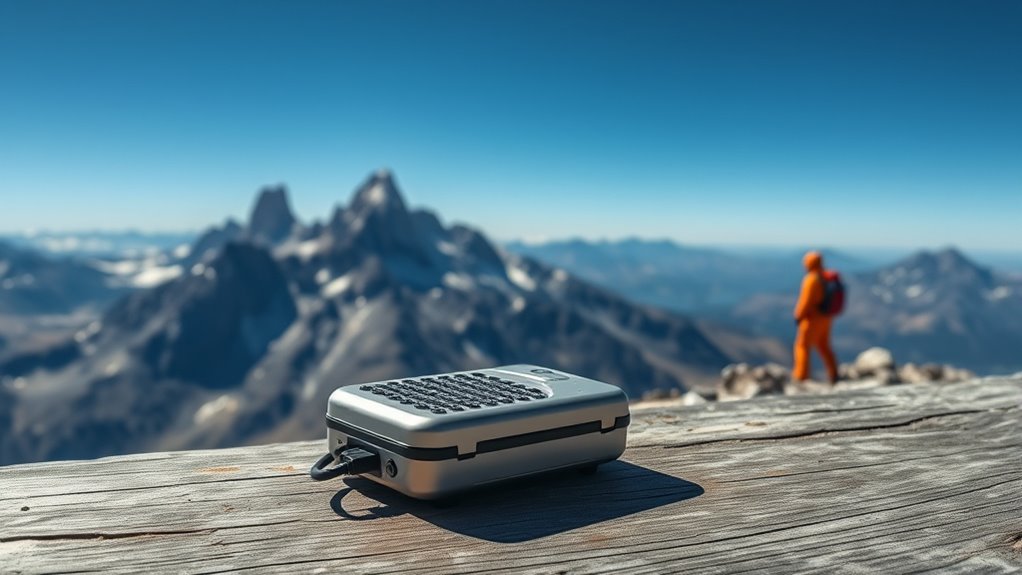
Garmin inReach® Mini 2, Satellite Communicator, Orange
- Compact and Lightweight Design: Easy to carry and use
- Global Two-Way Messaging: Send and receive messages worldwide
- Interactive SOS Function: Emergency assistance at any time
As an affiliate, we earn on qualifying purchases.
As an affiliate, we earn on qualifying purchases.
Frequently Asked Questions
How Does Satellite Phone Coverage Compare to Traditional Cell Networks?
Satellite phone coverage is typically more reliable in remote areas, overcoming urban connectivity and infrastructure challenges that hinder traditional cell networks. While cell networks excel in cities with dense infrastructure, satellite phones provide consistent coverage where terrain or lack of towers limit regular signals. You benefit from broader reach and fewer dead zones, making satellite phones a vital backup or primary option in isolated locations.
What Are the Cost Differences Between Satellite Phones and Cell Networks?
Ever wonder if satellite phones are worth the investment? Generally, satellite phones cost more upfront due to higher pricing models and installation costs, making them pricier than traditional cell networks. While cell plans often have lower monthly fees and extensive coverage, satellite phones come with higher device prices and service charges. Are you prepared to pay more for reliable communication in the most remote places?
Are Satellite Phones Reliable During Extreme Weather Conditions?
Satellite phones generally offer good weather resilience, but extreme weather conditions like heavy rain, storms, or snow can affect their signal stability. You might experience temporary disruptions or weaker connections during severe weather, so it’s wise to have backup communication plans. While they’re reliable in most situations, understanding their limitations during extreme conditions helps you stay connected when it matters most.
What Is the Battery Life of Satellite Phones in Remote Use?
Imagine the lifeline that keeps you connected in the wild—your satellite phone’s battery lasts around 6 to 8 hours of active use. To extend its battery duration, you’ll need smart power management, like turning off unnecessary functions and lowering screen brightness. This careful balance ensures you stay reachable when it matters most, giving you peace of mind amid remote wilderness or unpredictable adventures.
Can Satellite Phones Be Used for High-Speed Data Transfer?
Satellite phones generally don’t support high-speed data transfer due to limited satellite bandwidth. You’ll find that data compression techniques help optimize the speed, but it’s still slower than standard cell networks. If you need quick data exchange in remote areas, satellite phones are better suited for basic communication like calls or texts. For large data transfers, consider alternative solutions or specialized satellite internet services designed for higher bandwidth needs.

OSAT Iridium Extreme Satellite Phone + 100-Minute Prepaid SIM | 30-Day Validity | Rugged, Waterproof, GPS-Enabled | Global Voice & SMS Coverage for Remote & Emergency Communication
- Global Prepaid Minutes: 100-minute SIM card with 30-day validity
- No Extra Fees: Buy more minutes or extend validity online
- Rollover Unused Minutes: Unused minutes roll over with additional purchase
As an affiliate, we earn on qualifying purchases.
As an affiliate, we earn on qualifying purchases.
Conclusion
As you consider the future of communication in remote areas, satellite phones could become a crucial lifeline. Did you know that over 3 billion people still lack reliable cell coverage? Satellite technology offers a promising alternative, ensuring connectivity where traditional networks fall short. While they may not fully replace cell networks everywhere, their role in bridging the digital divide is clear. Embracing this technology could transform how you stay connected in the most isolated places.
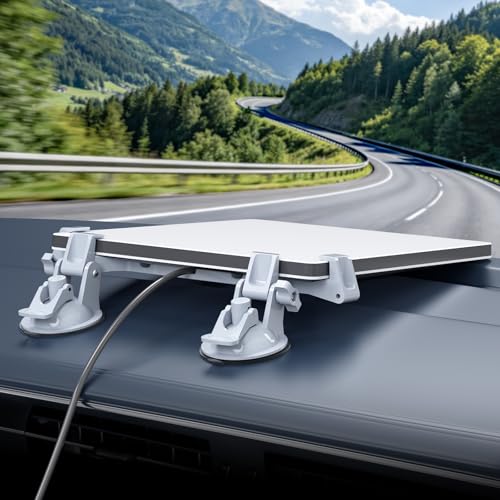
Star-Link Mini Car Mount for Dashboard, for Starlink Mini Suction Cup Mount
- Designed for Starlink Mini: Compatible with Starlink Mini device only
- Dual Installation Options: Mount on dashboard or windshield
- Secure and Stable Hold: High-strength vacuum suction with nano adhesive
As an affiliate, we earn on qualifying purchases.
As an affiliate, we earn on qualifying purchases.
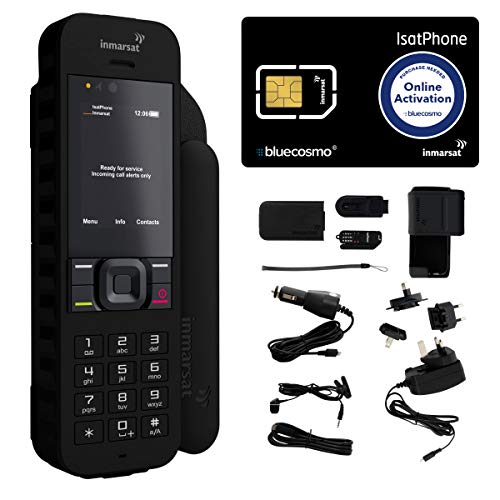
BlueCosmo Inmarsat IsatPhone 2.1 Satellite Phone Kit (SIM Included), unlocked – Global Coverage – Voice, SMS, GPS Tracking, Emergency SOS – Prepaid and Monthly Service Plan Options
- Global Coverage: Worldwide voice, SMS, GPS tracking
- Complete Kit: Includes phone, accessories, SIM, warranty
- Durable Design: Water, dust, shock resistant, -20°C to +55°C
As an affiliate, we earn on qualifying purchases.
As an affiliate, we earn on qualifying purchases.
Summer Picks
summer essentials
As an affiliate, we earn on qualifying purchases.