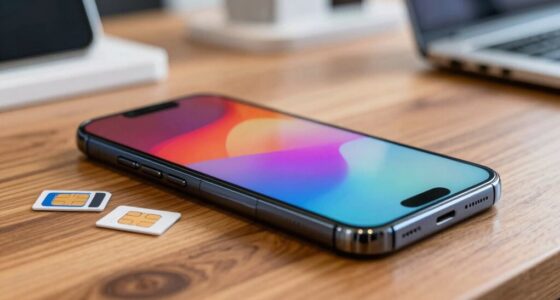
Refurbished phones can save you between 25% and 50%, making them a budget-friendly choice, especially for flagship models. They often come with shorter warranties and may have cosmetic imperfections, but quality is generally high if bought from reputable sources. While resale value and software updates might decline faster, the environmental benefits are significant. To weigh your options better, consider your budget, needs, and long-term plans—you’ll find more insights ahead.
Listen free for 30 days with Audible
Thousands of audiobooks and originals — cancel anytime.
As an affiliate, we earn on qualifying purchases.
Key Takeaways
- Refurbished phones are typically 25-50% cheaper, offering significant savings especially on flagship models.
- They come with shorter warranties and may have reduced software update support, affecting long-term value.
- Properly restored refurbished devices perform nearly as well as new phones, with quality assurance testing.
- Using refurbished phones supports environmental sustainability by reducing electronic waste and resource consumption.
- Consider your budget, desired warranty length, and need for the latest features when choosing between new and refurbished devices.
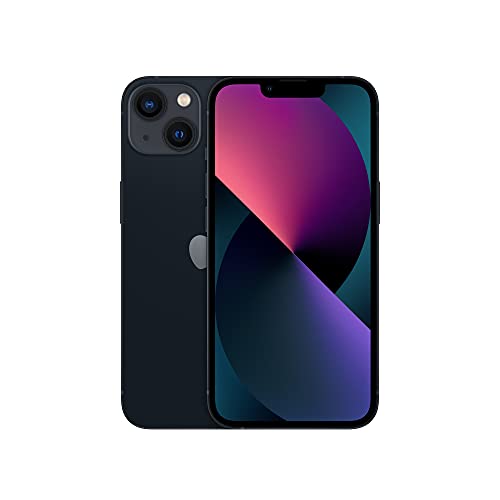
Apple iPhone 13, 128GB, Midnight – Unlocked (Renewed)
- Certified by Amazon-qualified suppliers: Inspected, tested, and cleaned
- Cosmetically pristine at arm’s length: No visible imperfections
- 90-day satisfaction guarantee: Eligible for replacement or refund
As an affiliate, we earn on qualifying purchases.
As an affiliate, we earn on qualifying purchases.
Cost Savings and Price Comparisons
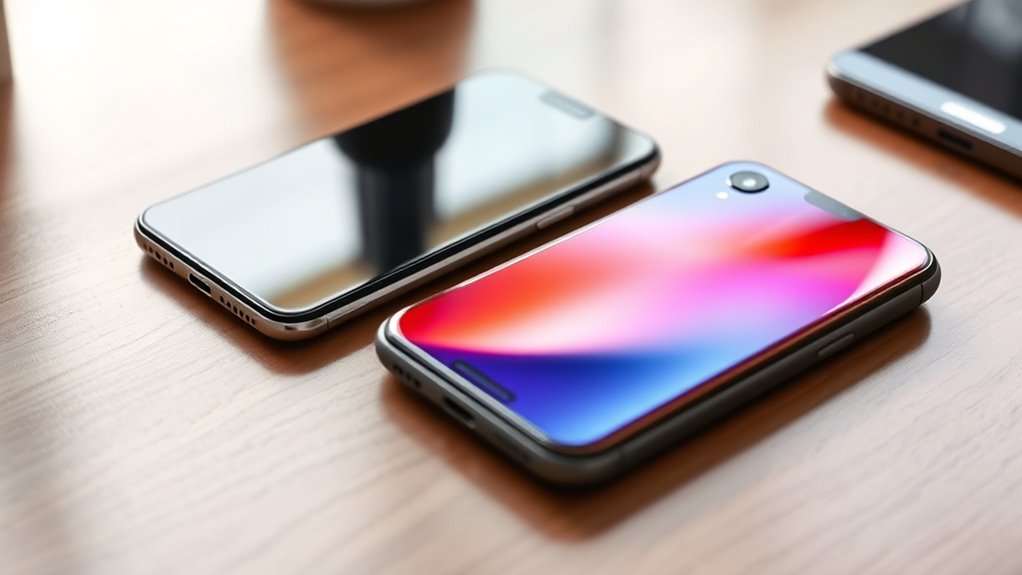
Refurbished phones offer significant cost savings compared to buying new. On average, they cost about 26% less, with savings ranging from 25% to 50%, depending on the model and brand. For example, a refurbished iPhone 13 can be priced around $449, while a new one might cost $699, saving you roughly $250. These savings often amount to $80 to $770 less than the original retail price. The price difference is especially notable for flagship models, making premium technology more affordable. You can find refurbished phones priced as low as $300, compared to new devices costing $800 or more. This affordability allows you to access high-end features without stretching your budget, making refurbished phones a smart choice for budget-conscious buyers. Additionally, cost savings make refurbished phones an attractive option for those looking to get the most value for their money.

Samsung Galaxy S23+ Plus 5G, US Version, 256GB, Lavender – Unlocked (Renewed)
- Night Mode for Low Light: Capture clear photos in low light
- 50MP High-Resolution Camera: Take sharp, detailed photos
- Fast Mobile Processor: Seamless multitasking and performance
As an affiliate, we earn on qualifying purchases.
As an affiliate, we earn on qualifying purchases.
Warranty Coverage and Quality Assurance Measures
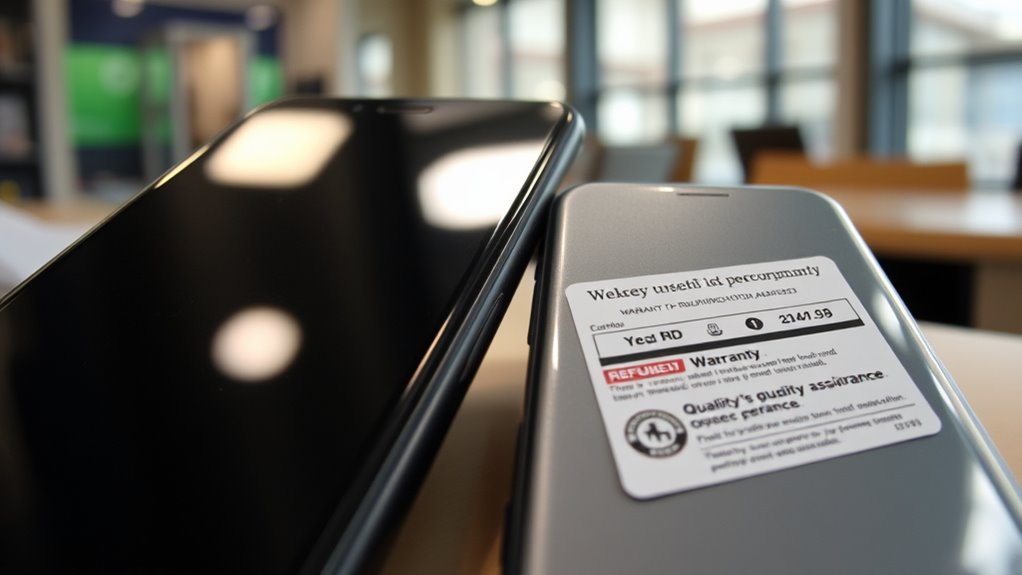
While refurbished phones offer significant savings, their warranty coverage and quality assurance measures differ from those of new devices. Typically, refurbished phones come with shorter warranties, often ranging from 30 days up to 12 or 18 months, depending on the seller. Reliable vendors perform 25 to 50 tests, including battery and screen replacements, to ensure the device functions properly before resale. They usually replace batteries with less than 80% health to guarantee performance. Certified refurbishments often grade devices (A, B, or C), indicating physical condition, but still maintaining functional quality close to new. However, limited warranty periods mean you should purchase from reputable sellers to minimize risks. Overall, understanding warranty limitations helps you make an informed decision and ensures your investment remains protected. Attention to detail in testing processes is essential for verifying the quality and reliability of refurbished devices.

Apple iPhone 13 Mini, 128GB, Midnight – T-Mobile (Renewed)
- Display: 5.4-inch Super Retina XDR display
- Connectivity: 5G for fast downloads and streaming
- Cinematic Mode: 1080p at 30 fps with Dolby Vision HDR
As an affiliate, we earn on qualifying purchases.
As an affiliate, we earn on qualifying purchases.
Performance and Software Update Lifespan

You’ll find that refurbished phones generally perform nearly as well as new ones, especially when batteries are replaced and devices are properly restored. However, they often receive software updates for a shorter period, which can impact security and access to new features over time. Consider how long you plan to keep your device, as this can influence whether a refurbished model meets your performance and update needs.
Software Support Duration
Software support duration considerably impacts the long-term usability of a phone, whether new or refurbished. When you buy a new device, you typically get several years of official software updates, security patches, and feature improvements, ensuring your phone stays current and secure. Refurbished phones, especially older models, often have a shorter support window—usually 4 to 6 years—depending on the device’s age and manufacturer. This means that over time, they may stop receiving updates, leaving your device vulnerable to security risks and missing out on new features. If keeping your phone secure and up-to-date is a priority, a new device generally offers a longer software support lifespan. However, choosing a refurbished model with recent release dates can extend its usable software support period. Vetted
Performance Longevity
Performance longevity of refurbished phones largely depends on how well they’re restored and maintained, often matching the capabilities of new devices when properly serviced. If the device has a fresh battery and is thoroughly cleaned, it can deliver smooth performance comparable to a new phone. However, as the device ages, its hardware might limit how long it stays current, especially regarding software updates. Refurbished models typically receive updates for 4 to 6 years, which is slightly less than new models that can get updates for up to 7 years or more. Despite this, flagship refurbished phones like iPhone XS or Galaxy S21 still perform reliably for everyday tasks and casual use. Proper care and timely upgrades help extend their useful life, ensuring you get value long after purchase. Additionally, European cloud innovation emphasizes the importance of sustainable practices in technology, which can also influence the longevity and support options for refurbished devices.

Samsung Galaxy A16 5G 128GB Cell Phone, Unlocked Android Smartphone, Large AMOLED Display, Durable Design, Super Fast Charging, Expandable Storage, US Version, 2025, Blue Black (Renewed)
- Display Size: 6.7-inch AMOLED with 90Hz refresh rate
- Battery Capacity: 5000mAh for long-lasting use
- Storage & RAM: 128GB storage, 4GB RAM
As an affiliate, we earn on qualifying purchases.
As an affiliate, we earn on qualifying purchases.
Environmental Benefits and Sustainability Impact
Choosing refurbished phones helps reduce electronic waste by extending device lifecycles and preventing premature disposal. It also lowers the manufacturing footprint, conserving resources and energy. By opting for refurbished, you support a circular economy that promotes sustainability and minimizes environmental impact. Additionally, embracing eco-friendly practices in electronics consumption further amplifies these positive effects on the environment.
Reducing Electronic Waste
Refurbished phones play a crucial role in reducing electronic waste by extending the lifespan of devices and preventing premature disposal. When you choose a refurbished device, you’re helping to keep electronics out of landfills longer, which minimizes environmental harm. Studies show that refurbished phones can cut the environmental impact by up to 91%, mainly by reducing resource extraction and manufacturing emissions. By reusing and recycling components, you actively participate in a circular economy that promotes sustainability. This reduces the demand for new devices, lowering the need for mining, energy-intensive production, and waste management. Your decision to buy refurbished supports eco-friendly practices and helps conserve natural resources, making a tangible difference in protecting the environment for future generations. Additionally, ONE2CRYPTO initiatives highlight how sustainable practices in tech can influence broader markets and environmental policies.
Lower Manufacturing Footprint
Because manufacturing new smartphones requires extensive resources and energy, opting for refurbished devices considerably reduces the environmental impact. Refurbished phones extend the device’s lifespan, decreasing the demand for raw materials like rare metals and plastics. This helps cut down on resource extraction and manufacturing emissions, which are major contributors to climate change. Studies show that choosing refurbished models can reduce the environmental footprint by up to 91%, mainly by lowering energy consumption and waste. By buying refurbished, you support a more sustainable cycle, lessening the need for new production. This choice not only saves money but also aligns with eco-friendly goals, helping to minimize pollution and conserve natural resources. Additionally, considering electric bikes as an eco-friendly transportation alternative further supports sustainable living. Overall, refurbished phones are a smarter, greener alternative that promotes sustainability and reduces your carbon footprint.
Promoting Circular Economy
Promoting a circular economy through the use of refurbished phones markedly enhances environmental sustainability. By extending the lifespan of devices, you reduce e-waste and lessen the demand for new manufacturing. Studies show that opting for refurbished models can cut environmental impact by up to 91%, mainly by decreasing resource extraction and energy use. This approach supports recycling efforts and aligns with sustainability goals, helping you participate actively in a responsible consumption cycle. Choosing refurbished phones also lowers your carbon footprint, demonstrating a commitment to eco-friendly practices. When you buy refurbished, you’re not just saving money—you’re contributing to a healthier planet by promoting resource efficiency and reducing waste. Your choice fosters a sustainable future, making a tangible difference for the environment. Sustainable practices are essential for creating a resilient and eco-conscious society.
Resale Value and Long-Term Expenses
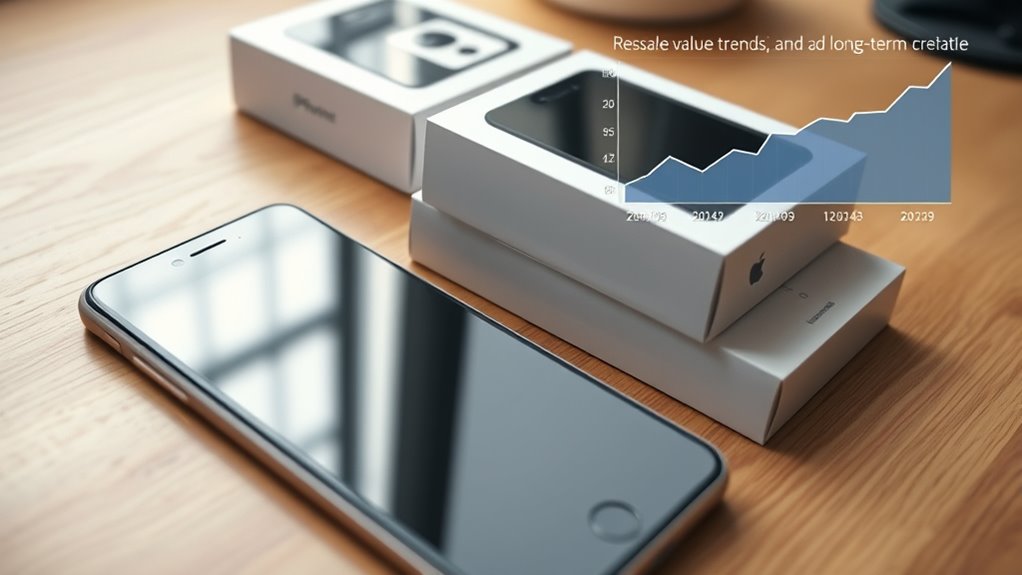
While refurbished phones often offer significant upfront savings, they tend to depreciate more quickly than new devices, which can impact their resale value over time. As a result, selling a refurbished phone later usually yields a lower return compared to a new one. The shorter lifespan of warranties and potential concerns about wear and tear may also reduce buyer interest. Despite this, the overall total cost of ownership can be lower for refurbished phones because of the initial savings. If you’re planning to upgrade within a few years, a refurbished device might be more cost-effective even with its lower resale value. Keep in mind that brand and model influence depreciation rates, with iPhones generally holding value better than many Android models. Additionally, understanding the 16PF personality traits of potential buyers can help you better gauge the resale market and timing.
Suitability for Different User Profiles
Refurbished phones are well-suited for a variety of user profiles, especially those who prioritize value and sustainability over having the latest features. If you’re budget-conscious but still want flagship performance, refurbished models like the iPhone XS or Galaxy S21 offer excellent performance at a fraction of the cost. Eco-minded consumers benefit from extending device lifecycles, reducing e-waste, and supporting sustainable practices. Users who don’t need the newest software updates or cutting-edge features can enjoy reliable performance and solid hardware. Shorter warranty periods are manageable if you buy from reputable sellers, and many refurbished phones deliver nearly identical performance to new devices. Overall, refurbished phones serve well for those seeking high quality without the premium price or environmental impact. Additionally, understanding the alarm clock features available on smartphones can help users better manage their daily routines and timing needs.
Risks and Limitations of Buying Refurbished
Buying a refurbished phone involves certain risks that you should consider before making a purchase. One major concern is the limited warranty, which is often shorter than for new devices, leaving you with less protection if issues arise. There’s also a possibility of hidden defects or previous damage that wasn’t properly repaired, especially if you buy from an unreliable seller. Battery health can decline over time, even if it passes initial tests, leading to reduced performance or shorter usage periods. Software updates may be less frequent or discontinued sooner, making your device more vulnerable to security risks. Additionally, cosmetic imperfections or scratches can be more common, affecting the device’s appearance. Always buy from reputable sources to minimize these risks and Free Floating guarantee you’re making a safe, informed choice.
Factors to Consider When Choosing Between Options
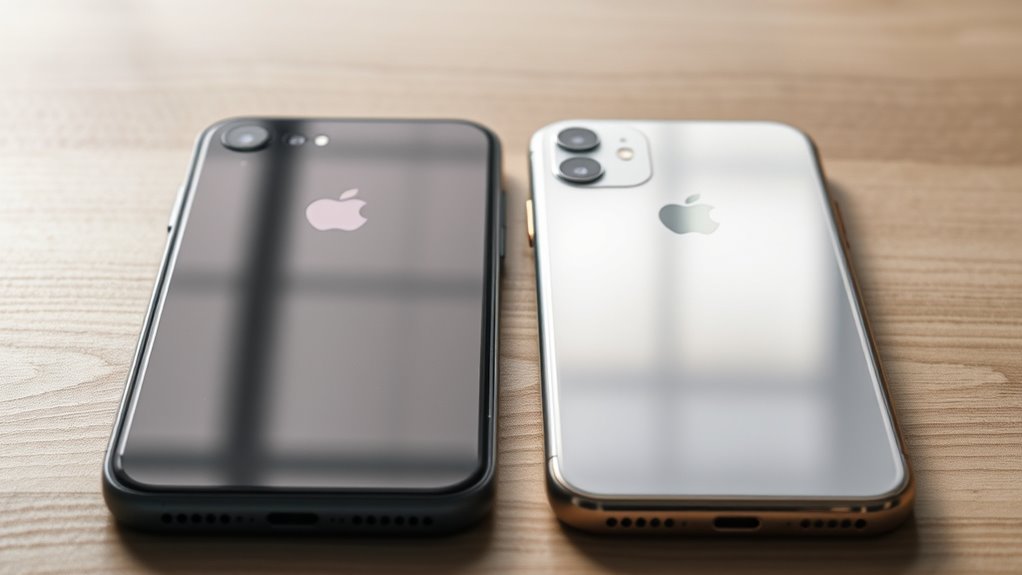
Choosing between a new and a refurbished phone depends on several key factors that can influence your overall satisfaction and value. Consider what matters most to you: upfront cost, warranty, performance, or environmental impact. If you want the latest features and longer software support, a new phone might be best. If budget and sustainability are priorities, refurbished could be the smarter choice.
Keep these factors in mind:
- Budget constraints and how much you’re willing to spend upfront
- Warranty coverage and after-sales support for peace of mind
- Performance expectations and whether refurbished models meet your needs
- Environmental impact if reducing e-waste is important to you
- The importance of reliable power in maintaining device functionality and protecting your investment
Your decision should align with your lifestyle, values, and long-term plans.
Making the Decision: Is It the Right Choice for You?
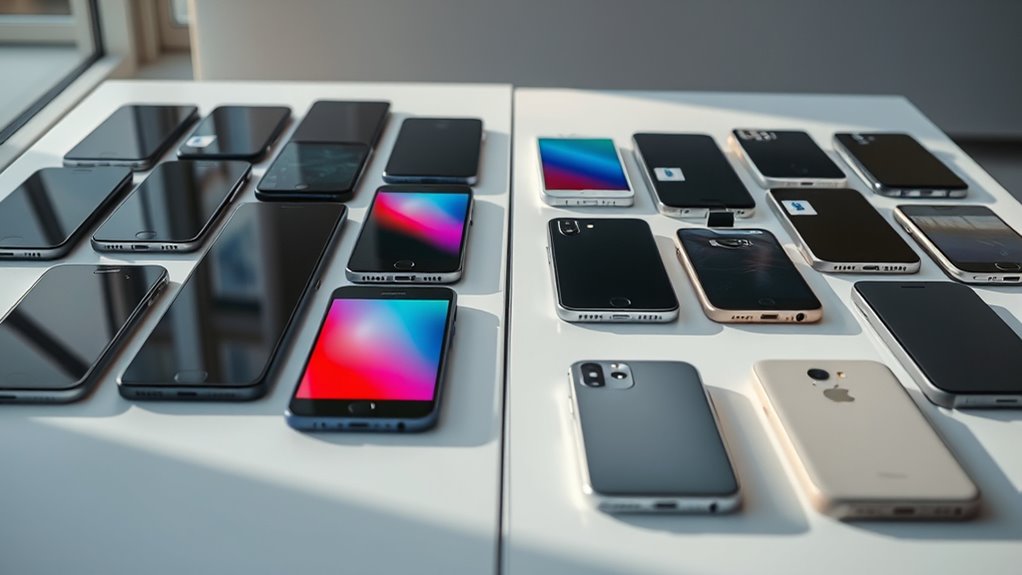
Deciding whether a refurbished or a new phone is right for you ultimately depends on your priorities and circumstances. If you want the latest features, longer software support, and a full warranty, a new phone might be the best choice. However, if you’re budget-conscious, eco-friendly, and comfortable with shorter warranties, a refurbished phone offers significant savings—often up to 50% less. Consider how much value you place on performance, camera quality, and future updates. If you’re okay with a shorter warranty and slightly lower resale value, refurbished devices can deliver nearly new performance at a fraction of the cost. Additionally, understanding the net worth of companies and products can help inform your decision about investment and value. Ultimately, weigh your needs, your budget, and your environmental values to determine if a refurbished phone is the right fit for you.
Frequently Asked Questions
Do Refurbished Phones Support the Latest Apps and Features?
Refurbished phones can support the latest apps and features, especially if they’re recent models with updated hardware. You’ll find that flagship refurbished devices like the iPhone 13 or Galaxy S21 perform nearly as well as new ones, handling new apps smoothly. However, older refurbished phones may struggle with the latest features or AI enhancements. To guarantee compatibility, check the device’s age and specifications before buying.
How Do I Identify Reputable Refurbished Sellers?
You can’t afford to gamble with your money, so identifying reputable refurbished sellers is vital. Start by checking for certifications from well-known organizations like Apple’s Certified Refurbished or Samsung’s Authorized Service Providers. Read reviews, ask about warranties, and verify the seller’s return policy. Always opt for sellers that provide detailed device histories, genuine parts, and guarantee at least a 12-month warranty to guarantee your device’s quality and reliability.
Are There Any Hidden Costs With Refurbished Phones?
You might encounter hidden costs with refurbished phones, like shipping fees, tax charges, or extra costs for repairs not covered by the warranty. Some sellers charge for accessories, like chargers or cases, or require additional insurance. Always read the fine print before buying, and confirm what’s included in the price. By doing so, you avoid surprises and assure you’re truly getting the best deal without unexpected expenses.
Can I Upgrade Software on a Refurbished Device?
Like opening a secret passage, you can usually upgrade software on a refurbished device. Manufacturers often provide updates for models still in support, keeping your phone current and secure. However, if the device is older or discontinued, software updates might stop. Check the device’s compatibility and manufacturer’s support policies. To maximize longevity, buy from reputable refurbishers that guarantee devices are ready for future updates and software improvements.
What Is the Typical Lifespan of a Refurbished Phone?
A refurbished phone typically lasts about 4 to 6 years, depending on how well you care for it and the model’s original durability. You can extend its lifespan by replacing batteries and keeping software updated. While it may not match the longevity of a brand-new device, a well-maintained refurbished phone can still deliver reliable performance for years, especially if you choose reputable sellers that test and refurbish devices thoroughly.
Conclusion
Ultimately, choosing between refurbished and new phones depends on your priorities. While refurbished models often save you money and benefit the environment, some worry they might not last as long or perform as well. But studies suggest that well-certified refurbished phones can be just as reliable, debunking the myth that they’re inherently inferior. Consider your budget, usage, and risk tolerance—making an informed choice guarantees you get the best value without sacrificing quality.
Baby shower & registry season Picks
baby registry must-haves
As an affiliate, we earn on qualifying purchases.