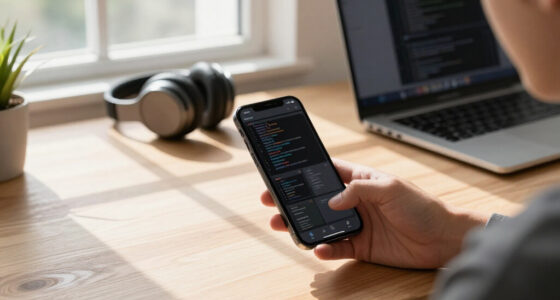

You don’t need a new phone every year, but knowing when to upgrade helps you save money and reduce environmental impact. Usually, it’s time for a change when your device slows down, battery life diminishes, or it no longer supports security updates. Consider options like refurbished phones if you’re budget-conscious. If you want to learn more about the best timing and alternatives, keep exploring how to make smarter upgrade decisions that suit your needs.

Get the latest gadgets delivered free with Prime
- Fast, free delivery on millions of items
- Prime Video, Amazon Music and more included
- Member-only deals all year
Key Takeaways
- Most users can comfortably upgrade every 2-3 years, balancing performance needs and environmental impact.
- Upgrade sooner if your device no longer receives security updates or struggles with new apps.
- Replace your phone when battery life significantly degrades or hardware limitations hinder daily use.
- Consider alternatives like refurbished or resold devices to reduce e-waste and save costs.
- Longer device lifespans are environmentally friendly, so avoid annual upgrades unless necessary.
Understanding Your Smartphone Replacement Cycle

Understanding your smartphone replacement cycle is essential to making informed decisions about when to upgrade. On average, people replace their phones every 2.4 years globally, with US users upgrading slightly sooner at 2.1 years due to carrier incentives. More than half of users, about 55.47%, upgrade every two to three years, which balances device performance and cost. Some upgrade annually or even every six months, though this is less common. Environmental concerns in Europe have led to longer device lifespans, reducing frequent replacements. Knowing your typical cycle helps you avoid unnecessary upgrades and save money. It also encourages responsible disposal or recycling of old devices, benefiting the environment. Being aware of these trends allows you to plan your upgrades wisely and upgrade cycle patterns can help you make more sustainable choices.
Signs It’s Time for an Upgrade

Knowing when to upgrade your smartphone can save you money and frustration. If your device’s battery no longer holds a charge or drains quickly, it’s a clear sign. Similarly, if your phone lags, crashes, or struggles to run new apps, it’s time to contemplate an upgrade. Lack of software or security updates is another red flag—without these, your phone becomes vulnerable. You should also think about upgrading if your camera quality no longer meets your needs or if new features like 5G are essential for you. Frequent crashes, poor performance, or inability to run the latest apps mean your device is out of step. Recognizing these signs ensures you upgrade at the right time, avoiding unnecessary costs and maximizing your phone’s lifespan. Additionally, hardware limitations such as outdated processors or insufficient storage can hinder your device’s performance and signal that it’s time for an upgrade.
Cost-Effective Alternatives to Buying New
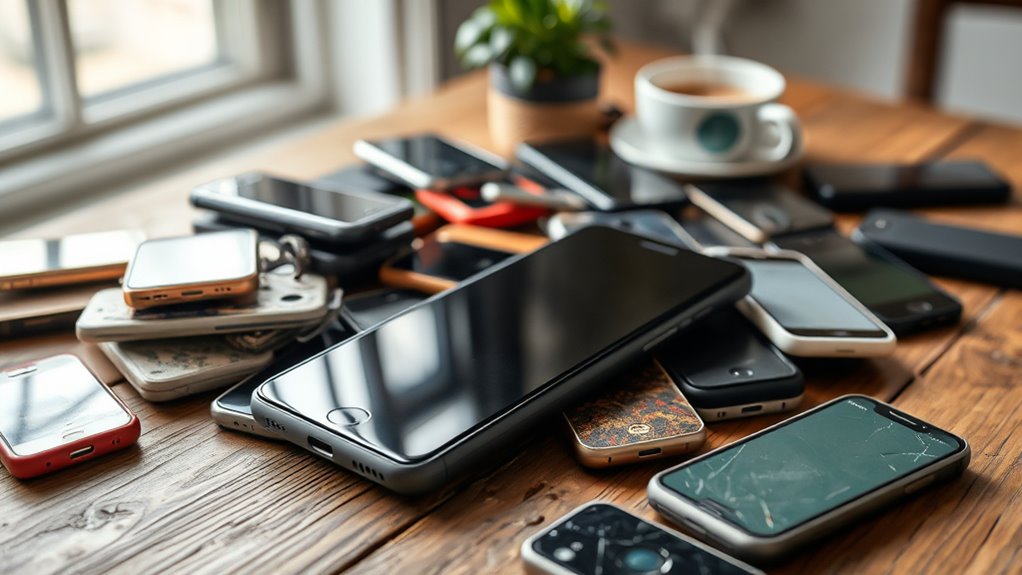
If you’re looking to save money and reduce environmental impact, refurbished and recycled smartphones are great alternatives to buying new. They cost less and help cut down e-waste. Here are some options to consider:
- Refurbished Phones – Certified by manufacturers or trusted sellers, these come with warranties and are tested for quality.
- Resold Devices – Buy used phones directly from previous owners through trusted platforms; verify they’re unlocked and in good condition.
- Trade-Ins – Many carriers and retailers offer trade-in programs, giving you discounts or store credit for your old device.
- Recycling Programs – Drop off your old phone at designated centers to guarantee responsible disposal and sometimes earn rewards.
- Wave and Wind – Consider the impact of wave and wind energy sources that power manufacturing facilities to further reduce your environmental footprint.
These options let you upgrade smartly without the hefty price tag or environmental guilt.
Environmental Impact of Frequent Upgrades
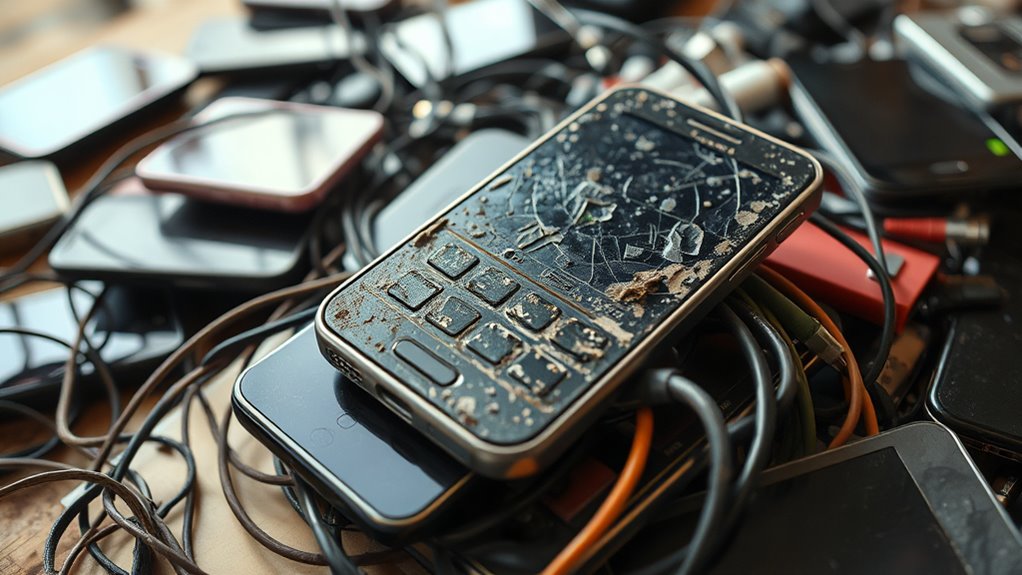
Frequent smartphone upgrades substantially contribute to environmental degradation by increasing e-waste and resource consumption. As you swap devices often, old phones pile up in landfills, releasing harmful chemicals and toxins. Manufacturing new phones requires extracting rare minerals, which damages ecosystems and depletes finite resources. The energy used during production and transportation adds to carbon emissions, worsening climate change. Even if you recycle, not all devices are properly processed, leading to loss of valuable materials. By upgrading too frequently, you accelerate this cycle, making it harder to reduce your environmental footprint. Choosing to hold onto your phone longer helps minimize waste, conserve resources, and reduce pollution. Being conscious of your upgrade habits can make a meaningful difference for the planet. Additionally, European cloud servers exemplify how innovative, energy-efficient solutions can support sustainable technology practices.
Making the Right Choice for Your Needs

Choosing when to upgrade your smartphone depends on your specific needs and how you use your device. To make the right choice, consider these factors:
- Software and Security Updates: Upgrade when updates stop, leaving your device vulnerable.
- Battery Life: Replace if your battery no longer holds a charge or degrades performance.
- New Features: Upgrade for essential features like 5G, better cameras, or hardware improvements that enhance your experience.
- Cost and Alternatives: If budget is tight, consider refurbished or recycled phones instead of a new device.
- Device Longevity: Regularly assess if your device remains compatible with emerging technologies like Free Floating to stay current with modern design trends.
Most users find upgrading every 2–3 years sufficient. Focus on your usage habits and priorities to avoid unnecessary upgrades while ensuring your device meets your needs.
Frequently Asked Questions
How Does My Smartphone Usage Affect Its Lifespan?
Your smartphone usage greatly impacts its lifespan. Checking your phone 144 times daily and using it for over 4 hours increases wear and tear, especially on the battery. Heavy usage can cause battery degradation and slow performance, prompting you to replace it sooner. To extend your phone’s life, avoid constant heavy use, manage battery health, and keep software updated. These habits help your device stay functional longer and delay the need for a replacement.
Can Software Updates Extend My Phone’s Usability?
Yes, software updates can extend your phone’s usability. They fix security vulnerabilities, improve performance, and add new features, helping your device stay relevant longer. Regular updates ensure your phone remains compatible with apps and services, reducing the need for an upgrade. If updates stop, especially security ones, it’s a good sign it’s time to think about replacing your phone to stay protected and enjoy the best performance.
What’s the Impact of Frequent Upgrades on My Budget?
Frequent upgrades can hit your budget hard, like someone who upgrades every year, spending hundreds more than if they kept their phone longer. You might save money by sticking with your current device for 2-3 years, avoiding constant expenses. Plus, resale or recycling your old phone can offset costs. If you upgrade too often, you miss out on better savings and may not see enough benefits to justify the extra spending.
Are There Specific Brands More Durable Than Others?
Some brands are more durable than others, and you’ll find that Apple, Samsung, and Google often lead in build quality. These brands use high-quality materials and testing standards, making their phones last longer. However, durability also depends on how you handle your device. To maximize your phone’s lifespan, use a case and avoid drops or water exposure, regardless of the brand.
How Do I Tell if My Battery Needs Replacing?
Your battery’s life is fading like a dying star when your phone suddenly shuts off unexpectedly, even after a full charge. If your battery drains quickly, takes forever to charge, or your phone feels unusually hot, it’s time for a replacement. Additionally, if your device shows a declining battery percentage faster than ever or warns you about poor battery health, swapping out the battery will restore your phone’s power and longevity.
Conclusion
So, next time your phone feels a bit sluggish or a new model catches your eye, remember, it’s not always about upgrading yearly. Sometimes, a simple cleanup or a battery boost can do wonders—just like finding that lost sock in your laundry. Whether you choose to upgrade or hold on a little longer, trust your instincts. After all, the right time to upgrade often shows up when you least expect it—just like those unexpected moments in everyday life.
Halloween Picks
halloween
As an affiliate, we earn on qualifying purchases.