You might notice your phone camera is taking the place of specialized gadgets because it offers advanced features like augmented reality, excellent image stabilization, and high-quality photos all in one device. It’s convenient, reducing the need to carry extra gear or switch between tools. With continuous improvements, your phone can handle professional tasks, gaming, and everyday photography effortlessly. Stay with us to discover how these innovations are making your phone an all-in-one multimedia powerhouse.

Get the latest gadgets delivered free — and shop member deals
- Fast, free delivery on millions of items
- Access to Prime Big Deal Days deals on October 6–7
- Prime Video, Amazon Music and more included
Key Takeaways
- Smartphones integrate advanced camera hardware and software, matching or surpassing dedicated cameras’ quality.
- All-in-one functionality eliminates the need for separate gadgets, offering convenience and seamless user experience.
- Enhanced image stabilization ensures professional-quality photos and videos without bulky equipment.
- Continuous technological improvements expand smartphone capabilities into AR, editing, and multimedia, reducing reliance on specialized devices.
- Multifunctionality and evolving features make smartphones the primary tool for photography, entertainment, and professional tasks.

In recent years, phone cameras have rapidly advanced to the point where they can replace many standalone gadgets. Today’s smartphones aren’t just for calls and texts—they’re powerful tools packed with features once reserved for separate devices. One key reason you’re seeing this shift is the integration of augmented reality (AR). AR transforms your phone into an interactive experience, overlaying digital information onto the real world. Whether you’re trying out virtual furniture before buying or exploring immersive games, AR on your phone makes these activities more accessible and convenient. Instead of carrying a separate AR device, you simply point your camera and let your phone do the magic. This seamless integration makes gadgets like dedicated AR glasses less necessary for everyday use. Additionally, the use of sound vibrations in sound healing science has inspired new ways to incorporate sensory experiences into device technology, enhancing user engagement.
Smartphones now seamlessly integrate augmented reality, making dedicated AR devices largely unnecessary for everyday use.
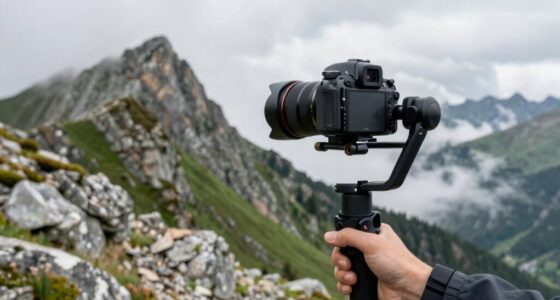
Another major factor that contributes to your phone’s replacement of other gadgets is image stabilization. When you’re capturing photos or videos, shaky hands can ruin the shot. Modern phones, equipped with advanced image stabilization, actively counteract this movement, delivering crisp, clear images even in less-than-ideal conditions. This technology saves you from lugging around bulky tripods or expensive cameras, making high-quality photography accessible at all times. Whether you’re at a lively event or capturing a sunset, your phone can produce professional-looking results thanks to these stabilization features. This advancement is also supported by ongoing hardware improvements that further narrow the gap between mobile and dedicated photography devices, making it easier for users to achieve professional results without specialized equipment. As the technology behind these features continues to evolve, the capabilities of smartphone cameras are steadily improving, further reducing the need for standalone gear. This ongoing technological progress ensures that smartphones remain at the forefront of multimedia innovation.
The convenience of having everything in one device is another compelling reason why phone cameras are replacing other gadgets. You don’t need to switch devices, carry extra gear, or learn complicated settings. Your smartphone offers instant access to editing tools, filters, and sharing options, streamlining your entire photography experience. Plus, the continual improvements in hardware and software mean your phone’s camera keeps getting better, narrowing the gap with dedicated devices. With features like augmented reality for interactive experiences and image stabilization for steady shots, your phone becomes a versatile gadget capable of handling tasks once reserved for specialized equipment. Recognizing the importance of user-friendly design in technology adoption, manufacturers continue to enhance the intuitive nature of camera apps, making it easier for everyone to take professional-quality photos.
All these advancements mean you can now rely on your phone for everyday photography, augmented reality activities, and even some professional tasks. The combination of cutting-edge technology and user-friendly design ensures your phone is no longer just a communication device but a comprehensive multimedia tool. As these features continue to evolve, the need for standalone gadgets diminishes further, making your smartphone the primary device for capturing and enhancing your world.
As an affiliate, we earn on qualifying purchases.
Frequently Asked Questions
How Do Phone Cameras Compare in Quality to Standalone Cameras?
Phone cameras now match standalone cameras in quality thanks to advanced sensor technology and powerful image processing. You can capture sharp, detailed photos even in low light, and features like HDR and optical zoom enhance your shots. While high-end standalone cameras still excel in certain professional settings, for everyday use, your phone offers impressive quality, convenience, and instant sharing, making it a versatile replacement for most other gadgets.
Are Phone Cameras Suitable for Professional Photography?
Like a painter wielding a versatile brush, your phone camera can capture stunning images suitable for social sharing and mobile editing, but it may not match the finesse of professional gear. For intricate shoots or high-quality prints, a standalone camera still shines. However, if you prioritize convenience and instant sharing, your phone’s camera is more than capable—transforming everyday moments into gallery-worthy art with a few taps.
What Features Do Phone Cameras Lack Compared to Traditional Gadgets?
Phone cameras lack lens versatility and manual controls compared to traditional gadgets. You won’t find interchangeable lenses, which limits your ability to capture diverse shots like wide angles or macro images. Manual controls are often simplified or missing, making it harder to adjust settings like shutter speed or aperture for professional-quality photos. These limitations mean your creative options are narrower, especially if you want precise, high-level photography.
How Has the Evolution of Phone Cameras Impacted Gadget Sales?
Imagine a wave reshaping the gadget landscape; phone cameras have become that unstoppable tide. As they evolve, sales for dedicated cameras and gadgets decline because your phone offers camera durability you trust and accessory compatibility that’s seamless. This shift makes traditional devices feel like relics, while your smartphone becomes your all-in-one tool, mesmerizing your interest and redefining what’s essential, leaving other gadgets struggling to keep afloat in this digital current.
Can Phone Cameras Replace All Types of Imaging Devices?
Phone cameras can’t replace all imaging devices because specialized tools offer unique features. For example, professional cameras excel in low-light conditions and high-quality image stabilization, which smartphones still struggle with. Augmented reality apps also require advanced sensors and processing power that dedicated devices provide. While phone cameras are versatile and convenient, they can’t fully match the precision and capabilities of specialized imaging equipment for every task.
As an affiliate, we earn on qualifying purchases.
Conclusion
So, as your phone camera continues to evolve, it’s like a chameleon blending seamlessly into every scene, capturing memories with the ease of a gentle breeze. It’s become your trusty sidekick, replacing gadgets like a magician pulling endless tricks from a hat. With each click, it paints your world in vibrant hues, turning fleeting moments into timeless treasures. Embrace this tiny powerhouse—your pocket-sized artist, ready to turn everyday snapshots into lifelong stories.
professional smartphone camera lens kit
As an affiliate, we earn on qualifying purchases.
As an affiliate, we earn on qualifying purchases.
As an affiliate, we earn on qualifying purchases.
Fall Picks
fall essentials
As an affiliate, we earn on qualifying purchases.