
If you want to run GrapheneOS, your shopping list is short: the operating system only supports Google Pixel hardware, which makes choosing the right Pixel the entire decision. My top pick is the Google Pixel 9 Pro (256GB, Obsidian), because it pairs the longest software support window in the lineup with enough storage to use sandboxed apps comfortably for years. The Pixel 8 (128GB, renewed) stands out as the value play — same Titan M2 security chip and years of updates ahead at a fraction of the cost — while the Pixel 8a (renewed) is the budget entry point for first-time de-Googlers. The main tradeoff you’ll face in this category is simple: newer Pixels mean longer security updates, while renewed older Pixels mean big savings but a shorter remaining support life. Storage capacity matters more than usual too, since GrapheneOS users often juggle multiple user profiles. Read on for the full breakdown of all nine options.

Get the latest gadgets delivered free — and shop member deals
- Fast, free delivery on millions of items
- Access to Prime Big Deal Days deals on October 6–7
- Prime Video, Amazon Music and more included
Complete the kit



Key Takeaways
- Support length is the single biggest differentiator: the Pixel 9 Pro line will receive GrapheneOS-relevant security updates roughly two years longer than the Pixel 8 and 8a, which matters because GrapheneOS drops devices when Google stops patching them.
- Every Pixel 9 Pro variant in this roundup runs identical hardware — the only real differences are storage (128GB vs. 256GB vs. 512GB) and color, so price per gigabyte, not model number, should drive your choice.
- Renewed Pixel 8 units dominate the value segment, but the 128GB renewed units leave little room after GrapheneOS, multiple user profiles, and offline maps — the 256GB renewed Pixel 8 is the smarter renewed buy.
- The renewed Pixel 8a is the cheapest legitimate way onto GrapheneOS in 2026, but its shorter update window makes it a starter phone rather than a long-term daily driver.
- Buying unlocked is non-negotiable here: every pick on this list is unlocked because carrier-locked Pixels frequently block the OEM unlocking required to install GrapheneOS.
| Google Pixel 8 5G – 128GB – Hazel – Unlocked (Renewed) |  | Best Value for Privacy on a Budget | Condition: Renewed | Processor: Google Tensor G3 (4nm) | RAM / Storage: 8 GB / 128 GB | VIEW LATEST PRICE | See Our Full Breakdown |
| Google Pixel 9 Pro Unlocked Android Smartphone, 512 GB, Porcelain |  | Best Premium Pick | RAM / Storage: 16 GB / 512 GB | Display: 6.3-inch Super Actua | Rear Cameras: Triple camera system | VIEW LATEST PRICE | See Our Full Breakdown |
| Google Pixel 8 5G, 256GB, Obsidian, Unlocked (Renewed) |  | Best Storage-First Value | Condition: Renewed | Processor: Google Tensor G3, octa-core up to 3GHz | RAM / Storage: 8 GB / 256 GB | VIEW LATEST PRICE | See Our Full Breakdown |
| Google Pixel 9 Pro Unlocked Android Smartphone, 256GB, Hazel | 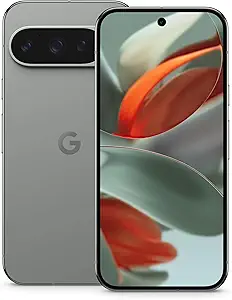 | Best Balanced Flagship | Storage: 256 GB | Display: 6.3″ Super Actua Display | Rear Cameras: Triple camera system | VIEW LATEST PRICE | See Our Full Breakdown |
| Google Pixel 8 5G US Version 128GB Obsidian Unlocked (Renewed) | | Best Starter Pick for First-Time Flashers | Condition: Renewed (US Version) | Processor: Google Tensor G3 | RAM / Storage: 8 GB / 128 GB | VIEW LATEST PRICE | See Our Full Breakdown |
| Google Pixel 8a 5G, 128GB, 8GB RAM, Obsidian, Unlocked (Renewed) |  | Best Value Pick | Display: 6.1-inch OLED, 1080 × 2400, 428 PPI, 120Hz, HDR10+ | Processor: Google Tensor G3 (4nm), octa-core | RAM / Storage: 8GB RAM, 128GB | VIEW LATEST PRICE | See Our Full Breakdown |
| Google Pixel 9 Pro Unlocked Android Smartphone with Gemini, 6.3″ Super Actua Display, 256 GB, Obsidian | 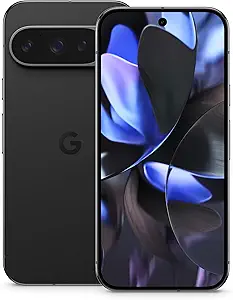 | Best Overall | Display: 6.3-inch Super Actua | Storage / RAM: 256GB, 16GB RAM | Camera: Triple rear camera system | VIEW LATEST PRICE | See Our Full Breakdown |
| Google Pixel 9 Pro Unlocked Android Smartphone, 128 GB, Porcelain |  | Best Premium Compact | Display: 6.3-inch Super Actua, up to 120Hz | Processor: Google Tensor G4 | RAM / Storage: 16GB RAM, 128GB | VIEW LATEST PRICE | See Our Full Breakdown |
| Google Pixel 8 5G US Version 128GB Rose – Unlocked (Renewed) |  | Best Budget Camera Pick | Display: 6.2-inch OLED, 1080 × 2400, 120Hz, HDR10+ | Processor: Google Tensor G3 | RAM / Storage: 8GB RAM, 128GB | VIEW LATEST PRICE | See Our Full Breakdown |
| GrapheneOS-compatible smartphone | Display | RAM / Storage | Battery | Processor |
|---|---|---|---|---|
| Google Pixel 8 5G | 6.2" OLED, 120Hz, HDR10+ | 8 GB / 128 GB | 4575 mAh | Google Tensor G3 (4nm) |
| Google Pixel 9 Pro Unlocked An | 6.3-inch Super Actua | 16 GB / 512 GB | — | — |
| Google Pixel 8 5G | 6.2" OLED, 120Hz, HDR10+ | 8 GB / 256 GB | 4575 mAh | Google Tensor G3, octa-core up to 3GHz |
| Google Pixel 9 Pro Unlocked An | 6.3" Super Actua Display | — | 24-hour battery | — |
| Google Pixel 8 5G US Version 1 | 6.2" OLED, 120Hz, HDR10+ | 8 GB / 128 GB | 4575 mAh | Google Tensor G3 |
| Google Pixel 8a 5G | 6.1-inch OLED, 1080 × 2400, 428 PPI, 120Hz, HDR10+ | 8GB RAM, 128GB | 4492mAh | Google Tensor G3 (4nm), octa-core |
| Google Pixel 9 Pro Unlocked An | 6.3-inch Super Actua | — | Rated up to 24 hours | — |
| Google Pixel 9 Pro Unlocked An | 6.3-inch Super Actua, up to 120Hz | 16GB RAM, 128GB | — | Google Tensor G4 |
| Google Pixel 8 5G US Version 1 | 6.2-inch OLED, 1080 × 2400, 120Hz, HDR10+ | 8GB RAM, 128GB | 4575mAh | Google Tensor G3 |
More Details on Our Top Picks
Google Pixel 8 5G – 128GB – Hazel – Unlocked (Renewed)
This renewed Pixel 8 stands out as the smartest entry point into GrapheneOS without paying flagship prices for the newest silicon. The Tensor G3 chip is fully supported by the OS, the Titan M2 security chip adds hardware-backed protection, and the 6.2-inch 120Hz OLED panel is sharper in daily use than most phones at this tier. Compared with the Pixel 8a elsewhere in this roundup, the Pixel 8 gives you a metal frame, a faster display, and better cameras — worth the premium if you plan to keep the phone for years of OS updates. The tradeoff is renewed condition and fixed 128GB storage, which fills up fast if you shoot lots of video. For a de-Googled daily driver, this pick makes the most sense for value-focused buyers.
Pros:- Tensor G3 with Titan M2 security chip is fully GrapheneOS-supported
- 120Hz OLED display with HDR10+ outclasses the Pixel 8a panel
- Unlocked for both GSM and CDMA carriers, so it works on any US network
- 4575mAh battery with Extreme Battery Saver stretches to 72 hours
Cons:- Renewed condition means possible minor cosmetic wear and shorter warranty coverage
- 128GB storage is tight for large photo and video libraries
Best for: Privacy-minded buyers who want full GrapheneOS support at the lowest sensible price
Not ideal for: Heavy media shooters — 128GB with no expansion will feel cramped within a year
- Condition:Renewed
- Processor:Google Tensor G3 (4nm)
- RAM / Storage:8 GB / 128 GB
- Display:6.2″ OLED, 120Hz, HDR10+
- Battery:4575 mAh
- Security:Titan M2 security chip
- Carrier:Unlocked GSM and CDMA
Our verdict“The best price-to-privacy ratio here for anyone who wants a capable GrapheneOS daily driver without flagship cost.”
Google Pixel 9 Pro Unlocked Android Smartphone, 512 GB, Porcelain
The Pixel 9 Pro with 512GB is the ceiling of this lineup: the newest GrapheneOS-supported hardware, a triple rear camera system, 16GB of RAM, and enough storage that you will never think about capacity again. Compared with the renewed Pixel 8 models, this phone buys you a longer runway of OS and security updates, which matters more for a de-Googled device than for a typical Android phone. The 6.3-inch Super Actua display is brighter and more refined than the Pixel 8’s panel. The tradeoffs are real, though: it costs the most here by a wide margin, and buyers who flash GrapheneOS will likely disable the Gemini AI features anyway — meaning you are partly paying for software you will switch off.
Pros:- 16GB RAM and 512GB storage headroom for years of use
- Triple camera system with Night Sight Video and Super Res Zoom Video
- Newest supported platform with the longest expected GrapheneOS support window
- Water-resistant build with bright 6.3-inch Super Actua display
Cons:- Highest cost in the lineup despite Gemini features being largely redundant under GrapheneOS
- 24-hour battery claim is untested and falls short of the Pixel 8’s 72-hour saver mode numbers
Best for: Power users and long-term owners who want top-tier hardware and the longest update runway
Not ideal for: Budget buyers — much of the premium pays for Gemini AI features that GrapheneOS users typically strip out
- RAM / Storage:16 GB / 512 GB
- Display:6.3-inch Super Actua
- Rear Cameras:Triple camera system
- Battery Life:Up to 24 hours
- SIM:Dual SIM; Nano SIM
- Water Resistance:Water resistant
- Biometric Security:Fingerprint recognition
Our verdict“The pick for buyers who want the most capable, longest-lasting GrapheneOS hardware and will pay for it.”
Google Pixel 8 5G, 256GB, Obsidian, Unlocked (Renewed)
This 256GB Pixel 8 occupies a smart middle ground: same Tensor G3, same 120Hz OLED, and same GrapheneOS support as the 128GB renewed Hazel model, but with double the storage for a modest step up in price. That matters under GrapheneOS because sandboxed apps, photos, and offline maps live entirely on-device with no cloud backup crutch. Compared with the Pixel 9 Pro, you give up the triple camera, extra RAM, and longer update window — but if those do not change your daily experience, this model delivers 90% of the utility at a fraction of the cost. The renewed status remains the main gamble, and Obsidian is a fingerprint magnet, but the practical tradeoffs land firmly in the buyer’s favor.
Pros:- 256GB storage doubles the base model for local-first, cloud-free use
- Full GrapheneOS support with Titan G3-era hardware and security chip
- Dual SIM via Nano-SIM and eSIM for flexible carrier setups
- Water-resistant build uncommon at renewed pricing
Cons:- Renewed condition with no guarantee of battery health
- No headphone jack limits wired audio options
Best for: Users who store everything locally and want renewed Pixel 8 pricing without the storage squeeze
Not ideal for: Buyers wanting brand-new hardware or the longest security update window — the Pixel 9 Pro serves both better
- Condition:Renewed
- Processor:Google Tensor G3, octa-core up to 3GHz
- RAM / Storage:8 GB / 256 GB
- Display:6.2″ OLED, 120Hz, HDR10+
- Battery:4575 mAh
- Rear Cameras:50MP wide f/1.7, 12MP ultrawide f/2.2
- SIM:Nano-SIM and eSIM (dual SIM)
Our verdict“The right renewed Pixel 8 for anyone who found 128GB too tight but balked at Pixel 9 Pro pricing.”
Google Pixel 9 Pro Unlocked Android Smartphone, 256GB, Hazel
This 256GB Pixel 9 Pro hits the sweet spot in the flagship tier: newer hardware and a longer support window than the renewed Pixel 8s, without the price climb of the 512GB Porcelain model. For most GrapheneOS users, 256GB is the practical storage ceiling — enough for years of photos and sandboxed apps without paying for space you will never touch. The triple camera and 6.3-inch Super Actua display match the 512GB version exactly; the only real difference is capacity. Compared with the 256GB Pixel 8, you get a bigger, brighter screen and a longer runway of GrapheneOS builds. Remember that Gemini-dependent features lose functionality once Google services are removed, so plan on a leaner, more private experience.
Pros:- Same camera and display hardware as the 512GB flagship at a lower tier
- Newer platform with extended GrapheneOS support timeline
- Triple camera system with AI photo and video tooling
- Unlocked for all major carriers out of the box
Cons:- AI assistant features degrade once Google services are removed under GrapheneOS
- Carrier data plan not included, adding setup cost
Best for: Buyers who want flagship-tier GrapheneOS hardware with sensible, not excessive, storage
Not ideal for: Minimalists on a budget — the renewed Pixel 8 delivers the core privacy experience for far less
- Storage:256 GB
- Display:6.3″ Super Actua Display
- Rear Cameras:Triple camera system
- Battery:24-hour battery
- Operating System:Android (GrapheneOS compatible)
- Network:Unlocked
Our verdict“The most sensible Pixel 9 Pro configuration for privacy users who want flagship longevity without overpaying for storage.”
Google Pixel 8 5G US Version 128GB Obsidian Unlocked (Renewed)
For readers flashing GrapheneOS for the first time, this US-version renewed Pixel 8 is the lowest-risk way in. The US model guarantees the correct bootloader and band support for American carriers, which removes the most common frustration when installing the OS — a mismatched regional variant. Compared with the Hazel 128GB listing, the hardware is identical; the difference here is the explicitly confirmed US version, which matters for the installer process and Verizon-type carrier quirks. The 120Hz OLED and Tensor G3 deliver the same experience as every Pixel 8 on this list, so you are choosing on condition, price, and regional confidence rather than performance. The 128GB ceiling and renewed wear remain honest drawbacks.
Pros:- Confirmed US version eliminates bootloader and band compatibility guesswork
- Tensor G3 platform is fully supported by the GrapheneOS installer
- Nano-SIM and eSIM support with broad GSM and CDMA carrier compatibility
- Water-resistant build with fingerprint recognition
Cons:- Renewed condition may include minor cosmetic wear and variable battery health
- 128GB storage is limiting for media-heavy users
- Carrier compatibility still worth verifying before purchase
Best for: First-time GrapheneOS installers in the US who want guaranteed regional compatibility
Not ideal for: International buyers — the US version may lack full band support abroad, and 128GB limits long-term storage
- Condition:Renewed (US Version)
- Processor:Google Tensor G3
- RAM / Storage:8 GB / 128 GB
- Display:6.2″ OLED, 120Hz, HDR10+
- Battery:4575 mAh
- Rear Cameras:50MP wide + 12MP ultrawide
- SIM:Nano-SIM and eSIM
Our verdict“The safest on-ramp to GrapheneOS for US buyers testing the privacy-phone waters on a budget.”
Google Pixel 8a 5G, 128GB, 8GB RAM, Obsidian, Unlocked (Renewed)
For buyers who want the privacy benefits of GrapheneOS without paying flagship prices, the renewed Pixel 8a is the smartest entry point in this lineup. The Tensor G3 chip is the same silicon found in the renewed Pixel 8 elsewhere in this roundup, so you get identical GrapheneOS support and the same long update window — you are mainly trading camera versatility and screen size, not security. The 6.1-inch 120Hz OLED panel is sharper and smoother than most midrange phones, and the compact footprint makes one-handed use genuinely comfortable. Compared with the Pixel 8 renewed units, the 8a gives up the secondary 50MP-class main sensor and a bit of battery capacity, but costs noticeably less as a renewed device.
The tradeoff is condition uncertainty: renewed stock means cosmetic and battery wear can vary between units, and 128GB of fixed storage fills up fast if you shoot a lot of photos. Still, for the price-to-privacy ratio, this pick makes the most sense for budget-focused buyers.
Pros:- Same Tensor G3 platform as the flagship Pixel 8, guaranteeing full GrapheneOS compatibility
- Bright 120Hz OLED display uncommon at this price tier
- Compact 6.1-inch size is easier to handle one-handed than the Pixel 9 Pro
- Unlocked for both GSM and CDMA carriers, including dual SIM via eSIM
Cons:- Renewed condition means battery health and cosmetic wear vary unit to unit
- 128GB with no expandable storage is tight for media-heavy users
Best for: Privacy-conscious buyers on a budget who want full GrapheneOS support and can accept renewed-device variability
Not ideal for: Photographers and heavy media users — the smaller main sensor and fixed 128GB storage limit both shooting quality and file headroom
- Display:6.1-inch OLED, 1080 × 2400, 428 PPI, 120Hz, HDR10+
- Processor:Google Tensor G3 (4nm), octa-core
- RAM / Storage:8GB RAM, 128GB
- Battery:4492mAh
- Rear cameras:64MP wide (f/1.9) + 13MP ultrawide (f/2.2)
- SIM:Nano-SIM and eSIM, unlocked for GSM and CDMA
- Condition:Renewed
Our verdict“The Pixel 8a renewed is the cheapest fully GrapheneOS-supported route for buyers who value privacy over camera prowess.”
Google Pixel 9 Pro Unlocked Android Smartphone with Gemini, 6.3″ Super Actua Display, 256 GB, Obsidian
The Pixel 9 Pro with 256GB is the pick I would point most GrapheneOS users toward, because it balances current-generation hardware, generous storage, and the longest realistic software runway of anything here. The Tensor G4-generation platform and 16GB of RAM mean GrapheneOS will stay snappy for years of updates, and 256GB gives breathing room that the 128GB Pixel 8 renewed options simply cannot match. Compared with the Porcelain 128GB Pixel 9 Pro later in this list, the doubled storage makes far more difference day to day than the color does — hardened Android with sandboxed apps still accumulates photos and offline media.
The Super Actua display is the brightest panel in the roundup, and the triple camera system clearly outguns the dual-camera Pixel 8 and 8a. Tradeoffs are real, though: you pay a flagship premium, there is no headphone jack, and the single nano-SIM slot limits those juggling multiple carrier accounts. Note that Google’s Gemini AI features largely disappear once you install GrapheneOS, so do not buy it for the AI.
Pros:- Newest supported platform with the longest GrapheneOS update runway
- 256GB of storage doubles the capacity of the base Pixel 9 Pro
- Best-in-lineup triple camera system with 8K-class video tools
- 16GB of RAM keeps multitasking smooth under hardened Android
Cons:- Flagship pricing far above the renewed Pixel 8 and 8a options
- Single nano-SIM slot with no eSIM flexibility listed for dual-line users
- No headphone jack
Best for: Enthusiasts who want the longest support life and ample storage for a multi-year GrapheneOS daily driver
Not ideal for: Buyers who want Google’s AI features or dual-SIM flexibility — GrapheneOS strips out most Gemini tools, and the single SIM slot is limiting
- Display:6.3-inch Super Actua
- Storage / RAM:256GB, 16GB RAM
- Camera:Triple rear camera system
- Battery:Rated up to 24 hours
- Carrier compatibility:Unlocked; Google Fi, Verizon, T-Mobile, AT&T and other major carriers
- SIM:Single nano-SIM
- Water resistance:Water resistant (level not specified)
Our verdict“If budget allows, the 256GB Pixel 9 Pro is the most future-proof GrapheneOS phone in this lineup.”
Google Pixel 9 Pro Unlocked Android Smartphone, 128 GB, Porcelain
This Porcelain Pixel 9 Pro proves you can have flagship hardware in a compact body — the 6.3-inch frame is barely larger than the Pixel 8a’s 6.1-inch panel, yet it packs the Tensor G4-era platform, 16GB of RAM, and the same triple camera system as the 256GB Obsidian model. That makes it the natural choice for GrapheneOS users who find large phones unwieldy but refuse to compromise on performance or update longevity. The up-to-120Hz Super Actua display and over-24-hour battery rating (stretching to 100 hours with Extreme Battery Saver) translate to genuine endurance for a smaller device.
The obvious sacrifice versus the Obsidian 256GB Pixel 9 Pro is storage: 128GB fills quickly if you offline a lot of media, and there is no expansion. Google’s battery claims also assume conservative settings, so heavy users should expect less. Compared with the renewed Pixel 8 units, you gain years of extra software support in exchange for paying new-device prices.
Pros:- Flagship Tensor G4 performance and 16GB RAM in a compact 6.3-inch body
- Same triple camera system as the higher-capacity Pixel 9 Pro variants
- Up to 100 hours of battery with Extreme Battery Saver
- Bright 120Hz Super Actua display
Cons:- 128GB storage is limiting for a phone intended to last many years
- Battery life ratings depend heavily on usage and settings
Best for: Buyers with smaller hands or a preference for compact phones who still want top-tier performance and long GrapheneOS support
Not ideal for: Media hoarders — 128GB of non-expandable storage is the weakest point of an otherwise flagship package
- Display:6.3-inch Super Actua, up to 120Hz
- Processor:Google Tensor G4
- RAM / Storage:16GB RAM, 128GB
- Rear camera:Triple camera system
- Battery life:Over 24 hours; up to 100 hours with Extreme Battery Saver
- Carrier status:Unlocked
- Color:Porcelain
Our verdict“The 128GB Pixel 9 Pro is the best small-form GrapheneOS phone here, provided you can live with base storage.”
Google Pixel 8 5G US Version 128GB Rose – Unlocked (Renewed)
Sitting between the 8a and the Pixel 9 Pro, the renewed Pixel 8 hits a sweet spot for buyers who want a better camera than the 8a without the new-flagship outlay of the 9 Pro. Its 50MP main sensor captures noticeably more detail than the 8a’s 64MP unit in practice, and the slightly larger 6.2-inch OLED keeps the phone comfortable in hand. Because it runs the same Tensor G3 as the 8a, GrapheneOS support is identical — the choice between them comes down to camera quality and size preference versus price and battery rating.
The Rose finish also stands out if you are tired of monochrome phones. The compromises are the usual renewed-device risks: unit-to-unit battery health variation and possible cosmetic wear, plus 128GB of fixed storage. Compared with the 256GB Obsidian Pixel 8 elsewhere in this roundup, you are halving storage to save money — a fair trade only if you lean on cloud or self-hosted backups.
Pros:- 50MP main sensor delivers sharper photos than the Pixel 8a’s camera system
- Smooth 6.2-inch 120Hz OLED with HDR10+
- Tensor G3 guarantees the same GrapheneOS support and update path as the 8a
- Unlocked with broad GSM/CDMA carrier compatibility, plus eSIM support
Cons:- Renewed condition means battery health may vary by unit
- 128GB of non-expandable storage limits heavy media use
- May show minor cosmetic wear compared with new devices
Best for: Buyers who want Pixel 8a pricing with a step-up main camera for a GrapheneOS daily driver
Not ideal for: Anyone who needs guaranteed battery health or lots of onboard storage — renewed units vary and 128GB is the ceiling
- Display:6.2-inch OLED, 1080 × 2400, 120Hz, HDR10+
- Processor:Google Tensor G3
- RAM / Storage:8GB RAM, 128GB
- Battery:4575mAh
- Rear camera:50MP wide + 12MP ultrawide
- SIM:Nano-SIM and eSIM
- Condition:Renewed
Our verdict“The renewed Pixel 8 is the value pick for photographers who want better-than-8a image quality under GrapheneOS on a budget.”

How We Picked
Because GrapheneOS only runs on Pixel hardware, my ranking logic centers on how well each phone serves as a GrapheneOS platform rather than on camera or AI features. The first criterion was remaining software support life: GrapheneOS can only ship security updates while Google does, so a Pixel 9 Pro bought today outlasts a Pixel 8 by roughly two extra years. The second was storage capacity, since GrapheneOS users tend to run multiple profiles, sandboxed Google services, and offline data, all of which eat space faster than on a stock phone. Third, I weighed unlocked status and OEM unlocking compatibility — every pick here is unlocked, because carrier variants routinely block the bootloader unlocking that installation requires.
The final factor was condition and value. Several picks are renewed units, and I treated them as legitimate options rather than compromises, since the hardware (including the Titan M2 security chip) is identical to new stock. Where two products differ only in color or storage, like the three Pixel 9 Pro variants here, I ranked by how sensibly that configuration serves a privacy-focused buyer. The result is a list ordered from longest-lasting, most capable platform down to shortest remaining runway at the lowest cost.
| GrapheneOS-compatible smartphone | Condition | Processor | SIM |
|---|---|---|---|
| Google Pixel 8 5G | Renewed | Google Tensor G3 (4nm) | — |
| Google Pixel 9 Pro Unlocked An | — | — | Dual SIM; Nano SIM |
| Google Pixel 8 5G | Renewed | Google Tensor G3, octa-core up to 3GHz | Nano-SIM and eSIM (dual SIM) |
| Google Pixel 9 Pro Unlocked An | — | — | — |
| Google Pixel 8 5G US Version 1 | Renewed (US Version) | Google Tensor G3 | Nano-SIM and eSIM |
| Google Pixel 8a 5G | Renewed | Google Tensor G3 (4nm), octa-core | Nano-SIM and eSIM, unlocked for GSM and CDMA |
| Google Pixel 9 Pro Unlocked An | — | — | Single nano-SIM |
| Google Pixel 9 Pro Unlocked An | — | Google Tensor G4 | — |
| Google Pixel 8 5G US Version 1 | Renewed | Google Tensor G3 | Nano-SIM and eSIM |
Factors to Consider When Choosing Best GrapheneOS-compatible Smartphones
Choosing a GrapheneOS-compatible phone is less about flagships versus mid-rangers and more about matching a Pixel’s remaining lifespan and capacity to how long you plan to keep it. These are the factors that actually change the outcome.Remaining Security Update Window
GrapheneOS does not extend a phone’s life past Google’s own support cutoff — when Google stops releasing firmware patches, GrapheneOS drops the device. That means a Pixel 9-series phone bought in 2026 will remain a secure daily driver roughly two years longer than a Pixel 8 or 8a purchased the same day. A common mistake is grabbing the cheapest supported Pixel without checking how many update years are left, then facing a forced replacement eighteen months later. If you upgrade phones every two to three years, an older Pixel is a reasonable bet; if you keep devices until they die, pay for the newest generation you can. This single factor explains most of the ranking order in this roundup. Also note that GrapheneOS’s advanced features, like certain memory-tagging protections, land on newer Tensor generations first.
Storage: Buy More Than You Think You Need
On a stock Android phone, 128GB is plenty for most people. On GrapheneOS, it fills faster: separate user profiles for work, banking, and daily use each carry their own apps and data, and sandboxed Google Play services add overhead. Offline maps, local backups via Seedvault, and photo libraries without Google Photos cloud sync all push storage demands upward. The practical floor for a comfortable multi-profile setup is 256GB, which is why the 256GB renewed Pixel 8 outranks its 128GB siblings here. The 512GB Pixel 9 Pro makes sense only if you shoot lots of video or keep large offline datasets. Unlike a PC, you cannot add storage later, so this is a one-time decision you live with for the phone’s entire life.
Renewed Versus New Hardware
Renewed Pixels are the backbone of the budget GrapheneOS market, and the security argument for skipping them is weaker than you’d expect: the Titan M2 security chip, verified boot, and hardware attestation all work identically on renewed units. What you are trading away is battery health, cosmetic condition, and sometimes shorter seller warranties. Before buying, check the seller’s battery-health disclosure and return window — a degraded battery is the most common disappointment with renewed Pixels. Also verify that a renewed unit is genuinely OEM-unlockable before the return period expires, since a small number of renewed phones were originally carrier stock. For buyers who want peace of mind and maximum lifespan, new Pixel 9 Pro stock justifies its premium; for everyone else, renewed Pixel 8 hardware is where the value concentrates.
Carrier Locks and OEM Unlocking
The single most frustrating GrapheneOS purchase mistake is buying a carrier-locked or carrier-branded Pixel, installing the OS, and discovering the bootloader refuses to unlock. Verizon and some other US carriers historically shipped Pixels with OEM unlocking disabled, and some never re-enable it even after the device is paid off and network-unlocked. Network-unlocked is not the same thing as bootloader-unlockable, and the distinction trips up first-time buyers constantly. Every phone in this roundup is listed as unlocked, but you should still confirm the OEM unlocking toggle is available in developer settings within your return window. Buying directly listed as “US Version unlocked” stock, as most of these picks are, avoids nearly all of this risk.
Future Relocking and Attestation Considerations
GrapheneOS supports relocking the bootloader after installation, which restores full verified boot security — but this only works cleanly on unlocked-retail hardware with the correct OS build for that exact model. Carrier variants can break relocking or trigger issues with hardware attestation, which some banking apps check. If you rely on banking apps or want the strongest tamper protection, favor standard unlocked retail units over any gray-market variant. This is also a reason to prefer models with abundant GrapheneOS community documentation, like the Pixel 8 and 9 series, over the newest or rarest variants. The good news is that every phone in this roundup is a mainstream, well-documented model, so the risk is low if you stick to listed picks.
Matching the Phone to Your Commitment Level
Be honest about whether GrapheneOS is an experiment or a lifestyle change. If you’re testing the waters, a renewed Pixel 8a is a low-cost trial that lets you learn the installation process, profile system, and app workarounds without major financial exposure. If you’ve already committed to de-Googling as your daily setup, spending up for a Pixel 9 Pro with maximum storage pays off over a four-to-five-year ownership stretch. The middle path — renewed Pixel 8 at 256GB — suits people who want the privacy benefits long-term but don’t need cutting-edge cameras or displays. What you should not do is buy a mid-tier phone for a long-term commitment you’re certain about; the savings feel smaller every year you keep it. Matching commitment level to hardware spend is what separates a satisfying purchase from an expensive mistake.
Frequently Asked Questions
Can I install GrapheneOS on any smartphone, or only Google Pixels?
GrapheneOS is developed exclusively for Google Pixel hardware, because Pixels are the only widely available phones that fully support the security features the OS depends on — verified boot with custom keys, hardware attestation through the Titan M2 chip, and per-model firmware update availability. No Samsung, OnePlus, or Xiaomi device can run it properly, regardless of specifications. Within the Pixel line, support is still limited to specific generations, so a phone being a Pixel is necessary but not sufficient. The good news is that this narrow compatibility simplifies your decision: choosing a GrapheneOS phone means choosing among Pixel 6 and newer models, and the nine picks in this roundup represent the sweet spot of value and remaining lifespan. If you want a privacy OS for non-Pixel hardware, you would need a different project like CalyxOS or LineageOS, with weaker security guarantees.
Is buying a renewed Pixel safe for GrapheneOS, or should I only buy new?
Renewed Pixels are generally safe for GrapheneOS as long as two conditions hold: the device is genuinely bootloader-unlockable, and the battery has reasonable remaining health. The security hardware is identical to new stock, and once GrapheneOS is installed, the software state is fully under your control regardless of the phone’s history. The risks are practical rather than security-focused — degraded batteries, cosmetic wear, and shorter seller warranties are the real tradeoffs. My advice is to test the OEM unlocking toggle in developer settings immediately upon receiving a renewed unit, while you can still return it, and to buy from sellers who disclose battery health. For maximum lifespan buyers, new Pixel 9 Pro stock remains the safer spend; for value-focused buyers, renewed Pixel 8 hardware is a rational and widely used choice in the GrapheneOS community.
How much storage do I actually need for GrapheneOS?
More than you’d need on stock Android, because the way people use GrapheneOS differs. The OS itself is lean, but users typically create multiple profiles — separating daily apps, banking, work, or sandboxed Google services — and each profile maintains its own installed apps and data. Add Seedvault local encrypted backups, offline maps if you skip Google Maps’ cloud features, and a photo library that isn’t synced to Google Photos, and 128GB fills surprisingly fast. For a single-profile user with modest app needs, 128GB works fine; for a multi-profile privacy setup, 256GB is the comfortable standard, which is why the 256GB renewed Pixel 8 ranks above its 128GB siblings in this roundup. The 512GB Pixel 9 Pro is only worth it for heavy video shooters or people carrying large offline datasets.
Will my banking apps and Google-dependent apps still work on GrapheneOS?
Most banking apps work, because GrapheneOS supports sandboxed Google Play services and passes hardware attestation while relocked — but behavior varies by app and by how you configure things. Apps that detect the unlocked bootloader fail only during installation; once you relock the bootloader with GrapheneOS’s own keys, verified boot is restored and most detection issues disappear. A small number of apps use Play Integrity checks that behave inconsistently, and GrapheneOS maintains compatibility guidance for these edge cases. Google-dependent apps generally work through the sandboxed Play Services installation, without giving Google privileged system access. The realistic expectation is that 90-plus percent of a typical app library works normally, with a handful of apps requiring workarounds or profile-specific setups. Test your critical apps early in your ownership so you have time to adapt your workflow.
Which Pixel gives me the longest usable life with GrapheneOS in 2026?
The Pixel 9 series, without question. GrapheneOS can only provide security updates while Google releases device firmware patches, so the newer generation’s extended support window translates directly into more years your phone stays a secure daily driver — roughly two additional years compared with the Pixel 8 and 8a. That’s why the Pixel 9 Pro 256GB takes the top spot despite renewed Pixel 8 units offering better immediate value. If you keep phones for five or more years, the extra upfront cost of a Pixel 9 Pro amortizes to almost nothing per year while delivering better cameras and displays along the way. If you replace phones every two to three years, the shorter runway of a Pixel 8 never becomes a problem, and the savings are real. Buy the newest generation you can afford only if your ownership horizon is long enough to use it.
Conclusion
The right pick here depends less on specs and more on how long you plan to stay on GrapheneOS. For the best overall choice, I point to the Pixel 9 Pro 256GB in Obsidian: the longest support runway, ample storage for multi-profile use, and hardware that stays competitive for years. Best value goes to the renewed Pixel 8 256GB in Obsidian, which delivers the full GrapheneOS security experience at a much lower entry cost with sensibly more storage than the 128GB renewed units. Best premium pick is the Pixel 9 Pro 512GB in Porcelain for privacy users who also shoot heavy video or carry large offline data — the 128GB Pixel 9 Pro in Porcelain, by contrast, only makes sense if you’re disciplined about storage.
For beginners testing the waters, the renewed Pixel 8a is the cheapest legitimate on-ramp to learn installation and the profile system without serious financial exposure. The renewed Pixel 8 128GB units — in Hazel, Obsidian, or Rose — sit in between: fine single-profile phones for shorter ownership horizons, but tight on space for full multi-profile setups. Whatever you choose, confirm the phone is unlocked with OEM unlocking available before your return window closes, then enjoy the strongest practical mobile privacy setup available on mainstream hardware.
Fall Picks
fall essentials
As an affiliate, we earn on qualifying purchases.