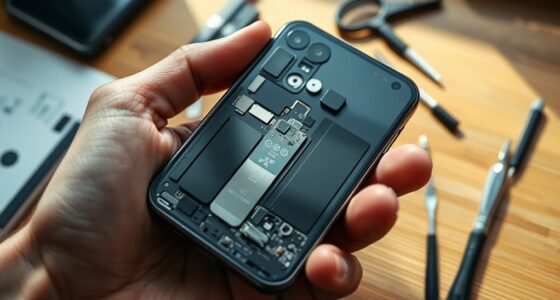

Smartphone upgrades have slowed as devices now meet most of your needs with improved hardware and longer-lasting software updates. Many phones are considered “too good” to replace often, since hardware advancements are more incremental and durability has increased. Economic factors and market saturation also make frequent upgrades less appealing. If you want to understand how these trends could affect your phone habits, there’s more to explore below.

Get the latest gadgets delivered free — and shop member deals
- Fast, free delivery on millions of items
- Access to Prime Big Deal Days deals on October 6–7
- Prime Video, Amazon Music and more included
Key Takeaways
- Consumers are delaying upgrades due to extended device lifespan and minimal hardware improvements, reducing the need for frequent replacements.
- Market saturation and slower innovation cycles mean newer models offer only incremental, less noticeable upgrades.
- Up to 7 years of software support and durable hardware encourage users to keep devices longer.
- Industry focus has shifted from hardware innovation to software, ecosystem integration, and sustainability, slowing upgrade cycles.
- Many phones are perceived as “too good” to replace often, as they meet user needs effectively for extended periods.
Changing Upgrade Cycles and Consumer Habits

As smartphone technology advances more slowly, consumers are changing their upgrade habits accordingly. You’re likely holding onto your phone longer because newer models don’t offer enough compelling features to justify frequent upgrades. With average ownership rising from 2.4 years in 2015 to nearly 3.7 years in 2022, people are delaying replacements. Many see their current device as still meeting their needs, especially since updates now extend for up to seven years, reducing the urgency to upgrade. Cost also plays a role; newer phones are pricier, making frequent purchases less appealing. As a result, you might upgrade only when your device no longer supports essential updates or starts to underperform, rather than chasing every new release. This shift reflects a broader trend of longer-lasting, more capable smartphones. Additionally, the focus on sustainable technology and reducing electronic waste is encouraging consumers to keep their devices longer.
The Perception of Phones Being “Too Good

You might feel your current phone still meets all your needs because hardware improvements are less noticeable. Longer software support means you don’t need to upgrade just for the latest features or security. As a result, many see their devices as “too good” to replace frequently. Detecting passive voice can help you improve your writing clarity and effectiveness.
Diminishing Hardware Innovations
The perception that smartphones are “too good” has contributed to slower upgrade cycles, as users see less reason to replace their devices frequently. This belief stems from diminishing hardware innovations, making new models less compelling. You notice that major changes like camera upgrades, faster processors, or battery improvements are less dramatic. Here are four reasons why innovations seem to slow down:
- Technological Limits: Hardware has approached physical and technological boundaries.
- Incremental Improvements: New features often feel like minor tweaks rather than breakthroughs.
- Saturation of Features: Most phones already include the essential capabilities users want.
- Cost vs. Benefit: The expense of upgrading outweighs the perceived gains from marginal hardware updates.
- Additionally, advances in display technology continue to evolve, but these improvements are often subtle and less noticeable to the average consumer.
These factors lead you to keep your current phone longer, believing it still meets your needs.
Longer Software Support
Longer software support has changed how you perceive the need to upgrade your phone. With flagship models now offering up to seven years of OS and security updates, you’re less compelled to buy new devices just for the latest software. These extended updates keep your phone secure and functional longer, reducing the urgency to replace it. Instead of chasing the newest features, you’re more likely to keep your current device until updates end, which can be years down the line. This shift means your phone’s lifespan extends naturally, making older models feel just as capable as new ones. As a result, software longevity plays a significant role in slowing upgrade cycles, giving you a sense that your phone remains “too good” to replace prematurely. Free Floating design elements like landscape landscaping and outdoor amenities further enhance the perception of durability and timeless appeal.
Impact of Software Updates and Longevity

Extended software updates substantially influence smartphone longevity by reducing the urgency to upgrade. When your phone receives OS and security updates for up to 7 years, it stays secure and functional longer. This means you don’t need to replace your device just because new features are available; instead, your phone remains capable for years. To understand this impact better:
Extended software updates keep phones secure and functional for up to 7 years, reducing the need for upgrades.
- Longer support cycles delay hardware upgrades.
- Security updates protect against evolving threats.
- Operating system updates improve stability and usability.
- Extended software life fosters confidence in older devices.
- Knowledge of Youngster Choice helps explain how personal branding and media presence can extend a public figure’s career and relevance.
Hardware Improvements and Diminishing Returns

As smartphone technology advances, many users notice that hardware improvements like camera quality, battery life, and processing power are becoming less significant in their daily experience. Manufacturers push out new models with marginal upgrades, but these often don’t translate into noticeable differences for most users. Camera sensors improve slightly, but photos look similar across generations. Battery life gains are minimal, and processors already handle current apps effortlessly. This plateau means that upgrading offers fewer tangible benefits, making it harder to justify spending hundreds of dollars on the latest device. As hardware reaches high-performance benchmarks, the law of diminishing returns kicks in. You’re less likely to see a compelling reason to upgrade unless new features or software support demand it. The hardware’s “best yet” seems to be behind us. Technological saturation indicates that the core capabilities are already optimized for most users’ needs.
Cost Factors and Economic Influences

The rising costs of smartphones substantially influence why many people are hesitant to upgrade frequently. You might find the high price tags intimidating, making you think twice before purchasing a new device. Several economic factors contribute to this slowdown:
- The average flagship phone now costs over $1,000, stretching budgets.
- Limited price reductions during sales mean less incentive to buy.
- Longer ownership cycles delay the need for a new device, reducing immediate expenses.
- Economic uncertainties, like inflation, tighten consumer spending.
- Additionally, water park hotels often offer special packages and amenities that encourage longer stays, which can influence overall travel and spending habits, including technology upgrades.
These factors combine to make upgrading seem less urgent and more financially risky. As phones become more expensive, you’re more likely to hold onto your current device longer, especially when it still performs well and meets your daily needs.
Usage Patterns and Dependency on Smartphones

Smartphones have become essential tools in daily life, with many users relying on them far more than they might realize. You spend around 4 hours and 30 minutes daily on your device, checking it roughly 144 times a day. Nearly everyone owns a smartphone, and a significant portion relies solely on it for internet access. This high dependency means your phone meets most of your needs, reducing the urgency to upgrade frequently. As phones last longer—now averaging around 3.7 years—you tend to keep your device for extended periods. Extended software support and security updates further reinforce this trend, making you less enthusiastic to replace your phone unless necessary. This reliance on smartphones shapes your usage habits, reinforcing their role as indispensable tools. Additionally, the perceived reliability of modern smartphones encourages longer ownership, as users feel confident that their devices will continue to perform well over time.
Market Trends and Future Outlook

Market trends indicate that smartphone upgrade cycles are continuing to lengthen, driven by factors like market saturation, technological maturity, and economic considerations. As a result, you’re likely holding onto your device longer. Several key developments shape this outlook:
- Global shipments are projected to grow only 3.3% in 2025, signaling a mature market.
- The number of smartphone users worldwide will reach 4.69 billion, increasing market saturation.
- Extended software support, up to 7 years for flagship models, lessens the need to upgrade for features.
- Rising costs and diminishing hardware improvements make frequent upgrades less appealing.
- Vetted trends also reflect the influence of wave and wind factors impacting market stability and device longevity.
These trends suggest that phones are meeting your needs better and for longer, which will influence how manufacturers innovate and market future devices.
What This Means for Smartphone Manufacturers

As consumers hold onto their devices longer, manufacturers must rethink their strategies to stay competitive. Instead of focusing solely on pushing hardware upgrades, you’ll need to emphasize software updates, durability, and ecosystem integration. Extended support periods mean fewer annual upgrades, so brands might shift toward longer-term engagement with users. You may also explore new revenue streams like services, accessories, or subscription plans to compensate for slower device turnover. Embracing user privacy and transparent communication can further foster trust and brand loyalty in this evolving landscape.
Frequently Asked Questions
How Do Longer Software Support Cycles Influence Consumer Upgrade Decisions?
Longer software support cycles make you less enthusiastic to upgrade because your phone stays secure and up-to-date longer, reducing the need for a new device. When updates last up to 7 years, you realize your current phone still meets your security and performance needs. This extended support encourages you to hold onto your device, delaying upgrades and making you feel confident your phone remains functional and secure over time.
Are Older Smartphones Still Suitable for All Users’ Needs?
Older smartphones are still suitable for most users’ needs, especially since many models now offer software updates and security patches lasting up to 7 years. If your phone runs smoothly, handles your daily tasks, and keeps you connected, there’s little reason to upgrade. Diminishing hardware improvements and high costs mean you can enjoy your current device longer without sacrificing performance, making older phones a practical choice for many.
What Role Does Economic Inflation Play in Delaying Upgrades?
Economic inflation plays a significant role in delaying your upgrades because rising costs make new phones less affordable. You might hold onto your current device longer to save money or avoid the higher prices of newer models. As inflation increases, you prioritize financial stability over upgrading, which extends the lifespan of your existing phone and reduces your urgency to buy the latest model.
Will Emerging Technologies Reignite Faster Upgrade Cycles?
Emerging technologies could reignite faster upgrade cycles if they offer significant, tangible improvements in your daily experience. If new features like advanced AI, foldable screens, or better cameras become mainstream, you might feel compelled to upgrade sooner. However, if these innovations are incremental or don’t meet your needs, you’ll likely stick with your current phone longer. Ultimately, the pace of upgrades depends on how compelling these new technologies are to you personally.
How Do Environmental Concerns Impact Consumer Choices to Keep Phones Longer?
Environmental ethics encourage you to extend your phone’s life, reducing e-waste and ecological impact. You might resist replacing your device quickly, opting to repair, reuse, or upgrade less often. This eco-conscious choice not only saves money but also supports sustainability. By keeping your phone longer, you minimize manufacturing demands and mitigate environmental harm, proving that pondering the planet can power your purchasing preferences and promote prolonged phone usage.
Conclusion
As smartphone upgrades become a slow dance, it’s like trying to improve a masterpiece that’s already perfect. You might hold onto your device longer, savoring each feature like a favorite song on repeat. With phones reaching a pinnacle of excellence, the upgrade cycle feels more like a gentle breeze than a storm. Embrace the stability, and watch as your device continues to serve you well, evolving quietly like a steady river carving its path.
Fall Picks
fall essentials
As an affiliate, we earn on qualifying purchases.