In the battle for mobile supremacy, Android leads globally with about 72.5% market share, especially in emerging markets due to its affordable, diverse devices. Meanwhile, iOS dominates in North America and the UK, offering a seamless, loyalty-driven ecosystem that generates higher revenue per user. Both platforms innovate with AI, AR, and 5G, but their strategies cater to different preferences and budgets. To discover how these trends shape your mobile experience, keep exploring the latest industry insights.
Key Takeaways
- Android dominates global market share with over 72%, especially in emerging markets, while iOS leads in revenue and regional loyalty.
- iOS generates higher profit margins through premium device sales and higher app spending, despite a smaller user base.
- Ecosystem integration, device quality, and user loyalty are stronger in iOS, fostering seamless experiences across Apple products.
- Android offers diverse hardware options across price ranges, encouraging customization and innovation, unlike Apple’s premium-focused lineup.
- Both ecosystems are pushing AI, AR, and 5G integration to secure future industry leadership and enhance user engagement.
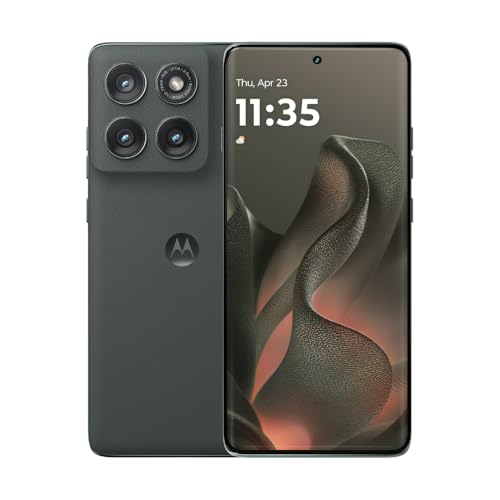
Motorola Moto Edge 2025 5G, 256GB + 8GB RAM, Deep Forest – Unlocked (Renewed)
6.7" pOLED Endless Edge Display, FHD+ 1220 x 2712px, 444ppi, AMOLED, 10-bit; Over a billion shades of color,…
As an affiliate, we earn on qualifying purchases.
As an affiliate, we earn on qualifying purchases.
Market Share and User Distribution

Although Android dominates the global smartphone market with approximately 72.5% share as of late 2025, iOS maintains a strong presence in certain regions, especially in North America and the UK where it holds about 58% of the market. You’ll find that most iOS users are concentrated in developed countries, where premium devices are more accessible. Meanwhile, Android’s larger share reflects its dominance in emerging markets like India, Africa, and Southeast Asia, where affordability and device variety matter most. Over 3 billion Android devices are active worldwide, compared to over 1 billion iOS devices. This distribution influences app development, revenue potential, and user engagement, shaping the global landscape of mobile technology. Your experience may vary greatly depending on your region and device preferences. Additionally, the high refresh rates supported by many Android devices can enhance media consumption and gaming experiences compared to some iOS devices.

Selfieshow Selfie Stick Tripod Remote, Wireless Remote Shutter for Smartphones Monopod Accessories Compatible with iOS & Android Devices, Compact and Portable Design
SELFIES & GROUP PHOTOS: Transform your photography experience with this wireless phone remote control selfie button. Capture stunning…
As an affiliate, we earn on qualifying purchases.
As an affiliate, we earn on qualifying purchases.
Regional Dominance and User Preferences

Regional preferences heavily influence the dominance of iOS and Android. In North America and the UK, you’ll find iOS thriving, with over 52% market share and loyal users who appreciate seamless integration. Conversely, in emerging markets like India, Africa, and Southeast Asia, Android dominates, offering affordability and diverse device options. China’s market shows a shift, with Huawei’s HarmonyOS gaining ground. Here’s a snapshot:
| Region | Dominant OS | User Preference |
|---|---|---|
| North America | iOS | Premium, ecosystem loyalty |
| Emerging Markets | Android | Affordability, device diversity |
| China | HarmonyOS | Local brand preference |
| Global Tablets | Both (close) | Preference varies by use case |
Your choices are shaped by regional factors, device availability, and local trends. Understanding regional markets helps explain why certain operating systems prevail in specific areas.
Android 16 User Guide for Beginners: Complete Manual to Set Up Your Smartphone, Master AI Features, Customize Settings, Manage Apps, Improve Battery … Guides Collection for Seniors and Beginners)
As an affiliate, we earn on qualifying purchases.
As an affiliate, we earn on qualifying purchases.
Revenue Generation and Monetization Strategies

Despite its smaller market share, the iOS ecosystem generates markedly higher revenue through app sales and in-app purchases. You’ll find that developers prioritize iOS because of its lucrative monetization opportunities, with Apple’s App Store earning around $87 billion in 2025. iOS users tend to spend more per app, boosting revenue for developers and publishers. Apple’s focus on premium hardware and seamless integration encourages higher spending, especially on in-app content and subscriptions. Conversely, Android’s revenue growth is steadier due to its larger user base but lower average spending. Its open-source nature enables more free or ad-supported apps, diversifying monetization strategies. Overall, iOS’s closed ecosystem and user spending habits make it the more profitable platform for developers seeking high returns. Transparency in cookie usage and data handling further supports user trust and engagement, enhancing monetization potential.
LISEN for Magsafe Car Mount, Magnetic Phone Holders for Your Car Vacuum, Phone Mount for Car Accessories for Women Men Jeep BMW, Suction Phone Holder Gifts Kits, for iPhone 17 Pro Max 16 15 14 13 12
Super Stable — Strong Suction + Nano Adhesive | Our car phone mount features a 6-layer suction cup…
As an affiliate, we earn on qualifying purchases.
As an affiliate, we earn on qualifying purchases.
Ecosystem Integration and User Loyalty

The strength of an operating system often hinges on how well it integrates with other devices and services, fostering user loyalty. iOS excels in creating a seamless experience across Apple’s ecosystem, allowing you to effortlessly switch between iPhone, iPad, Mac, Apple Watch, and AirPods. This tight integration means your notifications, messages, and calls stay synchronized, regardless of device. Continuity features like Handoff let you start a task on one device and finish on another, increasing convenience and dependence. Apple’s ecosystem encourages you to stay within its environment, making it less appealing to switch to other platforms. As a result, iOS users tend to develop strong brand loyalty, driven by the ease of use and interconnected experience that keeps you engaged and invested. Additionally, smart home integration further consolidates user reliance on Apple’s ecosystem, allowing for more streamlined control over connected devices throughout the home.
Hardware Diversity and Device Range
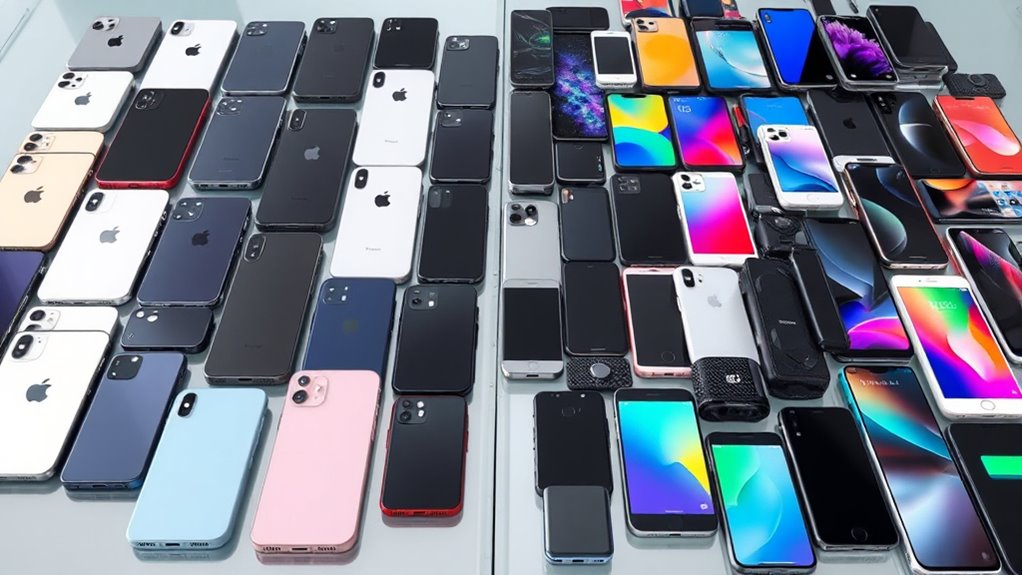
You’ll notice that Android offers a wide variety of devices, from budget models to premium flagships, giving you more options to fit any budget. In contrast, Apple primarily focuses on high-end phones but has recently introduced more affordable options like the iPhone SE. Hardware innovation also differs, with Android manufacturers pushing features like foldable screens and larger batteries, while Apple emphasizes optimized performance within a limited range. Additionally, the portable restroom solutions landscape reflects a similar diversity, offering tailored options to meet various event and user needs.
Device Variety and Options
Android offers a vast array of devices that cater to every budget and preference, giving you more choices than any other platform. You can find phones with different screen sizes, hardware features, and innovative designs, from foldables to rugged models. Manufacturers like Samsung, Google, and OnePlus produce devices at various price points, ensuring accessibility worldwide. This diversity means you’re not limited to a narrow selection; instead, you can pick devices that match your specific needs, whether it’s a budget phone with basic features or a flagship with cutting-edge technology. Android’s open ecosystem encourages innovation, resulting in models with different battery capacities, camera setups, and form factors. This wide variety makes Android appealing if you want customizable options and hardware tailored to your lifestyle. Additionally, the hardware diversity available on Android fosters competition and accelerates technological advancements across the industry.
Price Range Spectrum
Smartphone manufacturers offer a wide spectrum of devices that cater to various budgets and preferences, making it easy to find options suited to your financial situation and needs. Android’s hardware diversity means you can choose from budget models under $200, mid-range phones around $400–$600, or premium flagship devices exceeding $1,000. This range allows you to prioritize features like large screens, foldable designs, or extended battery life without breaking the bank. In contrast, iPhones tend to be higher-priced, focusing on premium segments, but recent releases like the iPhone SE provide more affordable options around $400–$500. Apple’s device range is narrower but tightly controlled, ensuring consistency and quality across models. Whether you want affordability or top-tier performance, both ecosystems offer choices to match your financial plans. Additionally, the hardware diversity across Android devices enables innovation in form factors and hardware capabilities, giving consumers more options tailored to their specific needs.
Hardware Innovation Trends
The landscape of device hardware continues to evolve rapidly, driven by both innovation and market demands. You’ll notice Android offers a vast array of devices, from budget models to premium flagships, featuring diverse screen sizes, foldable options, and battery capacities. This hardware variety caters to different user needs and price points worldwide. In contrast, Apple maintains a more controlled lineup, focusing on high-quality, optimized devices like the iPhone and iPad, with fewer models but consistent performance. Recent trends include Apple’s introduction of more affordable options like the iPhone SE, while Android manufacturers push boundaries with foldables and innovative designs. Overall, Android’s hardware diversity fuels accessibility and customization, whereas Apple emphasizes premium build quality and seamless integration across a limited, curated lineup.
Software Development and App Ecosystems

Developers often choose between iOS and Android platforms based on their development environment, app monetization potential, and target audience. With iOS, you benefit from a streamlined development process using Xcode and Swift, along with strict App Store guidelines that help guarantee quality and security. This environment typically yields higher revenue per user, making it attractive for monetization. Android’s open-source platform allows broader distribution across diverse devices, giving you access to a larger global audience, especially in emerging markets. However, fragmentation across OS versions and hardware can complicate development. Both platforms are rapidly evolving, emphasizing privacy, security, and user experience. Your choice depends on whether you prioritize higher monetization returns or wider reach and customization options. Understanding privacy policies and user data management is also crucial when developing for either ecosystem to ensure compliance and build user trust.
Device Price Segments and Market Penetration
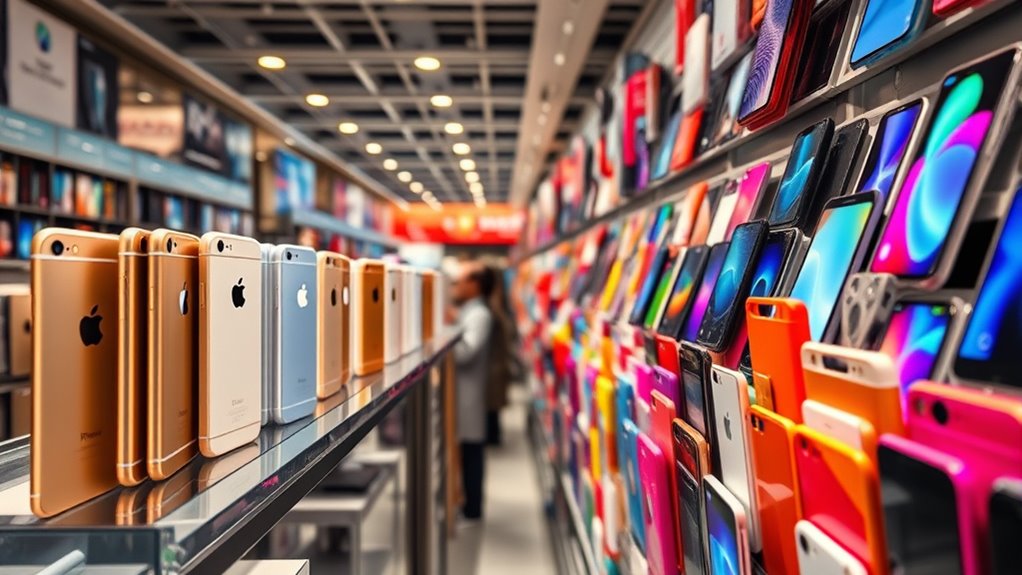
While Android dominates with a vast range of devices spanning all price segments, iOS remains primarily focused on the premium market, though recent efforts aim to expand its reach with more affordable models like the iPhone SE. Android’s open ecosystem allows manufacturers to produce budget phones, mid-range devices, and flagship models, making it accessible in both developed and emerging markets. This diversity helps Android capture a larger global user base, especially in regions like India and Africa. Conversely, iOS devices mostly target higher-income consumers, with premium pricing reflecting their brand positioning. However, the introduction of the iPhone SE shows Apple’s intent to penetrate more price-sensitive segments. Despite this, Apple’s market penetration remains concentrated in wealthier regions, supporting its reputation as a premium ecosystem. Additionally, market segmentation strategies enable both ecosystems to target specific consumer groups effectively.
Future Trends and Industry Outlook

Emerging technologies and shifting consumer preferences are shaping the future of iOS and Android ecosystems, driving innovation and competitive dynamics. You can expect continued integration of AI, augmented reality, and 5G, which will enhance user experiences across both platforms. Apple’s focus on privacy and seamless device connectivity will likely strengthen ecosystem loyalty, while Android’s open-source approach will foster more hardware and software innovation. Industry outlook suggests increased adoption of foldable devices, eSIM technology, and smarter IoT integration, expanding each ecosystem’s reach. As both companies invest in sustainable practices and enhanced security, you’ll see differentiation based on user needs—premium experiences versus customization and affordability. A dedicated focus on power tools and heavy-duty equipment in industry sectors highlights the importance of innovation and safety standards, which also influence mobile device development and integration. Expect competition to intensify, with each platform pushing to set new standards in mobility, connectivity, and personalized digital environments.
Frequently Asked Questions
How Do Privacy Features Differ Between Ios and Android?
You’ll find that iOS emphasizes privacy with features like App Tracking Transparency, which asks for your permission before apps track you across other apps and websites. Apple also offers robust data encryption and privacy labels on apps. Android provides customization options, but its open-source nature means privacy controls vary across devices and manufacturers. Google has introduced privacy features, but overall, iOS tends to prioritize user privacy more consistently.
What Are the Security Implications of Open-Source Android?
Open-source Android opens opportunities but also invites vulnerabilities. Because the platform’s open nature allows customization, malicious actors can exploit weaknesses more easily. You might face more malware risks, inconsistent security updates, and fragmented protections across devices. While customization can be convenient, it’s vital to stay vigilant—install updates promptly, use trusted sources, and prioritize security settings—so your device remains protected in the unpredictable universe of open-source Android.
How Does App Store Regulation Impact Developer Strategies?
App store regulation considerably shapes your developer strategies. You need to navigate strict guidelines on iOS, which can slow down app approval but guarantee high-quality standards. On Android, the open environment allows faster releases and broader distribution, but you must manage more security risks and fragmentation. You’ll prioritize compliance, optimize for different devices, and tailor monetization approaches to maximize visibility and revenue within each platform’s constraints.
What Role Do Emerging Technologies Like AR Play in Both Ecosystems?
AR transforms both ecosystems, but you’ll notice differences. Apple’s seamless integration with ARKit offers polished, immersive experiences that boost user engagement and encourage device upgrades. Meanwhile, Android’s open platform allows developers to experiment freely, fostering innovative AR apps across diverse devices. You benefit from Apple’s consistency and high-quality AR, while Android’s flexibility provides broader hardware compatibility. Both ecosystems push AR forward, but Apple emphasizes premium experiences, and Android champions accessibility and experimentation.
How Do Regional App Preferences Influence Platform Dominance?
Regional app preferences notably shape platform dominance. In North America and the UK, you’ll find a strong preference for iOS apps, especially those related to productivity and entertainment, boosting iOS’s market share. Conversely, in emerging markets like India and Africa, Android’s affordability and broader app variety attract users, making it more dominant. Your choice depends on regional app availability, cultural trends, and local device affordability, influencing overall platform success.
Conclusion
As you navigate the bustling crossroads of iOS and Android, imagine stepping into a vibrant marketplace filled with diverse devices and endless apps. The battle for supremacy continues to shape your mobile experience, blending sleek innovation with expansive accessibility. Whether you choose the seamless harmony of Apple’s ecosystem or the customizable freedom of Android, remember that each offers a unique journey. Ultimately, your choice paints a vivid picture of the future, a canvas where technology meets your daily life.