Choosing an unbarred phone gives you more flexibility to switch carriers, use international SIMs, and avoid bloatware, which can improve performance and software updates. Although it may cost more upfront, it can save money long-term with better resale value and fewer restrictions. Carrier phones often have lower initial prices but include carrier-specific apps and delays in updates. To find out which option best fits your lifestyle and budget, explore the details below.
Open a free Amazon Business account
Business pricing, bulk buying and tax-exempt orders.
As an affiliate, we earn on qualifying purchases.
Key Takeaways
- Unlocked phones offer greater carrier and network flexibility, ideal for international travel and switching providers easily.
- They typically receive faster software updates, enhancing security and performance over carrier-locked devices.
- Unlocked phones have fewer pre-installed apps and bloatware, providing a cleaner user experience and more customization options.
- Purchasing unlocked often involves higher upfront costs but can lead to better resale value and long-term savings.
- Carrier phones may be cheaper initially due to subsidies but can limit flexibility, delay updates, and include unwanted carrier-specific software.

Samsung Galaxy A16 4G Dual SIM (128GB, 2025) 6.7" 90Hz AMOLED, Splash Resistant, 8Core, 50MP Camera (Factory Unlocked International Model for GSM, Global) A165M/DS (25W Fast Charger Bundle, Grey)
- Network Compatibility: GSM networks worldwide, US T-Mobile only
- Display: 6.7-inch AMOLED, 90Hz, Full HD+
- Brightness: 800 nits for sunlight visibility
As an affiliate, we earn on qualifying purchases.
As an affiliate, we earn on qualifying purchases.
Network Compatibility and Carrier Flexibility
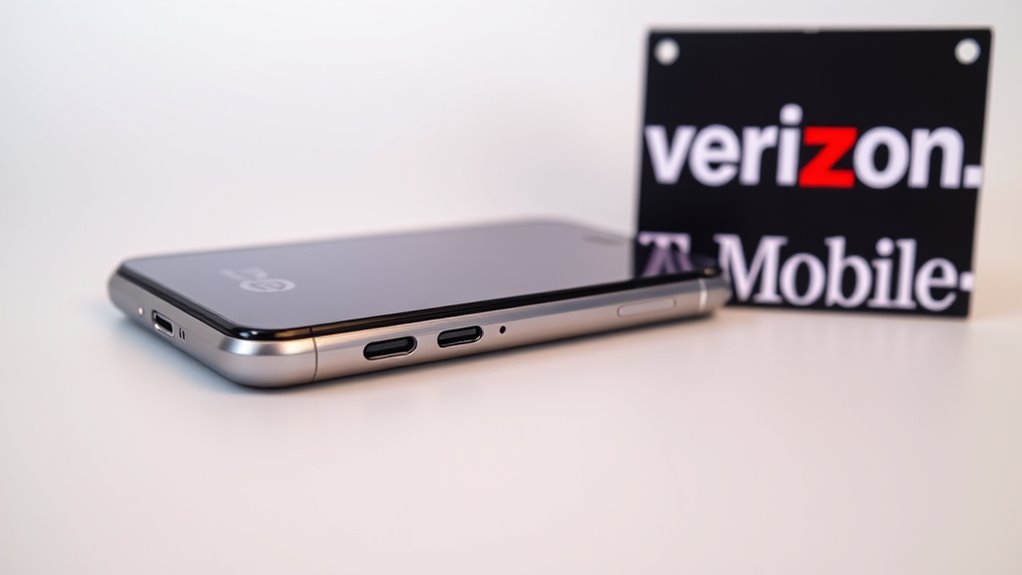
Unblocked phones offer you the flexibility to switch between different carriers easily because they work with any compatible GSM or CDMA network. This means you’re not tied to a single provider’s restrictions, allowing you to choose the best coverage and plans available. Carrier-locked phones limit you to one specific carrier unless you go through the unlocking process, which can be time-consuming or complicated. With an unlocked device, you can swap SIM cards from different carriers whenever you want, making it ideal for frequent travelers or those who want to compare plans. Plus, factory-unlocked phones are compatible with international SIM cards, so you can use them across multiple countries without hassle. This flexibility guarantees you’re in control and can adapt your network choices to fit your needs. Network compatibility is a key benefit that ensures your device functions seamlessly across various providers and regions.

Rogue R67S Unlocked 4G LTE Smartphone, 6.8-Inch HD+, Android 15 Go
- Network Compatibility: Supports major LTE bands for reliable connectivity
- Large HD+ Display: 6.8-inch IPS screen for immersive viewing
- Efficient Performance: Octa-core processor with 3GB RAM and Android 15 Go
As an affiliate, we earn on qualifying purchases.
As an affiliate, we earn on qualifying purchases.
Upfront Costs and Long-Term Financial Impact
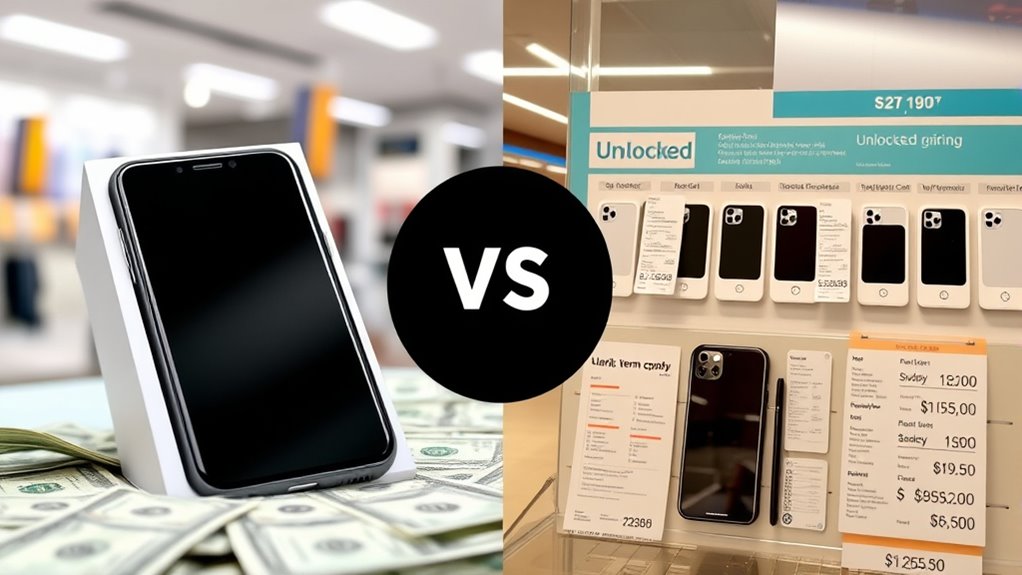
While accessible phones offer network flexibility, their initial cost can be considerably higher than carrier-locked options. You’ll pay the full price upfront, usually between $799 and $1,299, depending on the model. In contrast, carrier phones often cost less initially—10-20% less—thanks to subsidies and promotional deals. However, carrier-locked phones are typically financed through 24- to 36-month installment plans with 0% interest, spreading out payments. Over time, these plans can add up, potentially making the total cost higher than buying an accessible device outright. Additionally, accessible phones purchased from third-party retailers can sometimes be cheaper than carrier offers. While the upfront expense is steeper, owning an accessible phone may save you money long-term, especially if you switch carriers frequently.
Furthermore, understanding the impact of contrast ratio and other display features can influence your overall satisfaction with your purchase.
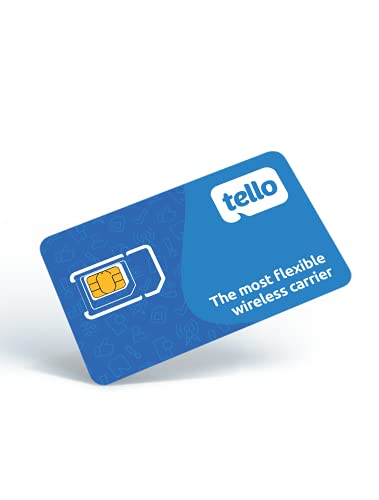
Tello Mobile – US Prepaid SIM Card (3 in 1) | Bring Your Own Phone Kit | Phone Plans Starting at $5/mo up to $25/mo | Nation-Wide 4G LTE/5G Coverage
- No Contract Required: Flexible plans from $5 to $25/month
- Universal SIM Card: Includes nano, micro, and standard sizes
- Nationwide 5G Coverage: Connect coast to coast on 5G network
As an affiliate, we earn on qualifying purchases.
As an affiliate, we earn on qualifying purchases.
Software Updates and System Performance
Uncensored phones get software updates straight from the manufacturer, so you receive them faster. Carrier-locked devices often face delays because updates must go through carrier testing and approval. Plus, unlocked phones tend to boot quicker and have more available storage since they aren’t bogged down with pre-installed carrier apps. Additionally, Free Floating design allows for more customization and flexibility in device usage.
Update Speed Differences
Software updates tend to arrive more quickly on unblocked phones because they receive firmware directly from manufacturers without carrier testing delays. This means you get the latest security patches, bug fixes, and feature improvements sooner. Carrier-locked devices often experience delays because updates must go through carrier approval processes, which can take weeks or even months. These delays can leave your device vulnerable or missing out on new features longer than unblocked models. Additionally, unblocked phones typically boot faster after updates and have more available storage, as they don’t include carrier-specific bloatware that could slow down the update process. Overall, choosing an unblocked phone means you stay current with system updates and enjoy faster access to the latest software improvements. Firmware updates are also less likely to be interrupted or compromised when they come directly from the manufacturer.
Bloatware Impact on Performance
Bloatware considerably impacts a device’s performance by consuming valuable processing power and storage space. Carrier-locked phones often come preloaded with apps and services that you don’t need, slowing down boot times and reducing available memory. These unnecessary applications can run in the background, draining battery life and causing lag during everyday tasks. Additionally, bloatware delays software updates because carriers must test and approve each release, leading to slower security patches and system improvements. In contrast, unlocked phones receive updates directly from manufacturers, ensuring faster system performance and enhanced security. With minimal pre-installed apps, unlocked devices offer cleaner software environments, which translate into quicker boot times, more available storage, and a smoother user experience overall. Furthermore, reducing pre-installed bloatware can improve a device’s overall longevity and reliability by minimizing unnecessary background processes.
Storage and Boot Times
Because unlocked phones receive updates directly from manufacturers, they typically boot faster and run more efficiently than carrier-locked devices. Without carrier-specific modifications, your device’s software remains cleaner, reducing startup times. Bloatware and pre-installed carrier apps often slow down boot processes and consume storage, impacting overall performance. Unlocked phones also tend to have quicker access to security patches, keeping your system secure without delays caused by carrier testing. Since they ship with minimal pre-installed software, unlocked devices offer more available storage and smoother operation. This streamlined setup means fewer background processes and less clutter, resulting in faster boot times and better system responsiveness. Additionally, software updates are often more timely and less delayed on unlocked devices, ensuring you get the latest features and security improvements sooner. Overall, choosing an unlocked phone guarantees you get a more optimized, efficient system right out of the box.

CostMvp S25Ultra 4G Smartphone Unlocked, Android 12.0 Mobile Phones 6.6'' HD+ Display, 4GB RAM 32GB ROM/256GB SD, 4G Dual SIM Dual Camera, Face ID+WiFi+BT+FM+GPS+OTG (Black)
- Large HD Display: 6.6-inch In-Cell HD screen with vivid colors
- Powerful Performance: MediaTek quad-core, 4GB RAM, 32GB storage
- Expandable Storage: Supports microSD cards up to 256GB
As an affiliate, we earn on qualifying purchases.
As an affiliate, we earn on qualifying purchases.
Pre-Installed Applications and User Experience
When you choose a carrier-locked phone, you’re often stuck with pre-installed applications and proprietary services that come directly from the carrier. These apps take up storage space, slow down your device, and clutter your home screen. Carrier branding adds unnecessary navigation tools and widgets that may conflict with your preferred apps. Unlocked phones, on the other hand, come with minimal pre-installed software—mostly just the manufacturer’s interface and essential tools—giving you a cleaner, more streamlined experience. Additionally, uninstalling carrier apps can be difficult or impossible, leaving you with unwanted bloatware. This not only hampers performance but also makes customizing your device frustrating. Overall, unlocked phones provide a more efficient, user-friendly experience free of carrier-specific clutter. Affiliate disclosures and privacy policies are also less intrusive on unlocked devices, allowing greater control over your data and advertising preferences.
Resale Value and Secondary Market Performance

Unblocked phones generally fetch higher resale prices because they appeal to a broader range of buyers across different carriers. When you’re ready to sell, an unlocked device attracts more potential buyers, often leading to better offers. You’ll find that unlocked iPhones, for example, sell for 10-20% more than carrier-locked models. Plus, their compatibility with multiple networks makes them more versatile and desirable in secondary markets. This wider appeal means you won’t limit your buyer pool when it’s time to upgrade or cash out. Additionally, unlocked phones often retain their value better over time, especially if they support both GSM and CDMA technologies. This flexibility allows you to maximize your device’s resale potential and get the most value from your investment. Design and functionality are key factors that impact a device’s long-term value and marketability.
Support Services and Customer Assistance
Support services and customer assistance vary considerably between unlocked and carrier-locked phones. With carrier phones, you benefit from dedicated support, in-person help at stores, and troubleshooting tailored to your device and network. Carriers often provide proprietary insurance plans and quick access to technical support, making device management straightforward. In contrast, unlocked phones lack carrier-specific customer service; you rely on manufacturer support, which may involve longer wait times or less personalized assistance. If you’re less tech-savvy, carrier support can simplify troubleshooting and repairs. However, if you prefer flexibility and are comfortable handling issues independently, unlocked phones offer the advantage of direct manufacturer help and broader service options. Overall, your choice hinges on whether you value immediate, carrier-focused support or independent, device-specific assistance. Additionally, support for support breakfast options can enhance your overall experience with either type of device choice.
Device Customization and Bloatware
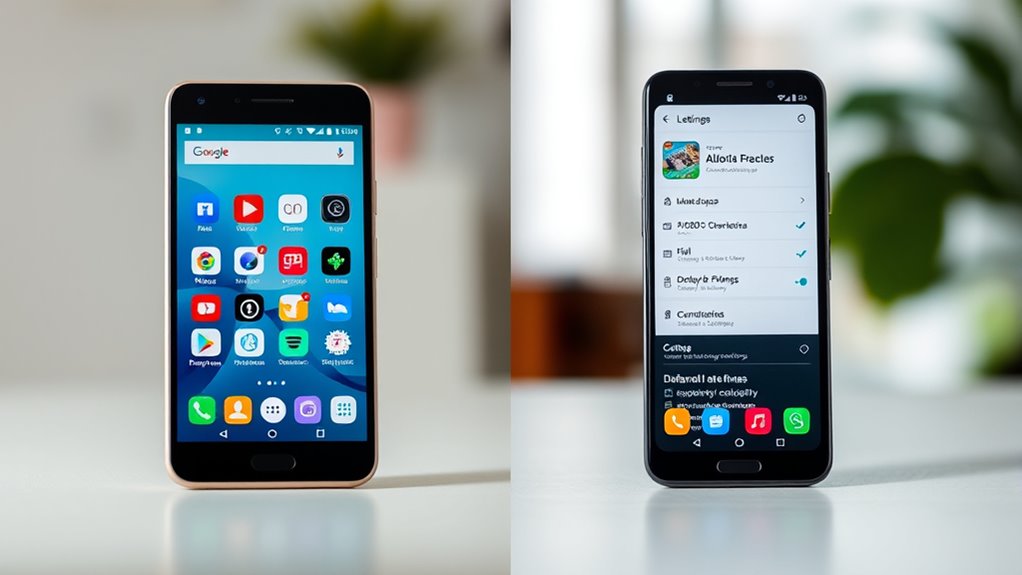
Device customization options often differ markedly between unlocked and carrier-locked phones. When you buy an unlocked device, you get a cleaner software experience with fewer pre-installed apps, giving you more control over your device. Carrier phones, however, come with pre-loaded carrier-specific applications and branding that can clutter your home screen and slow performance. These apps often consume storage and may be difficult to uninstall, reducing your device’s flexibility. Additionally, carrier customization can limit your ability to modify settings or install custom software. With an unlocked phone, you can personalize your device more freely, removing unnecessary apps and tweaking settings without restrictions. This freedom enhances user experience and guarantees your device runs smoothly, free from the bloatware that often comes with carrier-locked models. Understanding device flexibility is essential for choosing the best phone for your needs.
International Usage and Travel Considerations

When traveling abroad, your phone’s compatibility with local networks can make a big difference. An unblocked device lets you use SIM cards from different countries, saving you money on roaming fees. With the right setup, you can switch carriers easily and stay connected without hassle. Additionally, choosing an energy-efficient cloud server can ensure your data remains secure and sustainable during your travels.
Compatibility Across Countries
Unblocked phones are often the better choice for international travelers because they can use SIM cards from virtually any country, making it easy to stay connected without relying on a specific carrier. This flexibility means you can switch networks easily depending on your location, avoiding expensive roaming fees. With an liberated phone, you can buy a local SIM card in any country, often at lower rates. Additionally, unlocked phones typically support modern wireless standards like LTE and 5G, ensuring faster data speeds and better network compatibility worldwide.
- Compatible with both GSM and CDMA networks worldwide
- Easily swap SIM cards across countries and carriers
- Avoid locked-in carrier restrictions and fees
- Access a broader range of international plans and providers
This versatility helps you stay connected, save money, and avoid hassle when traveling abroad, making unlocked phones a practical choice for global usage.
Sim Card Flexibility
If you frequently travel internationally, choosing a phone with flexible SIM card options is essential. Unlocked phones let you swap SIMs from different carriers and countries easily, giving you more control over your plans and costs abroad. You can buy local SIM cards to avoid high roaming charges and get better data rates, which isn’t always possible with carrier-locked phones. Carrier phones often restrict you to a single provider, limiting your options when traveling. With an open device, you can switch SIM cards on the fly, ensuring seamless connectivity wherever you go. This flexibility saves you money and hassle, especially during longer trips or frequent travel. Plus, it allows you to choose plans tailored to your needs without being tied to your carrier’s restrictions. Master Your Smartphone and Accessories With Easy Tips
Roaming Cost Savings
Choosing an open phone can greatly reduce your roaming costs while traveling internationally. With an unlocked device, you can easily buy local SIM cards at your destination, avoiding hefty international roaming fees. This flexibility lets you select plans with larger data allowances or cheaper calls, saving you money. You can also switch between providers as needed, ensuring you get the best coverage and rates during your trip. Additionally, understanding auditory processing can help you better navigate new environments and communication challenges abroad.
Making the Best Choice for Your Needs
Deciding between an open and a carrier-locked phone depends on your specific needs and priorities. If you value flexibility, want to switch carriers easily, or travel internationally, an unlocked phone is ideal. It offers compatibility with multiple networks, faster updates, and a cleaner software experience. Plus, it typically has a higher resale value. However, unlocked phones require paying the full price upfront, which can be a significant initial investment. On the other hand, carrier-locked phones often come at a lower upfront cost and may include promotional plans or installment options. If you prefer in-person support, guaranteed network performance, or plan to stay with one carrier for an extended period, a carrier phone might suit you better. Weigh these factors to choose the option that aligns with your usage and budget. Additionally, considering vetted wave and wind can help ensure your phone’s connectivity and durability in different environments.
Frequently Asked Questions
Can I Upgrade a Carrier-Locked Phone to Unlocked Later?
Yes, you can upgrade a carrier-locked phone to liberated later. You typically need to meet your carrier’s requirements, such as paying off the device or completing your contract. Once fulfilled, you can request an unlock code or process through your carrier’s customer support. Keep in mind, some carriers might charge a fee or have specific waiting periods, but unlocking your device gives you the freedom to switch carriers freely.
Are Unlocked Phones More Vulnerable to Security Threats?
Think of your unfastened phone as a fortress with open gates—more exposed to threats. While unfastened devices get quicker security updates, they can be more vulnerable if you neglect regular patches. Carrier-locked phones sometimes delay updates, but carriers often provide added security layers. Ultimately, your safety depends on keeping your software current, regardless of your phone’s locked or unfastened status. Stay vigilant, update regularly, and your device remains protected.
How Do Warranty Services Differ Between Unlocked and Carrier Phones?
You get better warranty services with carrier phones because carriers often include in-store support, dedicated repair programs, and sometimes enhanced coverage options. Unlocked phones rely on manufacturer warranties, which may require mailing in for repairs and lack local support. Carrier warranties are usually easier to access and faster, especially if you have carrier insurance. Overall, carrier services tend to be more convenient for repairs and troubleshooting, giving you quicker, more direct assistance.
What Are the Best Options for International Travelers With Unlocked Phones?
As an international traveler, choosing an unblocked phone is your best option. You can pop in local SIM cards wherever you go, avoiding costly roaming fees. This flexibility means you stay connected without hassle, no matter the country. Plus, unblocked phones work with both GSM and CDMA networks globally, making them versatile. You’ll save money and enjoy seamless coverage, so you can focus on your trip instead of network worries.
Do Unlocked Phones Support All Carrier-Specific Features and Technologies?
Unblocked phones generally support most carrier-specific features and technologies, but it’s not guaranteed. You need to check if the device is compatible with the carrier’s network bands, VoLTE, Wi-Fi calling, and 5G services. Some features might be limited or unavailable if the phone isn’t optimized for certain networks. To guarantee full functionality, verify the device’s specs match the carrier’s technology requirements before buying.
Conclusion
Choosing between an unlocked phone and a carrier phone is like picking the right tool for a job—you want one that fits your needs perfectly. An unlocked phone offers the freedom to switch carriers and customize your experience, while a carrier phone may come with perks and easier support. Think of it as planting a seed; the right choice helps your mobile experience grow strong and vibrant, tailored just for you.
Back to school Picks
back to school
As an affiliate, we earn on qualifying purchases.