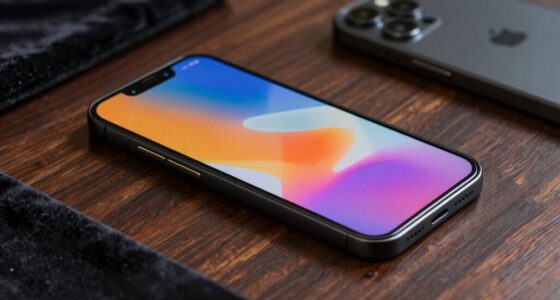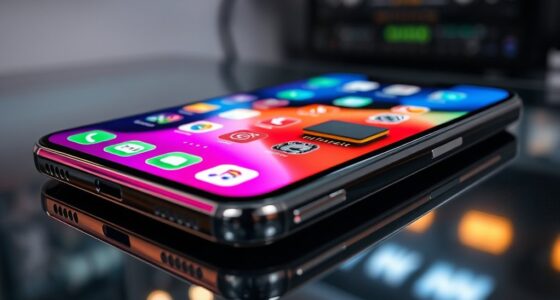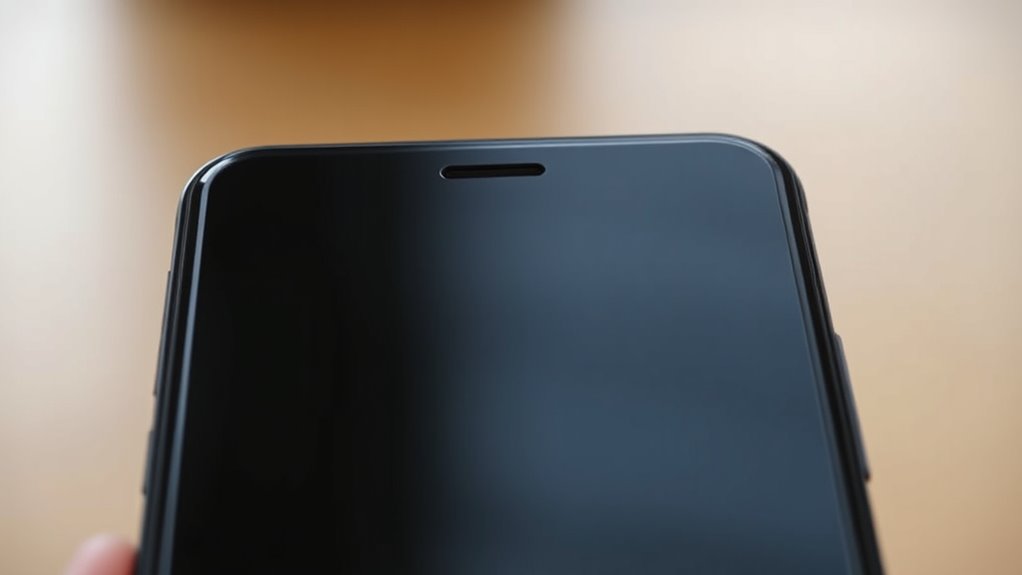

Under-display selfie cameras aim to create seamless, notch-free screens by hiding the camera beneath the display. While they offer a sleek design and immersive experience, some challenges like image quality and artifacts still exist. These technologies show promise for the future of smartphones, blending aesthetics with functionality. Whether they become standard or remain a gimmick depends on ongoing advancements. Curious about how this innovation might reshape your device? Keep exploring to discover more.

Get the latest gadgets delivered free with Prime
- Fast, free delivery on millions of items
- Prime Video, Amazon Music and more included
- Member-only deals all year
Key Takeaways
- Advances in materials and display engineering are steadily improving under-display camera transparency and image quality.
- Current limitations, like reduced brightness and artifacts, suggest the technology is still evolving rather than fully mature.
- Under-display selfie cameras aim to replace notches and punch-holes, offering a seamless, immersive screen experience.
- Ongoing research indicates potential for future devices to combine aesthetic appeal with high-quality front imaging.
- While promising, the technology is not yet mainstream and may still be considered a gimmick until fully optimized.
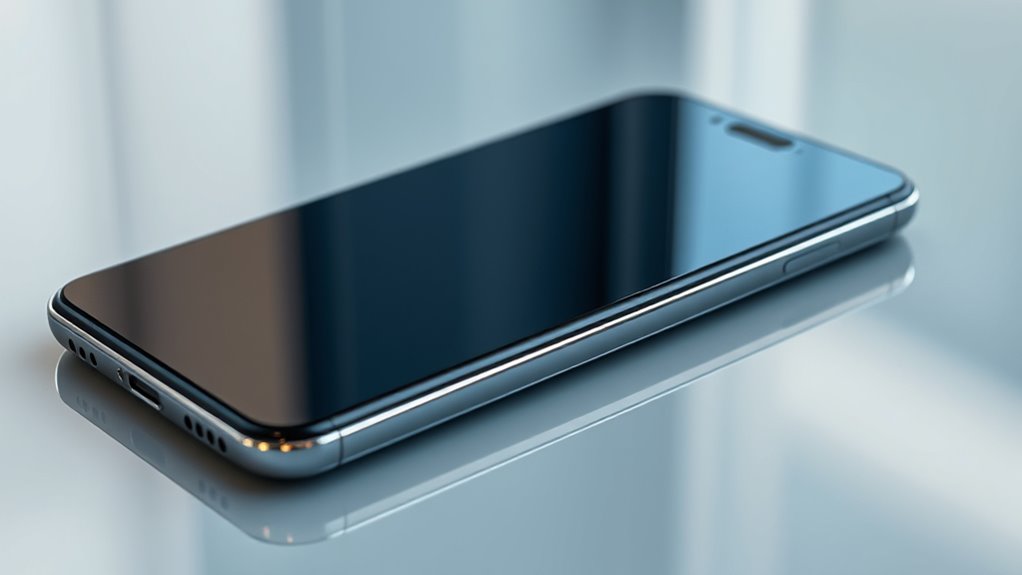
Under-display selfie cameras are revolutionizing smartphone design by hiding the front-facing camera beneath the screen, giving you a seamless display experience. This innovation aims to eliminate the notch, punch-hole, or slider mechanisms that have long disrupted the clean look of modern screens. Instead, the camera becomes virtually invisible, blending into the display for a more immersive visual experience. The key to this advancement lies in achieving high camera transparency and seamless display integration, so your phone’s screen remains visually uninterrupted while still capturing clear selfies.
With camera transparency, manufacturers focus on developing materials and components that let more light pass through the display to the camera sensor beneath. This transparency is critical because it directly impacts the quality of your selfies. If the display isn’t sufficiently transparent, images can appear dull, with reduced detail and color accuracy. Achieving optimal transparency involves using specialized materials, such as transparent OLED layers, that minimize visual distortion. This ensures that when you switch to selfie mode, your camera can still deliver crisp, vibrant images without compromising screen clarity or brightness.
Display integration is equally vital. It’s about designing the screen so that the camera area doesn’t stand out or create noticeable distortion. Manufacturers are experimenting with pixel arrangements, subpixel layering, and innovative display technologies to conceal the camera’s presence. The goal is to make the camera blend seamlessly into the overall display, so you don’t notice any difference when viewing or interacting with your phone. This requires precise engineering, as the display must support both high-quality visuals and transparency for the camera to function effectively.
However, achieving perfect display integration and camera transparency isn’t without challenges. There’s often a trade-off between screen quality and camera performance. Some early models have struggled with softer image quality, reduced brightness around the camera area, or visible artifacts. These issues can make the technology seem more like a gimmick rather than a true upgrade. Still, advancements in materials science and display engineering are steadily improving, bringing us closer to a future where under-display selfie cameras can deliver both aesthetic appeal and high-quality imaging. Additionally, ongoing research in display technology is key to overcoming these hurdles and unlocking the full potential of this innovative feature.
In essence, under-display selfie cameras hold the promise of a more immersive display, free from distracting cutouts or notches. The success of this technology hinges on how well manufacturers can optimize camera transparency and display integration. When perfected, your device will offer a truly seamless experience, combining innovative design with uncompromised functionality. Until then, it remains an exciting development that could reshape how smartphones look and operate, or simply a clever trick waiting to be perfected.
under display selfie camera smartphone
As an affiliate, we earn on qualifying purchases.
As an affiliate, we earn on qualifying purchases.
Frequently Asked Questions
How Durable Are Under-Display Selfie Cameras Compared to Traditional Ones?
You might find that under-display selfie cameras are less durable than traditional ones due to durability concerns linked to their design complexities. The delicate components beneath the screen can be more vulnerable to scratches, dust, and moisture. While manufacturers are improving their robustness, you should still handle these devices with care, as their unique placement and construction may not yet match the resilience of conventional front cameras.
Can Under-Display Cameras Capture High-Quality Photos in Low-Light Conditions?
Imagine trying to take a clear selfie in a dimly lit room; under-display cameras often struggle here. Due to resolution limitations and display interference, your photos may appear grainy or blurry. Low-light conditions challenge these cameras more than traditional ones, as they can’t always compensate for poor lighting. So, while innovative, under-display cameras still need improvements before they reliably capture high-quality photos in low-light environments.
What Are the Main Technical Challenges Facing Under-Display Camera Development?
You face main challenges like achieving high camera resolution, which is tough due to size constraints, and minimizing display interference that can distort images. Improving sensor sensitivity without compromising screen quality is complex, and ensuring consistent performance across different lighting conditions adds to the difficulty. Overcoming these hurdles requires innovative tech, so while promising, under-display cameras still have a way to go before they match traditional front cameras.
Will Under-Display Cameras Significantly Increase Smartphone Manufacturing Costs?
Yes, under-display cameras will likely increase manufacturing costs due to their design complexity. You’ll notice higher expenses because integrating these cameras requires advanced technology and precise engineering, which adds to production complexity. As a result, smartphones with under-display cameras may cost more initially. However, as technology matures and scales, manufacturing costs could decrease, making these features more affordable for consumers in the future.
Are There Privacy Concerns With Under-Display Selfie Cameras?
Yes, there are privacy concerns with under-display selfie cameras. You might worry about data encryption, as hackers could try to access facial recognition data or images captured by the camera. Additionally, with facial recognition technology integrated into these cameras, there’s a risk of unauthorized access or misuse of your biometric data. Ensuring strong encryption and secure access controls is vital to protect your privacy.
transparent OLED display for phones
As an affiliate, we earn on qualifying purchases.
As an affiliate, we earn on qualifying purchases.
Conclusion
While under-display selfie cameras promise a sleek, uninterrupted screen, some argue they compromise image quality. However, with rapid technological advancements, these cameras are steadily closing the gap. If you value seamless design without sacrificing functionality, it’s worth considering that this innovation isn’t just a gimmick but a glimpse into the future of smartphones. As the technology matures, you’ll likely find that the benefits outweigh the initial concerns, making under-display selfies a practical choice rather than a mere fad.
As an affiliate, we earn on qualifying purchases.
notchless smartphone with under display camera
As an affiliate, we earn on qualifying purchases.
As an affiliate, we earn on qualifying purchases.
Halloween Picks
halloween
As an affiliate, we earn on qualifying purchases.