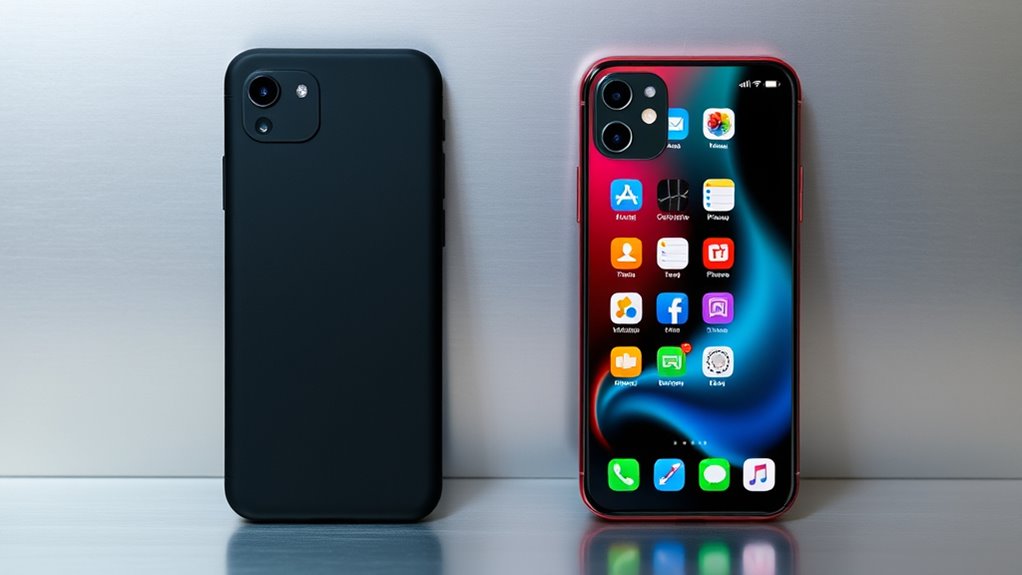

If you’re choosing between the Google Pixel 10 and iPhone 17, consider what matters most to you. The Pixel 10 excels in versatile photography and quick Android updates, offering rich customization and advanced computational features. Meanwhile, the iPhone 17 provides a polished ecosystem, top-tier camera quality, and long-term security. Both phones push technological boundaries, so your decision depends on your priorities. Keep going to uncover more details about these flagship rivals.

Get the latest gadgets delivered free — and shop member deals
- Fast, free delivery on millions of items
- Access to Prime Big Deal Days deals on October 6–7
- Prime Video, Amazon Music and more included
Key Takeaways
- Pixel 10 excels in advanced computational photography and quick Android updates, while iPhone 17 offers professional-grade camera features and seamless iOS performance.
- Pixel 10’s high refresh rate provides smoother visuals and more responsive interaction compared to iPhone 17’s focus on color accuracy and display quality.
- Both devices promise long-term security with at least five years of updates; Pixel emphasizes customization, iPhone prioritizes ecosystem integration.
- Pixel 10’s versatility in software and hardware contrasts with iPhone 17’s refined, polished user experience and professional video capabilities.
- Overall, Pixel 10 is ideal for photography enthusiasts and Android fans, whereas iPhone 17 caters to users seeking ecosystem stability and premium camera quality.
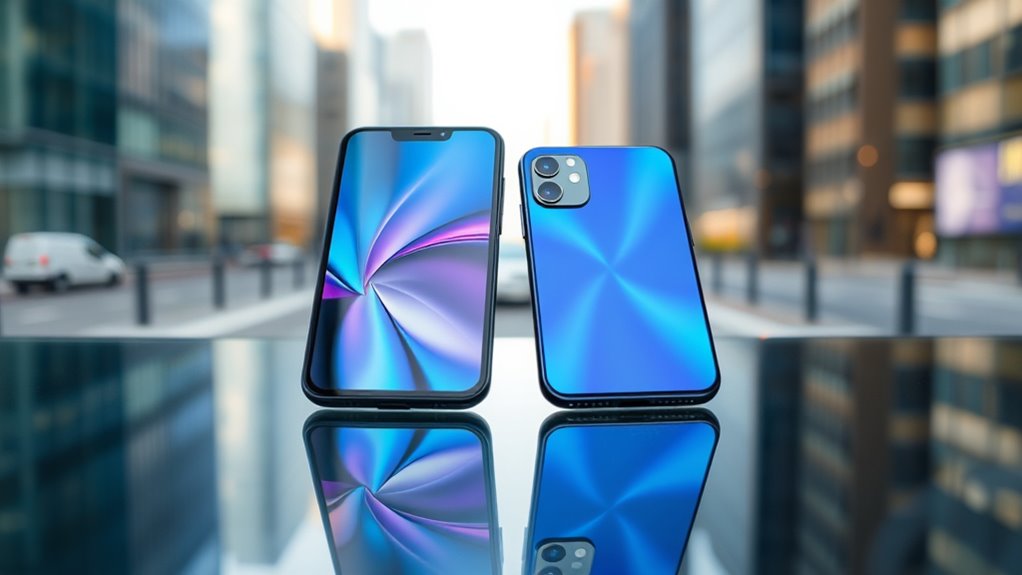
When choosing between the Google Pixel 10 and iPhone 17, you’re looking at two flagship smartphones that push the boundaries of technology. Each device offers impressive features, but their differences become clear when you consider aspects like camera performance and software updates. If capturing stunning photos is your priority, the Pixel 10’s camera system is designed for versatility. It boasts advanced computational photography, including improved Night Sight and Super Res Zoom, making it easier for you to snap clear, vibrant images even in challenging lighting conditions. The Pixel’s software algorithms are optimized for real-time editing, giving you more control over your shots. In contrast, the iPhone 17 continues Apple’s tradition of top-tier camera quality, featuring a refined sensor array and cinematic mode that produces professional-looking videos with ease. Its color science and HDR capabilities deliver natural, true-to-life images that appeal to both casual users and professional creators. While both phones excel in camera performance, your choice might hinge on how you prefer to shoot and edit your photos. Additionally, the Pixel 10’s use of high refresh rates can contribute to smoother visual experiences, especially when scrolling or gaming on the device.
Software updates are another essential factor. With the Pixel 10, you receive timely updates directly from Google, often faster than many Android competitors. Google promises at least five years of security patches and OS updates, ensuring your device stays secure and current. The Pixel’s clean Android interface is designed for simplicity and customization, providing you with an intuitive experience that remains fresh and responsive over time. On the other hand, the iPhone 17 benefits from Apple’s robust update schedule, which typically rolls out across devices simultaneously. Apple’s iOS updates are well-supported for several years, often longer than Android devices, and they introduce new features alongside security patches. This means your iPhone stays optimized, secure, and feature-rich long after you’ve purchased it. The seamless integration of hardware and software in the iPhone often results in a more polished experience, especially when it comes to new features and security enhancements.
Ultimately, your decision may come down to how much value you place on camera performance and software updates. The Pixel 10 offers a more flexible, Android-based experience with quick updates and a focus on photography. Meanwhile, the iPhone 17 delivers a highly polished, secure ecosystem with a camera system that’s trusted by many professionals. Both phones push technological boundaries, but understanding their strengths in these key areas helps you make a choice that best fits your needs.
Google Pixel 10 camera accessories
As an affiliate, we earn on qualifying purchases.
As an affiliate, we earn on qualifying purchases.
Frequently Asked Questions
Which Phone Offers Better Software Updates Longevity?
You’ll find that iPhones generally offer better software support and longer update frequency than Pixels. Apple provides software updates for about five to six years, ensuring your device stays secure and current. Google Pixel, however, typically offers three years of software support and updates. So, if longevity and consistent software support matter most, the iPhone is the better choice for staying up-to-date over time.
How Do the Cameras Compare in Low-Light Conditions?
Your camera experience in low-light conditions is like stepping into a dark maze with a flashlight. The Pixel 10 excels in night photography, offering stunning low light clarity that captures detail and color vividly. Meanwhile, the iPhone 17 also performs well but sometimes struggles with noise and brightness in very dark scenes. Overall, if night photography is your priority, the Pixel 10 provides a more impressive low-light clarity.
Are There Any Exclusive Features Unique to Each Device?
You’ll find exclusive features that set each device apart. The Pixel 10 offers advanced AI-driven features like real-time language translation and customizable widgets, enhancing user experience. The iPhone 17 emphasizes design aesthetics with a sleek, durable build and enhanced Face ID. Both devices showcase unique capabilities, so your choice depends on whether you prioritize innovative software features or refined design.
What Is the Repairability Score of Both Smartphones?
You might worry about repairability, but both the Pixel 10 and iPhone 17 score moderately on repairability ranking. The Pixel 10 is easier to repair due to lower repair complexity, with easier access to components. The iPhone 17, however, has a higher repair complexity, making repairs more challenging and costly. Overall, if repairability matters to you, the Pixel 10 offers a slight edge for easier fixes.
How Do the Battery Performances Vary With Daily Usage?
You’ll notice that the Pixel 10 offers solid battery endurance, easily lasting through your daily tasks, and benefits from faster charging speeds, so you can quickly power up when needed. The iPhone 17, however, might need more frequent charging, but it optimizes battery performance well over time. Your usage habits will influence how long each phone’s battery endures, but overall, Pixel tends to keep up better with intense daily use.
As an affiliate, we earn on qualifying purchases.
Conclusion
So, which flagship suits you best? Whether you prefer the innovative features of the Pixel 10 or the sleek ecosystem of the iPhone 17, it all comes down to your priorities. Are you ready to invest in cutting-edge technology or stick with the familiar? Both phones push boundaries, but ultimately, the choice is yours. After all, isn’t it about finding the device that best fits your lifestyle and preferences?
Android smartphone with high refresh rate
As an affiliate, we earn on qualifying purchases.
As an affiliate, we earn on qualifying purchases.
As an affiliate, we earn on qualifying purchases.
Fall Picks
fall essentials
As an affiliate, we earn on qualifying purchases.