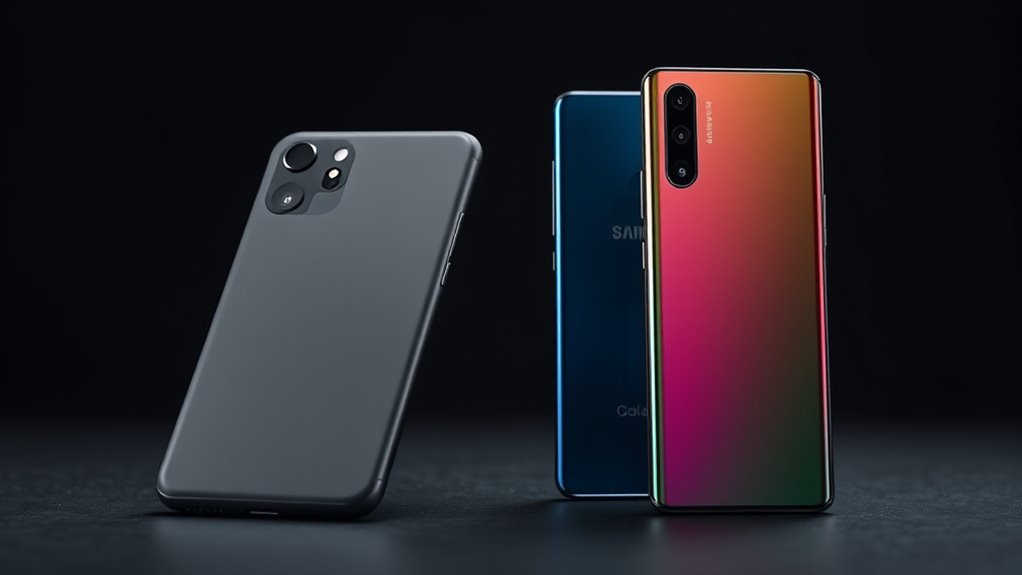

If you’re choosing between the Google Pixel 10 and Samsung Galaxy S25, consider what matters most to you. The Pixel 10 excels in computational photography with natural, consistent images and easy editing tools, perfect for simpler, quality-focused shots. The Galaxy S25 offers more hardware versatility, with advanced multi-lens setups, AI scene detection, and superior video stabilization, great for creative and dynamic content. To find out which flagship fits your style best, explore its features further.

Get the latest gadgets delivered free with Prime
- Fast, free delivery on millions of items
- Prime Video, Amazon Music and more included
- Member-only deals all year
Key Takeaways
- Pixel 10 excels in computational photography for natural, low-light images, while Galaxy S25 offers versatile hardware with multi-lens setups.
- Pixel 10 emphasizes software-driven enhancements and easy editing, whereas Galaxy S25 leverages hardware and AI for dynamic scene optimization.
- Both devices deliver high-quality videos, with Galaxy S25 providing advanced stabilization and HDR features, and Pixel 10 focusing on consistent image processing.
- Pixel 10 prioritizes simplicity and natural results, while Galaxy S25 offers greater versatility for creative and professional content creation.
- Choice depends on preference for Pixel 10’s software-centric approach versus Galaxy S25’s hardware-enabled multi-camera capabilities.
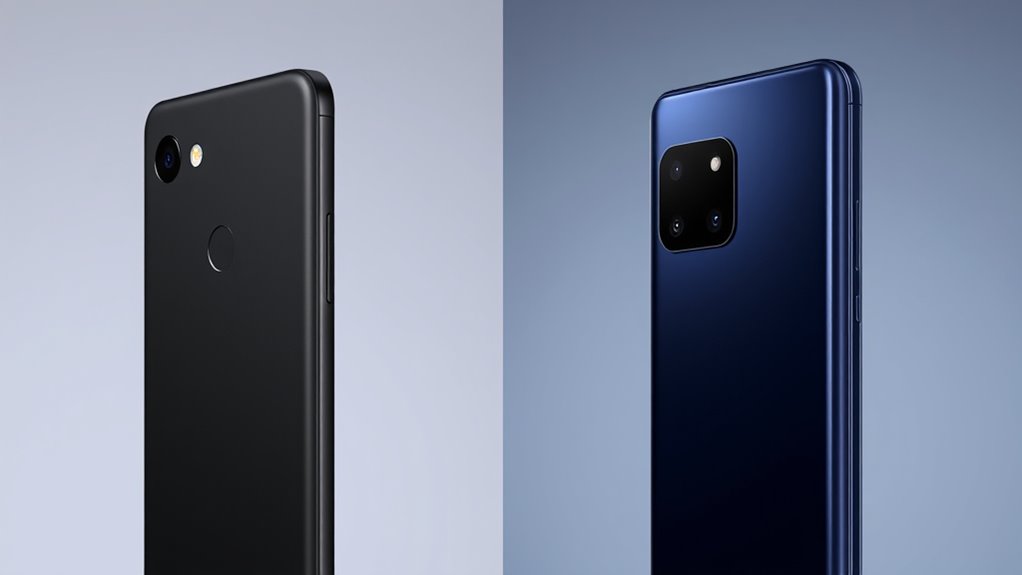
As the latest flagship smartphones from Google and Samsung, the Pixel 10 and Galaxy S25 are set to redefine mobile experiences, but choosing between them can be challenging. When it comes to camera performance, both devices excel but in different ways. The Pixel 10 continues Google’s tradition of delivering stunning photo quality, especially in low-light conditions, thanks to its advanced computational photography. Its software enhancements, like improved HDR processing and real-time night mode, make every shot look professional without much effort. You’ll notice that images captured with the Pixel 10 often have rich colors and sharp details, even in challenging lighting. On the other hand, the Galaxy S25 leverages Samsung’s hardware prowess, offering a versatile camera setup with multiple lenses that excel in zoom, ultra-wide shots, and video recording. Its software enhancements include AI-driven scene optimization and stabilization features that produce smooth, high-quality videos and vibrant photos across different scenarios. If you’re into photography that demands flexibility and creative control, the Galaxy S25’s camera system might be more appealing.
The Pixel 10’s camera performance shines with its software-driven approach, emphasizing ease of use while delivering stunning results. Google’s focus on computational photography means you get consistent, natural-looking images with minimal effort—perfect if you prefer straightforward, reliable photo quality. Plus, its software enhancements include smarter editing tools integrated right into the camera app, allowing you to tweak and improve photos directly on the device. The Galaxy S25, however, benefits from a more hardware-centric approach complemented by powerful software enhancements that maximize the capabilities of its multiple lenses. Its scene detection algorithms automatically adjust settings for best results, whether you’re capturing a portrait or a sweeping landscape. The S25 also offers robust video features, with software enhancements that stabilize footage and enhance dynamic range, making it a strong choice for content creators. Additionally, the underlying innovative technology in these devices plays a crucial role in their camera capabilities and overall performance.
Ultimately, your choice hinges on what you prioritize in camera performance and software enhancements. If you value simplicity, natural results, and seamless computational photography, the Pixel 10’s software-driven approach is hard to beat. If you prefer a versatile camera system with hardware options and advanced AI-driven features for a variety of shooting scenarios, the Galaxy S25’s combination of hardware and software enhancements will serve you well. Both phones push the boundaries of what Android flagships can do, but understanding their strengths helps you make an informed decision tailored to your photography style and software preferences.
Google Pixel 10 camera accessories
As an affiliate, we earn on qualifying purchases.
As an affiliate, we earn on qualifying purchases.
Frequently Asked Questions
Which Phone Offers Better Durability and Build Quality?
You’ll find that Samsung’s Galaxy S25 offers better durability and build quality thanks to its robust design and high-quality materials. Its metal frame and Gorilla Glass ensure excellent design robustness, making it more resistant to drops and scratches. The Pixel 10, while well-built, uses different materials that may not match the same level of durability. If you prioritize long-lasting, premium build quality, the Galaxy S25 is the better choice.
How Do the Camera Features Compare in Low-Light Conditions?
In low-light conditions, the Pixel 10’s Night Mode captures images 60% brighter and clearer, thanks to advanced computational photography. Samsung Galaxy S25 also excels, with its Super Night Mode providing impressive detail and reduced noise. Both phones utilize image stabilization to guarantee sharp photos, but Pixel’s real-time processing offers a slight edge for capturing dim scenes. You’ll find that each delivers excellent low-light performance, depending on your preferred shooting style.
Which Device Provides Longer Software Support and Updates?
You’ll find that the Google Pixel 10 offers longer software support and more frequent updates, thanks to Google’s commitment to software longevity and timely update frequency. This means you’ll get security patches and Android updates sooner and for a longer period. Samsung devices typically have solid support, but Pixel phones generally lead in providing the latest Android features and security updates, ensuring your device stays current longer.
Are There Significant Differences in 5G Connectivity Performance?
You’ll be thrilled to know that 5G speeds and network stability differ quite a bit. Samsung’s Galaxy S25 usually offers slightly faster 5G speeds and better network stability, making your streaming and browsing smoother. Meanwhile, Pixel 10 focuses on reliable connectivity, but you might notice occasional hiccups. So, if blazing-fast speeds are your thing, Samsung’s got the edge. Otherwise, Pixel keeps you connected with a steady hand.
How Do the User Interface Experiences Differ Between the Two?
You’ll notice that the user interface on the Pixel 10 offers a clean, minimalistic experience with smooth animations, thanks to stock Android. In contrast, the Galaxy S25 provides a more customizable user experience with One UI, adding extra features and visual tweaks. You might prefer Pixel’s straightforward approach for ease of use, while Galaxy’s interface appeals if you enjoy personalization and extra functionalities. Both deliver excellent user experiences tailored to different preferences.
As an affiliate, we earn on qualifying purchases.
Conclusion
Both the Google Pixel 10 and Samsung Galaxy S25 offer impressive features that cater to different preferences. While one might seem to have a slight edge in certain areas, it’s worth considering which device aligns best with your style and needs. Ultimately, both phones are crafted to elevate your experience, inviting you to explore what suits you best. Whichever you choose, you’re in for a compelling journey into the future of Android innovation.
smartphone camera stabilization gimbal
As an affiliate, we earn on qualifying purchases.
As an affiliate, we earn on qualifying purchases.
best smartphone photography editing apps
As an affiliate, we earn on qualifying purchases.
As an affiliate, we earn on qualifying purchases.
Halloween Picks
halloween
As an affiliate, we earn on qualifying purchases.