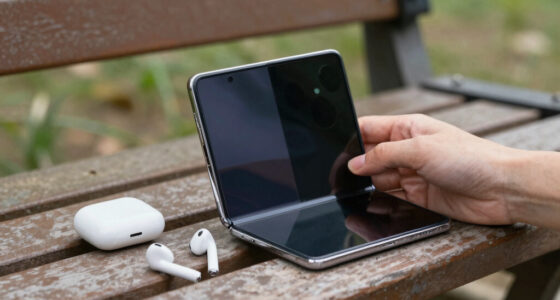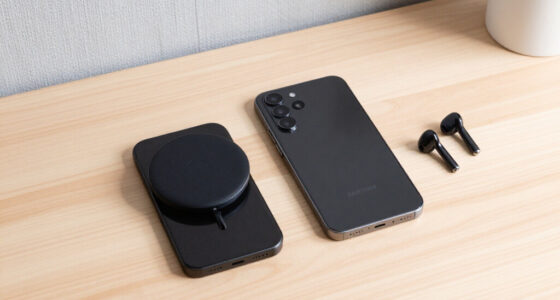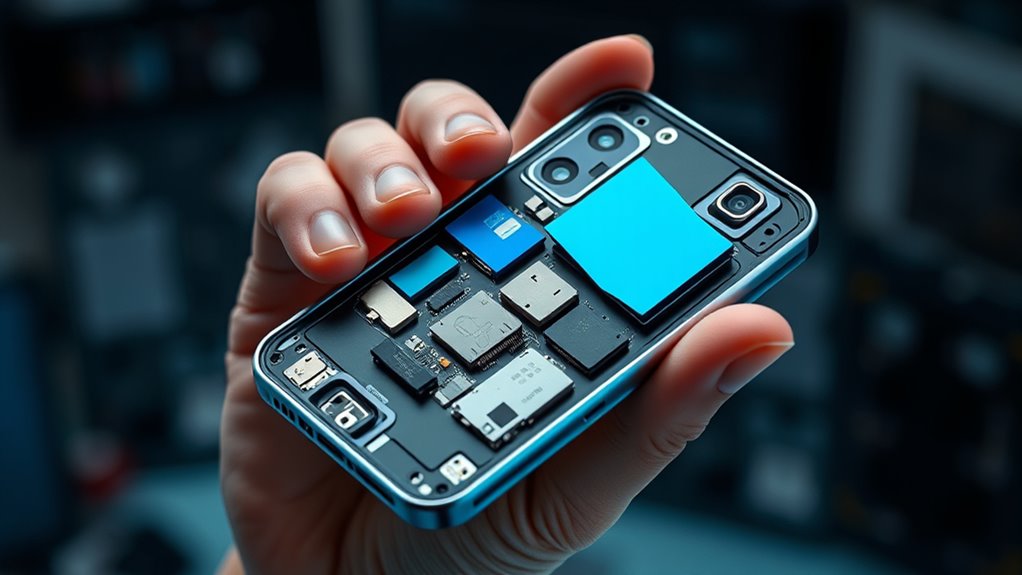

Yes, modular phones are making a comeback as people seek sustainable and customizable devices. Advances in design and engineering make these phones more durable and easier to upgrade, helping reduce electronic waste and extend device lifespans. This trend appeals to eco-conscious users and tech enthusiasts alike, offering flexibility to personalize and adapt their phones over time. If you’re curious about how these devices are evolving, keep exploring to discover more about their promising future.
Listen free for 30 days with Audible
Thousands of audiobooks and originals — cancel anytime.
As an affiliate, we earn on qualifying purchases.
Key Takeaways
- Growing consumer demand for sustainable and customizable devices boosts interest in modular phone reemergence.
- Advances in design and engineering improve durability and ease of module swapping, making modular phones more practical.
- Environmental benefits, such as reducing electronic waste and extending device lifespan, align with eco-conscious trends.
- Major brands are exploring or promoting modular concepts to meet evolving user preferences and market needs.
- The combination of sustainability focus and technological innovation suggests modular phones could regain popularity.

After years of decline, modular phones are making a surprising comeback as manufacturers focus on sustainability and user customization. This shift is driven by a growing awareness of environmental issues and a desire for devices that truly fit individual needs. Unlike traditional smartphones, modular phones let you upgrade or replace specific parts, such as the camera, battery, or processor, without needing to buy a whole new device. This approach not only reduces electronic waste but also aligns with the increasing demand for sustainability benefits. By extending the lifespan of your phone and minimizing discarded components, modular designs help lessen your carbon footprint and promote eco-friendly practices.
Modular phones extend lifespan and reduce waste by allowing easy upgrades and replacements.
When it comes to customization options, modular phones offer an unmatched level of personalization. You don’t have to settle for a one-size-fits-all device anymore. Instead, you can tailor your phone to match your preferences and lifestyle. Want a better camera? Swap out the module. Need longer battery life? Upgrade the battery module. Interested in experimenting with different sensors or display types? Modular phones make that possible. This flexibility means your device stays relevant longer, adapting to your changing needs without the hassle of purchasing a new phone entirely. It’s a powerful way to take control over your technology, ensuring that your smartphone is uniquely suited to you.
Manufacturers are now recognizing that consumers crave more than just sleek designs; they want devices that are sustainable and versatile. By emphasizing modularity, brands are addressing these desires head-on. The focus on sustainability benefits resonates with environmentally conscious users who want to reduce waste and support eco-friendly innovation. Meanwhile, the customization options appeal to tech enthusiasts and everyday users alike, who want a device that evolves with them. This dual focus is helping to reignite interest in modular smartphones, making them more appealing than ever before.
Furthermore, advances in design and engineering have made modular phones more practical and durable. Modern modules are easier to attach and detach, and the overall build quality has improved considerably. This means you don’t have to worry about fragility or inconvenience when upgrading components. As a result, modular phones are becoming a feasible alternative to traditional smartphones, offering both the environmental benefits and the flexibility that consumers increasingly demand. If these trends continue, you might soon find yourself with a device that not only performs well but also aligns with your values, giving you more control and sustainability in your everyday tech use. Additionally, embracing modular design can foster innovation and competition among manufacturers, encouraging further improvements in durability and functionality.

iO CLEAN Screen Cleaner Spray (16oz - 473ml) – Best Large Cleaning Kit
- Versatile Device Compatibility: Works on all electronic screens and devices
- Gentle, Advanced Formula: Removes dust, fingerprints, grime without scratches
- Protective, Streak-Free Shine: Leaves screens smudge-free and like new
As an affiliate, we earn on qualifying purchases.
Frequently Asked Questions
What Are the Main Advantages of Modular Phones Over Traditional Smartphones?
Modular phones offer you greater customization options, allowing you to swap out parts like cameras, batteries, or processors to suit your needs. They provide hardware flexibility, so you can upgrade components without replacing the entire device. This means you can extend your phone’s lifespan, personalize it to your preferences, and potentially save money over time. Overall, modular phones give you control and adaptability that traditional smartphones can’t match.
How Do Modular Phones Impact Device Repairability and Sustainability?
Did you know that modular phones can improve repairability by up to 50%? When you opt for a modular phone, you can easily perform battery swapping and customize components, which extends the device’s lifespan. This approach reduces electronic waste and promotes sustainability. You’ll save money and time on repairs, making your device more environmentally friendly and adaptable to your needs. Modular phones truly put control back in your hands.
What Challenges Do Manufacturers Face in Developing Modular Phone Technology?
Manufacturers face challenges like ensuring component compatibility, so parts fit and work seamlessly together. They also encounter manufacturing complexity, which increases costs and production time. You might notice that designing modular phones requires balancing flexibility with durability, making it harder to create a reliable product. These hurdles slow down innovation, making companies hesitant to invest heavily in modular technology despite its potential benefits.
Are There Any Current Market Leaders in Modular Phone Manufacturing?
Imagine a blank canvas waiting for your unique touch—that’s what current market leaders in modular phone manufacturing offer. Companies like Fairphone and Shiftphone lead with modular design and extensive customization options, giving you the power to tailor your device. While not as widespread as traditional models, these brands symbolize innovation, inviting you to rebuild and personalize your phone, making it a true extension of yourself.
How Might Modular Phones Influence the Future of Smartphone Innovation?
Modular phones could substantially influence the future of smartphone innovation by prioritizing customizable hardware and detachable batteries. You’ll enjoy more personalized devices that adapt to your needs, reducing electronic waste. As manufacturers focus on modular designs, you might see easier upgrades and repairs, extending your phone’s lifespan. This approach promotes sustainability and user control, making your smartphone experience more flexible, eco-friendly, and tailored to your preferences.

EVEO Screen Cleaner Spray - Large Screen Cleaner Bottle - TV Screen Cleaner, Computer Screen Cleaner, for Laptop, Phone, Ipad - Computer Cleaning kit Electronic Cleaner (1 Pack)
- Versatile Electronic Screen Cleaner: Suitable for TVs, laptops, phones, and tablets
- Effective Streak-Free Cleaning: Removes dust, fingerprints, and smudges
- Gentle on Sensitive Screens: Safe for LCD, LED, OLED, CRT screens
As an affiliate, we earn on qualifying purchases.
Conclusion
If modular phones make a comeback, it’s a chance to take control of your device and customize it to your needs. Don’t overlook the potential for innovation and sustainability they offer. Sometimes, the old ways can teach us new tricks, proving that what’s old can become new again if you’re willing to look past the surface. So, keep an open mind—this could be the fresh start your tech routine needs, and in the end, it’s worth a shot.

Screen Cleaner Spray 16oz (4oz x 4 Pack) - TV & Computer Screen Cleaner with 2 Microfiber Cloths for Multiple Devices
- Includes 4 Bottles and 2 Microfiber Cloths: Complete screen cleaning kit with multiple devices
- Effective Dust and Smudge Removal: Easily removes fingerprints, dust, and smudges
- Gentle and Deep Cleaning: Cleans without scratching, absorbs oils, dries quickly
As an affiliate, we earn on qualifying purchases.
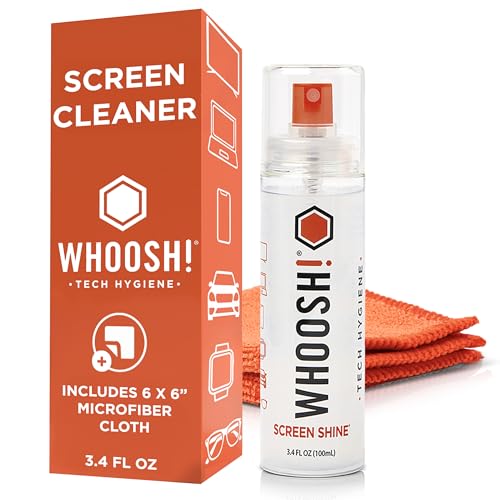
WHOOSH! Screen Shine Go XL – Screen Cleaner Spray & Wipe Kit, 3.4 fl oz
- Safe for All Screens: Suitable for delicate surfaces and coatings
- Streak-Free Cleaning: Removes smudges and grime clearly
- Non-Toxic and Gentle: Alcohol- and ammonia-free formula
As an affiliate, we earn on qualifying purchases.
Pool season Picks
robotic pool cleaners
As an affiliate, we earn on qualifying purchases.