A $300 smartphone can indeed take impressive photos, thanks to advanced software processing like AI, HDR, and multi-frame techniques that help overcome hardware limitations. While its sensor size might be smaller than flagship phones, clever image processing can produce vibrant, sharp images in good lighting conditions. However, for low-light or professional-quality shots, flagships usually still hold an edge. If you’re curious about how this all works, you’ll find more details below.
Key Takeaways
- Flagship phones have larger sensors for better low-light and detail, but budget phones can still produce good photos with software enhancements.
- Advanced image processing and AI in budget phones help improve photo quality despite hardware limitations.
- Sensor size impacts raw image quality, but software tricks can compensate, making budget phones surprisingly capable.
- For casual photography and social media, a well-processed $300 phone can often deliver satisfactory results.
- Flagship devices excel in challenging conditions, but budget phones can still take great pictures for everyday use.

When choosing a smartphone, many people wonder if a budget phone can really match the camera quality of a flagship device. The answer depends on several factors, but two of the most important are sensor size and image processing. Sensor size determines how much light the camera can capture, which directly impacts photo quality, especially in low-light conditions. Flagship phones typically have larger sensors, allowing them to gather more light and produce clearer, more detailed images. Budget phones often have smaller sensors, which can lead to noisier photos and less detail in challenging lighting environments. However, sensor size isn’t the only factor at play.
Image processing is equally crucial. It refers to how the phone’s software interprets and enhances the raw data from the sensor. Flagship devices invest heavily in advanced image processing algorithms, which can significantly improve photo quality by reducing noise, balancing exposure, and sharpening details. These improvements often allow flagship phones to produce vibrant, well-exposed images even in difficult conditions. Budget phones, on the other hand, may lack sophisticated processing, resulting in images that look less refined, especially in tricky lighting. But modern budget phones are increasingly equipped with smarter software that can compensate for hardware limitations, making a noticeable difference.
While sensor size gives you a baseline for potential image quality, image processing determines how well that potential is realized. A larger sensor with poor processing can still produce mediocre photos, and a smaller sensor with excellent software can sometimes outperform expectations. Some budget phones now feature multi-frame processing, HDR modes, and AI enhancements that help bridge the gap between their hardware limitations and the quality of flagship cameras.
In practice, if you’re looking for professional-grade photos, flagship devices still hold an advantage due to their larger sensors and superior processing. But if your needs are more casual—day-to-day snapshots, social media posts, or family photos—many budget phones are capable of delivering great results. They can capture sharp, colorful images in good lighting and handle most everyday situations well. The key is understanding what matters most to you: if low-light photography is a priority, a flagship may be worth the investment. But for most users, a well-designed budget phone with good image processing can produce surprisingly impressive photos, proving that you don’t always need to spend a fortune for quality.

Samsung Galaxy A16 4G Dual SIM (128GB, 2025) 6.7" 90Hz AMOLED, Splash Resistant 8Core, 50MP Camera (Factory Unlocked International Model for GSM, Global) A165M/DS (25W Fast Charger Bundle, Green)
- Network Compatibility: Supports GSM networks worldwide, US T-Mobile only
- Display: 6.7” AMOLED with 90Hz refresh rate
- Brightness: 800 nits for sunlight visibility
As an affiliate, we earn on qualifying purchases.
As an affiliate, we earn on qualifying purchases.
Frequently Asked Questions
How Do Software Updates Affect Camera Performance Over Time?
Software updates greatly impact your camera’s performance over time by improving software longevity and fixing bugs. These updates enhance features like image processing, stabilization, and HDR, leading to better photo quality. They also optimize compatibility with new apps and sensors. Regular updates ensure your camera stays current and performs at its best, giving you consistent, high-quality photos and extending your device’s useful life.
Can Accessories Improve the Photo Quality of Budget Phones?
Think of your budget phone as a knight in rusty armor—accessories like lens attachments can be its shining sword, boosting photo quality. These add-ons help improve sharpness and depth, especially in challenging lighting. Pairing them with good photo editing can elevate your shots further. While they won’t turn your device into a professional camera, accessories definitely give your photos a noticeable upgrade, making your images more vibrant and detailed.
What Are the Limitations of Budget Phone Cameras in Low Light?
In low light, your budget phone camera faces limitations due to smaller sensor size and lens quality. The smaller sensor struggles to gather enough light, resulting in grainy, noisy images, while lower lens quality can cause poor focus and reduced sharpness. To improve your photos, try using night mode features, hold your phone steady, and avoid digital zoom, which can further degrade image quality.
Do Flagship Phones Have Better Video Recording Capabilities?
Yes, flagship phones generally have better video recording capabilities. They often feature advanced camera stabilization, which keeps your footage smooth even with shaky hands, and higher video bitrates, resulting in clearer, more detailed videos. These improvements make your videos look more professional. So, if you want top-quality recordings, investing in a flagship phone pays off, especially when capturing moments that matter most.
How Does Image Processing Differ Between Budget and Flagship Phones?
Imagine your phone’s camera as a skilled painter—flagship models wield richer, more vibrant colors. Their superior sensor quality captures more detail, while advanced image processing smooths out noise and enhances clarity. Budget phones use simpler algorithms, often sacrificing finesse for speed. So, as you snap your next shot, know that flagship devices process images like a master artist, turning everyday moments into stunning masterpieces.

MIAO LAB 28X HD Telephoto Lens for iPhone/Samsung/Android | High Power Telephoto Camera Lens, Universal Smartphone Compatibility
- High Power 28x Telephoto Lens: Enhances distant photography with high resolution
- Advanced Optical Design: Provides wide view, bright images, and true color
- Stable Long-Distance Shots: Ensures clear, steady images of distant objects
As an affiliate, we earn on qualifying purchases.
As an affiliate, we earn on qualifying purchases.
Conclusion
Ultimately, your camera is like a paintbrush—you don’t need the most expensive one to create a masterpiece. A $300 phone can still capture vibrant sunsets or candid moments, proving that great photos come from skill, not just price. Remember, it’s how you frame the scene and your eye for detail that truly paints the picture. So, don’t underestimate your tool—your creativity is the true lens that brings your world into focus.

AI Smart Glasses with camera, Continuous AI Chat, 8MP Camera Glasses, 1080P Recording Glasses for Men Women,Hands-Free Music & Calls,Real-Time Translation,Ideal for Business Meetings,Travel,&Daily Use
- Hands-Free Recording: Capture stable 1080P videos and photos
- AI Object Recognition: Identify objects, scenes, and landmarks
- Built-in Voice Assistant: Supports continuous AI voice interactions
As an affiliate, we earn on qualifying purchases.
As an affiliate, we earn on qualifying purchases.
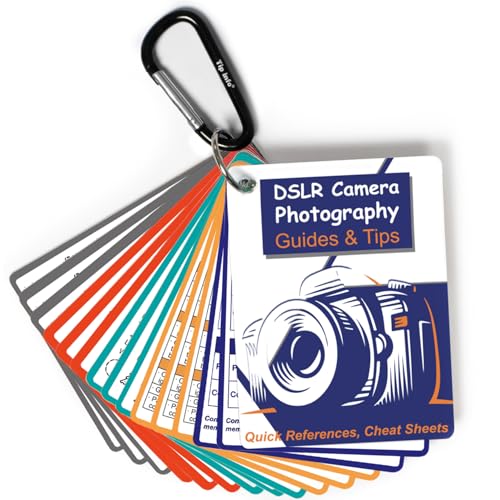
DSLR Cheat Sheet Photography Accessories Camera Accessories for Canon Nikon Sony Photography Gifts for Photographer Quick Reference Cards Guides Tips Settings Exposure Modes Composition And More 4×3in
- Includes 30 Pages of Tips: Color-coded double-sided cheat sheets
- Universal Camera Compatibility: Suitable for Canon, Nikon, Sony, and more
- Concise Photography Guidance: Easy-to-understand tips on exposure, modes, and composition
As an affiliate, we earn on qualifying purchases.
As an affiliate, we earn on qualifying purchases.