Losing your phone creates more risk than you think because it can expose sensitive data like photos, banking details, and emails to cybercriminals. Without proper security measures like encryption or remote wiping, your information is vulnerable to theft or misuse. Many underestimate how easily malicious actors can access accounts or steal identities if your device falls into the wrong hands. To stay protected, understanding these risks is essential—keep going to learn how to safeguard your device effectively.

Get the latest gadgets delivered free — and shop member deals
- Fast, free delivery on millions of items
- Access to Prime Big Deal Days deals on October 6–7
- Prime Video, Amazon Music and more included
Key Takeaways
- Lost phones can expose sensitive personal and work data, leading to identity theft and privacy breaches.
- Without encryption or remote wipe, stolen devices are easily exploited by cybercriminals.
- Unsecured access to financial, email, and social media accounts increases the risk of account breaches.
- Many underestimate the importance of security features, leaving devices vulnerable to exploitation.
- Neglecting proactive security measures can result in severe consequences beyond simple device loss.
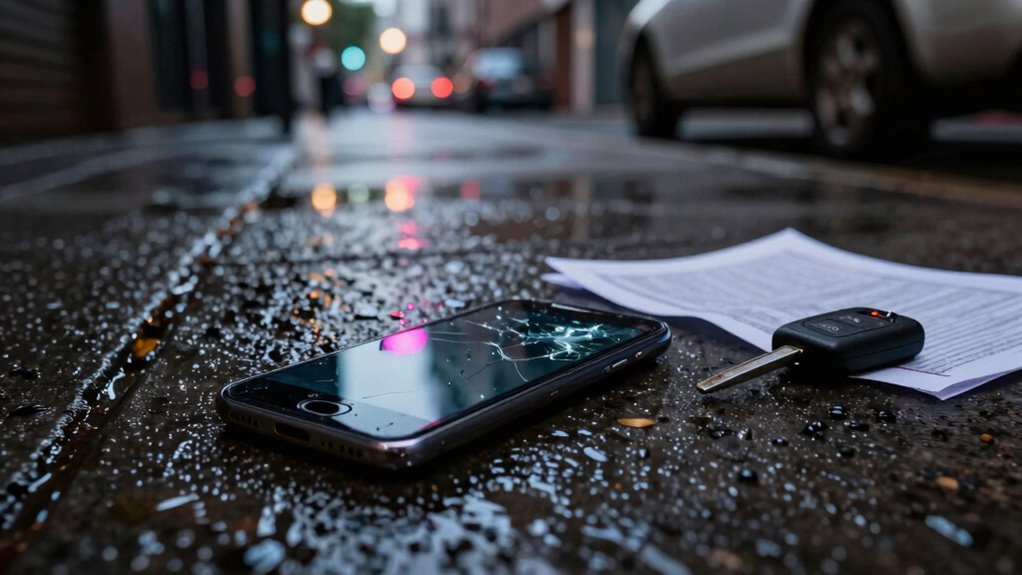
Losing your phone might seem like a minor inconvenience, but it can actually open the door to serious security risks. When your device falls into the wrong hands, sensitive data—personal photos, banking information, work emails—can be exposed or stolen. That’s why understanding how to protect your data is vital. Features like data encryption make it much harder for hackers to access your information if your phone is lost. Encryption scrambles your data so that even if someone gains physical access, they can’t read anything without the decryption key. But encryption alone isn’t enough. You also need to utilize remote wiping capabilities, which let you erase everything on your device remotely, rendering the data useless to anyone who finds it.
Losing your phone risks exposing sensitive data; encryption and remote wiping are essential protections.
Many people underestimate how quickly a lost phone can become a security nightmare. Cybercriminals are constantly looking for ways to exploit unsecured devices. If your phone isn’t protected with strong passwords or biometric locks, they can easily access your accounts once they get hold of it. And even with some security measures in place, a lost phone can still be vulnerable if you haven’t enabled remote wiping. This feature allows you to send a command from another device or through your account provider to erase all data on the lost phone. It’s an essential safety net, especially if you realize your phone is missing before someone else does.
The risk escalates when you consider the type of data stored on smartphones. Financial apps, email accounts, social media profiles—these can all be compromised if your device isn’t secure. Cybercriminals can use this information for identity theft or to gain access to other accounts. That’s why proactive steps, like enabling encryption and remote wiping, are vital. They serve as your first line of defense. You should also regularly back up your data, so if you do need to wipe your device, you won’t lose everything important.
Ultimately, losing your phone isn’t just about replacing a device; it’s about safeguarding your digital identity. The risks are real, and they’re often underestimated. By taking advantage of built-in security features like data encryption and remote wiping, you greatly reduce the chances of falling victim to cyber threats. It’s a simple but powerful way to protect yourself against a situation that, if left unprepared for, could lead to serious consequences. Remember, when your phone is lost, your security should never be an afterthought. Understanding the importance of device security features can help prevent these risks from escalating.
smartphone data encryption device
As an affiliate, we earn on qualifying purchases.
As an affiliate, we earn on qualifying purchases.
Frequently Asked Questions
How Quickly Can Stolen Data Be Exploited After Phone Theft?
Stolen data can be exploited within minutes after your phone is stolen. Cybercriminals often perform rapid exploitation, especially if your device has sensitive information or weak security. They might trigger a data breach quickly, gaining access to personal info, banking details, or work data. The sooner you report the theft and secure your accounts, the better your chances of preventing this swift exploitation and minimizing potential damage.
What Are the Immediate Steps to Take if Your Phone Is Lost?
Ironically, losing your phone is the perfect excuse to become overly cautious. First, immediately activate remote wipe to erase sensitive data, preventing theft from turning into a disaster. Then, check if your device supports data encryption; if so, make sure it’s enabled. Notify your carrier and change your passwords. Acting swiftly minimizes risk, turning a stressful situation into a manageable one, protecting your personal information from potential misuse.
Can Lost Phones Lead to Identity Theft Even if Not Stolen?
Yes, lost phones can lead to identity theft even if not stolen. If someone gains access, they might bypass identity verification processes or access sensitive info if data encryption isn’t strong. Always lock your device, use secure passwords, and enable encryption. This way, even if your phone’s lost, a thief can’t easily access your personal data, reducing the risk of identity theft.
Are There Specific Apps or Features That Help Prevent Data Loss?
Think of your phone as a treasure chest—you want to lock it tight. Apps like App Lockdowns secure sensitive info, preventing unauthorized access, while Data Backup guarantees your data isn’t lost in the storm. These features act like digital bodyguards, giving you peace of mind. Using them regularly shields your personal info from prying eyes and safeguards your valuable data from accidental loss or theft.
How Do Insurance Policies Typically Cover Lost or Stolen Phones?
Insurance policies typically cover lost or stolen phones by reimbursing you for the device’s value, often after you provide proof of purchase. Many plans also include theft prevention features like device tracking, which can help locate your phone quickly. While coverage varies, having theft prevention tools and reporting the loss promptly generally improves your chances of a full claim settlement, reducing your financial loss and stress.
remote wipe security app for Android
As an affiliate, we earn on qualifying purchases.
As an affiliate, we earn on qualifying purchases.
Conclusion
Losing your phone isn’t just about misplaced devices; it’s like leaving your house door wide open, inviting unseen dangers. Each lost phone is a symbol of trust broken—trust in your security, your privacy, your peace of mind. When you misplace it, you’re handing over keys to your digital world, risking more than you realize. Protect your device as you would a fragile treasure—because in the wrong hands, it can open a storm you never expected.
As an affiliate, we earn on qualifying purchases.
phone security case with RFID blocking
As an affiliate, we earn on qualifying purchases.
As an affiliate, we earn on qualifying purchases.
Fall Picks
fall essentials
As an affiliate, we earn on qualifying purchases.