TL;DR

Get the latest gadgets delivered free with Prime
- Fast, free delivery on millions of items
- Prime Video, Amazon Music and more included
- Member-only deals all year
A new smartphone feature employs LED lights combined with AI algorithms to detect hidden cameras. This innovation aims to enhance privacy but is still in early development stages, with details uncertain.
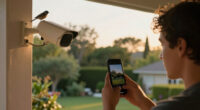
A new technology integrating smartphone LED lights with artificial intelligence has been developed to detect hidden cameras, a move that could significantly impact privacy protection. This feature, still in prototype stages, aims to help users identify covert surveillance devices using their mobile devices. The development is drawing attention amid growing concerns over covert surveillance and privacy violations, though the technology’s availability and accuracy remain unconfirmed.
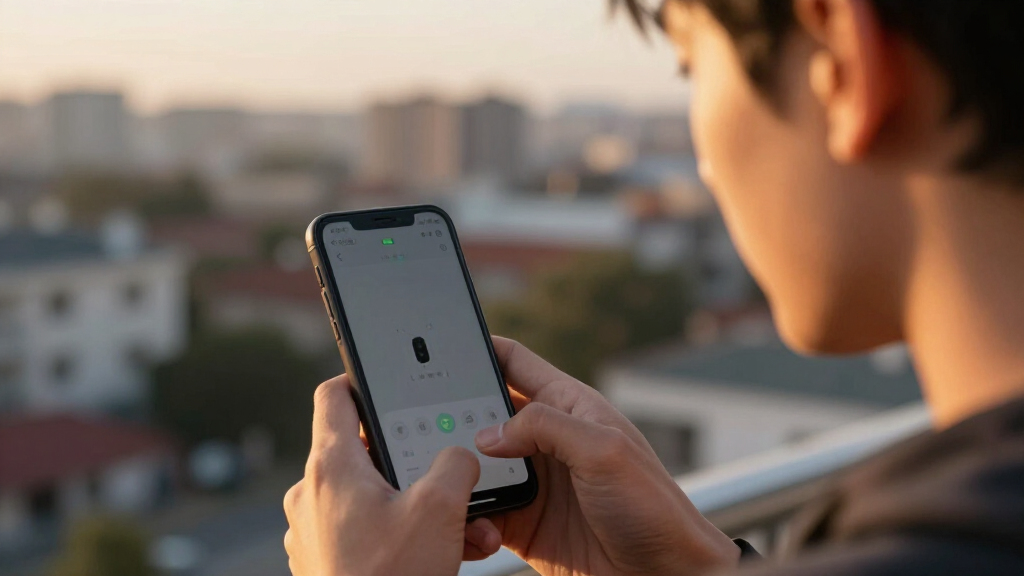
The innovation involves a smartphone’s LED flash combined with AI-powered image analysis to identify reflections or anomalies caused by concealed camera lenses. According to sources familiar with the project, the system analyzes light reflections and patterns that are characteristic of camera lenses, which often have distinctive reflective properties. Early demonstrations suggest the system can detect small or hidden cameras in various environments, including hotel rooms, bathrooms, and private offices.
While the technology is still in experimental stages, reports indicate that it could be integrated into future smartphones or offered as a dedicated app. Experts say that the AI component is crucial, as it helps differentiate between ordinary reflections and those caused by hidden cameras, reducing false positives. The development has sparked interest among privacy advocates, security professionals, and consumers concerned about covert surveillance.
However, the creators have not yet confirmed commercial plans or specific device compatibility. The system’s effectiveness in real-world scenarios, especially against sophisticated hidden cameras, remains to be validated through further testing and peer review. Industry analysts note that integrating such detection capabilities into smartphones could represent a significant step forward in personal security technology, but caution that the technology’s reliability needs rigorous validation.
Potential Impact on Privacy and Security
This development could mark a notable advance in personal privacy protection, empowering users to identify hidden cameras in their environment quickly and conveniently. As covert surveillance devices become more discreet and accessible, such tools could serve as a first line of defense against unauthorized surveillance, especially in sensitive settings like hotel rooms, changing areas, or private offices.
However, the technology also raises questions about misuse, false positives, and legal implications. If widely adopted, it could influence privacy laws and surveillance regulations, prompting discussions on the limits of personal detection tools. Privacy advocates see it as a positive step toward giving individuals more control over their personal space, but also warn of potential misuse by malicious actors.
As an affiliate, we earn on qualifying purchases.
Emerging Trends in Privacy Tech and Surveillance Detection
The concept of using smartphones to detect hidden cameras is part of a broader trend toward integrating security features into consumer devices. Interest in covert surveillance detection has surged in recent years, driven by reports of increased unauthorized recordings and privacy breaches. Several startups and tech companies have explored similar ideas, though few have reached practical implementation.
Historically, detecting hidden cameras required specialized equipment or professional security services. The advent of AI-enhanced detection tools aims to democratize this capability, making it accessible to everyday users. This trend reflects rising awareness about privacy rights and the proliferation of surveillance devices in both public and private spaces.
While the current focus is on smartphone-based detection, other methods include RF scanners, infrared detection, and physical inspection tools. The new AI-powered LED approach is notable for its potential ease of use and integration into devices people already carry daily, signaling a shift toward more user-friendly security solutions.
As an affiliate, we earn on qualifying purchases.
Unconfirmed Details and Technical Challenges
It is not yet clear how accurate or reliable the AI-based detection system will be in real-world scenarios. The technology is still in prototype stages, and independent validation is pending. There are also questions about how well it can detect different types of hidden cameras, especially those with advanced concealment features or minimal reflective surfaces.
Moreover, the commercial availability, device compatibility, and regulatory implications remain uncertain. Experts caution that false positives could cause unnecessary concern or legal complications, and the effectiveness against well-hidden or shielded cameras is unproven at this stage.
privacy protection camera detection device
As an affiliate, we earn on qualifying purchases.
As an affiliate, we earn on qualifying purchases.
Next Steps for Development and Validation
Developers are expected to conduct further testing and validation in diverse environments to assess accuracy and reliability. They may also explore partnerships with smartphone manufacturers to integrate the technology into upcoming devices. Public demonstrations or pilot programs could follow, providing insights into practical usability and limitations.
Regulatory and privacy discussions are likely to intensify as the technology matures, especially regarding its use in public or semi-public spaces. Consumers and security professionals will be watching for official announcements on commercial deployment and guidelines for responsible use.
As an affiliate, we earn on qualifying purchases.
Key Questions
How does the smartphone LED detect hidden cameras?
The system uses the LED flash to illuminate the environment, then employs AI algorithms to analyze reflections and light patterns that are characteristic of camera lenses. It aims to identify small or concealed cameras based on their reflective properties.
Is this technology available for consumers now?
No, the technology is currently in prototype or experimental stages. It has not yet been released commercially or integrated into existing smartphones.
How accurate is the detection likely to be?
It is uncertain at this stage. Early demonstrations suggest promise, but independent validation and real-world testing are needed to confirm reliability and reduce false positives.
Could this technology be misused?
Yes, like any security tool, it could potentially be misused for malicious purposes, such as invading privacy or false accusations. Proper regulation and responsible use are important considerations.
Source: hn
Halloween Picks
halloween
As an affiliate, we earn on qualifying purchases.