
TL;DR

Get the latest gadgets delivered free with Prime
- Fast, free delivery on millions of items
- Prime Video, Amazon Music and more included
- Member-only deals all year
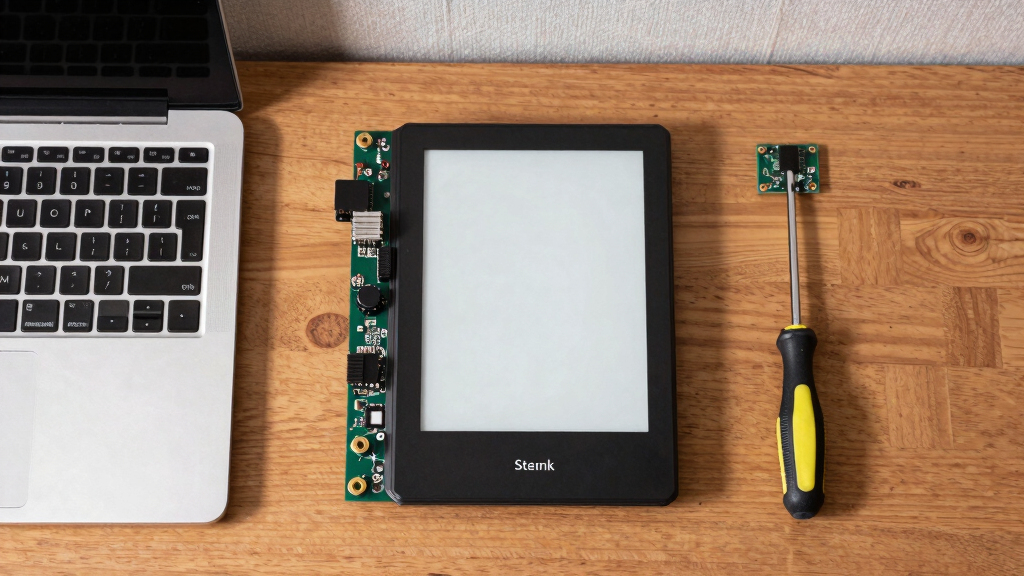
Valve has open-sourced the firmware and design files for the Steam Machine’s e-ink screen. This move allows enthusiasts and developers to build their own versions or integrate the display into custom projects. The release aims to foster community innovation and expand device customization options. You can read about similar initiatives in Valve’s open-source hardware projects.
Valve has officially open-sourced the firmware and design files for the e-ink display used in its Steam Machine hardware, allowing users and developers to create custom versions or integrate the screen into their own projects. This move marks a significant step toward community-driven hardware modification and customization, appealing to DIY enthusiasts and hardware hackers. For more context, see Valve’s approach to hardware innovation.
Valve released the source code, schematics, and firmware for the e-ink display component of its Steam Machine, a gaming console that was produced in limited quantities. Learn more about Valve’s Steam Machine. The open-source release includes detailed documentation and software tools, making it accessible for users to build or modify their own e-ink screens.
The company confirmed that the release is aimed at fostering innovation within the gaming and hardware communities. Valve spokesperson Emily Chen stated, “By open-sourcing these files, we hope to inspire creators to experiment with the display technology and develop their own solutions that could enhance user interfaces or custom hardware projects.”
Implications for Hardware Customization and Community Innovation
This release enables a broader range of hobbyists, modders, and small developers to experiment with e-ink display technology, potentially leading to new applications beyond the original Steam Machine. It lowers barriers for DIY projects and could inspire new hardware designs or user interfaces that leverage e-ink’s low power and high contrast benefits.
For the gaming community, this move signifies increased openness from Valve, encouraging user-driven modifications and possibly new peripherals or devices based on the open-source files. It also highlights Valve’s commitment to fostering a collaborative ecosystem around its hardware and software platforms.
As an affiliate, we earn on qualifying purchases.
Valve’s History with Steam Machines and Hardware Modding
Valve launched the Steam Machine project in 2015, aiming to bring PC gaming into a console-like form factor. Though the hardware was produced in limited quantities and eventually discontinued, it gained a niche following among enthusiasts interested in hardware customization.
Prior to this release, Valve had shown interest in open hardware initiatives, including the Steam Deck, which also emphasizes user modification and community-driven development. The open-sourcing of the e-ink display code extends this philosophy, suggesting Valve’s ongoing support for hardware experimentation despite the limited commercial success of the original Steam Machines.
“By open-sourcing these files, we hope to inspire creators to experiment with the display technology and develop their own solutions that could enhance user interfaces or custom hardware projects.”
— Valve spokesperson Emily Chen
As an affiliate, we earn on qualifying purchases.
Details About the Implementation and Community Adoption
It remains unclear how widely the open-source files will be adopted or adapted by the community. Specific technical challenges or limitations in building custom e-ink screens based on Valve’s files have not been publicly detailed, and the level of official support or updates remains uncertain.
Furthermore, it is not yet confirmed whether Valve plans to support ongoing development or provide official guidance for third-party projects based on this release.
As an affiliate, we earn on qualifying purchases.
Potential Community Projects and Future Valve Initiatives
Expect community-driven projects to emerge, including custom e-ink displays for various applications, possibly integrated into gaming or portable devices. Valve may also observe these developments and decide whether to support or expand its open hardware initiatives.
In the coming months, developers and hobbyists are likely to experiment with the code, potentially leading to new hardware designs or modifications that could influence future Valve products or inspire third-party innovations.
As an affiliate, we earn on qualifying purchases.
Key Questions
Can I legally build my own e-ink screen using Valve’s open-source files?
Yes, since Valve has open-sourced the files, you can legally use them to create your own implementations for personal use or experimentation. Commercial use may require additional licensing or permissions.
Will Valve provide official support or updates for community-built e-ink screens?
Valve has not announced plans to support or update community projects officially. The release is intended to encourage experimentation and innovation by users and developers.
What hardware skills are needed to build a custom e-ink display based on this release?
Building a custom e-ink display requires knowledge of electronics, firmware programming, and hardware assembly. Familiarity with microcontrollers and display interfacing is also helpful.
Could this lead to new Valve hardware products in the future?
While speculative, the open-source release demonstrates Valve’s interest in supporting community hardware projects, which could influence future product designs or collaborations.
Is this related to the Steam Deck or other Valve devices?
No, this release specifically pertains to the e-ink screen used in the original Steam Machines, not the Steam Deck or other current Valve devices.
Source: hn
Evergreen bestsellers Picks
bestsellers
As an affiliate, we earn on qualifying purchases.