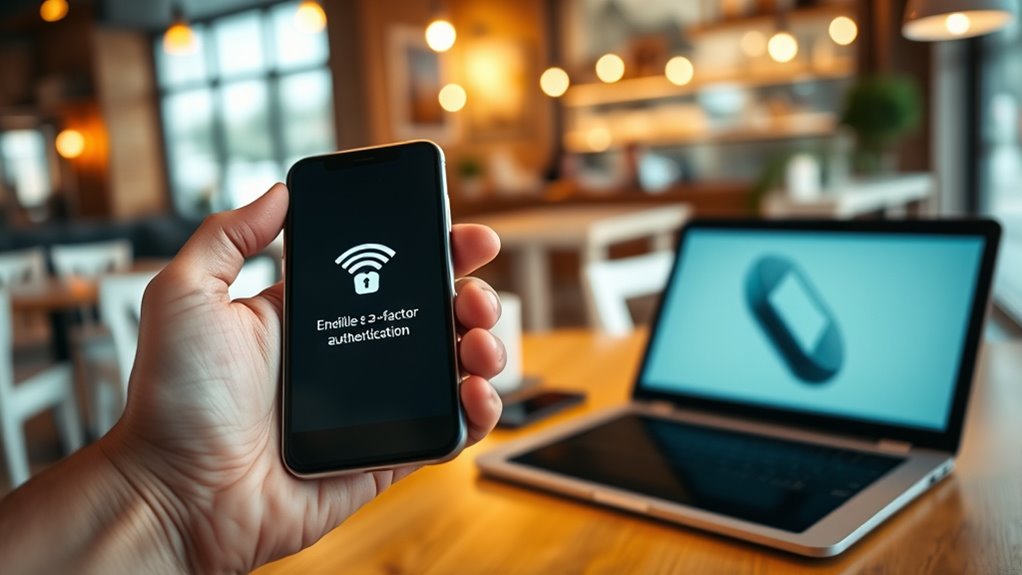

To stay safe on public Wi-Fi with your phone, always connect only to trusted networks and verify their legitimacy. Use encrypted connections like HTTPS and avoid entering sensitive info on unsecured sites. Enable a VPN to encrypt your data, turn off automatic connections, and disable Bluetooth and AirDrop when not needed. Activate two-factor authentication for your accounts for extra security. Keep exploring these tips to learn how you can protect yourself even better on public networks.

Get the latest gadgets delivered free with Prime
- Fast, free delivery on millions of items
- Prime Video, Amazon Music and more included
- Member-only deals all year
Key Takeaways
- Always connect only to secured Wi-Fi networks with password protection and verify network legitimacy before joining.
- Use a VPN to encrypt your internet traffic and protect your data from eavesdropping on public networks.
- Enable two-factor authentication on your accounts to add an extra security layer in case of credential theft.
- Turn off Wi-Fi, Bluetooth, and AirDrop when not in use to prevent unauthorized connections and data leaks.
- Avoid accessing sensitive information or performing financial transactions on unsecured public Wi-Fi networks.
As an affiliate, we earn on qualifying purchases.
Choose Trusted Networks Carefully
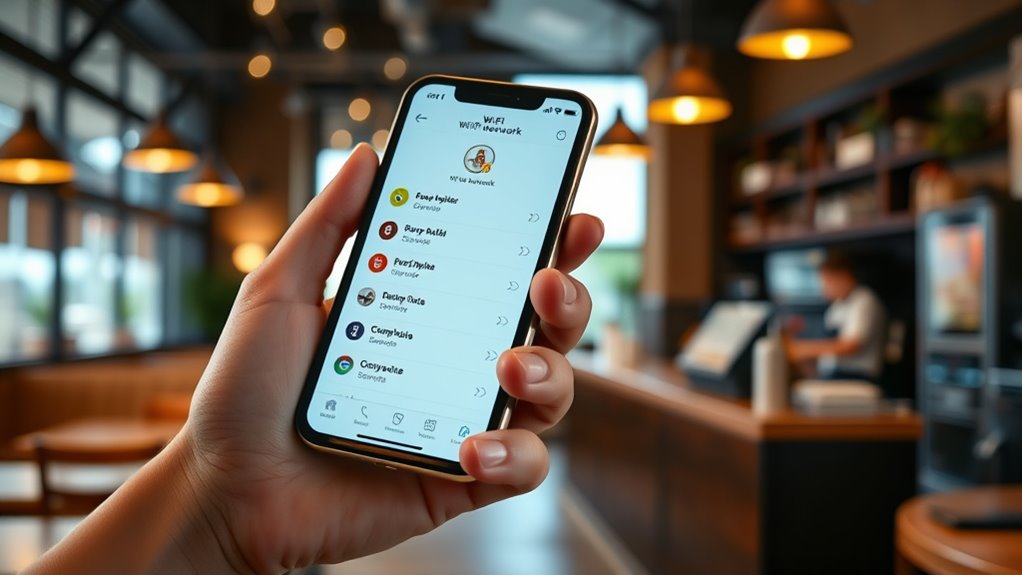
Choosing trusted networks carefully is essential to staying safe on public Wi-Fi. Always connect only to networks with a legitimate, recognizable name. If you’re unsure, verify the network name with staff or look for official signage. Avoid open or unsecured networks that don’t require a password, as these are easier for hackers to exploit. It’s best to use networks that ask for a password or require registration, which adds an extra layer of security. Never connect to fake hotspots that mimic legitimate networks; these are common tricks used by attackers. Before connecting, double-check the network details to confirm you’re on the right one. Staying vigilant about which networks you join helps protect your personal information from potential threats. Additionally, using a secure dog sweater can keep you comfortable while browsing in cold public spaces.
As an affiliate, we earn on qualifying purchases.
Always Use Encrypted Connections

Always guarantee your connection is encrypted before entering sensitive information. Look for HTTPS in the website URL or a padlock icon to confirm security. Using secure apps and enabling browser encryption helps protect your data from interception on public Wi-Fi. To further enhance security, consider utilizing Free Floating techniques that minimize digital footprints.
Verify HTTPS Websites
How can you guarantee your data stays secure when browsing on public Wi-Fi? The key is to verify that websites use HTTPS, which encrypts your information during transmission. Always check for the padlock icon in your browser’s address bar or confirm that the URL begins with “https://”. This indicates the site is using secure encryption, making it harder for hackers to intercept your data. Avoid entering sensitive details on sites that lack HTTPS, especially when using public Wi-Fi. While most modern websites automatically use encryption, some older sites don’t. Stay vigilant and look for security indicators before submitting passwords, banking info, or personal details. Ensuring you’re on HTTPS sites adds a crucial layer of protection on unsecured networks. Additionally, utilizing trusted business directories can help you find reputable services that prioritize security and privacy.
Use Secure Apps Only
Using encrypted connections is essential when accessing apps on public Wi-Fi, as it helps protect your data from eavesdroppers. Always choose apps that use end-to-end encryption, especially for messaging, email, and banking. Check app settings or descriptions to verify if encryption is enabled. Avoid apps that transmit sensitive information over unencrypted links or lack security features. Stick to reputable apps from trusted developers, and keep them updated to patch any security vulnerabilities. Be cautious about granting unnecessary permissions, especially for apps that handle personal or financial data. Using secure apps minimizes the risk of interception and unauthorized access. Remember, even with encryption, it’s best to limit sensitive activities on public networks whenever possible. Additionally, understanding security protocols can help you better recognize which apps implement proper encryption standards.
Enable Browser Encryption
Enabling browser encryption is essential for protecting your data when browsing on public Wi-Fi. Before entering sensitive information, look for a padlock icon or “https://” in the address bar. HTTPS encrypts the data exchanged between your device and the website, making it difficult for hackers to intercept your details. Avoid submitting personal or financial info on sites that lack this encryption indicator. Most modern browsers automatically enforce secure connections, but it’s good to double-check. If you’re using older browsers or apps, consider updating or switching to ones that prioritize encrypted connections. By ensuring your browser uses encryption, you markedly reduce the risk of your data being exposed on unsecured networks, keeping your information private and safe from prying eyes. Browser security features can further enhance your protection by alerting you to insecure sites.
As an affiliate, we earn on qualifying purchases.
Protect Your Data With a VPN
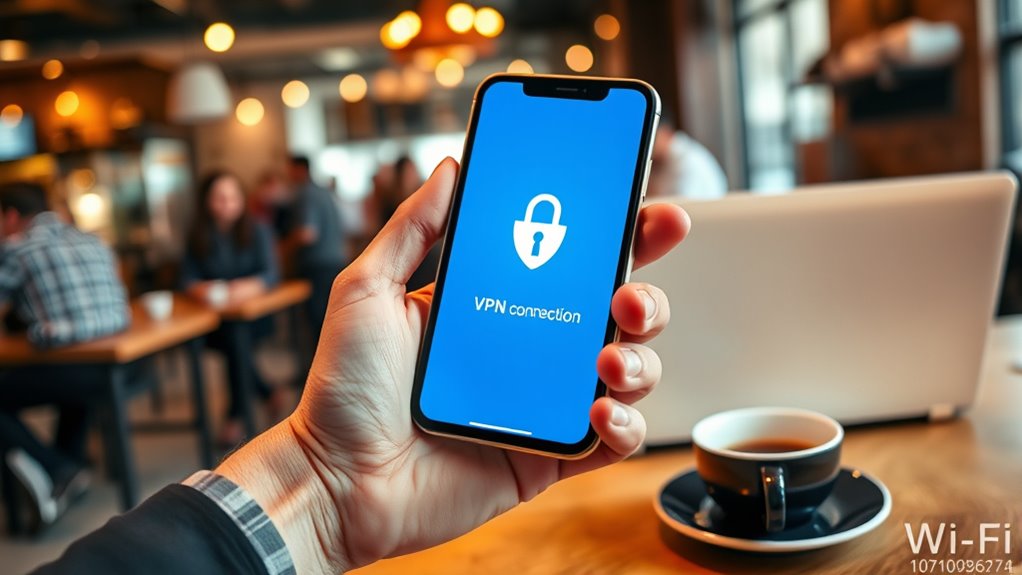
A Virtual Private Network (VPN) is one of the most effective tools for protecting your data on public Wi-Fi. It encrypts all your internet traffic, making it unreadable to anyone trying to intercept it. When you connect to a VPN, your data travels through a secure tunnel, preventing third parties from viewing your browsing activity or stealing personal information. This is especially essential when accessing sensitive accounts like banking or work emails. VPN apps are easy to install on both Android and iOS devices, and many offer quick, reliable protection. By using a VPN, you reduce the risk of falling victim to hackers, spying eyes, or malicious hotspots. Additionally, simple, room-by-room solutions can help you organize your devices and connections for safer, more secure browsing environments at home. It’s a simple step that greatly boosts your online privacy and security on public networks.
As an affiliate, we earn on qualifying purchases.
Manage Your Device’s Connection Settings
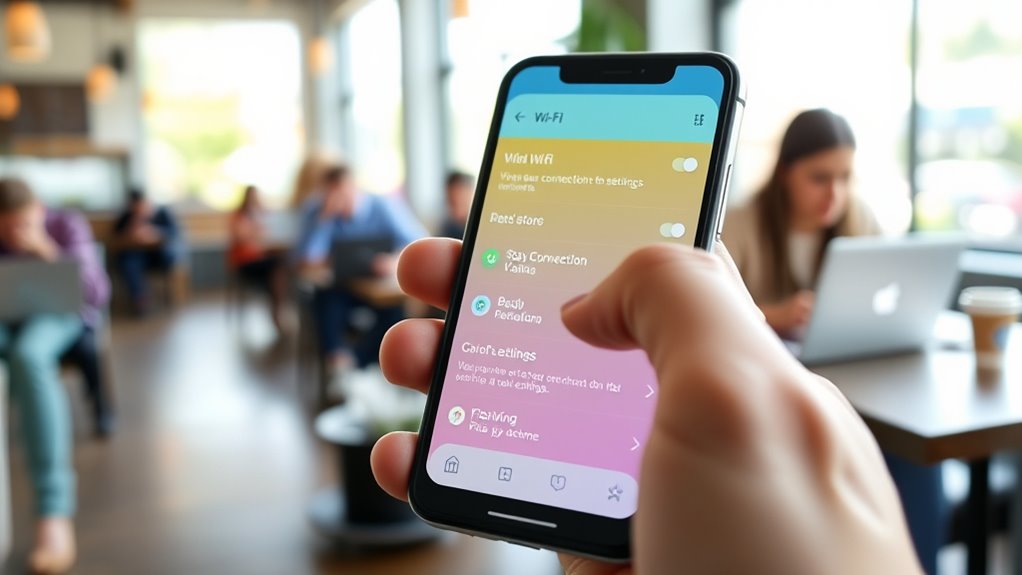
Have you ever connected to a public Wi-Fi without realizing your device is set to automatically join open networks? Managing your device’s connection settings helps prevent accidental connections to unsafe networks. To do this effectively, consider:
- Turning off “Connect Automatically” for unfamiliar networks.
- Manually selecting Wi-Fi networks instead of auto-joining.
- Disabling Wi-Fi when not in use to avoid unnecessary connections.
- Turning off Bluetooth and AirDrop to reduce security risks.
- Forgetting open or untrusted networks after leaving them.
Enable Strong Authentication Measures
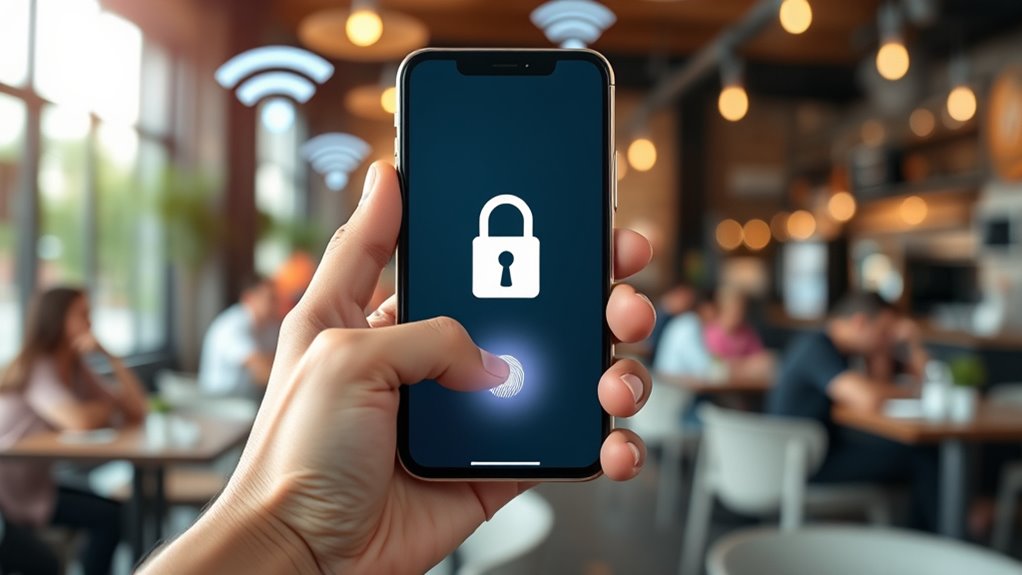
Strengthening your account security with strong authentication measures adds an important layer of protection when using public Wi-Fi. Enable two-factor authentication (2FA) on all your critical accounts, like email, banking, and social media. This way, even if your password is compromised, an extra verification step keeps your account safe. Use authenticator apps or SMS codes to verify your identity. Here’s a quick guide to 2FA options:
| Method | Description | Example |
|---|---|---|
| Authenticator Apps | Generate time-based codes | Google Authenticator |
| SMS Codes | Receive verification via text | Your mobile carrier’s app |
| Hardware Keys | Physical devices for login | YubiKey |
Prioritize 2FA to prevent unauthorized access, especially on public networks. Security features can further enhance your protection.
Practice Vigilant Browsing and Security Habits

Always check for HTTPS and a lock icon before entering sensitive information online, as this indicates your connection is secure. Verify website security by ensuring the URL begins with “https://” and looks legitimate. Use strong, unique passwords and enable two-factor authentication to protect your accounts from unauthorized access. Additionally, European cloud innovation emphasizes the importance of choosing reputable services that prioritize security and sustainability.
Verify Website Security
Before entering sensitive information online, take a moment to verify that the website is secure. Look for signs that indicate a safe connection, such as a padlock icon in the address bar or “https://” at the start of the URL. These signals show the site uses encryption to protect your data. Be cautious if you notice:
- The absence of a padlock or HTTPS in the URL
- Spelling errors or suspicious domain names
- A website asking for unnecessary personal details
- Poor website design or outdated content
- Unexpected pop-ups or redirects
If anything seems off, avoid entering any sensitive information. Only trust websites that clearly display security indicators and look professional. Verifying website security keeps your data safe from interception and malicious attacks on public Wi-Fi networks, especially when cutting through tech clutter to focus on trusted sources.
Use Strong Authentication
How can you guarantee your online accounts stay secure when browsing on public Wi-Fi? The key is to use strong authentication methods. Enable two-factor authentication (2FA) on all your critical accounts, like email, banking, and social media. This adds an extra security layer, making it much harder for hackers to access your accounts even if they steal your passwords. Use authenticator apps or SMS codes to verify your identity. Avoid relying solely on passwords; opt for complex, unique ones for each account. Never reuse passwords across sites. Regularly update your passwords and make sure they’re difficult to guess. Combining strong passwords with 2FA markedly reduces the risk of unauthorized access, keeping your personal information safe on public networks. Additionally, understanding the contrast ratio of your device can help optimize your viewing environment for better security awareness.
Frequently Asked Questions
Can Public Wi-Fi Networks Steal My Device’s Data Without My Knowledge?
Yes, public Wi-Fi networks can steal your device’s data without you knowing. Hackers often set up fake hotspots or exploit unsecured networks to intercept your information. They can access your browsing activity, personal details, or login credentials if you don’t use encryption or a VPN. To protect yourself, always verify networks, avoid sensitive activities, and use security tools like encryption and VPNs when connecting.
Is It Safe to Log Into Social Media Accounts on Public Wi-Fi?
Logging into social media accounts on public Wi-Fi isn’t completely safe. If you don’t use a VPN or secure connection, hackers can potentially intercept your login details or session cookies. Always enable two-factor authentication, make sure the site uses HTTPS, and avoid entering sensitive information. It’s best to wait until you’re on a trusted, secured network or use your mobile data to protect your account and personal info.
How Do I Know if a Wi-Fi Network Is Fake or Malicious?
Think of spotting a fake Wi-Fi like Sherlock Holmes chasing a shadow. You check if the network name matches what the staff or signage shows. Avoid open, unsecured networks—those are like a villain’s lair. Verify with staff, look for secure connections with a lock icon or “https://,” and steer clear of networks that seem suspicious or unfamiliar. These steps help you stay safe from malicious hotspots.
Does Enabling VPN Slow Down My Internet Connection Significantly?
Enabling a VPN can slow down your internet connection, but the extent varies. Usually, you’ll notice a slight decrease in speed because your data is encrypted and routed through a secure server. The impact depends on your VPN provider, server location, and network conditions. For most activities like browsing or streaming, the slowdown is minimal, and the added security is well worth it. If you experience significant lag, try switching servers or optimizing your VPN settings.
Are There Risks in Using Public Charging Stations Along With Wi-Fi?
Using public charging stations along with Wi-Fi is like leaving your door wide open to every passerby. Hackers can exploit these stations to install malware or steal data through malicious charging ports or fake stations. To stay safe, avoid charging your device there, or use a portable charger. Always keep your device’s security features enabled, and don’t connect to untrusted Wi-Fi networks when charging in public spaces.
Conclusion
By following these tips, you become the vigilant lighthouse guiding your data safely through stormy, unpredictable seas. Each trusted network is a steady beacon, and your encrypted connections act as protective walls shielding your information from lurking dangers. A VPN is your sturdy ship, steering clear of hidden icebergs. Stay alert and practice good habits—because in this digital voyage, your vigilance is the shining light that keeps your personal world safe and sound.
Fall Picks
fall essentials
As an affiliate, we earn on qualifying purchases.