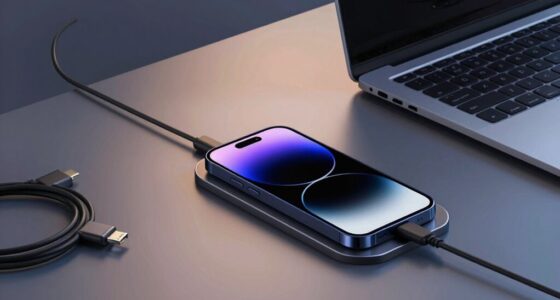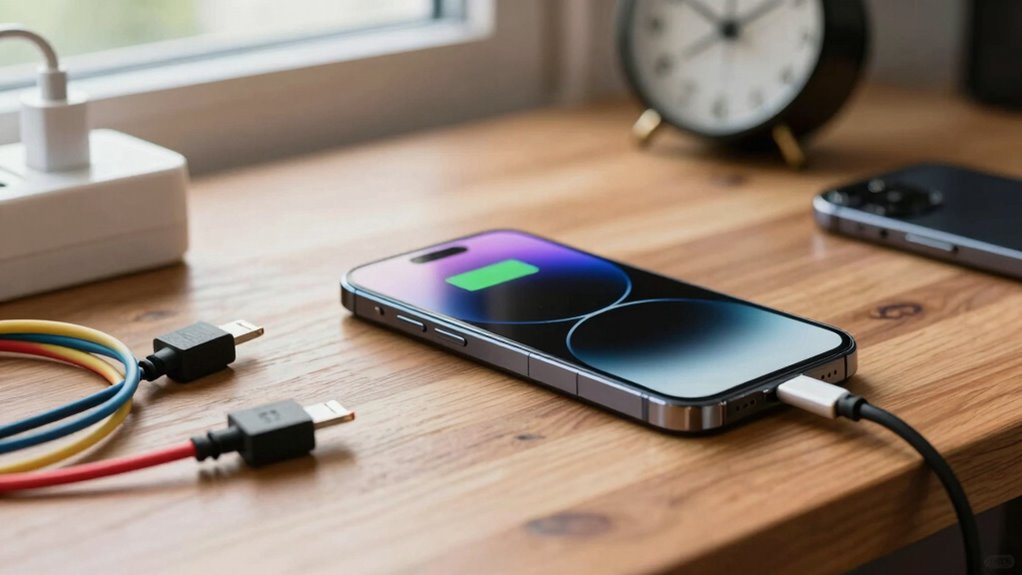

Fast charging might seem like the best way to recharge quickly, but it’s not the full story. Relying too much on it can wear out your battery faster and shorten its lifespan. Plus, fast chargers aren’t always available everywhere, especially in rural areas, which can cause delays. The quality and standards of charging stations vary, and future battery tech might change things. Keep exploring to understand how other factors can keep your EV running smoothly long-term.
Listen free for 30 days with Audible
Thousands of audiobooks and originals — cancel anytime.
As an affiliate, we earn on qualifying purchases.
Key Takeaways
- Fast charging accelerates battery wear, potentially reducing overall battery lifespan and vehicle longevity.
- Limited fast charging infrastructure, especially in rural areas, can cause delays and inconvenience.
- Variations in charging station quality and standards impact safety, efficiency, and user experience.
- Advances in battery technology may mitigate current fast charging limitations in the future.
- Balancing fast and slower charging methods helps preserve battery health and ensures reliable vehicle use.
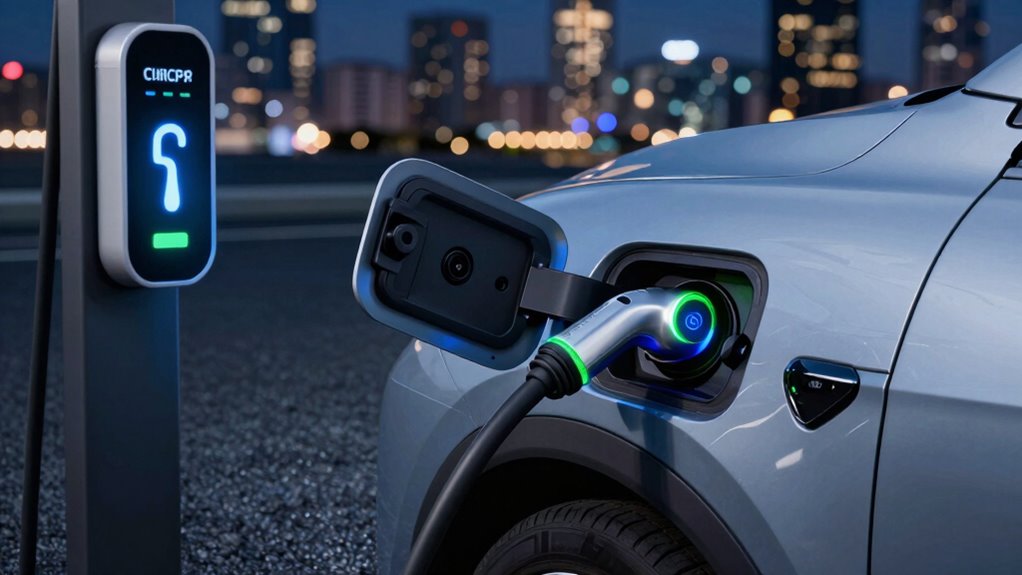
Fast charging has become a major selling point for electric vehicles, promising quicker trips and less downtime. While it’s easy to focus on how fast charging can get you back on the road, it’s equally important to consider what this means for your car’s battery longevity. Rapid charging puts extra stress on the battery, which can accelerate wear over time. If you rely heavily on fast chargers, you might find that your battery’s capacity diminishes quicker than expected, forcing you to replace the battery sooner than you would with more gradual charging methods. To avoid this, many experts advise balancing fast charging with slower, regular charges to extend your battery’s lifespan. This way, you protect your investment and maintain ideal vehicle performance over the long haul.
But even if you’re not concerned about battery longevity, the availability and quality of the charging infrastructure play a key role in making fast charging truly practical. Fast chargers are not yet as widespread as gas stations, especially in rural or less populated areas. This means that relying solely on fast charging can leave you stranded, waiting longer for a charger to become available or searching for one that’s compatible. The charging infrastructure is still evolving, and in some regions, it’s inconsistent or underdeveloped. This creates a paradox: while fast chargers promise quick trips, their limited presence can slow you down, especially if you’re planning long-distance journeys. The expansion of charging networks is essential to making fast charging a reliable and convenient option for all drivers. Additionally, fast charging infrastructure varies in quality and availability, impacting how effectively it can serve the growing number of electric vehicle users. Understanding the charging station standards and safety features can also help prevent potential issues during your charging sessions. Moreover, ongoing innovations in battery technology aim to improve durability and charging efficiency, which could alter the current landscape in the near future. It’s also worth noting that charger compatibility between different vehicle models can influence charging times and overall efficiency. Furthermore, improving the monitoring and management systems can optimize charging sessions and help preserve battery health over time.
As an affiliate, we earn on qualifying purchases.
Frequently Asked Questions
How Does Fast Charging Affect Battery Longevity?
Fast charging can accelerate battery degradation, especially if you frequently use it. It increases the number of charging cycles your battery goes through, which can shorten its overall lifespan. High-speed charging generates more heat, further impacting battery health over time. To preserve longevity, try to limit fast charging sessions and opt for slower charging when possible. Proper care helps maintain your battery’s capacity and extends its useful life.
Are There Safety Risks Associated With Fast Charging?
Fast charging can pose safety risks if the charging infrastructure isn’t properly designed or maintained. Overheating, electrical faults, or faulty chargers can cause sparks or damage, risking user safety. To stay safe, always use reputable charging stations, verify the infrastructure is certified, and follow manufacturer guidelines. Properly managed, fast charging is a safe, swift solution that keeps your device powered without compromising your safety or the system’s integrity.
What Are the Best Practices for Prolonging Battery Health?
To prolong your battery health, regularly calibrate it by fully charging and discharging it once a month. Keep an eye on thermal management; avoid exposing your device to excessive heat during charging, as high temperatures can degrade the battery. Additionally, try to keep your battery between 20% and 80% charge to minimize stress, and avoid frequent fast charging unless necessary to prevent long-term damage.
How Does Charging Speed Impact Overall Device Performance?
Sure, cramming your device with lightning-fast charging might seem like a superpower, but it can actually hurt your device’s performance. Rapid charging stresses the battery capacity, leading to quicker degradation over time. Plus, if your charging infrastructure isn’t reliable, you might experience inconsistent power levels, making your device less efficient. So, slow and steady may actually win the race, preserving battery health and ensuring consistent performance in the long run.
Do Different Battery Chemistries Respond Differently to Fast Charging?
Yes, different battery chemistries respond differently to fast charging. Your device’s battery chemistry, such as lithium-ion or solid-state, influences its charging compatibility and how well it handles rapid power influx. Some chemistries tolerate fast charging better, reducing risks of damage or capacity loss, while others may degrade faster if not designed specifically for quick power input. Always check your device’s recommended charging methods to guarantee compatibility and longevity.
As an affiliate, we earn on qualifying purchases.
Conclusion
So, speed isn’t the sole solution. While fast charging fuels your frenzy for quick power, don’t forget the finer factors—favoring flexibility, safety, and sustainability. Balance your battery’s bash with better habits, avoiding the burnout of overuse. By embracing a broader balance, you boost longevity and lessen lasting stress on your vehicle and environment. Remember, rushing might save time, but a mindful method maximizes your motor’s magic. Be wise, not just quick—your journey depends on it.
As an affiliate, we earn on qualifying purchases.
As an affiliate, we earn on qualifying purchases.
College move-in / dorm season Picks
dorm essentials
As an affiliate, we earn on qualifying purchases.