
TL;DR

Get the latest gadgets delivered free with Prime
- Fast, free delivery on millions of items
- Prime Video, Amazon Music and more included
- Member-only deals all year
A man constructed a highly realistic fake home theater, designed to trick visitors into believing it’s an actual entertainment space. The project raises questions about digital deception and authenticity.
A man has constructed a highly realistic fake home theater, designed to deceive visitors into believing it is an operational entertainment space. The project, which combines physical props and digital illusions, has garnered attention for its ingenuity and raises broader questions about digital authenticity and deception.
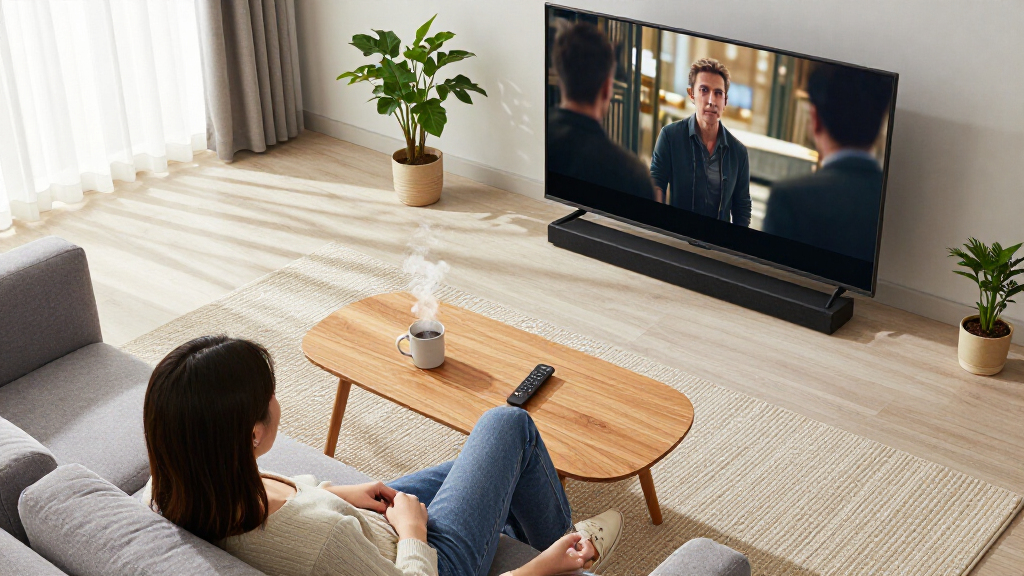
The individual, whose identity has not been publicly disclosed, created the fake home theater using a combination of physical furniture, screens, and digital effects. The setup features a large projection screen, surround sound speakers, and faux seating arrangements, all meticulously arranged to mimic a genuine home theater environment. The creator reportedly spent weeks designing and assembling the setup, aiming for maximum realism to fool visitors who are unaware of its artificial nature.
According to sources familiar with the project, the fake theater is not a simple prop display but incorporates digital illusions, such as screens displaying live feeds, animated backgrounds, and simulated lighting effects. The creator stated that the goal was to challenge perceptions of reality, testing how convincing digital and physical elements can be when combined. The project was shared on social media platforms, where viewers expressed fascination and curiosity about the techniques used.
Implications for Digital Authenticity and Deception
This project highlights the increasing sophistication of visual illusions and digital manipulation, raising concerns about how easily perceptions of reality can be altered. As virtual environments and digital effects become more realistic, distinguishing between real and artificial spaces may become more challenging, impacting fields like entertainment, security, and social interactions. The effort also prompts discussions about ethical considerations surrounding digital deception and the potential for misinformation.
As an affiliate, we earn on qualifying purchases.
Growing Interest in Visual Illusions and Digital Art
Over recent years, interest in digital art, virtual environments, and illusionary projects has surged, driven by advancements in technology and social media exposure. While many creators explore these techniques for entertainment or artistic expression, the trend also reflects broader societal questions about authenticity in the digital age. The recent spike in searches and coverage around fake environments, including virtual backgrounds and augmented reality, indicates a rising curiosity about how digital illusions can influence perceptions of reality. The specific trigger for this particular project remains unconfirmed, but it aligns with the broader trend of exploring digital deception.
As an affiliate, we earn on qualifying purchases.
Unconfirmed Motivations and Future Applications
It is not yet clear whether the creator intends to use this fake setup for entertainment, social experiments, or other purposes. The full scope of the project’s future applications remains unknown, and whether it will be used in commercial or artistic contexts is yet to be determined. Additionally, the extent of digital manipulation techniques employed has not been independently verified, leaving some questions about the technical sophistication involved.
As an affiliate, we earn on qualifying purchases.
Potential Impact on Digital Media and Perception Testing
Further developments may include more elaborate simulations or public demonstrations, prompting discussions about digital literacy and perception. Experts anticipate that similar projects could influence how virtual environments are used in entertainment, training, or even security. The creator may also explore commercial opportunities or collaborations to expand the project’s reach, but specific plans have not been announced.
As an affiliate, we earn on qualifying purchases.
Key Questions
How realistic is the fake home theater?
According to the creator, the setup is highly realistic, blending physical props with digital effects such as animated backgrounds and live feeds to create a convincing illusion.
Could this project be used maliciously?
While the project appears to be an artistic or experimental effort, it raises questions about potential misuse of digital illusions in misinformation or deception, though no malicious intent has been publicly claimed.
What techniques were used to create the illusion?
The setup combines physical furniture and screens with digital effects like animated backgrounds and simulated lighting, but specific technical details have not been disclosed.
Is this part of a larger trend?
Yes, the project aligns with a broader surge in interest around digital illusions, virtual environments, and the manipulation of visual perception, driven by technological advances and social media sharing.
What are the potential societal implications?
This project highlights how increasingly realistic digital effects can challenge perceptions of reality, raising questions about authenticity, misinformation, and digital literacy in society.
Source: rss
Halloween Picks
halloween
As an affiliate, we earn on qualifying purchases.