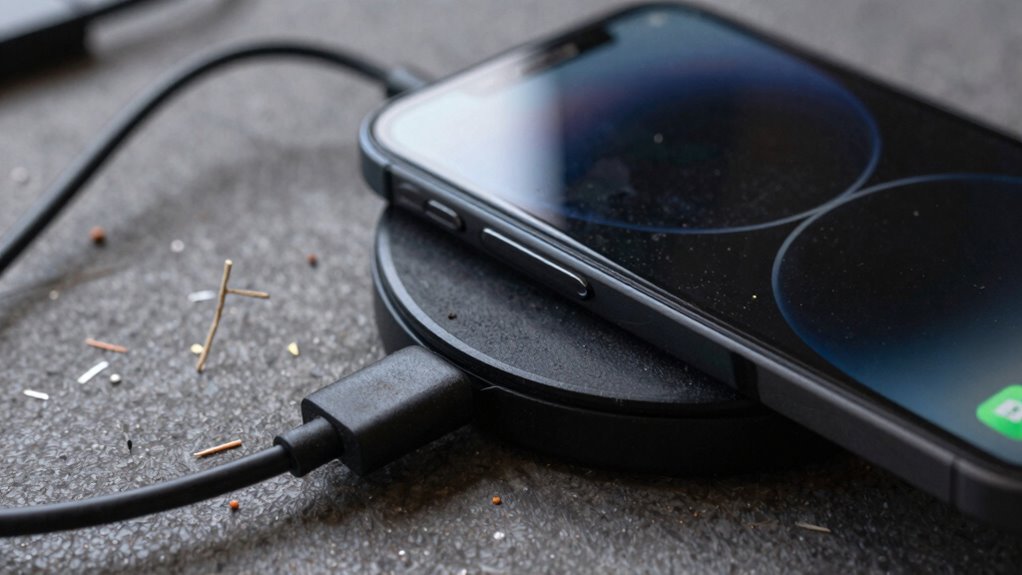

Certain cases ruin wireless charging because they block or weaken electromagnetic signals needed for energy transfer. Metal cases or those with metallic components can disrupt the process, while thick or poorly fitting cases can cause misalignment. Materials like plastic, silicone, or TPU usually work better. To guarantee smooth charging, use cases designed for wireless compatibility and avoid metallic elements. Want to learn more about how specific materials and designs impact your phone’s charging? Keep exploring to find out.

Get the latest gadgets delivered free — and shop member deals
- Fast, free delivery on millions of items
- Access to Prime Big Deal Days deals on October 6–7
- Prime Video, Amazon Music and more included
Key Takeaways
- Metal or cases with metallic components block electromagnetic signals needed for wireless charging.
- Excessively thick cases weaken the electromagnetic field, preventing proper device alignment.
- Loose or tight-fitting cases can disrupt optimal positioning on the charging pad.
- Materials like plastic or silicone generally work well, while conductive materials cause interference.
- Using cases not designed for wireless charging can lead to compatibility issues and charging failures.
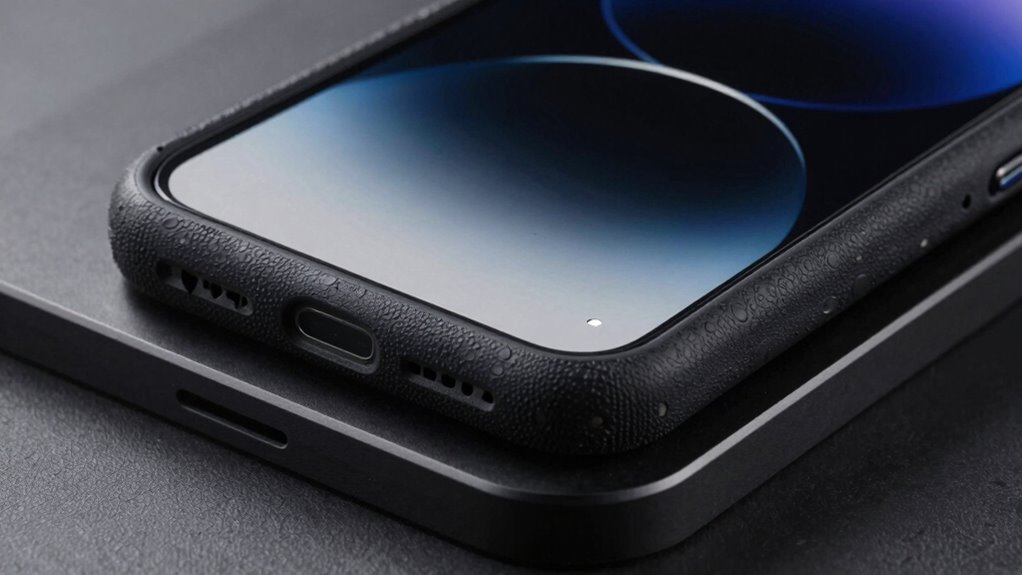
Wireless charging offers convenience, but not all cases are compatible, which can lead to charging failures. When you place your phone on a wireless charger, the device uses electromagnetic fields to transfer energy. If your case interferes with this process, charging might slow down or stop altogether. The key factors that influence this are material compatibility and case thickness.
Wireless charging may fail if your case isn’t compatible, due to material or thickness issues disrupting electromagnetic energy transfer.
Material compatibility is essential because not all materials allow electromagnetic signals to pass through efficiently. For example, metal cases are notorious for blocking wireless charging signals. If you’re using a metal or cases with metal components, it’s likely to disrupt the magnetic field needed for charging. Even some plastic or rubber cases can interfere if they contain metallic elements or conductive materials. On the other hand, cases made from non-metallic, low-loss materials like silicone, TPU, or certain plastics tend to work well with wireless chargers. Before you buy or use a case, check whether it’s labeled as compatible with wireless charging to avoid unnecessary frustration.
Case thickness also plays a significant role. Thicker cases can create a barrier that weakens the electromagnetic field, making it difficult for your device to draw power. Most wireless chargers have a recommended maximum thickness—usually around 3mm to 5mm—that they can handle effectively. If your case is too bulky, it can prevent the device from aligning properly with the charging pad, leading to failed or inconsistent charging. Even a small increase in thickness can cause problems, especially if the material also has poor conductivity. If you notice your phone isn’t charging properly, try removing or replacing your case with a thinner or more compatible one. Understanding material properties is crucial in selecting cases that won’t interfere with wireless charging. Additionally, the design and fit of your case matter. A loose-fitting case might shift and not sit flush on the charging pad, disrupting the magnetic alignment necessary for efficient energy transfer. Conversely, a tight case that presses against the device’s charging coil can also cause issues, especially if it’s made from incompatible materials. The design and fit of your case can also impact charging performance, so choosing a well-fitting case designed for wireless compatibility is recommended. The best approach is to use cases designed specifically for wireless charging—these are often tested for material compatibility and ideal thickness.
wireless charging compatible phone case
As an affiliate, we earn on qualifying purchases.
As an affiliate, we earn on qualifying purchases.
Frequently Asked Questions
Do All Phone Cases Interfere With Wireless Charging?
Not all phone cases interfere with wireless charging, but compatibility issues can arise, especially with thicker or metal cases. Thicker cases can block the electromagnetic field needed for charging, while metal components may cause interference or damage. To guarantee smooth wireless charging, opt for slim, non-metallic cases. Always check your device and case specifications to confirm compatibility, and consider testing your setup before regular use.
Can Thin Cases Still Block Wireless Charging?
Thin cases generally don’t block wireless charging, but their effectiveness depends on case thickness and material transparency. If your case is very thin and made from transparent, non-metallic material, it’s unlikely to interfere. However, even a slim case with thicker material or metal components can disrupt the magnetic field needed for charging. Always check your case’s specifications and test it with your wireless charger to verify compatibility.
Are There Specific Materials That Prevent Wireless Charging?
Certain materials, like metal, prevent wireless charging because of material insulation and conductive interference. Metal cases, for example, block electromagnetic signals needed for charging, while other materials like thick plastic or rubber generally don’t interfere. You should avoid metal or conductive elements in your phone case if you want seamless wireless charging, but most plastic or silicone cases usually work fine. Always check your case material before relying on wireless charging.
How Can I Tell if My Case Is Compatible?
To determine if your case is compatible with wireless charging, check its thickness—ideally, it should be under 4mm. Also, look at the material transparency; clear or semi-transparent cases made from plastic or silicone usually work best because they don’t interfere with the signal. If you’re unsure, test your phone with the case on a wireless charger or consult the manufacturer’s specifications for compatibility.
Does Case Color Affect Wireless Charging Effectiveness?
Your case color doesn’t considerably affect wireless charging effectiveness. However, lighter shades like white or clear may reflect signals slightly better, while darker colors could absorb some energy, but the impact is minimal. Focus more on case materials and thickness, which more directly influence charging. Choose a case with good color durability for long-lasting aesthetics, but rest assured, your case’s color isn’t a major factor in wireless charging performance.
metal free silicone phone case for wireless charging
As an affiliate, we earn on qualifying purchases.
As an affiliate, we earn on qualifying purchases.
Conclusion
Think of your phone and its wireless charger like a dance duo. When the case is too thick or metal, it’s like trying to dance through a wall — the signals can’t connect smoothly. To keep your dance flowing, choose a case that’s light and compatible. When you do, your phone and charger will glide effortlessly together, performing their perfect routine without interruption. Keep the connection clear, and your wireless dance will always stay in step.
As an affiliate, we earn on qualifying purchases.
magnetic alignment phone case for wireless charger
As an affiliate, we earn on qualifying purchases.
As an affiliate, we earn on qualifying purchases.
Fall Picks
fall essentials
As an affiliate, we earn on qualifying purchases.