
Yes, UV phone sanitizers really kill germs on your device. They use ultraviolet-C light to damage the DNA and RNA of bacteria and viruses, preventing them from reproducing. This process effectively destroys common germs like E. coli, staph, influenza, and even coronaviruses within minutes. Proper use and safety precautions guarantee maximum efficiency without chemicals. To discover how to get the most out of your sanitizer and stay safe, keep exploring the details below.
Open a free Amazon Business account
Business pricing, bulk buying and tax-exempt orders.
As an affiliate, we earn on qualifying purchases.
Key Takeaways
- UV-C light damages microorganism DNA/RNA, preventing germs from reproducing and effectively killing bacteria and viruses on devices.
- Proper use of UV phone sanitizers, including correct placement and timing, ensures maximum germ elimination.
- They are highly effective against common pathogens like E. coli, staph, influenza, and coronaviruses without chemicals.
- Safety features like automatic shut-off protect users from harmful UV exposure during operation.
- Regular cleaning combined with UV sanitization improves overall effectiveness in reducing germs on devices.

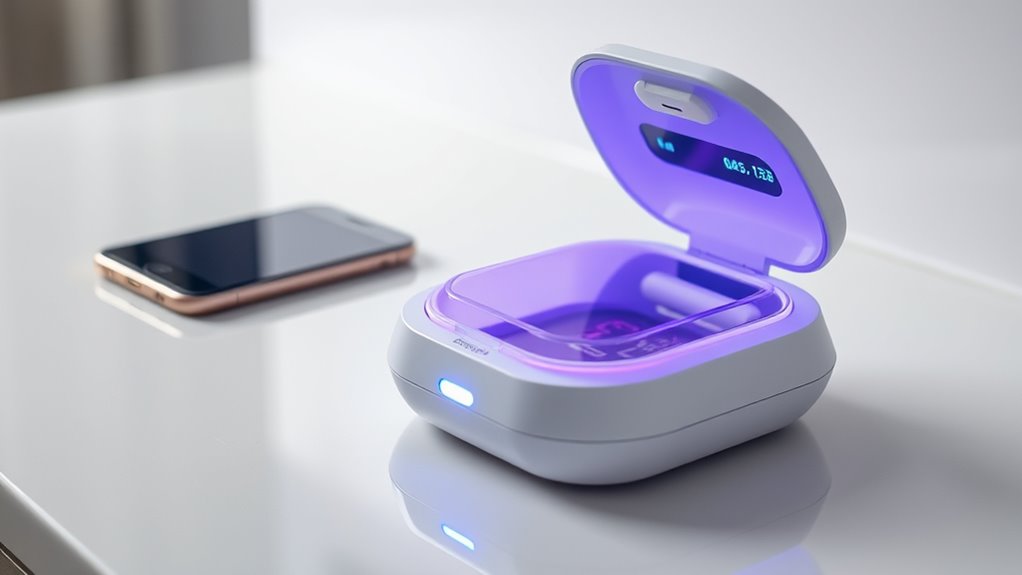
UV phone sanitizers employ UV-C light, a specific wavelength that damages the DNA and RNA of microorganisms such as bacteria and viruses. When you place your phone inside the sanitizer, the UV-C light bathes the surface, disrupting the genetic material of germs and preventing them from reproducing. This process is highly effective at killing a wide range of pathogens, including common bacteria like E. coli and staph, as well as viruses like influenza and coronaviruses. The germ elimination process is quick, often taking just a few minutes, and doesn’t involve the use of chemicals, making it a convenient and eco-friendly solution. Proper device safety measures are essential to ensure you avoid potential risks associated with UV-C exposure. Most sanitizers are designed with safety features, such as automatic shut-off mechanisms, to prevent accidental exposure to UV light. It’s essential to follow the manufacturer’s instructions carefully—never look directly at the UV light when the device is on, and avoid opening the sanitizer while the UV lamp is active. When used correctly, these devices pose minimal risk to your skin or eyes, but misuse can lead to irritation or damage. Additionally, the material of your device can influence how well germ elimination works. Smooth surfaces are easier to sanitize thoroughly, while textured or porous materials might harbor germs in crevices. Regular cleaning of your phone with a wipe before using the UV sanitizer can enhance germ elimination effectiveness. Also, ensure the device is placed in the sanitizer properly, with no obstructions, so the UV light can reach all surfaces.

PhoneSoap 3 UV Phone Sanitizer Box & Dual Charger, Patented 360° UVC, White
- UV-C Phone Sanitizer & Charger: Cleans and charges phones with UV-C light
- 360-Degree Disinfection: Ensures full surface coverage with patented design
- Quick and Easy Use: Disinfects in 10 minutes with simple operation
As an affiliate, we earn on qualifying purchases.
As an affiliate, we earn on qualifying purchases.
Frequently Asked Questions
Are UV Phone Sanitizers Safe for My Skin?
UV phone sanitizers are generally safe, but you should be cautious about UV safety and skin exposure. They’re designed to target germs on your device, not your skin, so avoid opening the sanitizer during use. Direct skin exposure to UV light can cause damage or burns. Always follow the manufacturer’s instructions, and don’t look directly at the UV light to protect your skin and eyes.
How Long Does It Take for a UV Sanitizer to Work?
Imagine a gentle, invisible wave of UV light working quietly on your device. Typically, a UV sanitizer takes about 2 to 6 minutes to effectively eliminate germs. During this brief moment, it bathes your phone in germ elimination magic, ensuring your device is cleaner and safer. You’ll see it’s a quick process that fits seamlessly into your routine, giving you peace of mind with minimal effort.
Can UV Sanitizers Damage My Phone’s Screen or Battery?
UV sanitizers are generally safe for your phone’s screen and battery, but improper use can cause screen damage or affect battery safety. Avoid exposing your device to UV light for too long, and always follow the manufacturer’s instructions. Overuse or close proximity might lead to screen discoloration or overheating. To protect your device, use trusted sanitizers and don’t leave it in the UV chamber longer than recommended.
Do UV Phone Sanitizers Eliminate All Types of Germs?
Did you know UV phone sanitizers can eliminate up to 99.9% of germs? While they’re effective at germ eradication, they don’t eliminate all types of germs, especially some bacteria and viruses hidden in cracks or crevices. Your device compatibility is vital—most work with phones and small gadgets, but check the manufacturer’s instructions. Use UV sanitizers regularly for better protection, but don’t rely solely on them for complete sterilization.
Are UV Sanitizers More Effective Than Traditional Cleaning Methods?
UV sanitizers are generally more effective than traditional cleaning methods for germ removal efficiency because they can quickly target bacteria and viruses on your device’s surface. Unlike wiping, which might miss spots or spread germs, UV light provides a thorough, chemical-free clean. When comparing cleaning methods, UV sanitizers often offer a more consistent and all-encompassing germ removal, making them a convenient and efficient choice for maintaining device hygiene.
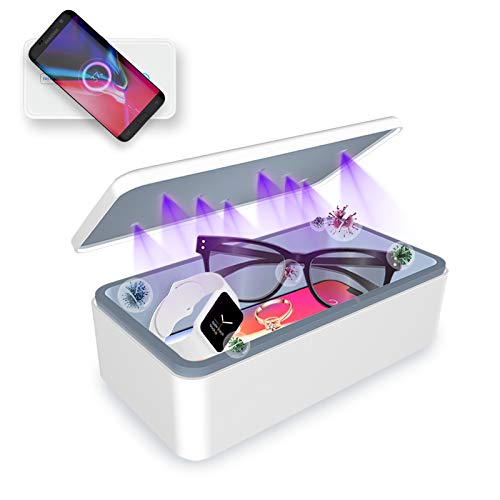
Cahot UV light Sanitizer Box, phone sanitizer with wireless charging, ultra-powerful 8 UV-C Sterilizer machine for Phone Toothbrush Nail Tools Jewelry and more
- Powerful UV-C Sterilization: Eliminates 99% of hazards in 3 minutes
- Fits Phones Up to 6.5 Inches: Large, deep design for various devices
- Multi-Use Disinfection: Cleans gadgets, jewelry, glasses, and more
As an affiliate, we earn on qualifying purchases.
As an affiliate, we earn on qualifying purchases.
Conclusion
Think of UV phone sanitizers as a firefighter rushing in to tame a blaze. While they can zap away many germs, they aren’t a magic wand. I once used one after a trip, and it gave me peace of mind—like locking your door after a break-in. Just remember, no device is perfect. Combining UV sanitizers with good hand hygiene keeps your device safer, like adding a sturdy lock to your front door.
Cahot UV light Sanitizer Box, phone sanitizer with wireless charging, ultra-powerful 8 UV-C Sterilizer machine for Phone Toothbrush Nail Tools Jewelry and more
- Powerful UV-C Sterilization: Eliminates 99% of hazards in 3 minutes
- Fits Phones Up to 6.5 Inches: Large, deep design for various devices
- Multi-Use Disinfection: Cleans gadgets, jewelry, glasses, and more
As an affiliate, we earn on qualifying purchases.
As an affiliate, we earn on qualifying purchases.
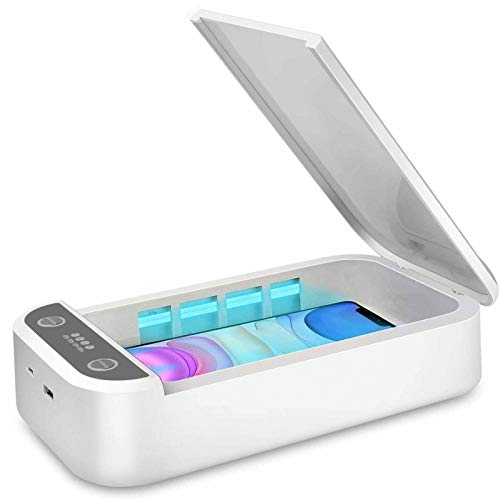
Watolt UV Light Sanitizer – Cell Phone Sanitizer Cleaner Box
- Sanitizes Phones Safely: Uses UV light, no liquids or chemicals
- Universal Phone Fit: Fits phones under 6.6 inches
- Multi-Use Sanitizer Box: Disinfects masks, keys, and more
As an affiliate, we earn on qualifying purchases.
As an affiliate, we earn on qualifying purchases.
Pool season Picks
robotic pool cleaners
As an affiliate, we earn on qualifying purchases.