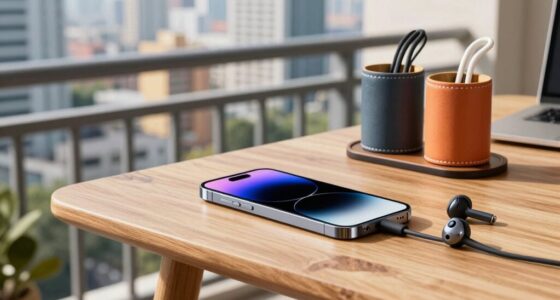
To tell if a charger cable is safe, look for certification labels like UL, FCC, or CE, which guarantee it meets safety standards. Certified cables use quality materials, have proper insulation, and undergo rigorous testing, making them more durable and safe for your devices. Cheap cables often lack these features, risking shorts, damage, or safety hazards. Keep in mind, understanding the key differences can help protect your gadgets—if you want, you can find out more below.

Get the latest gadgets delivered free with Prime
- Fast, free delivery on millions of items
- Prime Video, Amazon Music and more included
- Member-only deals all year
Key Takeaways
- Certified cables meet safety and performance standards through rigorous testing, ensuring reliable and safe device operation.
- Look for official certifications like UL, CE, or FCC marks on the cable or packaging.
- Reputable brands prioritize quality control, resulting in better insulation, connectors, and durability.
- Cheap cables often use inferior materials, wear out quickly, and may cause device damage or safety hazards.
- Investing in certified cables reduces long-term costs by preventing frequent replacements and potential safety issues.
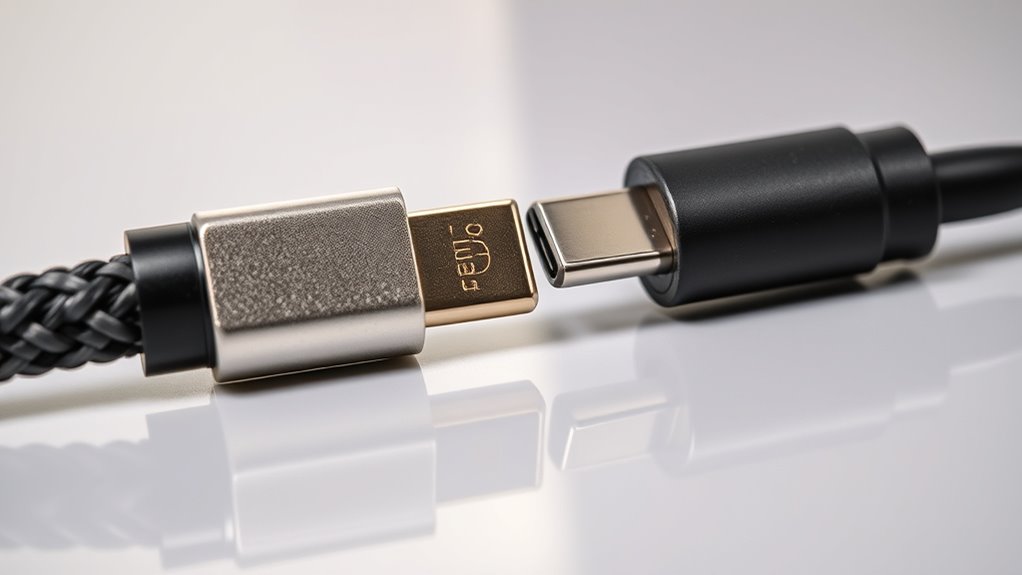
When it comes to choosing cables for your devices, you might wonder whether investing in certified cables is worth the extra cost compared to cheap alternatives. The truth is, there’s more at stake than just price. Durability concerns are a major factor—cheap cables often use lower-quality materials that wear out quickly or break prematurely, leaving you scrambling for replacements. Certified cables, on the other hand, tend to undergo rigorous testing to meet safety and performance standards, which usually results in longer-lasting products that withstand daily wear and tear. You don’t want your cable fraying or becoming unreliable after just a few months, and opting for certified options can markedly reduce that risk. Additionally, certified cables are more likely to have proper insulation and wiring, ensuring safer charging and data transfer. Brand reputation plays a vital role in this decision. Reputable brands invest in quality control and adhere to industry standards, giving you confidence that their cables are safe and dependable. When you buy from well-known manufacturers, you’re more likely to get a cable that’s been tested for safety features such as proper insulation, correct wiring, and reliable connectors. Conversely, lesser-known or generic brands often cut corners to keep costs low, which can compromise safety and performance. You might save money upfront, but the potential consequences—damaged devices, safety hazards, or even electrical fires—are far more costly in the long run.
As an affiliate, we earn on qualifying purchases.
Frequently Asked Questions
Can Cheap Cables Damage My Device’s Battery?
Cheap cables can damage your device’s battery health over time and slow down charging speed. They often lack proper insulation and quality components, which can cause inconsistent power delivery and overheating. This risks degrading your battery faster and may even lead to device damage. To keep your battery healthy and guarantee ideal charging speed, always opt for certified cables that meet safety standards and provide reliable performance.
How Can I Test a Cable’s Safety at Home?
Did you know that nearly 60% of cable failures are caused by poor insulation or unstable connectors? To test a cable’s safety at home, check its insulation for cracks or wear, and make sure the connector fits snugly without wobbling. Try gently tugging the cable near the connector—if it loosens, it’s unsafe. Use a multimeter to verify proper voltage, ensuring your cable’s insulation and connector stability are up to standard.
Do Certified Cables Charge Devices Faster?
Certified cables often charge devices faster because they support higher charging speeds due to better cable quality and adherence to safety standards. When you use a certified cable, you’re more likely to experience maximum charging performance, especially with fast-charging devices. Cheap cables may be unsafe or less efficient, leading to slower charging or potential damage. Always choose certified cables to guarantee safe, reliable, and quicker charging for your devices.
Are Third-Party Certified Cables Always Reliable?
Third-party certified cables can be reliable if they meet strict standards, but don’t blindly believe all brands boast quality. You should scrutinize the source, considering brand reputation and manufacturing standards, before trusting a third-party cable. While certification indicates some level of safety and performance, it doesn’t guarantee perfection. You need to be cautious, checking reviews and verifying credentials to guarantee your device stays safe and charges efficiently.
What Are the Signs of a Failing Charging Cable?
You’ll notice signs of a failing charging cable through wear and tear, like bent or cracked connectors. Frayed wires are a clear red flag, indicating internal damage that can cause intermittent charging or sparks. If your cable stops working suddenly or charges very slowly, it’s time to replace it. Always inspect for visible damage and avoid using cables with exposed wires to prevent safety hazards.
As an affiliate, we earn on qualifying purchases.
Conclusion
So, next time you pick up a charger cable, will you risk it with cheap, uncertified options or choose safety and reliability? Remember, a small difference in price could mean a big difference in safety. The truth is, not all cables are created equal—some could put your devices and your safety on the line. Are you willing to gamble with that? Make the smart choice before it’s too late.
safety tested data transfer cables
As an affiliate, we earn on qualifying purchases.
As an affiliate, we earn on qualifying purchases.
reliable certified phone chargers
As an affiliate, we earn on qualifying purchases.
As an affiliate, we earn on qualifying purchases.
Columbus Day / Indigenous Peoples' Day Picks
long weekend sales
As an affiliate, we earn on qualifying purchases.