
The Apple 2026 MacBook Air 13-inch with M5 takes the top spot as the best Apple product overall, pairing desktop-class speed with an ultra-portable frame that handles everything from student workloads to creative projects. Close behind, the Apple iPad 11-inch with A16 chip delivers the best value in Apple’s entire lineup, offering roughly 90% of a laptop experience at a lower entry point. For audio lovers, the AirPods Max 2 remain the premium pick if you want the best sound Apple makes. The main tradeoff buyers face in this category is ecosystem fit versus budget: Apple accessories like the Pencil Pro and Magic Keyboard are excellent, but only if you already own the matching device. Read on for the full ranked breakdown and which pick matches your setup.

Get the latest gadgets delivered free — and shop member deals
- Fast, free delivery on millions of items
- Access to Prime Big Deal Days deals on October 6–7
- Prime Video, Amazon Music and more included
Complete the kit


Key Takeaways
- The MacBook Air M5 won best overall because it is the only product in the lineup that works as a standalone primary device — every other pick assumes you already own an iPad, Mac, or iPhone.
- Two AirPods Max 2 colorways (Starlight and Blue) appear because they are identical in function; the only decision there is cosmetic, so choose on aesthetics, not performance.
- The Apple Pencil USB-C and Pencil Pro revealed the sharpest value split in the lineup: the Pro’s squeeze and haptic features only justify themselves for serious illustrators.
- The MacBook Neo with A18 Pro undercuts the Air on price but its fanless chip throttles under sustained workloads, making it a secondary-device pick rather than a laptop replacement.
- The Magic Mouse ranked lowest not because of tracking quality but because of its Lightning-era ergonomics and charging port placement, a reminder that Apple accessories age unevenly.
| Apple AirPods Max 2 Wireless Over-Ear Headphones – Starlight |  | Best Premium Audio | Chip: H2 | Noise Cancellation: Up to 1.5x more effective than previous generation | Battery Life: Up to 20 hours | VIEW LATEST PRICE | See Our Full Breakdown |
| Apple Pencil (USB-C) |  | Best Value Stylus | Compatibility: iPad Pro 13-inch (M4, M5), iPad Pro 12.9-inch (3rd-6th gen), iPad Pro 11-inch (M4, M5, 1st-4th gen), iPad Air (M2, M3, M4), iPad mini (6th gen, A17 Pro), iPad (10th gen) | Charging: USB-C | Attachment: Magnetic flat edge | VIEW LATEST PRICE | See Our Full Breakdown |
| Apple Watch SE 3 GPS 40mm Smartwatch with Midnight Aluminum Case and Sport Band |  | Best Value Smartwatch | Model: SE 3 | Case Size: 40mm | Connectivity: GPS | VIEW LATEST PRICE | See Our Full Breakdown |
| Apple Magic Keyboard – US English, Bluetooth |  | Best Desktop Companion | Connectivity: Bluetooth | Layout: US English | Battery: Rechargeable, lasts about a month or more | VIEW LATEST PRICE | See Our Full Breakdown |
| Apple Pencil Pro (Latest Model) |  | Best for Creative Professionals | Compatibility: iPad Pro 13-inch (M4, M5), iPad Pro 11-inch (M4, M5), iPad Air 11-inch (M2, M3, M4), iPad Air 13-inch (M2, M3, M4), iPad mini (A17 Pro) | Sensitivity: Tilt and pressure sensitivity | Latency: Low latency | VIEW LATEST PRICE | See Our Full Breakdown |
| Apple AirPods Max 2 Wireless Over-Ear Headphones – Blue |  | Best for Immersive Listening | Connectivity: Wireless, USB-C | Battery life: Up to 20 hours | Noise cancellation: Active Noise Cancellation | VIEW LATEST PRICE | See Our Full Breakdown |
| Apple 2026 MacBook Air 13-inch Laptop with M5 Chip, 16GB RAM, 512GB SSD, Liquid Retina Display, 12MP Camera, Touch ID, Wi-Fi 7, Silver | 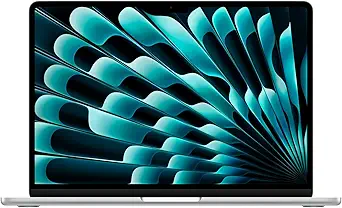 | Best Overall MacBook | Display: 13.6-inch Liquid Retina | Processor: M5 chip | Memory: 16GB unified memory | VIEW LATEST PRICE | See Our Full Breakdown |
| Apple iPad 11-inch with A16 Chip, 128GB, Liquid Retina Display, Wi-Fi 6, 12MP Front/Back Camera, Touch ID – Silver |  | Best for Everyday iPad Use | Display: 11-inch Liquid Retina | Processor: A16 chip | Storage: 128GB | VIEW LATEST PRICE | See Our Full Breakdown |
| Apple Magic Mouse – White Multi-Touch Surface |  | Best for Mac Gestures | Connectivity: Wireless, Bluetooth | Rechargeable: Yes | Compatibility: Mac | VIEW LATEST PRICE | See Our Full Breakdown |
| Apple 2026 MacBook Neo 13-inch Laptop with A18 Pro Chip |  | Best for Lightweight Everyday Computing | Display: 13-inch Liquid Retina | Processor: A18 Pro chip | Memory: 8GB unified memory | VIEW LATEST PRICE | See Our Full Breakdown |
| Apple product | Connectivity | Battery Life | Compatibility |
|---|---|---|---|
| Apple AirPods Max 2 Wireless O | USB-C | Up to 20 hours | — |
| Apple Pencil | — | — | iPad Pro 13-inch (M4, M5), iPad Pro 12.9-inch (3rd-6th gen), iPad Pro 11-inch (M4, M5, 1st-4th gen), iPad Air (M2, M3, M4), iPad mini (6th gen, A17 Pro), iPad (10th gen) |
| Apple Watch SE 3 GPS 40mm Smar | GPS | Up to 18 hours | — |
| Apple Magic Keyboard | Bluetooth | — | Mac via automatic Bluetooth pairing |
| Apple Pencil Pro | — | — | iPad Pro 13-inch (M4, M5), iPad Pro 11-inch (M4, M5), iPad Air 11-inch (M2, M3, M4), iPad Air 13-inch (M2, M3, M4), iPad mini (A17 Pro) |
| Apple AirPods Max 2 Wireless O | Wireless, USB-C | Up to 20 hours | — |
| Apple 2026 MacBook Air 13-inch | Wi-Fi 7, Bluetooth 6, Thunderbolt 4, MagSafe | Up to 18 hours | — |
| Apple iPad 11-inch with A16 Ch | Wi-Fi 6 | All-day | Apple Pencil (1st generation), Magic Keyboard Folio |
| Apple Magic Mouse | Wireless, Bluetooth | — | Mac |
| Apple 2026 MacBook Neo 13-inch | — | Up to 16 hours | — |
More Details on Our Top Picks
Apple AirPods Max 2 Wireless Over-Ear Headphones – Starlight
This is the pick that anchors the high-end audio side of the Apple lineup. The AirPods Max 2 stand out for noise cancellation that Apple claims is up to 1.5x more effective than the first generation, plus lossless audio over USB-C — a real benefit for listeners who want detail that Bluetooth alone can’t deliver. Compared with the standard AirPods line, the knit-mesh canopy and memory foam cushions make long listening sessions far more comfortable, and personalized spatial audio with head tracking gives movies a theater-like feel. The tradeoff is steep: the premium price puts it out of reach for casual listeners, and features like Live Translation are still in beta. It also assumes you’re already inside the Apple ecosystem — Android and Windows users will miss most of the intelligence that justifies the cost.
Pros:- Exceptional high-fidelity sound with active noise cancellation
- Personalized spatial audio with head tracking for immersive media
- Breathable knit-mesh and memory foam design for long sessions
- Lossless audio over USB-C and up to 20 hours of battery life
Cons:- Premium price point is a big leap over smaller AirPods models
- Live Translation is in beta with limited availability
- Full feature set requires compatible Apple devices and latest firmware
Best for: Apple-device owners who prioritize immersive sound and top-tier noise cancellation for travel, commuting, or studio-style listening
Not ideal for: Casual or budget-minded listeners — a cheaper AirPods model covers everyday podcast and call needs at a fraction of the cost
- Chip:H2
- Noise Cancellation:Up to 1.5x more effective than previous generation
- Battery Life:Up to 20 hours
- Connectivity:USB-C
- Color Options:Five vibrant colors
- Design:Breathable knit-mesh canopy, memory foam and textile ear cushions
- Special Features:Personalized spatial audio, Live Translation, Adaptive Audio
Our verdict“Buy these if immersive, cancellation-heavy listening on Apple gear is a priority and the price feels justified; skip them if you just need everyday wireless audio.”
Apple Pencil (USB-C)
The USB-C Apple Pencil is the practical entry point into iPad stylus work. It delivers pixel-perfect precision, tilt sensitivity, and low latency — the essentials for note-taking, signing PDFs, and casual sketching — while undercutting the Apple Pencil Pro on price. Compared with the Apple Pencil Pro, it skips pressure sensitivity, haptics, and gesture controls, which matters if you shade by pressing lighter or harder. But for students and office users, those features go unused anyway. The magnetic flat-edge attachment keeps it docked to your iPad, and USB-C charging means no proprietary cables. The real limitation is compatibility: it works with a specific list of iPads, so older iPad owners should check before buying. Within Apple’s stylus lineup, this pick makes the most sense for anyone whose stylus work starts and ends with notes and markup.
Pros:- High precision and tilt sensitivity for detailed work
- Magnetic attachment keeps it docked to your iPad
- USB-C charging with no proprietary cables
- Wide compatibility across recent iPad Pro, Air, mini, and base models
Cons:- No pressure sensitivity, limiting nuanced drawing and shading
- Only works with a specific list of compatible iPad models
- Fewer advanced features than the Apple Pencil Pro
Best for: Students and professionals who take handwritten notes, annotate documents, and sketch occasionally without paying Pro pricing
Not ideal for: Digital artists and illustrators — the lack of pressure sensitivity and haptics makes the Pencil Pro the better creative tool
- Compatibility:iPad Pro 13-inch (M4, M5), iPad Pro 12.9-inch (3rd-6th gen), iPad Pro 11-inch (M4, M5, 1st-4th gen), iPad Air (M2, M3, M4), iPad mini (6th gen, A17 Pro), iPad (10th gen)
- Charging:USB-C
- Attachment:Magnetic flat edge
- Precision:Pixel-perfect with tilt sensitivity
- Latency:Low latency
- Extra Features:Apple Pencil hover support on compatible iPads
Our verdict“This is the smart buy for note-takers and document-markup users; artists should step up to the Pencil Pro.”
Apple Watch SE 3 GPS 40mm Smartwatch with Midnight Aluminum Case and Sport Band
The SE 3 is where smartwatch value lives in Apple’s wearable lineup. It covers the health pillars — sleep tracking, women’s health insights, fall detection, and fitness monitoring — plus an always-on display, a feature that used to be reserved for pricier Series models. Compared with the flagship Apple Watch line, the SE 3 trades away advanced sensors and larger case options, but most buyers tracking workouts and notifications won’t notice. The fast charging is a genuine quality-of-life win: 15 minutes adds up to 8 hours of use, which softens the 18-hour battery constraint for anyone willing to top up during a shower. The catch is iPhone dependency — it’s effectively an iPhone accessory, not a standalone device — and heavy sleep trackers may find daily charging interrupts overnight wear.
Pros:- Comprehensive health and fitness tracking including sleep and women’s health insights
- Always-on display for glanceable information
- Fast charging adds up to 8 hours in 15 minutes
- Fall detection adds a safety net for older users
Cons:- 18-hour battery life demands a daily charging habit
- Requires an iPhone for setup and full functionality
- Fewer advanced sensors and features than flagship Apple Watch models
Best for: iPhone owners who want core health, fitness, and safety features at the most sensible price in the Apple Watch range
Not ideal for: Android users, who can’t pair it at all, and endurance athletes who need multi-day battery life between charges
- Model:SE 3
- Case Size:40mm
- Connectivity:GPS
- Case Material:Midnight Aluminum
- Band:Midnight Sport Band
- Battery Life:Up to 18 hours
- Charging:Fast charging up to 8 hours in 15 minutes
- Water Resistance:Water resistant
Our verdict“If you want the Apple Watch experience without flagship pricing, the SE 3 hits the sweet spot — as long as you own an iPhone and charge nightly.”
Apple Magic Keyboard – US English, Bluetooth
The Magic Keyboard earns its place as the no-fuss desk upgrade for Mac users. Pairing is automatic and effectively invisible once set up, and the rechargeable battery lasting a month or more means charging becomes a monthly afterthought rather than a routine. Compared with the Apple Magic Mouse, which shares the same pairing and battery strengths, the keyboard is the more universally useful purchase because typing is central to nearly every workflow. The low-profile scissor keys offer a precise, quiet typing feel that third-party budget keyboards rarely match. The tradeoffs are honest ones: there’s no numeric keypad, which will frustrate spreadsheet-heavy users, and it’s really built for Mac — the layout and function keys assume macOS, so Windows shoppers should look elsewhere. Paired with a MacBook Air or Mac mini, it completes a clean, cable-free desk setup.
Pros:- Seamless automatic pairing with Mac devices
- Rechargeable battery lasting a month or more per charge
- Precise, comfortable low-profile typing
- USB-C charging with the included cable
Cons:- No numeric keypad, limiting for data entry work
- Mac-centric design makes it a poor fit for Windows or mixed setups
Best for: Mac owners building a clean wireless desk setup who want reliable typing and month-long battery life
Not ideal for: Number-crunchers and Windows users — no numeric keypad, and the layout is Mac-specific
- Connectivity:Bluetooth
- Layout:US English
- Battery:Rechargeable, lasts about a month or more
- Charging Port:USB-C
- Compatibility:Mac via automatic Bluetooth pairing
- Numeric Keypad:Not included
Our verdict“A dependable, set-it-and-forget-it keyboard for Mac workstations — just not for anyone who lives in spreadsheets.”
Apple Pencil Pro (Latest Model)
The Pencil Pro is the full-featured stylus for people who draw for a living — or wish they did. Beyond the pixel-perfect precision and low latency shared with the Apple Pencil (USB-C), it adds pressure sensitivity, haptic feedback that confirms every gesture, squeeze controls for tool switching, and barrel roll for rotating brushes. Hover preview lets you see your stroke before it lands, a subtle feature that changes how carefully you compose lines. It also charges wirelessly via magnetic attachment, so there’s no cable to keep track of. The compromises are clear: it only works with a short list of recent iPad Pro, Air, and mini models, it’s sold separately from the iPad, and it commands a premium price. For serious illustrators and designers, those gestures and that pressure response justify the cost; for note-takers, the USB-C model does the same job for less.
Pros:- Pressure and tilt sensitivity for expressive, nuanced drawing
- Haptic feedback and squeeze gestures streamline tool switching
- Magnetic attachment with wireless pairing and charging
- Hover preview and Find My support add practical polish
Cons:- Premium price on top of an already expensive iPad
- Only compatible with the newest iPad Pro, Air, and mini models
Best for: Illustrators, designers, and serious digital artists who need pressure sensitivity and gesture controls on a recent iPad
Not ideal for: Note-takers and casual users — the Apple Pencil (USB-C) covers notes and markup at a lower price with the same core precision
- Compatibility:iPad Pro 13-inch (M4, M5), iPad Pro 11-inch (M4, M5), iPad Air 11-inch (M2, M3, M4), iPad Air 13-inch (M2, M3, M4), iPad mini (A17 Pro)
- Sensitivity:Tilt and pressure sensitivity
- Latency:Low latency
- Charging:Wireless via magnetic attachment
- Attachment:Magnetic pairing and charging
- Gestures:Squeeze and barrel roll with haptic feedback
- Extra Features:Hover preview, Find My support
Our verdict“The Pencil Pro is the right call for creators who need pro-level control; everyone else should save money with the USB-C Pencil.”
Apple AirPods Max 2 Wireless Over-Ear Headphones – Blue
The AirPods Max 2 is the roundup’s dedicated choice for listeners who want over-ear comfort and a more enveloping presentation than the AirPods Max 2 – Starlight, which has the same listed features in a different color. Active noise cancellation and Adaptive Audio help manage changing surroundings, while personalized spatial audio adds a sense of space to compatible content. USB-C lossless audio gives wired listening a role too. Its stated battery life reaches 20 hours, though that is shorter than the MacBook Air’s quoted 18-hour runtime only by category, not a direct comparison. The tradeoff is a specialized, premium headphone with features that depend on compatible devices, firmware, or regional availability. Buyers who prefer compact earbuds or do not need noise cancellation may find the over-ear design more than they need.
Pros:- Active noise cancellation and Adaptive Audio respond to listening surroundings
- Personalized spatial audio supports an immersive presentation
- USB-C supports lossless wired listening
- Memory foam cushions and a knit-mesh canopy are designed for extended wear
Cons:- Over-ear construction is less compact than earbuds for travel and storage
- Some features depend on compatible devices, firmware, or regional availability
- The listed battery life is up to 20 hours, so frequent travelers may need to recharge
Best for: Apple users who regularly listen on flights, commutes, or in noisy workspaces and want immersive over-ear audio.
Not ideal for: Listeners seeking compact earbuds, a workout-friendly design, or a simpler headphone without device-dependent features.
- Connectivity:Wireless, USB-C
- Battery life:Up to 20 hours
- Noise cancellation:Active Noise Cancellation
- Audio features:Personalized spatial audio, Adaptive Audio, Live Translation
- Materials:Knit-mesh canopy, memory foam, textile ear cushions
- Color:Blue
Our verdict“Choose AirPods Max 2 if immersive over-ear listening and noise control matter more to you than compact size.”
Apple 2026 MacBook Air 13-inch Laptop with M5 Chip, 16GB RAM, 512GB SSD, Liquid Retina Display, 12MP Camera, Touch ID, Wi-Fi 7, Silver
For buyers who want one Apple device to cover study, office work, and travel, the 13-inch MacBook Air with M5 is the roundup’s most balanced computer pick. Its 16GB of unified memory and 512GB SSD provide a stronger starting point for multitasking and local files than the MacBook Neo’s 8GB of memory, while the Air’s 13.6-inch display remains easy to carry. The quoted battery life reaches 18 hours, and MagSafe charging leaves Thunderbolt 4 ports available for accessories. Wi-Fi 7 and a 12MP Center Stage camera round out a setup suited to calls and connected work. The tradeoff is that buyers needing demanding graphics work may want dedicated graphics, which the supplied specifications do not list; external displays are limited to two.
Pros:- M5 chip paired with 16GB unified memory supports demanding multitasking
- 512GB SSD provides more listed storage than many entry configurations
- Up to 18 hours of stated battery life suits long days away from an outlet
- MagSafe, Thunderbolt 4, and Wi-Fi 7 offer flexible connectivity
Cons:- No dedicated GPU is listed for graphics-intensive workflows
- External display support is limited to two displays
- The 13.6-inch screen may feel cramped for users who work across large canvases
Best for: Students and mobile professionals who need a portable Mac for multitasking, video calls, and everyday creative or office work.
Not ideal for: Buyers focused on graphics-heavy workloads or those who need more than two external displays.
- Display:13.6-inch Liquid Retina
- Processor:M5 chip
- Memory:16GB unified memory
- Storage:512GB SSD
- Battery life:Up to 18 hours
- Camera:12MP Center Stage
- Connectivity:Wi-Fi 7, Bluetooth 6, Thunderbolt 4, MagSafe
- Color:Silver
Our verdict“Pick the MacBook Air if you want a capable, portable Mac with more memory headroom than the MacBook Neo.”
Apple iPad 11-inch with A16 Chip, 128GB, Liquid Retina Display, Wi-Fi 6, 12MP Front/Back Camera, Touch ID – Silver
The 11-inch iPad with A16 is the straightforward tablet choice for browsing, streaming, notes, and light creative work. Unlike the MacBook Air, it prioritizes touch input and tablet portability; Apple Pencil and Magic Keyboard Folio compatibility can add drawing or typing when needed. The 12MP front camera with Center Stage is useful for calls because it can keep the speaker framed as they move, and the 12MP rear camera includes True Tone flash. At 128GB, the listed storage is less generous than the MacBook Air’s 512GB SSD, so a large offline media library may require regular housekeeping. Accessories are separate parts of the setup, and the supplied connectivity is Wi-Fi 6 with no 5G listed. It fits buyers who value flexible tablet use over a full laptop workflow.
Pros:- A16 chip supports responsive everyday tablet tasks
- 11-inch Liquid Retina display suits reading, streaming, and browsing
- Apple Pencil and Magic Keyboard Folio compatibility allow different workflows
- Center Stage front camera and True Tone flash-equipped rear camera support calls and photos
Cons:- 128GB storage may constrain large apps and offline media collections
- Pencil and keyboard accessories are needed for drawing and extended typing
- Wi-Fi 6 is listed, with no 5G connectivity specified
Best for: Readers, students, and families who want a touch-first tablet for media, video calls, notes, and occasional typing.
Not ideal for: People who need laptop-style multitasking, cellular connectivity, or ample built-in space for large offline files.
- Display:11-inch Liquid Retina
- Processor:A16 chip
- Storage:128GB
- Connectivity:Wi-Fi 6
- Front camera:12MP with Center Stage
- Rear camera:12MP Wide with True Tone flash
- Battery life:All-day
- Compatibility:Apple Pencil (1st generation), Magic Keyboard Folio
Our verdict“Choose this iPad for a capable touch-first device when tablet flexibility matters more than the MacBook Air’s laptop workflow.”
Apple Magic Mouse – White Multi-Touch Surface
The Magic Mouse suits Mac users who want scrolling and swiping on the mouse itself, rather than relying on a separate trackpad. That gives it a different role from the Magic Keyboard in this roundup: the mouse adds pointer control and Multi-Touch gestures, while the keyboard focuses on typing. Wireless Bluetooth pairing and a rechargeable battery keep the desk setup simple, and automatic pairing with Mac devices reduces setup friction. Its listed compatibility is Mac, so it is a narrow choice for anyone switching between operating systems. The 5.12 by 2.91-inch dimensions describe a compact footprint, but the supplied data does not list ergonomic shaping or battery runtime. Buyers who prefer a traditional mouse shape or need cross-platform support should compare alternatives before choosing it.
Pros:- Multi-Touch surface supports swiping and scrolling
- Bluetooth wireless connection avoids a cable during use
- Rechargeable battery eliminates disposable battery replacement
- Automatic pairing is designed to simplify setup with Mac devices
Cons:- Listed compatibility is limited to Mac
- The supplied product data does not specify battery runtime
- Its compact dimensions may not suit users who prefer a larger, shaped mouse
Best for: Mac owners who use gestures for scrolling and navigation and want a compact wireless mouse for a desk setup.
Not ideal for: People who need Windows compatibility, prefer a conventional ergonomic mouse, or want specified battery-runtime expectations.
- Connectivity:Wireless, Bluetooth
- Rechargeable:Yes
- Compatibility:Mac
- Dimensions:5.12 × 2.91 × 1.42 inches
- Weight:8 ounces
- Battery:Lithium-ion battery included
- Surface:Multi-Touch
Our verdict“Choose Magic Mouse if Mac gestures are central to your workflow and its compact, touch-based design suits your hand.”
Apple 2026 MacBook Neo 13-inch Laptop with A18 Pro Chip
The MacBook Neo is the simpler laptop pick for everyday work and study, pairing a 13-inch Liquid Retina display with 512GB of listed storage and up to 16 hours of battery life. Its 8GB unified memory gives it less multitasking headroom than the 16GB MacBook Air, so buyers juggling heavier apps should favor the Air. For browsing, documents, calls, and portable use, the recycled aluminum design and 1080p FaceTime HD camera make a practical set of stated features. The four listed colors also give it a more expressive finish choice than the silver-only Air in this batch. The supplied specifications do not list ports or external-display support, so buyers with specific desk setups should verify those details before choosing it.
Pros:- 512GB SSD provides space for local documents and media
- Up to 16 hours of stated battery life supports mobile use
- Recycled aluminum design and four listed color options
- 1080p FaceTime HD camera supports video calls
Cons:- 8GB unified memory offers less headroom than the MacBook Air’s 16GB
- 13-inch display may be limiting for extensive side-by-side work
- Supplied specifications do not list ports or external-display support
Best for: Students and everyday users who want a portable Mac for coursework, documents, browsing, and video calls.
Not ideal for: Professionals who routinely run memory-intensive apps or need confirmed port and external-display details for a workstation.
- Display:13-inch Liquid Retina
- Processor:A18 Pro chip
- Memory:8GB unified memory
- Storage:512GB SSD
- Battery life:Up to 16 hours
- Camera:1080p FaceTime HD
- Material:Recycled aluminum
- Colors:Silver, Blush, Citrus, Indigo
Our verdict“Choose MacBook Neo for portable everyday Mac tasks, and step up to the MacBook Air if your workload needs more memory headroom.”

How We Picked
I ranked these products on four factors: standalone usefulness, ecosystem value, build and longevity, and price-to-benefit ratio. Standalone usefulness carried the most weight — a product that can serve as someone’s primary device, like the MacBook Air M5, inherently delivers more value than an accessory that requires a separate purchase to function at all. That logic is why the laptops and iPad sit at the top while the Pencil and Magic Mouse occupy the lower ranks despite being well-made.
Within accessory categories, I compared sibling products directly: the Pencil Pro versus the Pencil USB-C, and the two AirPods Max 2 colorways against each other, to expose where paying more actually buys meaningful capability. I also penalized products with known design compromises — the Magic Mouse’s charging port placement being the clearest example — because a great product that frustrates daily use is not a great buy.
| Apple product | Battery Life | Compatibility |
|---|---|---|
| Apple AirPods Max 2 Wireless O | Up to 20 hours | — |
| Apple Pencil | — | iPad Pro 13-inch (M4, M5), iPad Pro 12.9-inch (3rd-6th gen), iPad Pro 11-inch (M4, M5, 1st-4th gen), iPad Air (M2, M3, M4), iPad mini (6th gen, A17 Pro), iPad (10th gen) |
| Apple Watch SE 3 GPS 40mm Smar | Up to 18 hours | — |
| Apple Magic Keyboard | — | Mac via automatic Bluetooth pairing |
| Apple Pencil Pro | — | iPad Pro 13-inch (M4, M5), iPad Pro 11-inch (M4, M5), iPad Air 11-inch (M2, M3, M4), iPad Air 13-inch (M2, M3, M4), iPad mini (A17 Pro) |
| Apple AirPods Max 2 Wireless O | Up to 20 hours | — |
| Apple 2026 MacBook Air 13-inch | Up to 18 hours | — |
| Apple iPad 11-inch with A16 Ch | All-day | Apple Pencil (1st generation), Magic Keyboard Folio |
| Apple Magic Mouse | — | Mac |
| Apple 2026 MacBook Neo 13-inch | Up to 16 hours | — |
Factors to Consider When Choosing Best Apple Products
Buying Apple products rewards planning more than almost any other category, because the real cost is rarely the device itself — it is the ecosystem you build around it. These are the factors that shaped my rankings and should shape your decision.Primary Device or Accessory?
The single biggest question is whether you are buying a device that stands alone or an accessory that depends on something else. The MacBook Air M5 and iPad 11-inch can each be your only Apple product, which spreads their cost across everything you do. The Pencil Pro, Magic Keyboard, and AirPods, by contrast, deliver a fraction of their value without a compatible iPad or Mac in the house. A common mistake is buying accessories first because they are cheaper, then discovering they need a companion device you do not own. If you are starting from zero, buy the primary device first and accessorize later.
Chip Tier: M-Series Versus A-Series in Laptops
Apple now ships both M-series and A-series chips in laptops, and the difference matters more than spec sheets suggest. The M5 in the MacBook Air is built for sustained workloads — video exports, compilation, heavy multitasking — without thermal throttling. The A18 Pro in the MacBook Neo excels at bursts of everyday tasks but is a phone-class silicon design pushed into a fanless chassis. If your work involves long rendering or extended heavy sessions, the M-series pays for itself. If you mostly browse, write, and stream, the Neo’s savings are real money back in your pocket.
Storage and RAM Timing
Apple devices cannot be upgraded after purchase, which makes the base configuration decision permanent. The 128GB iPad is comfortable for media consumption but fills quickly once you add large apps, offline video, or RAW photo libraries. The MacBook Air’s 16GB/512GB configuration is the sweet spot for 2026, because modern operating systems and AI features consume more memory than they did even two years ago. My advice: pay up for storage on devices you will keep 4–5 years, and economize on accessories you might replace sooner.
Accessory Generations and Compatibility
Apple accessories have quietly fragmented into generations that look similar but behave differently. The Pencil USB-C works with recent base iPads while the Pencil Pro requires newer Pro models — buying the wrong one is the most common mistake in this category. Similarly, the Magic Keyboard pairs broadly over Bluetooth, but its layout and key travel suit Mac-first users rather than iPad productivity. Always check the compatibility list for your specific device model year before checkout, not just the product family.
When Premium Is Worth It
The AirPods Max 2 and Pencil Pro represent Apple’s premium tier, and both justify their cost only for specific users: frequent flyers and critical listeners for the headphones, working illustrators for the stylus. For everyone else, the mid-tier options deliver most of the experience. The pattern across this roundup is consistent — Apple’s premium accessories refine an existing experience, while its premium primary devices transform what you can do. Spend at the top on devices you use all day; economize on accessories you use occasionally.
Watch Out for Cosmetic Duplicates
Two entries in this lineup — the AirPods Max 2 in Starlight and Blue — are functionally identical products. This happens frequently across Apple’s catalog with colorways and band options, and retailers list them separately. There is no performance reason to pay differently or agonize over the choice; pick the finish that matches your other devices or your case color. The lesson generalizes: always confirm that what looks like a different model is not just a color variant before comparing prices.
Frequently Asked Questions
Should I buy the MacBook Air M5 or the MacBook Neo with A18 Pro?
It comes down to workload intensity. The M5 Air sustains heavy tasks — video editing, code compilation, dozens of browser tabs — without throttling, and its configuration future-proofs you for years. The MacBook Neo handles everyday computing beautifully and costs noticeably less, but its A18 Pro silicon is designed for bursts, not sustained load, so long exports will slow down. If this is your only computer and you keep devices 4–5 years, the Air is the safer buy. If it is a secondary machine for writing, browsing, and travel, the Neo is the smarter allocation of your budget.
Is the Apple Pencil Pro worth the extra cost over the USB-C Pencil?
Only if you draw or take handwritten notes seriously. The Pencil Pro adds squeeze controls, haptic feedback, and barrel roll — features that change how professional illustrators work in apps like Procreate. The USB-C Pencil covers the fundamentals: precise writing, tilt support, and reliable pairing at a lower price. For students annotating PDFs or casual note-takers, the cheaper pencil is genuinely sufficient. Check compatibility too, because the Pro requires a newer iPad Pro while the USB-C model supports the base iPad line.
Can the iPad 11-inch replace a laptop?
For many people, yes — but with clear limits. Paired with a Magic Keyboard, the iPad 11-inch handles writing, email, media, and light creative work beautifully, and its A16 chip is far more powerful than its price suggests. Where it falls short is professional software: full desktop apps for video editing, development, and specialized workflows are still limited or absent on iPadOS. If your work lives in a browser and office apps, the iPad plus keyboard undercuts the MacBook Air. If you rely on desktop-class software, buy the laptop first and consider the iPad as a companion later.
Why is the Magic Mouse ranked lower than the Magic Keyboard?
Because the keyboard has no meaningful design flaws, while the mouse carries one that affects daily use: it charges from the bottom, meaning you cannot use it while it plugs in. The Magic Keyboard’s scissor mechanism, stable Bluetooth pairing, and long battery life make it a trouble-free productivity upgrade for any Mac user. The Magic Mouse tracks well and its multi-touch surface is clever, but its flat shape divides users on comfort during long sessions. If you already like the mouse shape, it is fine — but it is the pick I would hedge on most in this lineup, and many buyers pair the Magic Keyboard with a third-party mouse instead.
Is the Apple Watch SE 3 a good entry point into the Apple ecosystem?
It is one of the best, because it delivers the core Apple Watch experience — notifications, fitness tracking, health sensors, and tight iPhone integration — at the most accessible price in the lineup. What you give up versus premium Watch models are advanced display brightness, always-on screen options, and some niche health features. For a first-time smartwatch buyer or someone testing whether they will actually wear one, the SE 3 avoids overpaying for features you may never use. One caveat: it requires an iPhone, so it is an ecosystem-deepening purchase rather than a standalone one, unlike the MacBook or iPad entries in this roundup.
Conclusion
For the best overall pick, the MacBook Air 13-inch with M5 stands alone — it is the one product here that can anchor an entire Apple setup, with performance headroom that keeps it relevant for years. The best value goes to the iPad 11-inch with A16, which delivers near-laptop capability at the category’s most accessible price. For premium buyers, the AirPods Max 2 offer the finest audio experience Apple makes — pick Starlight or Blue purely on looks, since they are otherwise identical. Beginners should start with the Apple Watch SE 3, the gentlest and cheapest on-ramp into the ecosystem. And for specific needs: the MacBook Neo suits secondary-machine buyers on a budget, the Pencil Pro rewards serious illustrators while the USB-C Pencil covers everyone else, and the Magic Keyboard rounds out any Mac desk — ideally paired with a better mouse. Match the pick to your setup, not just your budget, and you cannot go far wrong.
Fall Picks
fall essentials
As an affiliate, we earn on qualifying purchases.