
Choosing the right central vacuum kit for DIY installation can be challenging, especially with so many options available. For most homeowners, the OVO Complete Central Vacuum Installation Kit with 48 ft PVC Pipe offers a reliable, all-in-one solution that simplifies setup. Meanwhile, the Wessel-Werk BaseReach™ Turbo Kit stands out for its ergonomic design and attachments, perfect for multi-surface cleaning. For those seeking maximum flexibility, the OVO Central Vacuum Accessories Kit with 35ft Hose provides extended reach and versatile tools. Each of these options balances ease of installation with performance, but they also have specific tradeoffs that are worth considering.

Get the latest gadgets delivered free with Prime
- Fast, free delivery on millions of items
- Prime Video, Amazon Music and more included
- Member-only deals all year
Complete the kit


Key Takeaways
- The best kit depends heavily on your existing system compatibility and preferred pipe diameter.
- Longer hoses increase reach but may sacrifice some portability and handling ease.
- Complete kits with fittings and wiring simplify DIY setup, but may lack detailed instructions.
- Compatibility with popular brands like Nutone, Beam, and VacuMaid broadens options for upgrades.
- Consider whether you prefer a kit with accessories, pipes, or both for your installation needs.
| OVO Central Vacuum Accessories Kit with 35ft Low-Voltage Hose and Combo Brush |  | Best for Versatile Reach and Convenience | Hose Length: 35 ft | Switch Control: On/Off at handle | Brush Size: 12 inches | VIEW ON AMAZON | See Our Full Breakdown |
| OVO Complete Central Vacuum Installation Kit with 48 ft PVC Pipe and Fittings |  | Best for Complete DIY Installations | Inlet Type: 3 round door style inlets | Pipe Length: 48 ft | Pipe Diameter: 2 inches | VIEW ON AMAZON | See Our Full Breakdown |
| 3 Inlet Central Vacuum Kit with 48 Ft. of Pipe Compatible with OVO, Prolux, VacuMaid, Nutone, Beam, and More |  | Best for Compatibility Across Brands | Product Dimensions: 48 x 10 x 48 inches | Item Weight: 10 pounds | Manufacturer: generic | VIEW ON AMAZON | See Our Full Breakdown |
| Wessel-Werk BaseReach™ Turbo Kit – 30 ft Low Voltage Central Vacuum Hose with Accessories | 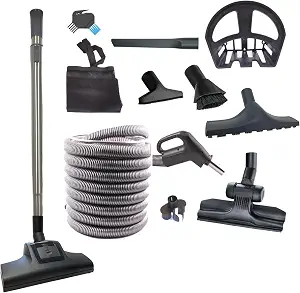 | Best for Multi-Surface Cleaning and Portability | Hose Length: 35 ft | Hose Diameter: 1.5 inches | Includes: Turbo brush, floor nozzle, dusting brush, upholstery brush, crevice tool, storage bag, hose hanger | VIEW ON AMAZON | See Our Full Breakdown |
| OVO Complete Set of Fittings for Central Vacuum Installation with 3 Low-Voltage Inlets (Excluding Pipes), White |  | Best for Versatile Fittings and Easy Installation | Compatibility: All brands using 2” PVC piping | Inlet Size: 1.5” inner diameter | Number of Inlets: 3 | VIEW ON AMAZON | See Our Full Breakdown |
| central vacuum kits for diy installation | Compatibility |
|---|---|
| OVO Central Vacuum Accessories | Inlets with 1.5-inch diameter and 2 low-voltage pins |
| OVO Complete Central Vacuum In | — |
| 3 Inlet Central Vacuum Kit wit | — |
| Wessel-Werk BaseReach™ Turbo K | Beam, Nutone, Vacuflo, Hayden, MD, and more |
| OVO Complete Set of Fittings f | All brands using 2” PVC piping |
More Details on Our Top Picks
OVO Central Vacuum Accessories Kit with 35ft Low-Voltage Hose and Combo Brush
This kit excels in providing a long 35-foot hose with an on/off switch at the handle, making it ideal for covering large areas without frequent disconnects. Compared with other hoses, its swivel handle reduces kinks, though it may become less effective over time. It pairs well with systems that utilize low-voltage inlet wiring but isn’t compatible with electric powerheads, which limits its use for more demanding cleaning scenarios. The included combo brush is durable and suitable for various surfaces, but the absence of electric power options could be a drawback for some users. Overall, this pick is perfect for homeowners seeking extended reach and simple control but who do not need electric brush functionality.
Pros:- Long 35-foot hose for extensive coverage
- On/Off switch at the handle for convenience
- Durable combo brush suitable for diverse surfaces
Cons:- Not compatible with electric powerheads
- Specific inlet compatibility required
- Swivel may wear over time
Best for: Homeowners wanting long reach and easy handling for standard surfaces
Not ideal for: Those needing electric powerheads or systems with incompatible inlet wiring
- Hose Length:35 ft
- Switch Control:On/Off at handle
- Brush Size:12 inches
- Compatibility:Inlets with 1.5-inch diameter and 2 low-voltage pins
- Kink Prevention:Swivel at handle
Our verdict“A flexible, easy-to-use accessory kit ideal for large spaces and straightforward cleaning tasks.”
OVO Complete Central Vacuum Installation Kit with 48 ft PVC Pipe and Fittings
This comprehensive kit covers everything needed for a full central vacuum installation, including 48 feet of 2-inch PVC pipe, fittings, elbows, and electrical wiring. It offers broad compatibility with systems using 2-inch pipes, making it a versatile choice for DIYers who want a seamless setup. However, the need for PVC cement and the limited guidance in the included instructions can complicate assembly for novices. It’s not suited for systems with non-standard wiring, and some users may find the array of fittings overwhelming at first. Compared to simpler kits, this provides a more robust foundation for a permanent, reliable vacuum system, but it requires a bit more technical confidence.
Pros:- Includes all necessary fittings and wiring
- Compatible with all 2-inch pipe systems
- Offers a reliable, professional-grade setup
Cons:- Requires PVC cement for assembly
- Limited instructions can be a hurdle
- Designed for low-voltage wiring only
Best for: DIY enthusiasts tackling full central vacuum installations
Not ideal for: Beginners seeking a plug-and-play solution or those with non-standard piping
- Inlet Type:3 round door style inlets
- Pipe Length:48 ft
- Pipe Diameter:2 inches
- Included Pipes:12 x 4 ft PVC pipes
- Electrical Wire:50 ft, 24V
Our verdict“A thorough, all-inclusive kit for those comfortable with plumbing and electrical work in DIY projects.”
3 Inlet Central Vacuum Kit with 48 Ft. of Pipe Compatible with OVO, Prolux, VacuMaid, Nutone, Beam, and More
This kit offers a balanced package with 48 feet of piping, multiple inlets, and wiring, making it highly compatible with several popular brands. Its straightforward design suits homeowners who want a reliable setup without complex customization. While the customer rating is excellent, detailed information about the quality of individual components is scarce, and the single review available doesn’t provide enough insight into long-term durability. The lack of specific pipe diameter details may cause confusion, but for those needing a multi-brand compatible kit, this provides a versatile, all-in-one solution.
Pros:- Compatible with multiple brands
- Includes essential fittings and wiring
- Easy to install for typical systems
Cons:- Limited component quality details
- No specific pipe diameter info
- Only one review available
Best for: Homeowners seeking a flexible, brand-agnostic central vacuum setup
Not ideal for: Users who want detailed technical specs or comprehensive instructions
- Product Dimensions:48 x 10 x 48 inches
- Item Weight:10 pounds
- Manufacturer:generic
- Item model number:Cvk-1
Our verdict“A reliable, multi-brand compatible kit suited for various central vacuum configurations.”
Wessel-Werk BaseReach™ Turbo Kit – 30 ft Low Voltage Central Vacuum Hose with Accessories
This kit features a 30-foot hose with a turbo brush and multiple attachments, making it well-suited for cleaning different surfaces, including bare floors and low-pile rugs. It’s compatible with major brands like Beam and Nutone, offering versatility for various existing systems. The lightweight construction and ergonomic design improve handling, especially for extended cleaning sessions. However, the turbo brush relies on air power rather than electric, which may limit its suction strength compared to electric models. It’s restricted to low-voltage wall inlets, which could be a limitation if you prefer higher-powered solutions. Overall, it’s a solid choice for those prioritizing convenience and multi-surface versatility.
Pros:- Compatible with major brands
- Includes a variety of attachments
- Lightweight and ergonomic for ease of use
Cons:- Limited to low-voltage inlets
- Turbo brush less powerful than electric models
- Requires connection to standard 1.5″ inlets
Best for: Homeowners looking for portable, multi-surface cleaning tools
Not ideal for: Those needing electric power brushes or systems with incompatible inlets
- Hose Length:35 ft
- Hose Diameter:1.5 inches
- Includes:Turbo brush, floor nozzle, dusting brush, upholstery brush, crevice tool, storage bag, hose hanger
- Compatibility:Beam, Nutone, Vacuflo, Hayden, MD, and more
- Warranty:1 year
Our verdict“A flexible, lightweight kit designed for multi-surface cleaning across various brands and setups.”
OVO Complete Set of Fittings for Central Vacuum Installation with 3 Low-Voltage Inlets (Excluding Pipes), White
This set focuses on providing the essential fittings, brackets, and wiring components needed for a versatile, DIY-compatible installation with 2-inch PVC piping. It’s ideal for those who already have pipes or plan to purchase them separately. The main advantage is its universal compatibility with various brands using PVC pipes, but it excludes pipes themselves, so additional purchases are necessary. The included fittings and brackets make installation easier for those familiar with basic plumbing and wiring, but lacking detailed instructions may slow down first-time DIYers. This set complements larger kits or existing systems well, offering flexibility without unnecessary extras.
Pros:- Universal compatibility with PVC piping
- Includes multiple fittings and brackets
- Easy to install for experienced DIYers
Cons:- Excludes pipes, requiring additional purchase
- Limited to 2-inch PVC piping
- No detailed instructions included
Best for: DIYers with existing piping or those customizing their setup
Not ideal for: Beginners seeking an all-in-one kit with pipes included
- Compatibility:All brands using 2” PVC piping
- Inlet Size:1.5” inner diameter
- Number of Inlets:3
- Color:White
Our verdict“A practical fittings and brackets set for customized or existing central vacuum installations.”

How We Picked
Our selections are based on a combination of product versatility, ease of installation, compatibility, and customer reviews. We prioritized kits that include essential components for straightforward DIY setup, especially those compatible with common pipe sizes and inlet types. We also examined the range of included accessories, the quality of fittings, and user feedback regarding installation experience. Tradeoffs such as limited instructions or compatibility restrictions were carefully weighed to recommend options suitable for different skill levels and system types.
| central vacuum kits for diy installation | Compatibility |
|---|---|
| OVO Central Vacuum Accessories | Inlets with 1.5-inch diameter and 2 low-voltage pins |
| OVO Complete Central Vacuum In | — |
| 3 Inlet Central Vacuum Kit wit | — |
| Wessel-Werk BaseReach™ Turbo K | Beam, Nutone, Vacuflo, Hayden, MD, and more |
| OVO Complete Set of Fittings f | All brands using 2” PVC piping |
Factors to Consider When Choosing Central Vacuum Kits For Diy Installation
Selecting the right central vacuum kit for DIY installation requires understanding your home’s needs, system compatibility, and your comfort level with plumbing and wiring. The ideal kit should include all necessary components, be compatible with your existing or planned piping, and suit your cleaning preferences. Here’s what to consider:Compatibility and Piping
Verify the pipe diameter and inlet type your system uses. Most DIY kits are designed for 2-inch PVC piping and low-voltage wiring, but some models support different standards. Matching these specifications ensures seamless installation without extra adapters or modifications.
Included Components
Decide whether you want a kit that includes pipes, fittings, accessories, or all of the above. Complete kits with pipes and wiring simplify the process, especially for beginners, while fittings-only sets offer more flexibility for customizing existing setups.
Ease of Installation
Look for kits with clear instructions, quality fittings, and compatible components. Some kits include detailed guides or online resources, which can make your DIY project smoother. Consider your comfort level with plumbing and electrical wiring when choosing.
Brand Compatibility
If you already own or plan to buy a specific vacuum brand, check compatibility. Many kits specify brands like Nutone, VacuMaid, or Beam, ensuring easier integration and future upgrades.
Frequently Asked Questions
Can I install a central vacuum system myself?
Yes, many homeowners successfully install their own central vacuum systems by following detailed instructions and using appropriate kits. Basic plumbing and electrical skills are helpful, but some kits include comprehensive guides to assist DIYers through the process.
What pipe size should I choose for my central vacuum system?
The most common pipe size for residential systems is 2 inches in diameter, offering a good balance between airflow and ease of installation. Make sure any kit you select is compatible with your existing or planned piping to prevent incompatibility issues.
Are accessories necessary for installation?
Accessories like hoses, brushes, and fittings are essential for effective cleaning and proper system setup. Some kits include these, while others focus solely on pipes and fittings, so consider your cleaning needs when choosing.
Can I upgrade my system later if I choose a basic kit now?
Many central vacuum components are compatible with upgrades, such as adding electric powerheads or additional inlets. However, confirm compatibility with your existing system to avoid future compatibility issues.
How long does it typically take to install a central vacuum system DIY?
The installation time varies based on the size of your home and experience level. A straightforward setup might take a day or two, especially if you have all components ready and clear instructions. More complex installations may require additional planning and time.
Conclusion
For homeowners seeking a simple, all-in-one solution and confident in handling plumbing and wiring, the OVO Complete Central Vacuum Installation Kit with 48 ft PVC Pipe offers everything needed for a reliable, permanent system. Those who prioritize portability and multi-surface cleaning might prefer the Wessel-Werk BaseReach™ Turbo Kit, especially if they already own compatible inlets. DIYers with existing piping or who want to customize their system should consider the OVO Set of Fittings for Central Vacuum Installation for flexibility. Beginners aiming for an easy, guided setup should look for kits with detailed instructions and included pipes, while experienced DIYers can select comprehensive, modular options tailored to their home’s specifications.
Halloween Picks
halloween
As an affiliate, we earn on qualifying purchases.