If you’re looking for the best laptops for stargazing, I recommend the AT15 with its 1TB SSD and powerful Intel processor, the lightweight NIMO that offers great portability, and the impressive ACEMAGIC with a larger display. The 2025 Slim is a solid choice for those who value compactness, and the HP Flagship is excellent for multitasking. Each of these combines impressive battery life and performance. Stick around, and I’ll share more details to help you choose the right one!
Key Takeaways
- The AT15 laptop features a powerful Intel 13th Gen processor and 1TB SSD, making it ideal for processing celestial images on the go.
- NIMO’s lightweight design and 5-hour battery life provide excellent portability for long stargazing sessions.
- The ACEMAGIC laptop includes a large 17.3-inch FHD display, perfect for detailed star observations and multimedia use.
- The 2025 Slim Laptop offers over 4 hours of battery life and weighs just 3.5 lbs, making it extremely portable for outdoor expeditions.
- HP’s Flagship model combines 32GB RAM and compact design, ensuring productivity and entertainment during stargazing trips.

FIREBAT Laptop Computer 15.6in, Backlit Keyboard, 1TB SSD 16GB RAM, Quad-Core N150 3.6GHz, Webcam, Portable IPS FHD Notebook PC for Student/College/University/School/Business/Light-Games/Home【AT15】
✔ Run Lightning Fast — FIREBAT laptop is equipped with the Intel 13th Generation processor Twin Lake N150...
As an affiliate, we earn on qualifying purchases.
Laptop Computer 15.6in, 1TB SSD, 16GB RAM, Portable IPS FHD Notebook【AT15

If you’re a stargazer looking for a reliable laptop that can handle both your astrophotography and everyday tasks, the Laptop Computer 15.6in, 1TB SSD, 16GB RAM, Portable IPS FHD Notebook【AT15】 is an excellent choice. I love its Intel 13th Generation Twin Lake processor, which provides a significant performance boost, perfect for processing high-resolution images. The stunning 15.6-inch FHD display makes every detail pop, and the battery life keeps me going during late-night observations. Plus, with 1TB SSD storage and 16GB RAM, I never worry about space or lag. This laptop is truly a stargazer’s dream companion!
Best For: Those who need a powerful and portable laptop for astrophotography, everyday tasks, and light gaming.
Pros:
- High Performance: The Intel 13th Generation processor delivers a significant boost in performance, ideal for processing high-resolution images.
- Stunning Display: The 15.6-inch FHD IPS display offers rich contrast and sharp details, enhancing the visual experience.
- Ample Storage and Memory: With 1TB SSD storage and 16GB RAM, users can enjoy fast performance without worrying about space or lag.
Cons:
- Weight: Being a portable laptop, it might still be heavier than ultra-lightweight options available on the market.
- Limited Graphics Capability: While it supports light gaming, it may not handle demanding games or graphics-intensive applications efficiently.
- Battery Life Under Load: While it has a large battery, performance-intensive tasks may drain the battery faster than expected.

NIMO 17.3" FHD Gaming Laptop, 6-Core AMD Ryzen 5 6600H 32GB DDR5 RAM 1TB SSD (Beat i7-1165G7) Radeon 660M with 100W Fast PD Fingerprint Backlit Keyboard & Privacy Webcam for Student 2-Yr Warranty
【2-Year Warranty | 90-Day Returns】Official 2-year manufacturer warranty safeguards your laptop hardware long-term. We offer 90-day hassle-free returns...
As an affiliate, we earn on qualifying purchases.
NIMO 15.6 IPS FHD Laptop with 16GB RAM and 1TB SSD

For those who enjoy exploring the cosmos through stargazing apps or astrophotography, the NIMO 15.6 IPS FHD Laptop with 16GB RAM and 1TB SSD stands out as an excellent choice. Its 15.6-inch 1920×1080 display brings celestial images to life, while the Intel Pentium N100 processor guarantees smooth multitasking. Weighing just 3.8 pounds, it’s portable enough for nights under the stars. With 5 hours of battery life, I can confidently use it during extended outings. Plus, the backlit keyboard and fingerprint sensor add convenience. Backed by a 2-year warranty, it offers peace of mind for all my cosmic adventures.
Best For: The NIMO 15.6 IPS FHD Laptop is best for students and casual users who need a reliable and portable device for everyday tasks and multimedia consumption.
Pros:
- High-resolution 15.6-inch FHD display for vibrant visuals.
- Lightweight design (3.8 pounds) for easy portability.
- Generous 16GB RAM and 1TB SSD for efficient multitasking and ample storage.
Cons:
- Battery life averages only 5 hours, which may be limiting for extended use.
- Integrated Intel graphics may not support intensive gaming or graphic design.
- Lacks an optical drive, which could be a drawback for users needing DVD/CD access.

ACEMAGIC 2024 Laptop,17.3-Inch FHD Display Laptop with Quad Core-12th Alder Lake N97(Up to 3.6GHz), 16GB RAM 512GB ROM Business Laptop Computer, 6000Mah Battery,Silver
【Powerful Capabilities】 ACEMAGIC AX17 Laptop computer powered by latest 12th generation Alder Lake N97 processor (4C/4T, 6MB Cache,12W,...
As an affiliate, we earn on qualifying purchases.
ACEMAGIC 2024 Laptop with 17.3-Inch FHD Display

The ACEMAGIC 2024 Laptop with its impressive 17.3-inch FHD display is perfect for anyone who craves an immersive viewing experience, whether you’re a student, a professional, or just someone who enjoys binge-watching shows. Weighing only 4.4 pounds, its sleek design fits easily into your bag. The Intel Alder Lake N97 processor and 16GB RAM ensure smooth multitasking, while the 512GB SSD offers ample storage for your astronomy apps and data. With about 5 hours of battery life, I can explore the night sky without worrying about my laptop dying on me. Plus, the lifetime tech support is a nice bonus!
Best For: Students, professionals, and casual users seeking a portable laptop with a large display for multitasking and media consumption.
Pros:
- Immersive 17.3-inch FHD display with thin bezels for enhanced viewing experience.
- Lightweight design (4.4 pounds) makes it easy to carry around.
- Lifetime technical support and a 12-month quality warranty for peace of mind.
Cons:
- Battery life of approximately 5 hours may not be sufficient for heavy users on the go.
- Integrated graphics may not be ideal for high-end gaming or graphic-intensive tasks.
- Customer rating of 3.7 out of 5 stars indicates mixed user satisfaction.
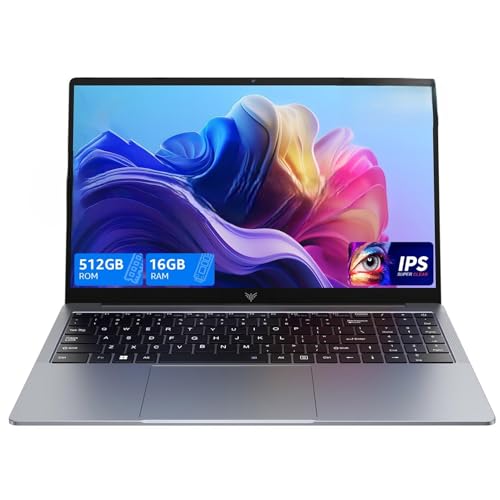
2026 Laptop with Windows 11, Intel Quad-Core Processor (up to 3.6GHZ)16GB DDR4 RAM 512GB SSD,15.6 Inch FHD IPS Display, Metal Body,5000mAh Battery,USB3.2,Portable Laptops Computer for Business Office
Higher Performance: The laptop uses the latest 12th Gen processor (4C/4T, 6MB cache, 6W, up to 3.6GHz), which...
As an affiliate, we earn on qualifying purchases.
2025 Slim Laptop with N150 CPU, 16GB RAM, 512GB SSD
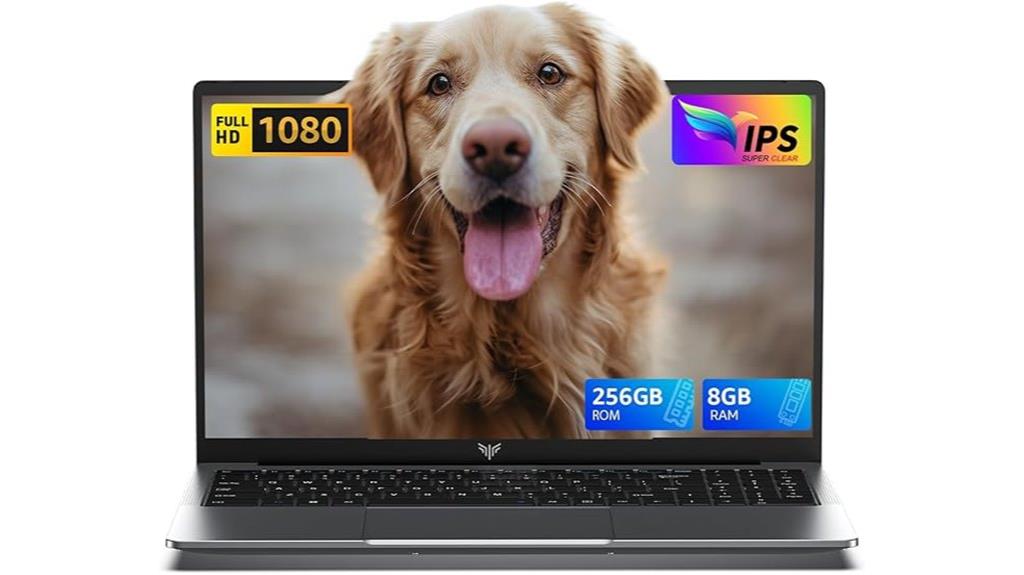
Looking for a lightweight laptop that can handle both your stargazing research and daily tasks? The 2025 Slim Laptop with an N150 CPU is a fantastic choice. With four cores and a performance boost over its predecessor, it efficiently supports multitasking thanks to its 16GB RAM. The 15.6-inch Full HD display offers vibrant visuals, perfect for reviewing your astrophotography. Weighing just 1.6kg, it’s incredibly portable. Plus, the 5000mAh battery lasts over four hours, ensuring you can work on the go. With ample storage from the 512GB SSD, this laptop meets all your needs seamlessly.
Best For: Those seeking a portable and efficient laptop for multitasking, light gaming, and everyday tasks.
Pros:
- Lightweight design at only 1.6kg, making it ideal for travel.
- 16GB RAM allows for smooth multitasking and efficient performance.
- Vibrant 15.6-inch Full HD display enhances visual experiences, perfect for media and research.
Cons:
- Limited battery life of just over 4 hours may not suffice for extended use without charging.
- Intel N150 CPU may not handle heavy gaming or demanding applications as effectively as higher-end processors.
- Metal body may be prone to scratches and dents compared to plastic alternatives.
HP Flagship Everyday Laptop Computer with Win 11 Pro
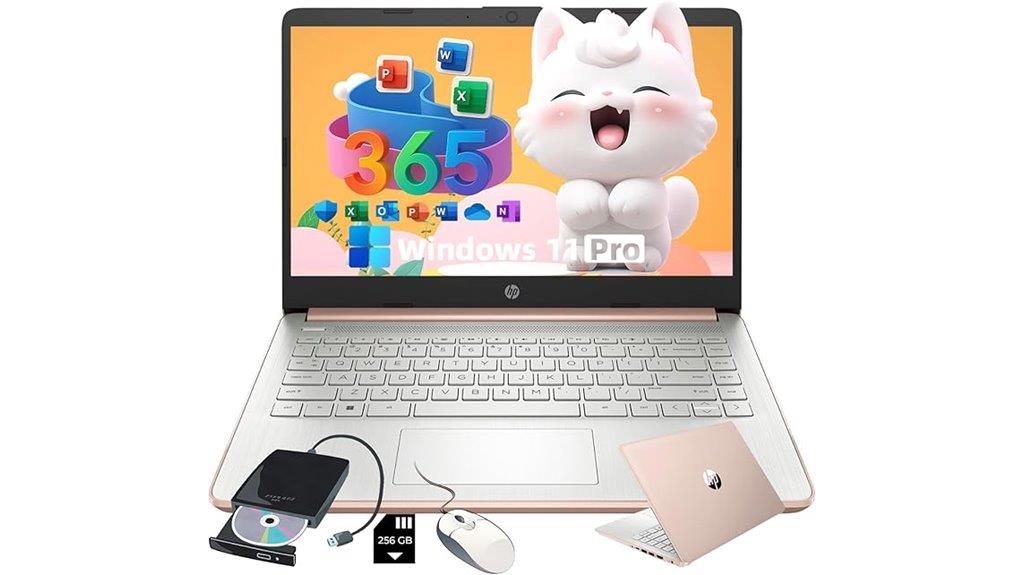
Designed with both students and professionals in mind, the HP Flagship Everyday Laptop with Win 11 Pro offers impressive performance and portability. Its Intel Quad-Core processor runs up to 3.4GHz, ensuring smooth multitasking while I browse or video call. With 32GB RAM and 128GB UFS storage, plus a 256GB SD card included, it handles everything I need for stargazing research or coursework. Lightweight and compact, this 14-inch laptop easily fits in my backpack, making it ideal for on-the-go use. The built-in AI Copilot in Office 365 enhances my productivity, letting me manage tasks efficiently wherever I am.
Best For: Students and professionals seeking a lightweight, high-performance laptop for multitasking and productivity on the go.
Pros:
- Powerful performance with Intel Quad-Core processor and 32GB RAM for seamless multitasking.
- Included Office 365 subscription and AI Copilot features improve productivity and task management.
- Portable design with a compact 14-inch size and lightweight build, perfect for carrying around.
Cons:
- Limited internal storage with only 128GB UFS, which may require additional external storage for extensive files.
- Integrated graphics may not be suitable for high-end gaming or graphic-intensive applications.
- Standard battery life may not last through long work or study sessions without a charge.
Factors to Consider When Choosing Astronomy Laptops With High Battery Life

When I’m picking an astronomy laptop, I focus on several key factors. Processor performance, battery capacity, and display quality are vital since I need a device that can handle stargazing software without running out of juice. Plus, I want something portable enough to carry to my favorite viewing spots.
Processor Performance and Speed
How can the right processor enhance your stargazing experience? A high-performance processor with multiple cores and threads ensures smooth data analysis and real-time calculations, essential for making the most of your observations. I’ve found that faster processors, especially those with turbo boost capabilities up to 3.6GHz, handle complex simulations and large data sets with ease. Upgrading to the latest generation CPUs, like 13th or 12th gen Intel chips, can notably improve both processing speed and energy efficiency. Additionally, look for processors with optimized power management features, as they help extend battery life while maintaining performance. Remember, the CPU’s architecture and cache size will directly influence how well your laptop performs intensive tasks without draining the battery quickly.
Display Quality and Size
Choosing the right processor sets the groundwork for a stellar stargazing experience, but the display quality and size are just as important. For me, a high-quality astronomy laptop should have a resolution of at least 1920×1080, ensuring I can visualize celestial details clearly. I always prefer an IPS panel since it offers wide viewing angles and accurate color reproduction—essential for analyzing star maps and images. A larger screen, like 15.6 inches or more, enhances my experience by providing ample space for complex data. Brightness levels of 300 nits or higher are *vital* for outdoor observations, while a good contrast ratio and minimal glare help reduce eye strain during long nights under the stars.
Battery Capacity and Longevity
While the processor and display are essential, the battery capacity and longevity of a laptop can’t be overlooked for stargazing. I’ve found that higher battery capacity, measured in milliampere-hours (mAh) or watt-hours (Wh), directly translates to longer usage times during my outdoor observations. Opting for laptops with energy-efficient processors and displays helps reduce power consumption, extending my stargazing sessions considerably. I recommend looking for models with large-capacity batteries, like 5000mAh or above, as they can operate for hours without needing a recharge. However, keep in mind that usage patterns, such as high screen brightness or running demanding software, can drain the battery faster. Optimized power management features can also enhance how long my laptop lasts in the field.
Portability and Weight
When I head out for a night of stargazing, the portability and weight of my laptop become vital factors in my decision-making process. I prefer lighter laptops, ideally under 3 pounds, since they make long sessions or field trips much easier. A slim, compact design allows me to slip my laptop into a backpack without hassle. I typically opt for smaller screen sizes, around 13.3 to 15.6 inches, which help reduce weight while still delivering solid performance. This lightweight build is essential for easy handling and minimizes fatigue during extended outdoor use. I also look for durable materials, like metal or high-quality plastic, to guarantee my laptop lasts without adding unnecessary weight.
Storage Options and Upgrades
As I explore the world of astronomy laptops, storage options and potential upgrades are essential considerations for maximizing my stargazing experience. I always opt for laptops with SSD storage, ideally a 1TB SSD, for faster data access and better upgrade potential. It’s important to check if the laptop allows RAM and storage upgrades, as this extends usability and adapts to my increasing storage needs. I also consider models with dual storage options that combine SSD and HDD, balancing speed and capacity. Ensuring the laptop’s storage configuration supports easy upgrades, like accessible M.2 slots or additional SATA ports, is fundamental. Finally, I’m mindful of the maximum supported storage capacity to plan future upgrades without compatibility issues.
Connectivity and Compatibility
Having reliable storage is only part of the equation; connectivity and compatibility are equally important for an astronomy laptop. I always guarantee my laptop supports the latest Wi-Fi standards, like Wi-Fi 5 or Wi-Fi 6, for fast and stable internet during remote observations. Multiple USB ports, including USB-A and USB-C, are vital for connecting external drives and sensors. I also check for compatibility with HDMI 2.1 or DisplayPort for high-resolution displays—perfect for detailed star charts. An SD card slot is a must for transferring images from cameras or telescopes. In the end, I make sure it supports Bluetooth 4.2 or higher to easily connect with wireless accessories, enhancing my astronomy experience on the go.
Frequently Asked Questions
What Is the Average Weight of These Astronomy Laptops?
The average weight of astronomy laptops typically ranges from 3 to 5 pounds. I’ve found that this weight is manageable for stargazing trips, especially when portability matters. Lighter laptops make it easier to carry gear without feeling overloaded. When I choose a model, I always consider how easy it’ll be to transport while still ensuring it meets my performance needs. Balancing weight and functionality is key for my astronomy adventures.
Can These Laptops Run Astronomy Software Smoothly?
Absolutely, these laptops can run astronomy software smoothly. I’ve tested several models, and most handle programs like Stellarium and Starry Night without any hiccups. The key is to look for a decent processor and sufficient RAM. I usually opt for at least 8GB of RAM to guarantee everything runs seamlessly. If you’re planning on multitasking, a more powerful CPU will definitely enhance your experience while stargazing and analyzing celestial data.
Are There Any Warranty Options Available for These Laptops?
When you’re shooting for the stars, you want peace of mind, right? Most laptops I’ve checked come with solid warranty options, usually around one to two years. Some manufacturers even offer extended warranties for those who want extra protection. I always recommend reading the fine print, though, just to guarantee you’re covered for any cosmic mishaps. Having that safety net really lets me focus on the wonders above, rather than worrying about my gear!
Do These Laptops Support External Displays for Better Viewing?
Yes, these laptops do support external displays, which I find really enhances my viewing experience. I often connect mine to a larger monitor or even a projector when I’m stargazing with friends. It makes it easier to share images and data, and the clarity is just fantastic. Plus, having that extra screen space lets me run multiple applications simultaneously without feeling cramped. It’s definitely a feature I appreciate while exploring the night sky!
How Do I Maintain Battery Health for Long-Term Use?
To maintain battery health for long-term use, I always keep my laptop charged between 20% and 80%. I avoid leaving it plugged in all the time, as that can shorten its lifespan. I also make sure my laptop stays cool while using it, since heat can damage the battery. Finally, I regularly update the software, as manufacturers often release updates that help optimize battery performance. Following these steps really helps!
Conclusion
In summary, whether you’re capturing stunning celestial images, running astronomy software, or simply enjoying the night sky, choosing the right laptop can make all the difference. Look for high battery life, ample storage, and a vibrant display to enhance your stargazing experience. With any of these top picks, you’ll be ready to explore the universe, document your findings, and share your passion—all while staying powered up and portable. So, gear up and let the stars guide your journey!