
If you’re surprised that flagship phones now cost over $1,500, it’s mainly because manufacturers are adding advanced features, premium materials, and cutting-edge designs that drive up costs. Fierce competition pushes brands to invest heavily in innovation, leading to higher prices for consumers. Additionally, technological advancements and sustainability initiatives also add to manufacturing expenses. Want to understand how these factors combine to keep prices climbing? Keep going to learn more about what’s behind the sticker shock.
Key Takeaways
- Advanced features and materials increase manufacturing costs, leading to higher retail prices for flagship phones.
- Fierce market competition drives brands to invest heavily in R&D and premium designs, raising prices.
- Incorporation of cutting-edge technology and luxury materials justifies premium pricing for consumers.
- Continuous innovation and technological advancements push the cost of flagship smartphones above $1500.
- Consumers pay more due to perceived status, exclusivity, and the added value of the latest features.
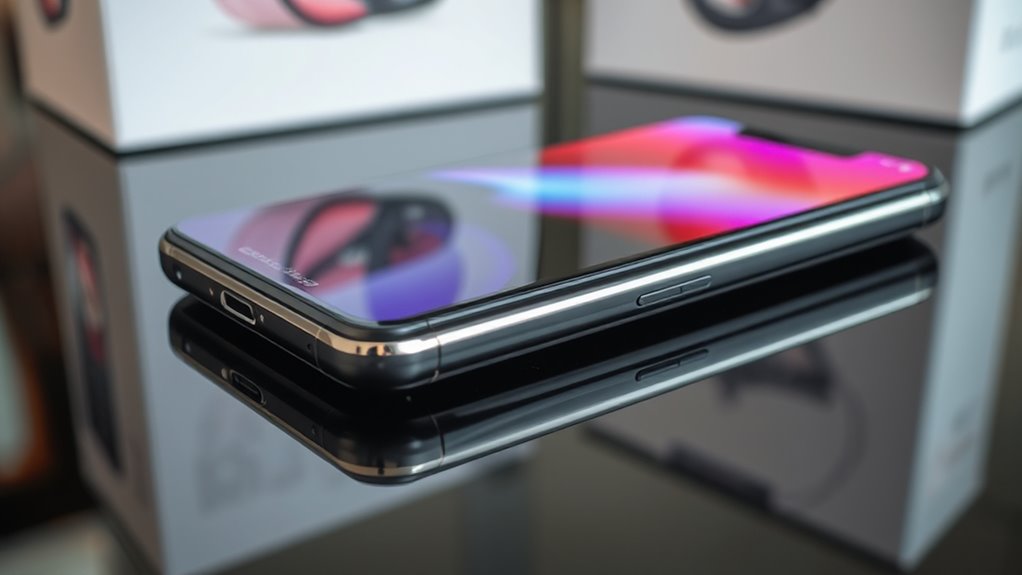
Have you ever wondered why flagship phones often come with such hefty price tags? It’s a question that crosses many minds as the cost of premium smartphones continues to soar past the $1,500 mark. One key factor influencing this trend is the evolving landscape of future pricing trends. Manufacturers are increasingly pushing the boundaries of technology, adding more advanced features, better materials, and innovative designs. These upgrades come at a cost, and brands are often passing this expense directly to consumers. As technology advances rapidly, companies need to recover their investments, and that often means higher retail prices for the latest flagship models. Additionally, the integration of European cloud innovation into manufacturing and data management processes can influence production costs and support sustainable practices.
Flagship phones’ rising prices reflect advanced features, premium materials, and rapid technological innovation.
Market competition also plays a significant role in driving prices upward. Leading brands are vying to capture consumer attention with features that set their phones apart from the rest. When a company introduces a groundbreaking camera system or a new foldable design, it invests heavily in R&D. To maintain profit margins and sustain innovation, they often set premium prices. Meanwhile, competitors follow suit, offering similar high-end features at comparable prices, creating a cycle where high costs become the new normal for flagship phones. This competitive push ensures that consumers are continually paying more for the latest technology, even if some features may seem incremental.
Furthermore, the premium pricing reflects the quality and exclusivity associated with flagship devices. Many consumers see these phones as status symbols, so brands capitalize on this perception by pricing them higher. The materials used—such as ceramic, titanium, or special glass—also add to manufacturing costs. Additionally, the integration of cutting-edge components like advanced processors, high-refresh-rate screens, and sophisticated camera modules demands more precise engineering and higher-quality parts, all of which inflate the final retail price.
As future pricing trends unfold, expect these costs to continue rising. Manufacturers will likely keep pushing the envelope with new features and materials, which will be reflected in the sticker prices. The market competition will remain fierce, prompting brands to differentiate themselves through innovation and design, often at a premium. For consumers, this means weighing the value of the latest features against the hefty price tag. While some might see flagship phones costing over $1,500 as a worthwhile investment, others may question whether the incremental upgrades justify the steep cost. Either way, the trend suggests that flagship phones will remain luxury items with prices that mirror their status and technological sophistication.
Frequently Asked Questions
How Do High Prices Affect Smartphone Repair Costs?
High prices make smartphone repair costs steeper, especially for screens and batteries. When you own a premium phone with advanced screen durability, repairs can be pricier because specialized parts are needed. Additionally, better battery longevity often means more expensive replacements. As a result, you should be prepared for higher repair fees, but investing in quality parts can help your device last longer and maintain peak performance.
Are Premium Materials Worth the Price Increase?
Back in the day, luxury branding made premium materials seem essential, but are they worth it? You might find that the material durability of high-end components can justify the price increase, especially if it means fewer repairs and longer-lasting performance. While the cost is higher, investing in premium materials often results in a more refined feel and enhanced longevity, making it a worthwhile upgrade if you prioritize quality and durability.
Do More Expensive Phones Last Longer?
More expensive phones often last longer because they address durability concerns with better build quality and materials. They tend to withstand wear and tear better, which can improve their resale value over time. However, price alone doesn’t guarantee longevity—proper care and updates matter too. So, if durability is your priority, investing in a high-end flagship might give you extra peace of mind and a longer-lasting device.
How Do Trade-In Programs Influence Flagship Costs?
Trade-in programs influence flagship costs by offering trade-in incentives that lower the upfront price when you upgrade. They boost resale value, making it easier to recoup some costs later. Carriers and manufacturers use these incentives to attract buyers, but they can also encourage frequent upgrades, keeping flagship prices high. Ultimately, trade-in programs help you save on initial costs and maximize resale value, impacting overall flagship pricing strategies.
Will Prices Drop Significantly in the Next Year?
Prices probably won’t drop considerably in the next year due to ongoing price inflation in tech. You might see some discounts or deals, but flagship phones will likely stay costly because manufacturers keep adding features and increasing production costs. If consumer affordability is a concern, consider waiting for sales or exploring mid-range options. Staying alert to market trends can help you find better deals amidst rising prices.
Conclusion
So, savvy shoppers, stay sharp and scrutinize the soaring specs and sizzling prices. As flagship phones continue to climb, it’s essential to compare, consider, and calmly choose what truly counts. Don’t let the dazzling displays and deluxe features dazzle you into overspending. Remember, value often trumps vanity. By being informed and intentional, you can avoid the sticker shock and find a phone that fits your budget and needs perfectly.