Your unfastened phone’s ability to work everywhere depends on its support for specific network bands used by carriers. If your device lacks compatibility with certain LTE or 5G bands in your area or abroad, you’ll face issues like no service or limited connectivity. Not all phones support all bands, even if unlocked. Understanding which bands your phone supports can save you from surprises. Keep exploring, and you’ll learn more about how to guarantee your device works seamlessly worldwide.

Get the latest gadgets delivered free with Prime
- Fast, free delivery on millions of items
- Prime Video, Amazon Music and more included
- Member-only deals all year
Key Takeaways
- Phone network bands determine compatibility with specific carriers and regions, affecting connection quality and availability.
- An unlocked phone can support multiple carriers but still may lack required regional bands for proper service.
- International roaming depends on your device supporting the foreign network’s bands; unsupported bands lead to no service abroad.
- Different regions and carriers use varying LTE and 5G bands; mismatch can limit data speeds and network features.
- Checking your phone’s supported bands against carrier or regional network bands ensures reliable connectivity everywhere.
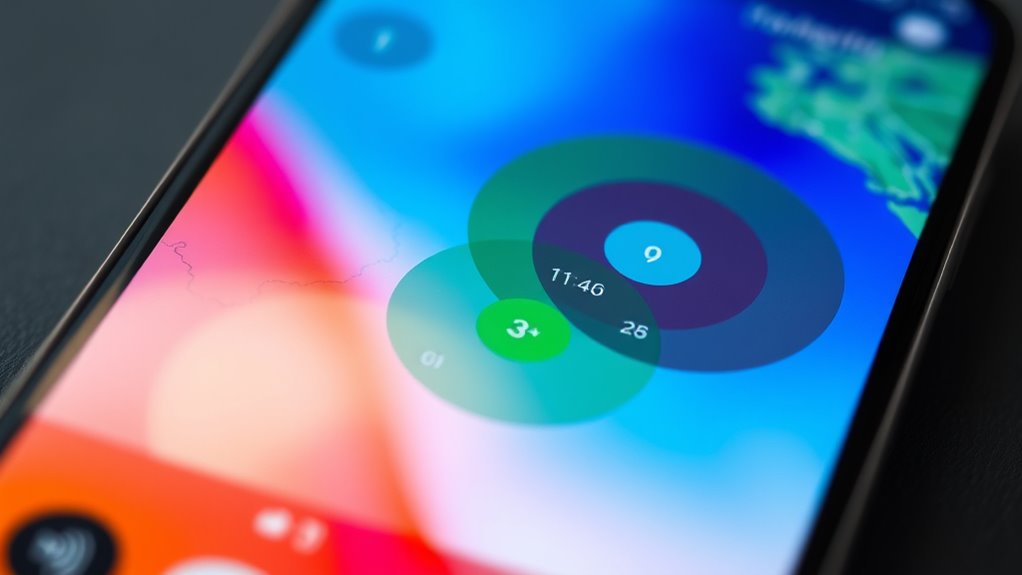
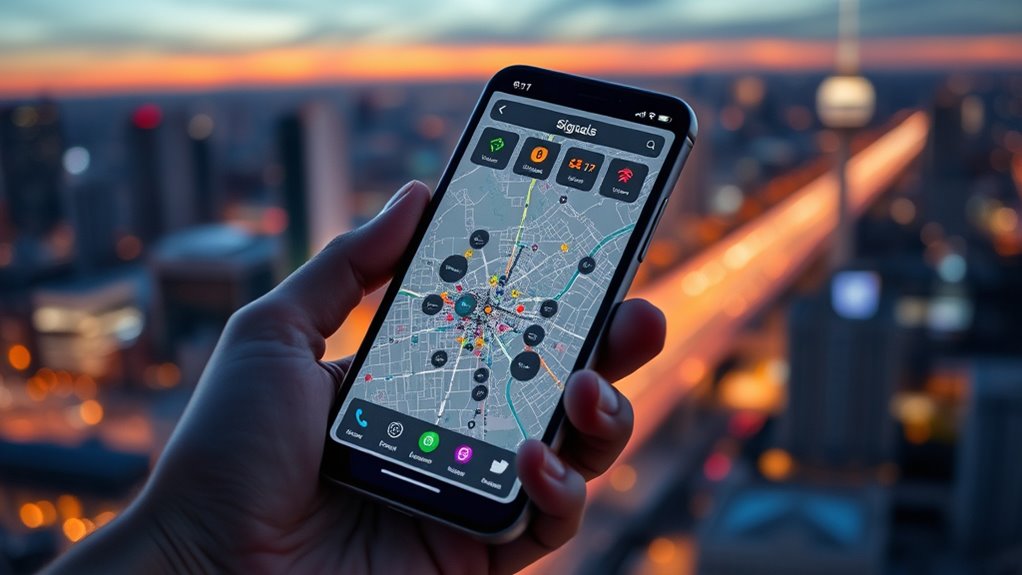
If you’ve ever wondered why your phone works well in some areas but not others, it’s because of the different network bands your device uses. Your phone connects to a cellular network through specific frequency bands, and not all phones are compatible with every carrier’s network. Carrier compatibility is vital because each provider operates on a selection of bands, and if your device doesn’t support those bands, your connection will be spotty or nonexistent. For example, a phone designed primarily for one country might lack the necessary bands used by carriers elsewhere, making international roaming difficult or impossible.
Your phone’s network bands determine its compatibility and performance across different regions and carriers.
When you buy an unlocked phone, it generally means it isn’t tied to a specific carrier, giving you more flexibility to switch providers or use local SIM cards abroad. However, being unlocked doesn’t automatically guarantee compatibility with all networks, especially when it comes to international roaming. International roaming lets you use your phone outside your home country, but only if your device supports the bands used by foreign networks. If your phone doesn’t support these bands, you won’t be able to access services like calls, texts, or data, even if your carrier offers roaming plans.
Understanding which bands your device supports is vital if you plan to travel internationally. Before you go, check your phone’s specifications and compare them with the bands used by your destination country’s networks. Major carriers often publish a list of supported bands, making it easier to verify compatibility. Keep in mind that even if your phone supports the necessary bands, some carriers may have restrictions or specific requirements for international roaming, such as additional plans or settings adjustments.
Being aware of network band compatibility can help you avoid connectivity issues during your travels and ensure you get the most out of your device’s capabilities. Your carrier’s compatibility with your device also impacts how well your phone performs, especially with features like LTE and 5G. Not all carriers use the same bands for these advanced networks, so a device compatible with one region’s 5G bands might not access 5G networks elsewhere. This mismatch can result in slower data speeds or limited network access. To maximize your coverage, especially when traveling, confirm your unlocked phone supports the right bands and check with your carrier about international roaming options and any limitations.
Unlocked phone with global LTE bands
As an affiliate, we earn on qualifying purchases.
As an affiliate, we earn on qualifying purchases.
Frequently Asked Questions
Can I Change My Phone’s Network Band Manually?
Yes, you can manually change your phone’s network band through settings or specialized apps, but it depends on your device’s capabilities. Keep in mind that SIM card compatibility and supported frequency bands are essential; if your phone doesn’t support the band, switching won’t work. Frequency band switching can improve connectivity in some cases, but always verify your phone’s compatibility with your carrier’s bands before attempting to change them manually.
Do All Unlocked Phones Support Global Network Bands?
Every rose has its thorn, and so does your liberated phone. Not all liberated phones support global network bands; some have band limitations that restrict compatibility. You might think it’s a one-size-fits-all solution, but check the device’s network compatibility before traveling. If your phone lacks certain bands, it won’t work on all networks worldwide, so research your model’s supported bands to avoid surprises.
How Do Network Bands Affect Data Speeds?
Network bands directly impact your data speeds by affecting network compatibility and signal strength. If your phone supports the right bands for your carrier, you’ll enjoy faster data transfer and a more reliable connection. However, if it lacks compatibility with local bands, your signal may weaken, slowing your data speeds or causing dropouts. To maximize speed, guarantee your unlocked phone supports the necessary bands for your network.
Are Certain Bands Better for International Travel?
Yes, certain bands are better for international travel because they support better network compatibility and international roaming. You should check if your phone supports bands commonly used in your destination countries. Phones with global or multi-band capabilities guarantee seamless connectivity, faster data speeds, and reliable service abroad. Before traveling, verify your phone’s supported bands to avoid connectivity issues and get the most out of your international roaming experience.
Why Does My Phone Work in Some Areas but Not Others?
You notice your phone works in some areas but not others, and it’s not just coincidence. It’s likely due to network compatibility and band restrictions. Different regions use specific network bands, and if your phone doesn’t support those bands, it won’t connect. Sometimes, carriers in certain areas block or restrict bands, making your device incompatible. To fix this, verify your phone’s supported bands and ensure they match the local network requirements.
5G compatible international SIM card
As an affiliate, we earn on qualifying purchases.
As an affiliate, we earn on qualifying purchases.
Conclusion
Knowing about phone network bands helps you choose the right device for your needs. Did you know that over 80% of smartphones sold worldwide are unlocked? This means your phone could work in more places if it supports the right bands. So, before you buy or travel, check if your device matches the local networks. Understanding these bands guarantees you stay connected wherever you go, making your smartphone truly versatile and reliable.
Phone network band compatibility checker
As an affiliate, we earn on qualifying purchases.
As an affiliate, we earn on qualifying purchases.
Unlocked smartphone supporting multiple regions
As an affiliate, we earn on qualifying purchases.
As an affiliate, we earn on qualifying purchases.
Halloween Picks
halloween
As an affiliate, we earn on qualifying purchases.