If you already own a phablet, you might not need a separate tablet, as it covers most functions you require, from media consumption to multitasking and fitness tracking. Phablets are portable, easy to carry, and powerful enough for gaming, reading, and work tasks. However, if you want a bigger screen for immersive media or detailed work, a tablet could still be worth considering. Keep exploring to find out which option fits your lifestyle best.
Key Takeaways
- Phablets combine phone and tablet features, reducing the need for an additional device for most daily tasks.
- Tablets offer larger screens for immersive media, gaming, reading, and detailed work that a phablet might not fully support.
- Portability favors phablets, which are easier to carry everywhere, making a tablet unnecessary for on-the-go use.
- Multitasking and split-screen functionalities are better on tablets, enhancing productivity for specific activities.
- Additional tablets are justified mainly for activities requiring larger displays, not if your phablet already covers your needs.

Have you ever wondered whether a tablet or a phone best suits your needs? If you already own a phablet, you might be questioning whether adding a tablet is worth it. The answer depends on how you use your devices daily. Phablets, blending phone and tablet features, are designed to handle many tasks with ease. They’re perfect for digital gaming, offering a larger screen than standard phones, which enhances your gaming experience. Whether you’re battling in immersive RPGs or competing in quick-paced shooters, a phablet’s sizable display makes gameplay more engaging. Plus, with powerful processors and good graphics, it can deliver a smooth gaming experience comparable to tablets.
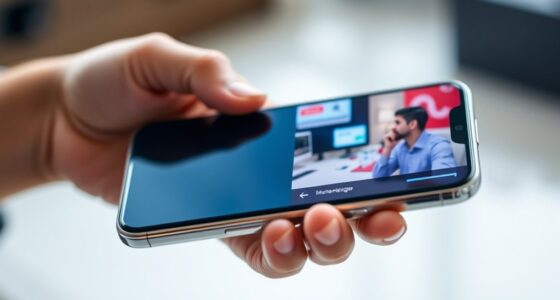
A phablet combines phone and tablet features, perfect for gaming and multitasking on the go.
When it comes to fitness tracking, your phablet can also serve as a capable companion. Many models come equipped with built-in sensors and fitness apps that monitor your steps, heart rate, and activity levels. You can wear it on your wrist or keep it close during workouts, making it easy to track progress without needing a separate device. In fact, some fitness enthusiasts prefer their phablet because of its portability and multifunctionality. It provides real-time data, so you can adjust your routines on the fly, and syncs with popular health apps to give a *detailed* view of your health journey.
Additionally, the contrast ratio of your device’s screen can significantly impact your viewing experience, especially when watching videos or gaming in darker environments. Now, you might be wondering if a tablet offers anything more than your phablet. The main advantage of a dedicated tablet is its larger, often higher-resolution screen. If you’re into digital gaming, a tablet can elevate your experience with more immersive visuals and bigger controls. Watching movies, reading e-books, or browsing photos become more enjoyable on a bigger display. For productivity, a tablet often offers better multitasking capabilities, like split-screen modes or a more comfortable keyboard setup, which can be handy if you work on the go.
However, portability is a key factor. Your phablet is more pocket-friendly and easier to carry around everywhere. If you’re someone who values convenience and doesn’t want multiple devices, a high-quality phablet might already do everything you need. It can handle gaming, fitness tracking, communication, and media consumption without the bulk of a tablet. Buying a tablet in addition might be redundant unless you specifically need a larger screen for detailed tasks or media consumption.
In the end, whether you need a tablet depends on your lifestyle and preferences. If your current device covers most of your digital gaming and fitness tracking needs, a tablet might be an unnecessary purchase. But if you crave a bigger screen for certain activities, it could be a worthwhile investment.
Frequently Asked Questions
Can a Tablet Replace My Laptop Entirely?
A tablet can’t fully replace your laptop, especially if you need device portability and a user interface optimized for productivity. While tablets are lightweight and easy to carry, they often lack the power and software compatibility of laptops. If you prefer a more traditional desktop-like experience, a laptop remains essential. However, for casual browsing, media, and light work, a tablet can be a convenient supplement.
Which Device Offers Better Battery Life—Tablet or Phablet?
Think of the battery life battle like a race between David and Goliath. Your phablet often offers better battery longevity and faster charging efficiency, making it ideal for all-day use. Tablets, while larger, tend to drain faster but last longer on a single charge than phones. If you prioritize staying unplugged longer, your phablet generally wins, giving you the power to keep going without frequent recharges.
Are Tablets More Suitable for Reading Than Phablets?
Tablets are more suitable for ebook reading and magazine browsing because of their larger screens, which make content easier to see and read comfortably. You’ll find it less straining on your eyes, and it feels more like reading a physical book or magazine. While phablets are portable, their smaller displays can make extended reading less enjoyable, so if you love long reading sessions, a tablet is the better choice.
Do Tablets Have Better Multitasking Capabilities Than Phablets?
Tablets generally offer better multitasking capabilities than phablets, giving you increased multitasking efficiency. You can run multiple apps side by side more comfortably on a tablet’s larger screen, making app multitasking smoother and more productive. Plus, tablets often support more advanced split-screen features, so you can switch between tasks faster. If multitasking is a priority, a tablet provides a superior experience over your phablet.
Is There a Significant Cost Difference Between Tablets and Phablets?
The cost comparison between tablets and phablets varies, but generally, tablets tend to be more expensive, especially premium models. You also need to factor in accessory costs like cases, screen protectors, and styluses, which can add up. If budget matters, a phablet might be a more economical choice since it combines phone and tablet functions, reducing the need for extra accessories and multiple devices.
Conclusion
Think of your devices as tools in a toolbox. If your phablet already handles the job—like a trusty screwdriver—you might not need the extra hammer of a tablet. But just like a hammer is perfect for pounding nails, a tablet can be ideal for tasks that need a bigger screen. Ultimately, it’s about choosing the right tool for your unique needs—no need to carry everything if your phone or phablet can do the trick.