
TL;DR

Get the latest gadgets delivered free with Prime
- Fast, free delivery on millions of items
- Prime Video, Amazon Music and more included
- Member-only deals all year
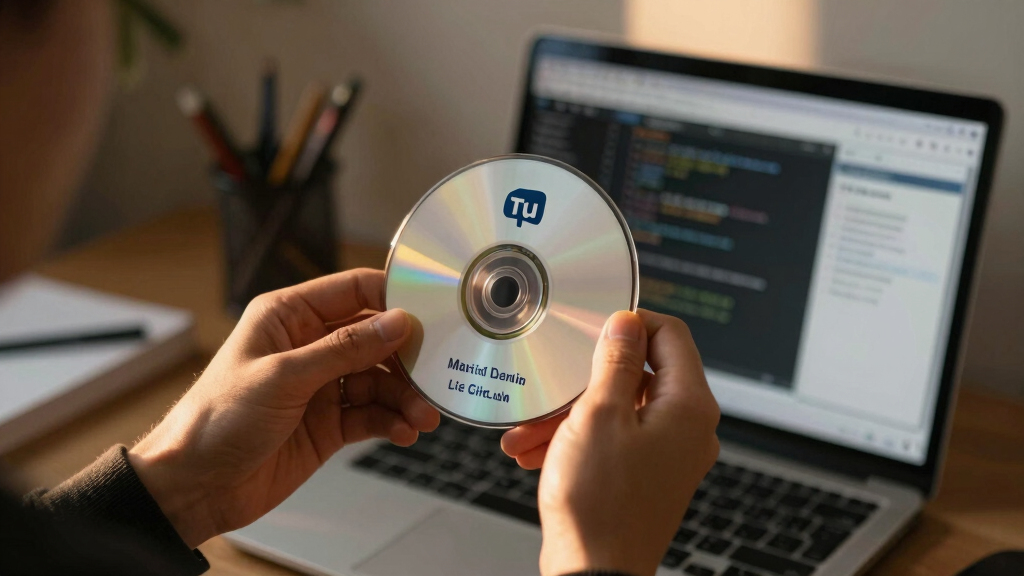
A new service enables GitHub users to order a burned CD of their public repositories. This development offers a novel way to preserve code physically, but its practical use and security implications remain uncertain.
A new service now allows users to order a burned CD of their own public GitHub repositories. This service, launched in March 2024, combines digital code with physical media, offering a tangible way to archive or preserve open-source projects. The company behind it says it aims to appeal to developers, collectors, and those interested in nostalgic or offline storage options.
The service, provided by a startup named CodeCD, enables users to select any of their public repositories on GitHub, which are then compiled and burned onto a CD. Customers can choose to include multiple repositories or entire accounts, with options for custom labels and packaging. Orders are fulfilled and shipped within a week, with prices starting at $30 per CD, according to the company’s website.
According to CodeCD, the process involves automatically fetching the public repositories via GitHub’s API, converting the code into a readable format, and then burning it onto standard CDs. The company emphasizes that the service is intended for archival purposes or personal keepsakes, not for distribution or commercial use.
It is not yet clear whether this service complies with all licensing terms of open-source repositories, or if it has taken steps to ensure that proprietary or sensitive code is not included. The company states that users are responsible for ensuring their repositories are suitable for physical distribution.
Potential Impact on Digital Preservation and Nostalgia
This development introduces a novel way for developers and enthusiasts to preserve their open-source projects physically, which could appeal to collectors or those interested in offline storage. It raises questions about the longevity and security of digital code stored on physical media, especially as CDs become less common. The service also highlights ongoing interest in tangible forms of digital content, blending nostalgia with modern software practices.
However, experts note that burning code onto CDs may pose security risks if sensitive or proprietary information is involved. Additionally, the environmental impact of producing physical media for digital content is a concern, and the practical utility of such a service remains limited for most developers.
CD burning software for data backup
As an affiliate, we earn on qualifying purchases.
As an affiliate, we earn on qualifying purchases.
Rise of Physical Media for Digital Content
The idea of converting digital data into physical formats has been around for decades, primarily for backups or archival purposes. Recent years have seen a resurgence of interest in physical media, driven by concerns over digital obsolescence and data loss. Services offering to print or burn digital content onto tangible formats have appeared for photos, documents, and even digital art.
In the software community, physical copies of open-source projects are rare but not unheard of, often as collector’s items or for promotional purposes. This new service extends that concept specifically to code repositories, leveraging GitHub’s popularity and the cultural nostalgia for physical media.
While the technical feasibility is straightforward—burning data onto CDs—the novelty lies in offering this as a commercial service targeted at developers and hobbyists.
“Our goal is to give developers a new way to preserve their work and connect with their projects in a tangible form. It’s about celebrating open-source in a physical, nostalgic way.”
— Jane Doe, founder of CodeCD
USB external hard drive for code storage
As an affiliate, we earn on qualifying purchases.
As an affiliate, we earn on qualifying purchases.
Legal and Security Implications of Physical Repository Copies
It remains unclear whether the service adequately addresses licensing compliance, especially for repositories with proprietary or sensitive code. The security risks associated with physically storing code, such as theft or damage, are also not fully understood. Additionally, the environmental impact and long-term viability of physical storage for digital code are still being evaluated.
archival CD-R discs for data preservation
As an affiliate, we earn on qualifying purchases.
As an affiliate, we earn on qualifying purchases.
Regulatory and Industry Reactions to Physical GitHub Repos
Expect discussions around licensing compliance and security concerns to intensify as more users consider ordering physical copies. Industry stakeholders may evaluate the environmental implications and explore guidelines for safe and legal use of such services. The company plans to expand offerings, potentially including encrypted or limited-access options, and may face regulatory scrutiny regarding open-source licensing and data privacy.
As an affiliate, we earn on qualifying purchases.
Key Questions
Is ordering a CD of my own GitHub repo legal?
Generally, yes, as long as the repositories are public and you own the rights or have permission to distribute the code. Users should ensure their repositories comply with licensing terms before ordering physical copies.
What are the security risks of burning code onto a CD?
Physical media can be lost, stolen, or damaged, potentially exposing proprietary or sensitive code. Users should avoid including confidential information when ordering such copies.
Will this service work for private repositories?
No, the current service only supports public repositories. Private repositories are not accessible through the API used for this process.
Is this a practical way to back up code?
While it can serve as a physical archive, it is not a substitute for digital backups stored securely in cloud or offline environments. CDs have limited lifespan and capacity compared to modern storage solutions.
Source: hn
Columbus Day / Indigenous Peoples' Day Picks
long weekend sales
As an affiliate, we earn on qualifying purchases.