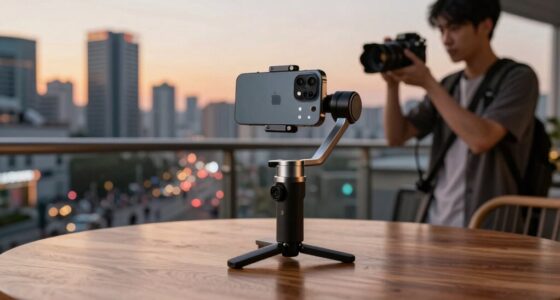

Smartphone cameras feel so good now because they combine advanced hardware like innovative lens stabilization and high-quality sensors with smart software that enhances images in real-time. This means you get sharp, vibrant photos even in low-light or shaky conditions, all without carrying bulky gear. Features like HDR video and scene detection make your videos smooth and cinematic. If you keep exploring, you’ll discover how these tech advances make capturing great moments easier and more satisfying than ever.

Get the latest gadgets delivered free with Prime
- Fast, free delivery on millions of items
- Prime Video, Amazon Music and more included
- Member-only deals all year
Key Takeaways
- Advanced lens stabilization creates sharp, clear images even in low-light or shaky conditions.
- Sophisticated image processing enhances colors, contrast, and detail for more vibrant photos.
- Hardware improvements enable professional-quality photos without bulky equipment.
- Video stabilization and HDR features produce smooth, cinematic footage effortlessly.
- Seamless integration of hardware and software boosts confidence in capturing stunning moments instantly.
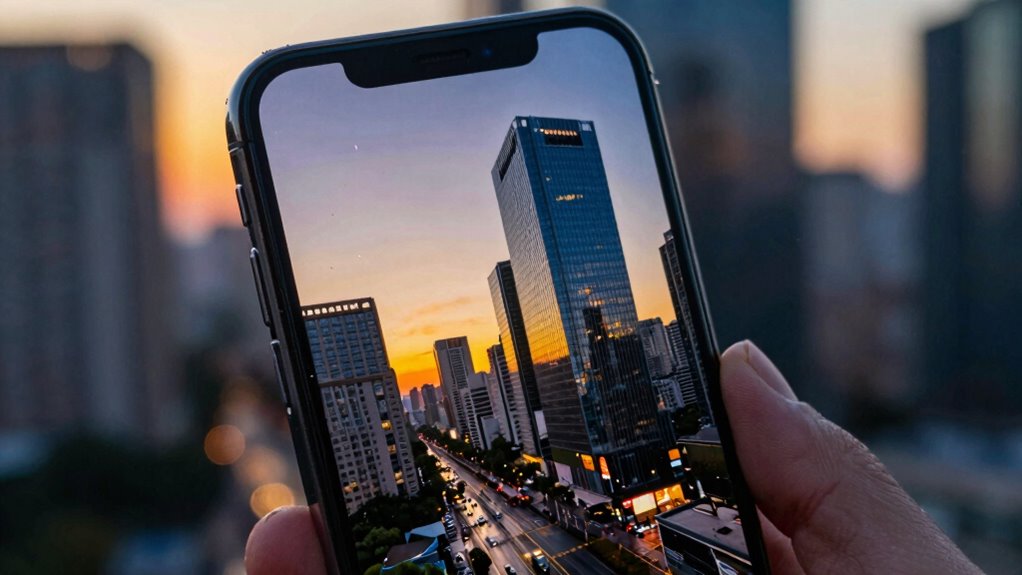
For years, smartphone cameras struggled to match the quality of dedicated cameras, but that’s no longer the case. Today’s smartphones deliver stunning images that rival professional gear, and a big reason for that shift is how advanced their technology has become. You no longer need a bulky DSLR to capture crisp, vibrant photos; instead, your phone’s camera is packed with features designed to make every shot look impressive. Two key elements fueling this progress are lens stabilization and sophisticated image processing.
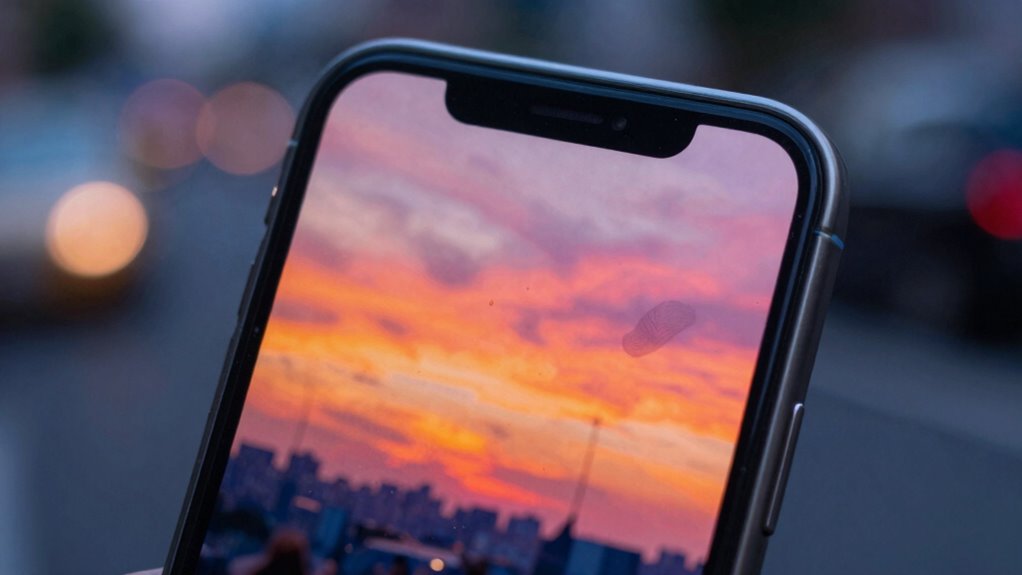
Lens stabilization is a game-changer. It works behind the scenes to counteract hand movements when you’re taking photos, especially in low-light conditions or when zooming in. Without it, even the steadiest hands can produce blurry images. Modern smartphones incorporate optical or sensor-shift stabilization techniques, which keep the camera lens steady, ensuring your photos are sharp and clear. This technology allows you to snap photos quickly without a tripod, making spontaneous moments more accessible and reliably sharp. Additionally, lens stabilization technology has become more efficient and compact, allowing manufacturers to incorporate it into slimmer device designs.
Lens stabilization keeps your shots sharp and clear, even in low light or when zoomed in.
Alongside stabilization, image processing plays a crucial role. Your smartphone’s processor analyzes every pixel, adjusting exposure, contrast, and color balance in real-time. It’s like having a mini photo editor working tirelessly behind the scenes to enhance each shot. Advanced algorithms help reduce noise in low-light environments and improve dynamic range, so your photos retain detail in both shadows and highlights. This means you don’t have to be a photography pro to get beautiful, well-balanced images. Additionally, image quality improvements continue to elevate your overall photography experience. Moreover, the integration of software enhancements further refines image output, making your photos more vivid and true to life.
The integration of lens stabilization and image processing has also improved video quality dramatically. Smooth footage with minimal shake is now standard, even when you’re moving around. Features like HDR video and intelligent scene detection further optimize your recordings, resulting in more cinematic results right from your pocket.
All these advances aren’t just about technical specs—they fundamentally change how you experience photography. You feel more confident capturing moments spontaneously, knowing your phone can handle challenging lighting or movement. You’re able to take sharper, more vibrant photos without fuss or extra equipment. The combination of stabilized lenses and powerful image processing makes your smartphone not just a tool for communication, but a capable, versatile camera that feels good to use.
In addition, contrast ratio technology enhances your images by providing deeper blacks and brighter whites, making photos more vivid and lifelike.
In essence, your smartphone camera now offers a seamless blend of hardware and software that elevates everyday photography. It’s no longer just about convenience; it’s about capturing memories with quality that makes you feel confident and proud of your images. The progression in lens stabilization and image processing has truly transformed your mobile photography experience into something that feels genuinely satisfying.
smartphone camera lens stabilization
As an affiliate, we earn on qualifying purchases.
As an affiliate, we earn on qualifying purchases.
Frequently Asked Questions
How Do Smartphone Cameras Compare to Professional DSLR Cameras?
Smartphone cameras now rival DSLR cameras in many situations, thanks to improved lens quality and advanced image stabilization. You can capture sharp, detailed photos without bulky equipment. While DSLRs still excel in professional settings with interchangeable lenses and manual control, your smartphone offers convenience and impressive image quality for everyday use. For casual photography, smartphones are more than capable, making it easy to document moments on the go.
What Are the Latest Technological Advancements in Smartphone Camera Sensors?
Sensor sophistication has surged, with recent innovations igniting impressive image quality. You’ll notice pixel technology pushing past previous boundaries, providing crisper, clearer captures even in low light. Larger sensors capture more light, while sensor innovations like stacked sensors boost speed and efficiency. These advancements allow your smartphone to seize stunning, sharp snapshots seamlessly, making every shot feel like a professional photograph. The latest tech turns your device into a powerful, portable photography powerhouse.
How Do Software Updates Improve Smartphone Camera Performance?
Software updates improve your smartphone camera performance through software optimization and advanced image processing. These updates refine algorithms, enhance autofocus, and reduce noise, leading to sharper, clearer photos. They also optimize HDR, color accuracy, and low-light capabilities. By continually improving how your camera processes images, software updates guarantee you get better quality shots over time, making your smartphone camera feel more responsive and capable with each update.
Can Smartphone Cameras Replace Dedicated Cameras for Serious Photography?
Smartphone cameras can’t fully replace dedicated cameras for serious photography yet. While they excel in camera ergonomics, offering portability and quick access, they often fall short in battery life, limiting extended shooting sessions. Dedicated cameras still provide better sensor quality, manual controls, and higher zoom capabilities. If you’re serious about photography, investing in a dedicated camera guarantees superior image quality and performance, especially in challenging lighting or detailed shots.
What Role Does Artificial Intelligence Play in Enhancing Photos?
Artificial intelligence enhances your photos by reducing noise and improving clarity, especially in low-light conditions. It uses scene recognition to identify what you’re capturing, adjusting settings automatically for ideal results. When AI detects complex scenes, it fine-tunes focus and exposure, minimizing photo noise and ensuring your images look sharp and vibrant. This technology simplifies photography, making it easier for you to take high-quality shots without manual adjustments.
smartphone camera image processing software
As an affiliate, we earn on qualifying purchases.
As an affiliate, we earn on qualifying purchases.
Conclusion
So, isn’t it funny how just when you start snapping photos with your phone, everything seems to look better? It’s like the camera’s improvements match your growing eye for detail. Maybe it’s no coincidence that as technology advances, your images become more mesmerizing without trying. In the end, your phone isn’t just a device—you’re seeing the world in a way that feels almost too good to be true, but hey, that’s just how perfect timing works.
smartphone video stabilization device
As an affiliate, we earn on qualifying purchases.
As an affiliate, we earn on qualifying purchases.
As an affiliate, we earn on qualifying purchases.
Columbus Day / Indigenous Peoples' Day Picks
long weekend sales
As an affiliate, we earn on qualifying purchases.