
TL;DR

Get the latest gadgets delivered free with Prime
- Fast, free delivery on millions of items
- Prime Video, Amazon Music and more included
- Member-only deals all year
Wireless charging stations use electromagnetic induction to power devices without cords. They are rapidly improving in speed, safety, and multi-device support, making them a key part of daily life.
Imagine a sleek desk where your phone, earbuds, and smartwatch all charge simultaneously, no cables needed. Wireless charging stations are making that scene a reality, transforming how we power our devices every day.
These stations aren’t just about convenience—they’re about smarter, safer, and more efficient energy transfer. Whether in cafes, airports, or your home, they’re quietly reshaping the way we stay connected and powered up.
Choosing a Qi-compatible station ensures maximum device compatibility and future-proofing.
Higher wattage chargers (15W+) offer faster wireless charging, but check your device supports it.
Multi-device stations streamline powering multiple gadgets simultaneously, saving space and clutter.
Safety features like foreign object detection and thermal controls are now standard, making wireless charging safe for everyday use.
Standardization efforts are making wireless charging more universal, reducing frustration and expanding possibilities.
What Makes a Wireless Charging Station Work? Think Simple, Think Standards
Wireless charging stations rely on a standard called Qi, developed by the Wireless Power Consortium (WPC). It’s like a common language for devices and stations to talk and share power seamlessly. Almost all modern smartphones, from iPhones to Samsung Galaxies, support Qi charging.
Other standards exist—like Power Matters Alliance (PMA) and AirFuel—but Qi dominates, especially for consumer gadgets. When shopping, checking if a station supports Qi means your device will likely work without fuss.
Imagine trying to plug in a cable, then realizing your device doesn’t match the port. That frustration fades when your device and station speak the same wireless language.
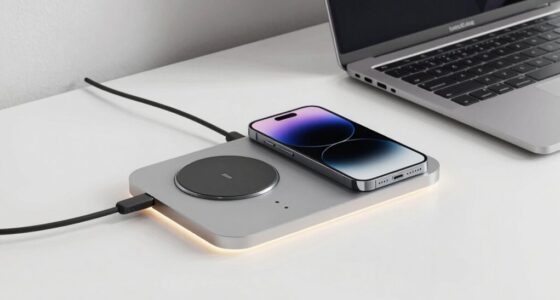
Qi wireless charging station for smartphones
As an affiliate, we earn on qualifying purchases.
As an affiliate, we earn on qualifying purchases.
Why Power Matters: How Fast Can Your Devices Charge Wirelessly?
Wireless stations vary in how quickly they charge. Standard models offer around 5W—enough for overnight or low-power needs. But newer stations crank that up to 15W or more, closing the gap with wired fast chargers.
For example, a recent Samsung station supports 15W, powering compatible Galaxy phones in about the same time as wired chargers. This means less waiting and more using your device.
However, keep in mind—your device’s battery and the station need to support higher wattages. Otherwise, it defaults to slower charging speeds.
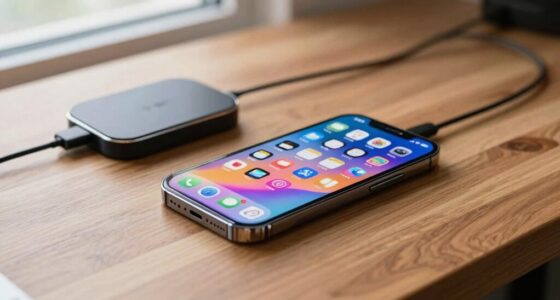
multi-device wireless charging pad
As an affiliate, we earn on qualifying purchases.
As an affiliate, we earn on qualifying purchases.
Design Matters: From Pads to Multi-Device Stations—Which Fits Your Style?
Wireless charging stations come in various shapes and styles. Some are flat pads—like a coaster for your phone—easy to slip into a bag. Others are stands, propping your device upright so you can see notifications while charging.
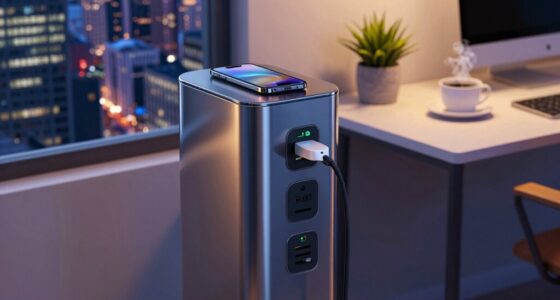
Then there are multi-device stations—think of a sleek tower that charges your phone, earbuds, and smartwatch all at once. They often use multiple coils to target several devices simultaneously.
For example, a modern desk might feature a built-in charging pad in its surface, blending seamlessly into your workspace. The choice depends on your lifestyle and space—whether you want portability or a permanent setup.
As an affiliate, we earn on qualifying purchases.
How Safe Are Wireless Charging Stations? What You Need to Know
Safety is a top concern, and wireless stations are designed with multiple protections. They include overcurrent, overvoltage, and temperature safeguards. Plus, foreign object detection prevents metal objects from heating up dangerously.
Imagine dropping a coin on a charging pad—many stations instantly detect metal and shut down, avoiding potential hazards. This makes using wireless stations safe even in busy environments.
However, using thick or metal cases can interfere with charging efficiency. Keep your device in a compatible case, and you’ll stay safe and powered.
wireless charging stand for iPhone and Galaxy
As an affiliate, we earn on qualifying purchases.
As an affiliate, we earn on qualifying purchases.
What’s New? The Latest Innovations in Wireless Charging Stations
Wireless charging is advancing fast. Many new stations support 15W or higher, offering faster charges for compatible phones. Some even support reverse wireless charging, letting your phone share power with other devices—like Samsung’s PowerShare feature.
Multi-device charging stations are more common, letting you power your phone, earbuds, and smartwatch all at once, thanks to multiple coils.
Integration into furniture is rising—imagine a coffee table with built-in charging pads or airport benches with embedded stations. These innovations make charging effortless and integrated into your environment.
How Standardization Is Making Wireless Charging Better for Everyone
Universal standards like Qi are crucial—they ensure that chargers and devices work together, regardless of brand. This means less frustration and more compatibility. According to the Wireless Power Consortium, over 80% of new smartphones now support Qi.
Manufacturers are also adopting a broader range of standards, like AirFuel, to support larger devices and longer-range charging. This shift toward compatibility is opening new doors, from charging laptops to even electric vehicles in the future.
It’s like having a universal power socket—plug in almost any device and it works smoothly.
Safety and Efficiency: What’s Improving and Why It Matters
Modern wireless stations are smarter. They include improved foreign object detection and better thermal management, which keeps devices cool and safe during charging.
Energy efficiency also gets a boost—less power waste means lower electricity bills and a smaller environmental footprint.
Think of it like a car with better fuel economy—more miles per gallon, less waste. These advances make wireless charging not just convenient, but responsible too.
What’s Next? The Future of Wireless Power
Emerging tech like resonant inductive coupling promises to transfer power over longer distances—up to several meters. This could mean charging your phone from across the room without placing it on a pad.
Large devices, including laptops and electric vehicles, are already on the horizon for wireless charging. Imagine parking your EV over a charging pad embedded in the ground—no cables, just effortless power transfer.
As standards evolve, expect wireless charging to become a normal part of daily life—embedded into furniture, public spaces, and even wearable tech.
Frequently Asked Questions
How does wireless charging actually work?
It uses electromagnetic induction, where a coil in the station creates an electromagnetic field that transfers energy to a coil in your device. This process is silent, fast, and safe when standards and safety features are followed.
Are wireless chargers safe for my devices?
Yes, modern wireless chargers include safeguards like foreign object detection and temperature control. As long as you use certified stations and compatible devices, risks are minimal and comparable to wired charging.
Will charging my device wirelessly damage the battery?
Not if you use approved chargers. Many devices now support fast wireless charging without impacting long-term battery health, but excessive fast charging might accelerate battery wear over many years.
Can I use any wireless charger with my phone?
Only if both support the same standard, typically Qi. Check your device specs—if it supports Qi, most compatible chargers will work, but some features like fast charging depend on device and station support.
Is wireless charging faster than wired?
Generally, wired charging remains faster, especially with high-wattage chargers. But new wireless stations with 15W or more are closing that gap, offering nearly comparable speeds for everyday use.
Conclusion
Wireless charging stations are no longer just a convenience—they’re becoming an integral part of our connected lives. As technology advances and standards align, you’ll find them embedded everywhere, making power effortless and seamless.
Think of the next time you place your phone on a pad—it’s more than just charging; it’s a glimpse into a future where cables fade into the background, and your devices are always ready to go.
Fall Picks
fall essentials
As an affiliate, we earn on qualifying purchases.