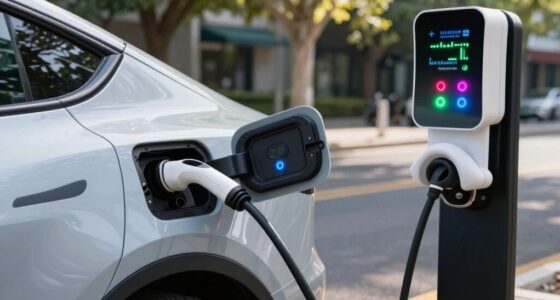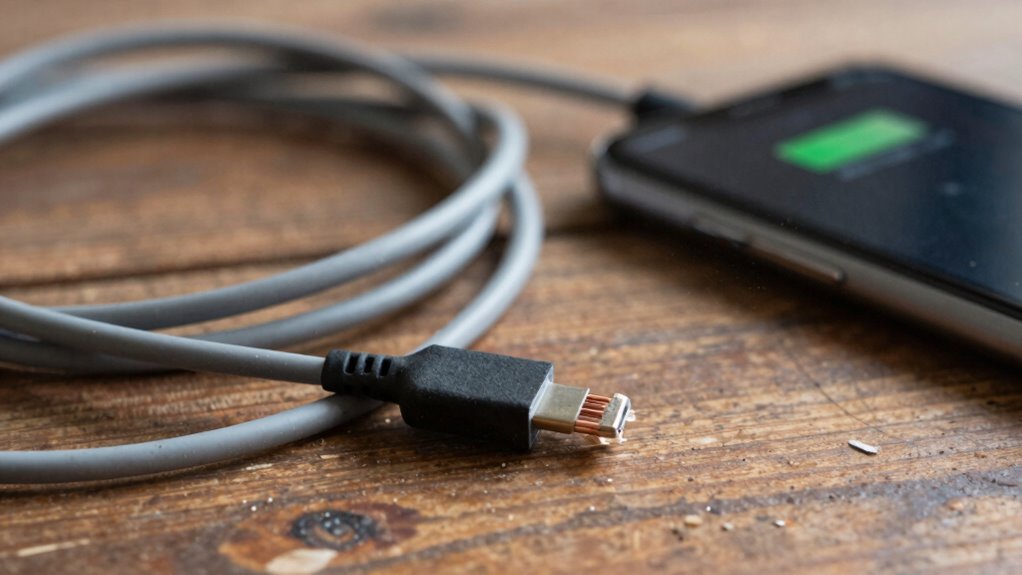

Many people ignore important charging habits that slowly damage their batteries. Overcharging past 100%, letting batteries drop below 20%, or keeping devices plugged in too long all wear out cells over time. Hot temperatures and using uncertified chargers also accelerate decline. If you don’t manage charging properly, your battery’s capacity will gradually reduce, shortening your device’s lifespan. Stay tuned, as we’ll uncover more essential tips to help keep your battery healthy for years.
Listen free for 30 days with Audible
Thousands of audiobooks and originals — cancel anytime.
As an affiliate, we earn on qualifying purchases.
Key Takeaways
- Overcharging beyond 100% damages battery chemistry and reduces lifespan.
- Keeping devices plugged in after full charge accelerates chemical deterioration.
- Charging below 20% repeatedly strains battery cells, leading to capacity loss.
- Using uncertified or incompatible chargers causes thermal stress and battery damage.
- Ignoring optimal charging ranges (20-80%) accelerates long-term capacity decline.
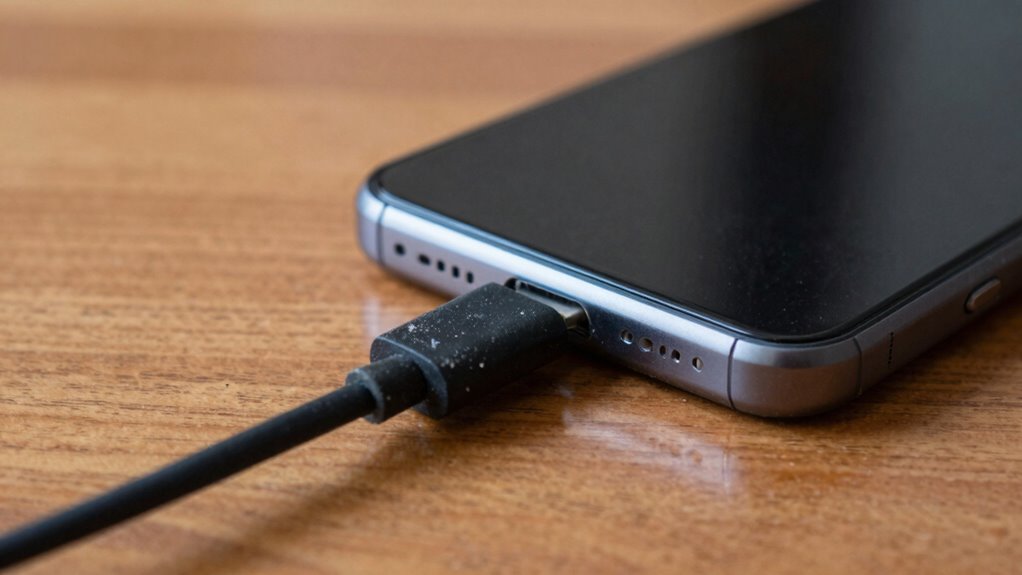
Charging habits like consistently overcharging or letting your battery drain completely before recharging can cause long-term damage. For example, keeping your device plugged in after it reaches 100% can lead to overheating and stress on the battery, reducing its overall capacity. Similarly, frequently letting the battery drop below 20% before charging can strain the cells, causing them to lose capacity faster. The key is to keep your battery between roughly 20% and 80% whenever possible, which minimizes stress and prolongs its health. Additionally, understanding affiliate disclosure about the products you use can help ensure you select reliable chargers that support your device’s longevity. Battery health deteriorates gradually when you ignore proper charging practices. Over time, the chemical composition inside your battery changes, reducing its ability to hold a full charge. That’s why you might notice your device no longer lasts as long as it used to, even after a full charge. Proper battery management can prevent many of these issues and extend the overall lifespan of your device. The damage isn’t always immediately obvious but becomes apparent after a year or two of poor charging habits. Maintaining good charging habits—like unplugging your device once it hits around 80%, avoiding high-temperature environments, and using certified chargers—can significantly extend your battery’s lifespan. Being aware of charger settings and ensuring they match your LiFePO4 battery specifications can further help prevent unnecessary strain. Recognizing the importance of proper charging techniques can make a substantial difference in preserving battery integrity over time. Furthermore, correct charging practices are essential for avoiding thermal stress, which accelerates degradation.

iHealth Neo Wireless Blood Pressure Monitor, Upper Arm BP Machine with App
- Clinically Validated for Accuracy: No calibration needed, one-button operation
- Fast & Gentle Measurement: Comfortable inflation, large display readings
- Ultra Thin & Portable: Lightweight, sleek design for easy carrying
As an affiliate, we earn on qualifying purchases.
As an affiliate, we earn on qualifying purchases.
Frequently Asked Questions
How Can I Tell if My Charger Is Faulty?
You can tell if your charger is faulty by checking charger compatibility first—ensure it matches your device. Use fault detection tools or apps to see if your device recognizes the charger correctly. If your device charges slowly, disconnect and try another charger, or look for signs like overheating or frayed cables. If issues persist, it’s likely your charger is faulty and needs replacing to avoid damage or safety risks.
Does Fast Charging Damage Battery Lifespan?
Think of your battery like a muscle; fast charging is like lifting heavy weights—it can cause strain. Yes, fast charging can accelerate battery degradation over time, but if you use it wisely, your battery lifespan isn’t doomed. Good charging habits, like avoiding constant fast charging and not letting your battery drain completely, help preserve your battery’s health. So, use fast charging sparingly to keep your battery healthier longer.
Are Third-Party Chargers Safe to Use?
Third-party chargers can be safe if they meet your device’s charger compatibility standards and have proper third-party safety certifications. Always check for reputable brands and verify that the charger aligns with your device’s specifications. Using incompatible or poorly made chargers might risk damage or safety issues. So, guarantee third-party safety and compatibility before plugging in, and avoid cheap, uncertified options to protect your device’s battery and overall safety.
How Often Should I Calibrate My Device’s Battery?
You should calibrate your device’s battery every few months to maintain ideal battery health. Regular calibration helps you get accurate battery life readings and prevents unexpected shut-offs. Good charging habits, like avoiding frequent full discharges and not overcharging, also play a crucial role. By keeping an eye on your charging habits and calibrating periodically, you guarantee your device’s battery stays healthy longer and performs reliably over time.
What’s the Best Way to Store a Charged Device?
You might think storing a charged device is simple, but surprisingly, it’s a key part of battery optimization. Keep your device in a cool, dry place, ideally with around 50% charge, and avoid leaving it fully charged or dead for long periods. Good charging habits prevent capacity loss, so store smartly, and your device will thank you with longer battery life. Irony: proper storage makes your device last longer, yet many overlook it.

Apple MFi Certified iPhone 17 Charger 20W USB C Charger + 6FT Type C Cable
- Intelligent Power Distribution: Auto-detects device for optimal charging
- Dynamic Temperature Sensors: Monitors and adjusts to prevent overheating
- Advanced Safety Features: Multiple certifications and protection systems
As an affiliate, we earn on qualifying purchases.
As an affiliate, we earn on qualifying purchases.
Conclusion
So, don’t let small details slip through your fingers; ignoring charging habits can lead to bigger issues down the line. Keep an eye on your device’s battery health and charging routines, because a stitch in time saves nine. The little things often make the biggest difference, and staying proactive now can save you from headaches later. Remember, it’s better to be safe than sorry—your gadgets will thank you for it.

KKnoon 150W 20A Adjustable Constant Current Electronic Load 2.4inch TFT Color Display 4 Working Modes USB Lithium Battery Capacity Monitor Tester Discharge Meter
- Power and Current Capacity: 150W power, 20A max load current
- Display Screen: 2.4-inch TFT color display with multiple metrics
- Measurement Functions: Voltage, current, power, capacity, resistance, and more
As an affiliate, we earn on qualifying purchases.
As an affiliate, we earn on qualifying purchases.

ULTRAPOWER 14.6V 4A LiFePO4 Battery Charger,Smart Lithium Battery Charger with 4LEDs Indicator for Cars,Motocycles,Golf Trolley,UAV,Fishing Boat and Lithium Deep Cycle Batteries(ETL Listed)
- Smart Charging Management: Fully automatic with intelligent detection
- Battery Activation: Safely wakes up BMS-protected batteries
- Four-Stage Charging: Pre-charge, bulk, constant voltage, full charge
As an affiliate, we earn on qualifying purchases.
As an affiliate, we earn on qualifying purchases.
Flea & tick season Picks
flea and tick prevention
As an affiliate, we earn on qualifying purchases.