

To think about premium protection without overbuying, you should start by evaluating your actual risks through careful analysis. Focus on coverage limits that match your financial situation and needs, avoiding unnecessary add-ons that add to costs. Regularly review your policies to adjust for life changes and risk levels. Understanding how premiums are set helps you find a balance between affordability and protection. Keep these tips in mind, and you’ll find smarter ways to protect yourself without overspending.
Key Takeaways
- Conduct thorough risk analysis to determine necessary coverage, avoiding unnecessary add-ons or over-insuring.
- Regularly review and adjust policies to match current risk exposure and financial situation.
- Balance coverage limits to protect assets without paying for excessive protection.
- Understand premium determinants to make informed choices and avoid overspending.
- Focus on core protections aligned with actual risks, not unnecessary extras or bells and whistles.

Have you ever wondered how to balance the cost of insurance premiums with the protection they offer? It’s a common dilemma—wanting enough coverage to be protected without overspending on policies that might include unnecessary extras. The key is understanding how to evaluate your risks and set appropriate coverage limits. When you focus on risk analysis, you identify what potential hazards could impact you most, whether it’s health concerns, property damage, or liability. By accurately appraising your risks, you can tailor your insurance to cover what truly matters, avoiding the temptation to buy coverage for unlikely scenarios that inflate premiums unnecessarily.
Coverage limits are another critical factor. They determine the maximum amount your insurer will pay in the event of a claim. Choosing limits that are too low might leave you vulnerable to significant out-of-pocket expenses, while excessively high limits can lead to paying for coverage you don’t need. To strike the right balance, consider your financial situation and potential exposure. For example, if you own a home, ensure your policy’s coverage limits are high enough to rebuild or repair your property, but don’t pay for coverage limits that extend far beyond your property’s value unless you have specific risk factors, like expensive renovations or valuable assets.
Balance your coverage limits carefully to protect your assets without overspending on unnecessary extras.
Your goal should be to find a sweet spot between affordability and adequate protection. One way to do this is to review your coverage periodically—what made sense a few years ago might no longer apply. As your life changes, so do your risks. If you’ve paid off your mortgage, you might be comfortable with lower coverage limits on your home insurance. Similarly, if your health has improved or you’ve developed new health concerns, adjusting your health insurance coverage can prevent overpaying while still safeguarding your wellbeing. Additionally, understanding the cost of coverage and how premiums are determined can help you make more informed decisions about your policy choices. Recognizing insurance risk factors can further refine your coverage needs and optimize your premiums.
It’s also worth exploring different policy options and understanding what’s included. Sometimes, additional coverage add-ons seem appealing but aren’t necessary. Focus on core protections that align with your risk analysis, and avoid the allure of unnecessary extras that bump up premiums. Remember, the goal isn’t to eliminate all risk but to manage it wisely, ensuring your premiums reflect your actual needs. Additionally, considering various coverage options can help you find policies that fit your specific situation without overspending on unnecessary features. Being aware of coverage limitations can help prevent surprises during claim processes and ensure you’re fully protected within your chosen policy.
In the end, thinking about premium protection means being proactive about evaluating your risks and setting coverage limits that fit your lifestyle and finances. By doing so, you ensure your insurance is a valuable safety net—not a financial burden. Keep reviewing your policies regularly, and stay informed about your options so you can make smart choices that protect your future without overspending today.

Understanding Your Insurance: Health, Life, Auto, and Home Insurance Explained — What You're Actually Buying, What the Fine Print Means, and How to Know If You Have Enough
As an affiliate, we earn on qualifying purchases.
As an affiliate, we earn on qualifying purchases.
Frequently Asked Questions
How Often Should I Review My Premium Protection Coverage?
You should review your premium protection coverage at least once a year. During this premium evaluation, assess if your current coverage still meets your needs and if any life changes, like a new job or a home purchase, warrant a coverage adjustment. Regular reviews help you avoid overbuying or underinsuring, ensuring you’re protected without unnecessary expenses. Make it a habit to stay proactive and keep your coverage aligned with your evolving circumstances.
What Factors Influence the Cost of Premium Protection?
The cost of premium protection is influenced by several factors, including policy customization and specific cost factors like coverage amount, deductibles, and your risk profile. When you customize your policy, you can tailor coverage to fit your needs, potentially reducing unnecessary expenses. Be aware that higher coverage limits and lower deductibles often increase costs. Regularly reviewing these elements helps you balance protection with affordability, avoiding overpaying while staying adequately covered.
Can I Customize My Premium Protection Plan?
Yes, you can customize your premium protection plan. Many providers offer personalization options and coverage customization, so you can tailor your plan to fit your specific needs. You might choose different coverage levels, add optional features, or adjust deductibles. This way, you avoid overpaying for unnecessary coverage while ensuring you’re protected where it matters most. Always review your options and work with your provider to create the best fit.
What Are the Common Pitfalls When Overbuying Premium Protection?
When overbuying premium protection, you risk coverage gaps and policy redundancy. You might pay for overlapping coverage that isn’t necessary, leaving you with wasted money. Additionally, excessive protection can create confusion about what’s truly covered, leading to gaps if certain areas are overlooked. To avoid this, review your needs carefully, compare policies thoroughly, and guarantee your plan provides thorough coverage without unnecessary extras.
How Does Premium Protection Impact My Overall Financial Plan?
Premium protection acts like a safety net, cushioning your financial journey. It impacts your overall plan by balancing risk assessment and offering coverage flexibility, so you’re not caught off guard. When you choose the right coverage, you maintain control over your finances, avoiding overpayment while ensuring essential protection. This strategic approach helps you stay on course, making your financial future more secure without letting excess premiums weigh you down.

Life & Health Exam Secrets Study Guide: Life & Health Test Review for the Life & Health Insurance Exam (Mometrix Secrets Study Guides)
As an affiliate, we earn on qualifying purchases.
As an affiliate, we earn on qualifying purchases.
Conclusion
Remember, it’s not about spending the most but about protecting what matters. Think of premium protection as a safety net, not a luxury. Strike a balance by evaluating your actual risks and needs, avoiding the trap of overbuying. As the saying goes, “Better safe than sorry,” but overdoing it can be just as risky. Be thoughtful, stay informed, and tailor your coverage wisely—your peace of mind depends on it.

DANRONG Desk Calculator, Extra Large 4in LCD Display, 12 Digits, Solar & Battery Dual Power, Calculators Desktop With Big Buttons, Auto Shut-off, Calculator for Office School Home Business Basic Black
【Extra Large Display】DANRONG calculator is equipped with an extra large 4 inch 12-digit LCD display, the numbers are…
As an affiliate, we earn on qualifying purchases.
As an affiliate, we earn on qualifying purchases.
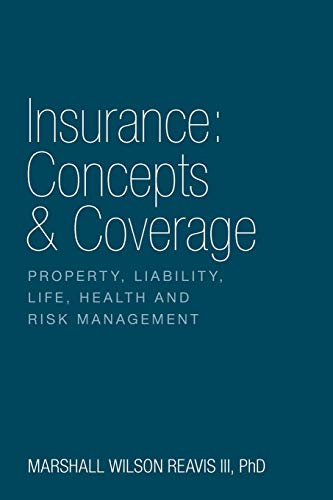
Insurance: Concepts & Coverage: Property, Liability, Life, Health and Risk Management
As an affiliate, we earn on qualifying purchases.
As an affiliate, we earn on qualifying purchases.