
TL;DR

Get the latest gadgets delivered free with Prime
- Fast, free delivery on millions of items
- Prime Video, Amazon Music and more included
- Member-only deals all year
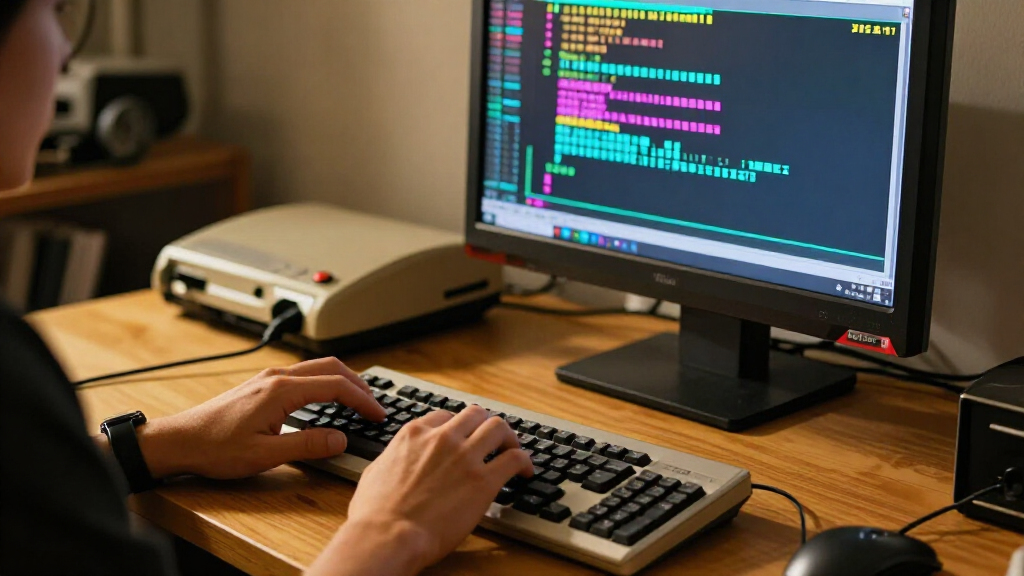
A report updated October 12, 2026, describes a hand-coded demoscene intro that runs on a stock 128K ZX Spectrum and recreates the look of late-1980s crack intros. Its creator says the production is 10,287 bytes of code and includes a three-channel AY soundtrack, scrolling text, bouncing VU meters and a parallax starfield. The report links to a tape image and other ways to view or run the demo.
A new ZX Spectrum demoscene intro recreates the compact, effects-driven style of late-1980s crack intros, with a scrolling message, AY music, bouncing VU meters and a parallax starfield. Its creator says the hand-written production runs on a stock 128K Spectrum and has been published with a downloadable tape image and other viewing options.
The creator describes the demo as a personal technical project and says its code totals 10,287 bytes; the complete tape image is 19,552 bytes. Development began on December 13 of the previous year, according to the report, which was updated on October 12, 2026. The author estimates that the work averaged about 455 bytes of code per week over that period.
The intro combines effects associated with older cracktros: a smooth scrolling text display using a custom font, a three-channel soundtrack made for the Spectrum’s AY sound chip, animated VU meters and a layered starfield. The author says readers can download a .tap cassette image, view a YouTube capture, find the production on pouet.net or run it through a browser-based TNFS site portal. The report says the tape image should load in any emulator; it does not give a list of tested emulators.
The accompanying account is a technical overview of the work, including lessons in Z80 assembly and the challenges of programming for the Spectrum. The author presents the project as a recreation of a long-standing ambition, rather than as a commercial release or a formal benchmark of the machine.
Classic Effects on 128K Hardware
The project shows how small, hand-coded productions can use a 1980s home computer’s limited memory and sound hardware to evoke a recognizable visual style. For readers interested in retro programming, the combination of scrolling text, synchronized audio and animated graphics offers a concrete example of how a demoscene intro can be built for an original machine rather than a modern system.
It also connects two strands of computer history: the crack intros that introduced pirated games and the later demoscene, where programmers, artists and musicians made standalone productions to display their skills. The creator’s account focuses on the creative and technical appeal of that style. It does not endorse software piracy or describe the intro as distributing a game.
As an affiliate, we earn on qualifying purchases.
From Cracktros to the Demoscene
The author recalls encountering Amiga crack intros in the late 1980s and trying to imitate them on a ZX Spectrum using Sinclair BASIC and rudimentary assembly routines. Those intros commonly paired logos and boastful scrolling messages with effects such as starfields or moving objects. The report describes them as a source of inspiration, not as the same kind of production as a later standalone demo.
Over time, the demoscene developed into a creative community in which coders, graphics artists and musicians made productions to showcase technical and artistic work. The author says the scene remains active, while explaining that this project returns to the simpler, single-screen style that first caught their attention. The new intro applies that aesthetic to the Spectrum and its Z80 processor and AY sound chip.
“I’m now the proud author of a hand-rolled retro demoscene intro that runs on a stock 128Kb Spectrum.”
— The creator, in the report
As an affiliate, we earn on qualifying purchases.
Independent Testing Still Unreported
The source is the creator’s own report, and it does not provide independent verification of the code size, performance or compatibility. It says the .tap image should work in any emulator, but does not name specific emulators or document tests on physical Spectrum hardware. The account also does not provide frame-rate measurements or a detailed breakdown of memory use for each effect.
The report describes the intro’s features and links to ways to view it, but the supplied material does not establish how many people have downloaded or run it. It is also unclear whether the creator plans further releases, revisions or technical documentation beyond the overview.
ZX Spectrum assembly programming book
As an affiliate, we earn on qualifying purchases.
As an affiliate, we earn on qualifying purchases.
Try the Published Tape Image
Readers can use the linked .tap cassette image to try the production in an emulator, or view the YouTube capture and pouet.net listing. The creator also points to a browser-based TNFS portal as another way to run it. The report does not announce a release date for any follow-up or name a planned next project, so further development remains unconfirmed.
As an affiliate, we earn on qualifying purchases.
Key Questions
What is the ZX Spectrum intro?
It is a short demoscene-style production for a stock 128K ZX Spectrum, built around scrolling text, music, VU meters and a starfield.
How large is the production?
The creator reports 10,287 bytes of code and a complete tape image of 19,552 bytes.
How can people view or run it?
The report links to a downloadable .tap image, a YouTube capture, a pouet.net page and a browser-based TNFS portal. The creator says the tape image should load in any emulator.
Has it been tested on original hardware?
The supplied report says the intro runs on a stock 128K Spectrum, but it does not provide independent testing details or identify particular physical machines or emulators used for verification.
Source: hn
Halloween Picks
halloween
As an affiliate, we earn on qualifying purchases.