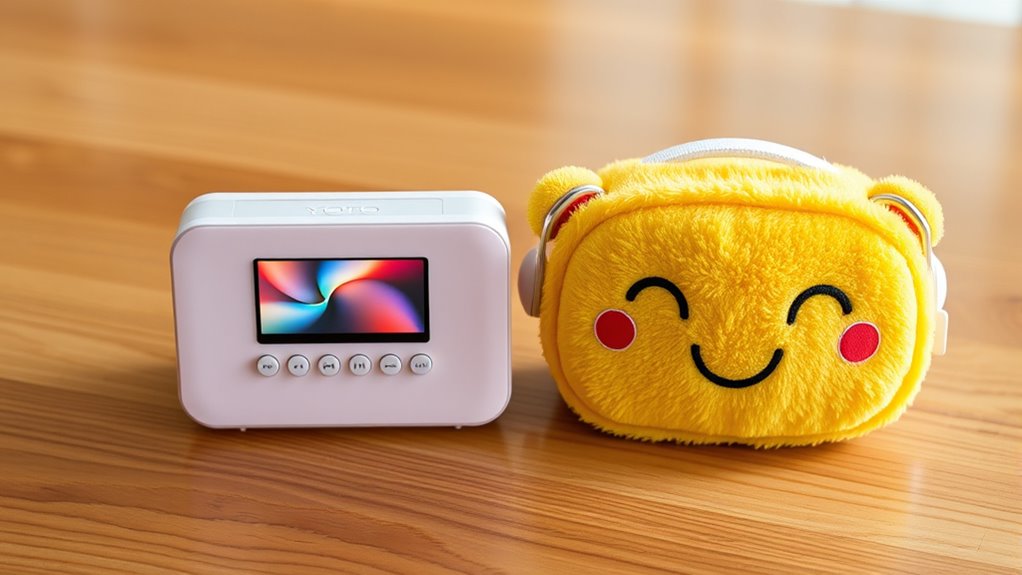

Choosing the right kid-friendly audio device in 2026 means balancing content, features, and ease of use. The Yoto Player (3rd Gen.) + Disney Classics Bundle stands out for its versatile functions and extensive content library, perfect for parents seeking a multi-functional device. The Toniebox is a popular alternative, especially for its simplicity and tactile design, making it ideal for younger children who benefit from straightforward controls. Meanwhile, the Yoto Mini (2024 Edition) offers portability and a broad content library suitable for travel and on-the-go listening. Each option involves tradeoffs: Yoto devices often require physical cards and can be more complex, while Tonieboxes focus on ease with characters and a seamless experience but might lack some advanced features. Here’s a detailed look at these top contenders to help you find the best fit for your child’s age and your preferences.

Get the latest gadgets delivered free with Prime
- Fast, free delivery on millions of items
- Prime Video, Amazon Music and more included
- Member-only deals all year
Complete the kit


Key Takeaways
- Yoto devices excel with extensive content libraries and multi-functional features, making them ideal for parents seeking customization.
- Toniebox offers a simpler, more tactile experience, especially suited for very young children or those new to digital devices.
- Portability is a key strength of the Yoto Mini, perfect for travel and bedtime routines, but it relies heavily on physical cards.
- Both brands require physical media for content, which can be lost or require extra purchases, a consideration for budget-conscious buyers.
- Choosing between them depends on whether you prioritize ease of use and tactile controls (Toniebox) or customization and content variety (Yoto).
| YOTO Player (3rd Gen.) + Kids Disney Classics Bundle – Screen-Free, Ages 4+ |  | Best Overall Multi-Function Device | Includes: YOTO Player (3rd Gen.) and 6 Disney story cards | Age Range: Ages 4+ | Battery Life: Up to 16 hours | VIEW ON AMAZON | See Our Full Breakdown |
| Yoto Mini (2024 Edition) + Starter Pack for Little Kids Bundle, Ages 3+ |  | Best for Portability and Travel | Includes: Yoto Mini (2024 Edition), starter pack | Age Range: Ages 3+ | Battery Life: Up to 14 hours | VIEW ON AMAZON | See Our Full Breakdown |
| YOTO Player (3rd Gen) – Kids Audio Player, Screen-Free, Ages 3-12 |  | Best for Wide Age Range and Content Variety | Battery Life: Up to 16 hours | Internal Storage: 32GB | Content Capacity: 600+ hours | VIEW ON AMAZON | See Our Full Breakdown |
| YOTO Player (3rd Gen) + Starter Pack for Little Kids Bundle |  | Best for Beginner Use and Simple Setup | Generation: 3rd | Battery Life: Up to 16 hours | Display: Pixel display | VIEW ON AMAZON | See Our Full Breakdown |
| Yoto Mini (2024 Edition) Kids Travel Audio Player, Screen-Free, Ages 3-12 |  | Best for Travel and On-the-Go | Battery Life: Up to 14 hours | Display: Pixel display | Content Compatibility: Over 1000+ cards | VIEW ON AMAZON | See Our Full Breakdown |
| yoto player vs toniebox review | Battery Life | Content Compatibility | Connectivity | Display |
|---|---|---|---|---|
| YOTO Player | Up to 16 hours | Over 1000 cards including stories, music, activities, podcasts | Bluetooth | — |
| Yoto Mini | Up to 14 hours | Over 1000+ cards including stories, music, podcasts | Bluetooth, Wi-Fi | Pixel display |
| YOTO Player | Up to 16 hours | — | USB-C, Bluetooth | Pixel display |
| YOTO Player | Up to 16 hours | Over 1000+ cards | — | Pixel display |
| Yoto Mini | Up to 14 hours | Over 1000+ cards | Bluetooth, Wi-Fi | Pixel display |
More Details on Our Top Picks
YOTO Player (3rd Gen.) + Kids Disney Classics Bundle – Screen-Free, Ages 4+
The YOTO Player (3rd Gen.) with Disney Classics bundle combines a broad content library with practical features like a nightlight, alarm, and thermometer. It stands out for its versatile functions—not just stories but also sleep sounds and educational content—making it a comprehensive choice. Compared with simpler options, it offers more control and customization, but its reliance on physical cards and sometimes overwhelming features for younger children can be drawbacks. This model is well-suited to parents wanting a long-term, adaptable device that grows with their child, despite the need for ongoing card purchases.
Pros:- Screen-free entertainment promotes healthy habits
- Includes nightlight, alarm, and room thermometer
- Parental controls for safe content
- Large content library with over 1000 cards
Cons:- Requires physical cards for content, which may be lost
- Some features might be complex for younger kids
- Additional card purchases can add up
Best for: Parents seeking a multi-purpose device with extensive content and customization.
Not ideal for: Those wanting a straightforward, minimal device for very young children or who prefer digital-only content.
- Includes:YOTO Player (3rd Gen.) and 6 Disney story cards
- Age Range:Ages 4+
- Battery Life:Up to 16 hours
- Features:Pixel display, sleep sounds, nightlight, alarm clock, room thermometer, Bluetooth speaker, headphone compatibility
- Content Compatibility:Over 1000 cards including stories, music, activities, podcasts
- Connectivity:Bluetooth
Our verdict“A versatile, content-rich choice for parents wanting a long-term, all-in-one device.”
Yoto Mini (2024 Edition) + Starter Pack for Little Kids Bundle, Ages 3+
The Yoto Mini (2024 Edition) shines as a portable option designed for children aged 3 and up. Its compact size and long battery life—up to 14 hours—make it ideal for travel, trips, or bedtime routines. It uses physical audio cards or a free app for control, which simplifies content selection but can be limiting compared to devices with more interactive features. Compared to larger Yoto models, this mini emphasizes portability over advanced functions, making it perfect for families on the move who want a familiar content ecosystem in a smaller package.
Pros:- Compact and travel-friendly design
- Long-lasting battery
- Supports over 1000+ cards
- Simple controls with physical cards
Cons:- Limited to audio content only
- No visual or interactive media
- Requires physical cards which can be lost
Best for: Travelers or families needing a portable, screen-free device for on-the-go listening.
Not ideal for: Children who prefer visual or interactive features, or households wanting more device functions beyond audio playback.
- Includes:Yoto Mini (2024 Edition), starter pack
- Age Range:Ages 3+
- Battery Life:Up to 14 hours
- Display:Pixel display
- Content Compatibility:Over 1000+ cards including stories, music, podcasts
- Control Method:Physical dials, free app
- Connectivity:Bluetooth, Wi-Fi
Our verdict“A highly portable, content-rich audio device perfect for travel and bedtime routines.”
YOTO Player (3rd Gen) – Kids Audio Player, Screen-Free, Ages 3-12
This YOTO Player (3rd Gen.) is designed for children aged 3 to 12, offering a broad spectrum of content including audiobooks, music, and activities. It features a vivid pixel display and supports up to 16 hours of playback, making it a flexible choice for both younger and older kids. The device’s customization options allow parents to tailor content to their child’s interests, and its setup via a mobile app simplifies management. However, it relies on physical cards for content, which may be a limitation for some families seeking purely digital solutions. It’s an excellent all-rounder for families wanting a device that adapts as their child grows.
Pros:- Wide age range coverage
- Long battery life and fast charging
- Various content types and customization
- Includes nightlight and alarm features
Cons:- Requires physical cards for content
- Limited to content compatible with Yoto ecosystem
- No interactive or multimedia features beyond audio
Best for: Families with children across a wide age range who want a versatile, expandable device.
Not ideal for: Those seeking digital-only or interactive features like cameras or microphones.
- Battery Life:Up to 16 hours
- Internal Storage:32GB
- Content Capacity:600+ hours
- Display:Pixel display
- Connectivity:USB-C, Bluetooth
- Content Types:Audiobooks, music, soundscapes, podcasts, radio, activities
Our verdict“A flexible device suitable for multiple ages with extensive content options, though reliant on physical media.”
YOTO Player (3rd Gen) + Starter Pack for Little Kids Bundle
This YOTO Player (3rd Gen.) bundle is tailored for families new to screen-free audio devices. Its straightforward setup, combined with the included starter pack, makes it easy to introduce children to stories, songs, and activities without overwhelming them. The device’s features like the pixel display, nightlight, and alarm clock add value, but it still depends on physical cards for content, which can be a minor inconvenience for some. It’s an ideal choice for parents seeking a simple, safe, and engaging device for young children who won’t need extensive customization.
Pros:- Simple setup and controls
- Includes a starter content pack
- Screen-free with parental controls
- Multi-purpose functions like nightlight and alarm
Cons:- Requires physical cards for content
- Limited to content available within the ecosystem
- Some may find setup or app controls complex
Best for: Families seeking an easy-to-use, starter device for young children.
Not ideal for: Those wanting advanced features or digital-only content management.
- Generation:3rd
- Battery Life:Up to 16 hours
- Display:Pixel display
- Features:Nightlight, alarm clock, thermometer, Bluetooth speaker
- Content Compatibility:Over 1000+ cards
Our verdict“A user-friendly, beginner-friendly device perfect for introducing young children to screen-free listening.”
Yoto Mini (2024 Edition) Kids Travel Audio Player, Screen-Free, Ages 3-12
The Yoto Mini (2024 Edition) is tailored for active kids and families needing a portable, durable device. Its compact size, long battery life, and support for over 1000+ audio cards make it an excellent travel companion. The device’s simple controls—physical dials and a free app—are intuitive for children, especially when on the move. While it’s limited to audio content and relies on physical cards, its rugged design and extended battery life make it a standout for travel or bedtime routines far from home. It’s a practical choice for busy families who want safe, screen-free entertainment at all times.
Pros:- Compact, travel-ready design
- Long battery life (up to 14 hours)
- Over 1000+ content cards
- Simple controls for kids
Cons:- Requires physical cards, which can be lost
- Limited to audio content only
- Some features need app setup
Best for: Traveling families or children who need a durable, portable device.
Not ideal for: Children who prefer visual or interactive features beyond audio content.
- Battery Life:Up to 14 hours
- Display:Pixel display
- Content Compatibility:Over 1000+ cards
- Control Method:Physical dials, free app
- Connectivity:Bluetooth, Wi-Fi
Our verdict“A dependable, portable audio player designed for active lifestyles and travel convenience.”

How We Picked
In selecting these products, I focused on their core features, content ecosystems, user-friendliness, and suitability for different age groups. I compared content libraries, device versatility, and parental controls, emphasizing how each product balances entertainment and safety. Consideration was given to content accessibility, portability, and the tradeoffs involved with physical media. I also looked at overall value and how well each device supports independent, screen-free play, ensuring that the recommendations cater to various parenting styles and child needs.
| yoto player vs toniebox review | Battery Life | Content Compatibility | Connectivity |
|---|---|---|---|
| YOTO Player | Up to 16 hours | Over 1000 cards including stories, music, activities, podcasts | Bluetooth |
| Yoto Mini | Up to 14 hours | Over 1000+ cards including stories, music, podcasts | Bluetooth, Wi-Fi |
| YOTO Player | Up to 16 hours | — | USB-C, Bluetooth |
| YOTO Player | Up to 16 hours | Over 1000+ cards | — |
| Yoto Mini | Up to 14 hours | Over 1000+ cards | Bluetooth, Wi-Fi |
Factors to Consider When Choosing Yoto Player Vs Toniebox Review
When selecting between Yoto players and Toniebox, it’s important to consider your child’s age, your desired features, and how much control you want over content. Yoto devices offer extensive libraries, customization, and multi-functionality but rely on physical cards, which can be a drawback for some families. Toniebox, by contrast, emphasizes ease of use with character-based figurines and a simple interface, making it ideal for very young children or parents seeking minimal setup. Here’s a deeper look to help you decide which approach aligns best with your family’s routines and preferences.
Content Library and Customization
Yoto devices excel with their large content libraries, supporting stories, music, and podcasts that can be tailored through physical cards and app controls. This makes them suitable for families wanting diverse, educational, and customizable experiences. Toniebox, however, relies on figurines that each contain a specific set of stories or songs, providing a more curated and straightforward experience. If variety and control are priorities, Yoto is the better choice; if simplicity and themed content are more important, Toniebox fits well.
Ease of Use and Setup
For ease of use, Toniebox often wins because children can simply place a figurine on the box to start listening, making it very intuitive for younger kids. Yoto devices, while not complex, require physically inserting cards and managing app settings, which might be more suitable for slightly older children or parents comfortable with technology. The decision hinges on whether you prefer a plug-and-play solution or a device that offers more control and customization.
Portability and Durability
Yoto Mini and Yoto Mini (2024) are designed with portability in mind, making them perfect for travel or on-the-go use. Toniebox is generally larger and less portable, but its sturdy, plush design makes it durable for younger children handling it during play. If your focus is on travel or outdoor use, Yoto Mini’s compact size and long battery life are advantageous. For home use or gentle outdoor environments, Toniebox’s robust build is beneficial.
Content Accessibility and Cost
Both platforms depend on physical media—Yoto with cards, Toniebox with figurines—meaning ongoing costs for new content. Yoto’s extensive library requires purchasing cards, which can add up, but offers more variety. Toniebox’s figurines are usually a one-time purchase per story set but fewer in number. If budget is a concern, consider how often you plan to buy new content and whether your child prefers figurines or cards.
Frequently Asked Questions
Can my child use Yoto and Toniebox interchangeably?
While both devices are designed for screen-free audio entertainment, they are not compatible with each other’s content formats or media. Yoto relies on physical cards and an app, whereas Toniebox uses figurines that contain the content. Therefore, content purchased for one device cannot be used on the other, and they are best used separately based on your child’s preferences and your family’s routines.
Are physical media necessary for Yoto devices?
Yes, physical cards are required for Yoto devices to play content. These cards are durable and easy to insert, but they can be lost or misplaced. The ecosystem includes a wide variety of cards, and purchasing new content involves additional costs. The company also offers a free app to control content, but physical cards remain central for playback.
Is Toniebox suitable for different age groups?
Toniebox is especially popular for children aged 3 to 7 due to its simple, character-based design and tactile figurines. It’s easy for young children to operate independently, making it a great choice for preschoolers. Older children may find it limiting compared to Yoto’s extensive content library and customization options, but it remains a solid choice for younger kids’ first audio device.
How does battery life compare between Yoto and Toniebox?
Both devices offer impressive battery life suited for daily use. Yoto models typically last up to 16 hours on a single charge, supporting long listening sessions and travel. Toniebox generally offers around 7-10 hours of playback, depending on usage. For families prioritizing extended use without frequent recharging, Yoto’s longer battery life makes it a more convenient option.
Can I control Yoto and Toniebox remotely?
Yoto devices can be managed remotely via their mobile app, allowing parents to set content, alarms, and controls from a distance. Toniebox offers limited remote control features, mainly through its app for content management and updates, but physical operation remains the primary method for children. If remote management is a priority, Yoto provides more robust options for parents to oversee content and device settings.
Conclusion
For parents prioritizing extensive content, customization, and multi-functionality, the Yoto Player (3rd Gen.) with Disney bundle offers a versatile, long-term investment. Families seeking a simple, durable, and child-friendly device will find the Toniebox an excellent option, especially for younger children or those new to screen-free play. The Yoto Mini (2024 Edition) makes sense for active households needing portability and travel-ready entertainment. Ultimately, your choice hinges on whether you value ease of use and tactile controls (Toniebox) or a more flexible, content-rich experience (Yoto). Both brands support safe, screen-free listening, but understanding these differences helps you select the device that best supports your child’s age and your family routines.