
Your 5G experience feels amazing in some places because of better infrastructure, fewer obstructions, and less network congestion, allowing for faster speeds and low latency. In others, setbacks like building interference, high traffic, or weak signals cause slowdowns or dropped connections. Rural or busy urban areas tend to struggle more. These differences come down to environment, device support, and network setup. Keep exploring to understand how these factors shape your 5G performance.
Key Takeaways
- 5G performance varies based on network congestion and signal interference in different locations.
- Infrastructure quality and placement, like small cell towers, significantly impact coverage and speed.
- Signal disruptions from obstacles, weather, and reflective surfaces reduce 5G effectiveness outdoors and indoors.
- Device compatibility with 5G frequencies determines how well users experience the network.
- Rural and less-developed areas often lack sufficient infrastructure, leading to weaker or no 5G signals.
You’ve probably noticed that 5G can feel lightning-fast in some areas but barely different from 4G elsewhere. That’s because the technology’s performance heavily depend on factors like network congestion and signal interference. In places where there are fewer users trying to access the network at once, your 5G connection can deliver impressive speeds and low latency. But in crowded urban centers or during peak hours, network congestion often slows things down, making 5G feel just as sluggish as the previous generation. When many devices connect to the same cell tower, they compete for bandwidth, causing delays and reducing the benefits 5G promises.
5G speeds vary greatly depending on network congestion and how crowded the area is.
Signal interference plays a major role in how well 5G works in different locations. Unlike 4G, which often relies on larger, more robust signals, 5G uses higher frequency bands that can carry more data but are also more vulnerable to obstacles like buildings, trees, and even weather conditions. These signals are easily disrupted or weakened by interference, which can cause your connection to drop or slow noticeably. If you’re in a densely built-up area with many reflective surfaces, signals bounce around and interfere with each other, leading to inconsistent performance. On the other hand, in open spaces or areas with fewer obstructions, 5G signals can travel more smoothly, offering faster, more reliable service. Additionally, the placement and density of 5G infrastructure also affect how well it performs. In some locations, carriers have invested heavily in small cell towers and antennas designed to optimize 5G coverage, which results in better speeds and more stable connections. Elsewhere, the lack of infrastructure means your device is relying on older 4G networks or less effective 5G signals, making it feel like you’re not getting anything new. Additionally, your device’s compatibility with 5G networks can influence your experience. Some phones may not support the full range of 5G frequencies, limiting their ability to take advantage of the technology’s potential.
Furthermore, network infrastructure plays a crucial role in ensuring consistent 5G performance across different environments. As 5G technology continues to evolve, coverage gaps can also lead to variable experiences, especially in rural or less-developed areas. The quality of signal quality can vary greatly depending on the environment and infrastructure, which impacts how well 5G performs. It’s also important to consider that adaptive technology is being developed to help devices better handle fluctuations in signal strength, improving overall reliability. Moreover, ongoing investments in 5G infrastructure are essential to narrowing these performance gaps and expanding coverage, ultimately making 5G a more uniform experience for users everywhere. Ultimately, whether 5G feels like a game-changer or a dud depends on these technical factors. When network congestion is low, signals are clear, and infrastructure is robust, you get that lightning-fast experience you’re enthusiastic about. But when interference is high, and networks are overwhelmed, you’re left waiting for that promised speed boost. It’s a complex dance of technology and environment, which explains why 5G can be so inconsistent from place to place.
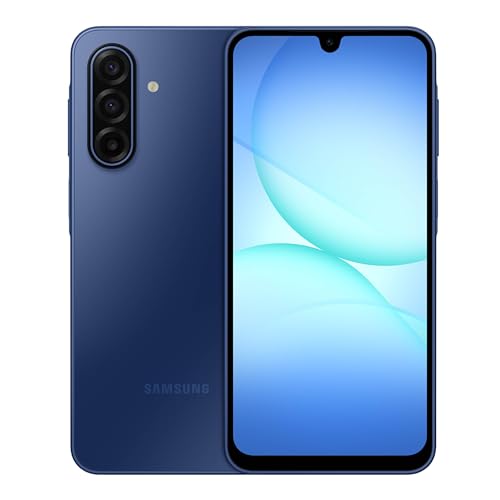
Samsung Galaxy A17 5G Smart Phone 128GB, US 1 Yr Manufacturer Warranty Blue
YOUR CONTENT, SUPER SMOOTH: The ultra-clear 6.7" FHD+ Super AMOLED display of Galaxy A17 5G helps bring your…
As an affiliate, we earn on qualifying purchases.
As an affiliate, we earn on qualifying purchases.
Frequently Asked Questions
How Does 5G Coverage Vary Between Urban and Rural Areas?
You’ll notice 5G coverage is stronger in urban areas because of dense urban infrastructure and better investment in rural connectivity. In rural regions, signals struggle to reach due to fewer cell towers and larger distances between them. Urban infrastructure supports higher speeds and more reliable connections, while rural areas often experience slower, less consistent 5G service. Your experience depends on how well these factors are developed in your location.
What Technological Factors Determine 5G Signal Strength?
Think of 5G signal strength as a race car steering through a track—smooth and fast when clear, but slowed by obstacles. Signal interference from buildings, trees, or other electronics can cause delays, while bandwidth capacity determines how much data your network can handle at once. High capacity and minimal interference lead to stronger 5G signals, giving you that lightning-fast internet experience.
Are There Health Concerns Related to 5G Exposure?
You don’t need to worry about health concerns related to 5G exposure; scientific studies and safety regulations show it’s safe. Many health myths suggest otherwise, but agencies like the WHO and FCC regulate 5G technology to guarantee safety standards are met. Current research indicates that 5G radio waves are non-ionizing and don’t cause harm at typical exposure levels. Trust established safety guidelines, and you’ll be fine with 5G technology.
How Does 5G Impact Existing 4G Networks?
5G impacts existing 4G networks mainly through increased network congestion and potential signal interference. As 5G devices connect, they can overload certain network areas, causing slower speeds for both 4G and 5G users. Signal interference might also occur, especially in densely populated zones, which can degrade overall performance. You might notice your 4G connection weakening or lagging as 5G adoption grows, but network upgrades aim to minimize these issues.
What Are the Future Developments Expected in 5G Technology?
Future developments in 5G technology include enhanced 5G infrastructure, which will improve coverage and network speed. You can expect more efficient spectrum allocation, allowing faster data transmission and reduced latency. Innovations like network slicing will enable customized services for different industries, and widespread deployment of small cells will boost connectivity in dense areas. These advancements will make 5G more reliable, accessible, and capable of supporting emerging technologies like autonomous vehicles and smart cities.

Cell Phone Signal Booster for Verizon and AT&T | Up to 4,500 Sq Ft | Boost 4G LTE 5G Signal on Band 12/13/17 | 65dB Dual Band Cellular Repeater with High Gain Antennas | FCC Approved
【Ready for 5G】- The booster is designed for the largest cell carriers – Verizon and AT&T, boosts 4G…
As an affiliate, we earn on qualifying purchases.
As an affiliate, we earn on qualifying purchases.
Conclusion
So, next time you’re amazed by 5G speeds, remember that coverage varies wildly—only about 17% of the U.S. population currently has access to true 5G. That means in some places, you’re experiencing cutting-edge tech, while elsewhere, it’s barely a step above 4G. It’s exciting to think how quickly this technology is evolving, but for now, your experience depends heavily on where you are. Stay tuned—5G’s full potential is still on the horizon.
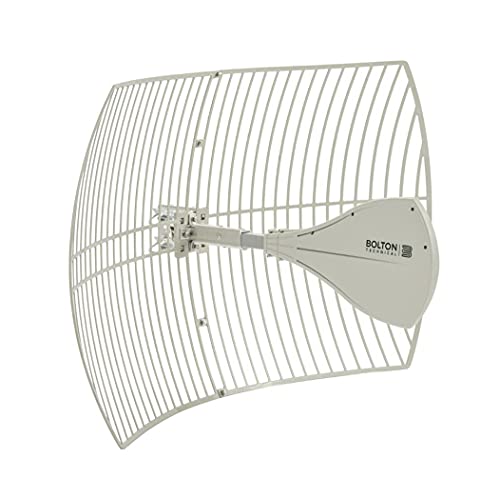
Long Range Cellular Antenna – up to 20 Miles Range | High gain Outdoor Cell Phone Booster Antenna +26db | All Cellular Bands LTE, 4G, 5G Ready, GSM | Works for All Carriers | Weatherproof | BT974822
WHAT IS IT?: The strongest outdoor antenna for cell phone signal booster kits, featuring a parabolic grid with…
As an affiliate, we earn on qualifying purchases.
As an affiliate, we earn on qualifying purchases.

TP-Link Dual-Band AX3000 Wi-Fi 6 Router Archer AX55 | Wireless Gigabit Internet Router for Home | EasyMesh Compatible | VPN Clients & Server | HomeShield, OFDMA, MU-MIMO | USB 3.0 | Secure by Design
Next-Gen Gigabit Wi-Fi 6 Speeds: 2402 Mbps on 5 GHz and 574 Mbps on 2.4 GHz bands ensure…
As an affiliate, we earn on qualifying purchases.
As an affiliate, we earn on qualifying purchases.