

Beyond smartphones, your future connection to the digital world may come from wearable tech like smartwatches or AR glasses that handle calls and messages without pulling out your phone. Brain interfaces could let you communicate and control devices directly with your thoughts, making physical devices obsolete. AI-integrated environments might anticipate your needs automatically. If you want to discover how these innovations will reshape your interactions, keep exploring what’s on the horizon.
Key Takeaways
- Wearable devices like AR glasses and smartwatches may fully handle communication and notifications, reducing the need for phones.
- Brain-computer interfaces could enable direct mental communication, bypassing physical devices altogether.
- AI-driven environmental automation will create seamless, intuitive interactions, minimizing reliance on handheld devices.
- Integration of technology into the body or mind will make digital connectivity effortless and more natural.
- Future human-technology interaction will shift from physical devices to effortless, personalized connections through the body and brain.

Have smartphones truly reached the peak of their potential? It’s a question that lingers as technology advances at a breakneck pace. For years, smartphones have been our primary connection to the digital world, combining communication, entertainment, and productivity into a sleek, portable device. But as innovative ideas emerge, many wonder if this familiar device will eventually be replaced by something even more seamless and integrated.
One promising avenue is wearable tech. These devices, like smartwatches, AR glasses, and fitness bands, are already transforming how you interact with technology. Unlike traditional phones, wearables sit on your body or in your line of sight, offering real-time data and notifications without interrupting your daily activities. As they become more sophisticated, they could take over many functions of the smartphone—handling calls, messages, and even navigation—without the need to pull a device out of your pocket. With continuous improvements in display technology and battery life, wearables are poised to become an extension of your body, making the concept of a single, centralized phone obsolete.
Wearables like smartwatches and AR glasses could soon replace smartphones by seamlessly integrating into daily life.
But the real game-changer could be brain interfaces. These cutting-edge technologies aim to connect directly to your brain, bypassing physical devices altogether. Imagine thinking a message into existence or controlling your surroundings with mere mental commands. Brain interfaces could revolutionize communication, allowing for instant, effortless interactions without any physical input. They could also boost your cognitive capabilities, helping you learn new skills or remember crucial information more efficiently. As research progresses, these interfaces might become small, non-invasive devices integrated into everyday life, transforming the very way you connect with the world. Additionally, advancements in AI-powered household automation could enable your environment to anticipate and respond to your needs more intuitively, making your interaction with technology even more seamless.
Together, wearable tech and brain interfaces paint a future where your relationship with digital communication becomes more natural and intuitive. Instead of reaching for a device, you might simply think or wear something that seamlessly integrates with your body. This evolution would not only make communication faster and more efficient but could also enhance your overall experience, making technology feel like a natural extension of yourself.
While the smartphone has served us well, the future hints at a world where technology is less about holding a device and more about being connected through your body and mind. As these innovations develop, it’s clear that the next step beyond smartphones could redefine how you interact with information, people, and the digital universe—more directly, more effortlessly, and more personally than ever before.
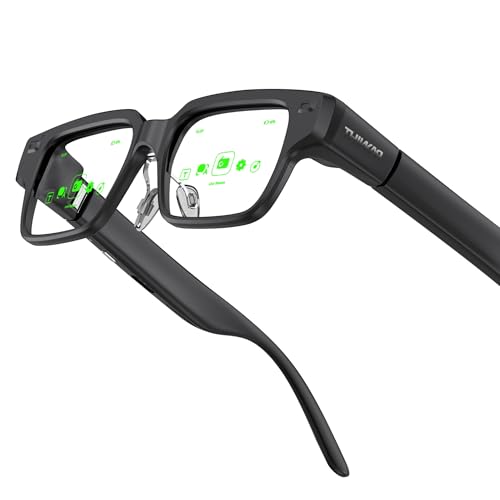
THIИKAЯ AiLens AR Smart Glasses Teleprompter Translator AI Assistant Speech
Dual-Lens Waveguide Display Technology: Engineered with an advanced binocular waveguide optical system, these AR smart glasses deliver a…
As an affiliate, we earn on qualifying purchases.
As an affiliate, we earn on qualifying purchases.
Frequently Asked Questions
How Soon Could These New Technologies Become Mainstream?
These new technologies could become mainstream within the next 5 to 10 years. Wearable devices are already gaining popularity, making integration easier. Holographic communication might take a bit longer to fully develop, but rapid advancements suggest you’ll soon be able to have lifelike conversations without phones. As companies invest heavily, expect these innovations to become common, changing how you connect and communicate much sooner than you think.
What Are Potential Privacy Concerns With Future Communication Devices?
Your privacy could vanish faster than you think with future communication devices. Data encryption helps protect your messages, but surveillance concerns grow as tech advances. Governments and corporations might monitor every conversation, risking your personal info being exposed or misused. You could wake up one day feeling completely exposed, with your private life under constant scrutiny. Staying aware and demanding stronger privacy protections becomes essential as these technologies evolve and become more integrated into daily life.
Will These Replacements Fully Replace Voice Communication?
These replacements might not fully replace voice communication because you could still prefer the natural voice quality and connection stability that traditional calls offer. While new devices can provide clearer audio and more reliable connections, some users might still favor the familiarity and immediacy of talking directly. Ultimately, the evolution of communication tech may complement rather than completely replace voice interactions, preserving the personal touch you value.
How Will These Devices Integrate With Existing Technology?
You’ll find these devices seamlessly integrate with existing technology through wearable integration and IoT connectivity, allowing smooth interaction across platforms. Visualize your smart glasses or wristband syncing effortlessly with your smart home, car, and devices, creating a unified experience. This integration minimizes disruptions, making it easy to control, access, and communicate without switching gadgets. As a result, your tech ecosystem becomes more intuitive, efficient, and interconnected, enhancing daily convenience.
Are There Any Health Risks Associated With New Communication Methods?
You might wonder about health implications of new communication methods. While most are safe, excessive use could impact your mental health, causing anxiety or stress. It is crucial to set boundaries and monitor how these devices affect your well-being. Researchers continue studying potential risks, but staying mindful and limiting screen time helps protect your mental health, ensuring these innovations serve you positively without adverse effects.

Fitbit Sense 2 Advanced Health and Fitness Smartwatch – Blue Mist/Pale Gold
Learn to manage stress, sleep better and live healthier with Sense 2 – an advanced health and fitness…
As an affiliate, we earn on qualifying purchases.
As an affiliate, we earn on qualifying purchases.
Conclusion
So, after all this talk about new devices replacing your phone, maybe the real surprise is that we’ll just keep craving the next big thing. Ironically, despite all the innovation, your trusty smartphone might still be the closest thing to a future-proof gadget—until it’s not. Who needs sci-fi tech when, in the end, it’s human nature to chase the next shiny object? Guess we’re all just waiting for the next “revolution” that’s been around the corner all along.

Brain Computer Interface
As an affiliate, we earn on qualifying purchases.
As an affiliate, we earn on qualifying purchases.

The AI Powered Virtual Assistant: How to Use Automation, Systems, and Smart Tools to Deliver High-Value VA Services at Scale
As an affiliate, we earn on qualifying purchases.
As an affiliate, we earn on qualifying purchases.