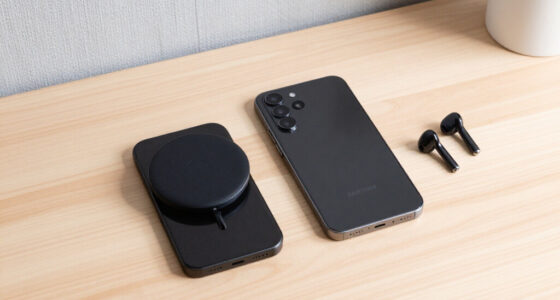
Many flagship smartphones are dropping microSD card slots to create sleeker, more durable devices that are easier to use and maintain. Manufacturers prioritize cloud storage solutions, which offer seamless access across devices and help keep the design slim and water-resistant. This shift also reduces hardware complexity and production costs. While it means you’ll rely more on internal storage and internet access, the full reasons behind this change become clearer with a closer look at the trends shaping smartphone designs.
Listen free for 30 days with Audible
Thousands of audiobooks and originals — cancel anytime.
As an affiliate, we earn on qualifying purchases.
Key Takeaways
- Manufacturers favor cloud storage to simplify device design and enhance durability by removing microSD slots.
- Removing expandable storage allows for slimmer, more water- and dust-resistant flagship phones.
- Standardized internal storage reduces manufacturing costs and streamlines production processes.
- Cloud solutions offer seamless data access and backup options, replacing the need for physical microSD cards.
- Dependence on internal storage and internet connectivity can be drawbacks for users relying on microSD expansion.

Many flagship smartphones are now dropping expandable storage options, leaving you with less flexibility to increase your device’s capacity. This shift means you can’t rely on microSD cards to quickly expand your storage when needed, which can be frustrating if you often deal with large files, photos, or videos. Instead, manufacturers are encouraging you to rely on cloud storage services, which offer a seamless way to access your data across multiple devices. While cloud storage can be convenient, it also depends heavily on your internet connection and can raise concerns about security and privacy.
One reason manufacturers are moving away from expandable storage is to simplify the device’s design and improve overall device durability. Removing the slot for a microSD card reduces the number of physical components that can potentially break or become loose over time. Fewer moving parts also mean less dust or debris can get inside, which helps preserve the integrity of the device’s internal components. As a result, your flagship phone can be more robust, with fewer points of failure. This focus on device durability aligns with the premium feel and longevity that flagship models aim to provide, ensuring your device remains functional longer despite daily wear and tear.
Another factor influencing this trend is the push toward a more integrated hardware and software experience. Manufacturers want you to use their cloud solutions, which often come with larger, more optimized storage options. These services are tailored to work seamlessly with your device, providing automatic backups and easy sharing capabilities. By eliminating the microSD slot, companies can also design slimmer, more water- and dust-resistant phones, enhancing their durability and appeal. This streamlined design often results in a more premium look and feel, which is a significant selling point for flagship devices. Additionally, standardized storage technology helps streamline production and reduce costs, benefiting both manufacturers and consumers.
However, this move isn’t without drawbacks. Without expandable storage, you’re more dependent on the internal storage capacity you select at purchase. If you go for a smaller storage option, you might find yourself needing to upgrade sooner or constantly managing your files to free up space. Although cloud storage can help mitigate this, it’s not always a perfect substitute, especially if you don’t have a reliable internet connection or are concerned about data privacy. Ultimately, the shift away from microSD cards reflects a balance between a sleeker, more durable device and the convenience of flexible storage options. It’s a trade-off that you need to factor in carefully based on your usage habits and storage needs.

SANDISK 128GB Ultra microSD UHS-I Card – Up to 195MB/s Read Speed, Full HD Video, V10, U1, C10, A5 – SDSQUJQ-128G-GZ6MA
- Expandable Storage: Up to 1.5TB capacity for devices
- Ample Storage Space: Stores hours of Full HD videos and more
- Fast Data Transfer: Up to 195MB/s read speeds with QuickFlow reader
As an affiliate, we earn on qualifying purchases.
As an affiliate, we earn on qualifying purchases.
Frequently Asked Questions
Does Removing Microsd Impact Device Resale Value?
Removing microSD slots can impact your device’s resale value by increasing resale depreciation, especially for buyers who prioritize storage flexibility. Without expandable storage, your device might seem less versatile, making it less attractive on the secondhand market. If you’re considering resale, keep in mind that devices with expandable storage generally hold their storage value better, appealing to buyers who want more storage options without paying extra upfront.
Are There Any Workarounds for Expandable Storage Limitations?
Think of your storage options as a toolbox—you can’t always fit everything in one drawer. To work around limited expandable storage, you can rely on cloud storage for photos, videos, and documents, freeing up space on your device. Additionally, data transfer to a PC or external drive helps manage large files without clutter. These strategies keep your device running smoothly, even without a microSD card slot.
How Does the Absence of Microsd Affect App Performance?
Without a microSD card, app performance might be affected if your internal storage fills up or is slow. When storage speed is limited, apps can lag or crash more often, especially those that need quick access to data. You’ll want to manage your storage carefully and avoid overloading it, ensuring your device runs smoothly. Upgrading to faster internal storage can also help maintain peak app performance.
Do Flagship Phones With No Microsd Support External Storage?
Flagship phones with no microSD don’t support external storage, but you can still expand your storage through cloud services or data transfer. It’s like having a universe of space at your fingertips, so you’re not limited by physical slots. You’ll rely on cloud storage to keep your files safe and easily accessible, while quick data transfer options make managing large files effortless, ensuring you stay connected without missing a beat.
Will Future Flagships Reintroduce Expandable Storage Options?
Future flagships might reintroduce expandable storage, but it’s uncertain. While some manufacturers see value in microSD support for added storage, others prioritize sleek design and cloud storage integration. You should consider data security when using cloud storage, as it can be vulnerable. If expandable storage returns, it offers a flexible, offline option, but weigh the risks of data security against convenience. This balance will influence future flagship designs.

acer SD Card Reader USB C, Dual Slots USB Type C to Micro SD Card Adapter
- Ultra-Fast Data Transfer: 5Gbps transfer speed with USB 3.0
- Backward Compatible: Supports USB 2.0 devices
- Dual Card Slots: Read/write both microSD and SD cards
As an affiliate, we earn on qualifying purchases.
As an affiliate, we earn on qualifying purchases.
Conclusion
So, while you might miss the expandable storage, think about the sleek design and water resistance you gain. It’s a trade-off—less flexibility, but a more polished, durable device. You get a device that’s thinner and more stylish, yet sacrifices the ease of adding extra space. Ultimately, it’s your choice: embrace the modern, streamlined flagship or stick with the expandable option. Either way, the evolution of flagship phones keeps pushing boundaries—sometimes at the cost of what used to be essential.

UGREEN NAS DH2300 2-Bay for Beginners & Personal Users, Phone Backup
- Ideal for Beginners: Simple, private storage for personal files
- High Capacity Support: Supports up to 64TB storage capacity
- Universal Device Compatibility: Backs up across Windows, iOS, Android, macOS
As an affiliate, we earn on qualifying purchases.
As an affiliate, we earn on qualifying purchases.

SAMSUNG Galaxy A15 5G A Series Cell Phone, 128GB Unlocked Android Smartphone, AMOLED Display, Expandable Storage, Knox Security, Super Fast Charging, Hi-Res Camera, US Version, 2024, Blue Black
- Superfluid AMOLED Display: Ultra-clear, smooth viewing experience
- Bright 800-nit Screen: Enjoy vivid visuals with Vision Booster
- 128GB Internal Storage: Ample space for apps and media
As an affiliate, we earn on qualifying purchases.
As an affiliate, we earn on qualifying purchases.
Labor Day sales Picks
labor day deals
As an affiliate, we earn on qualifying purchases.