
Mobile gaming phones are quickly evolving from a niche trend to the next big thing in tech. With the market expected to reach $30 billion by 2035 and surpass $160 billion by 2030, more innovative features like high refresh rates, 5G, and cloud gaming drive this growth. Regional preferences and strategic collaborations are making these devices more popular worldwide. Stay tuned to discover how this booming sector could reshape your gaming experience.
Listen free for 30 days with Audible
Thousands of audiobooks and originals — cancel anytime.
As an affiliate, we earn on qualifying purchases.
Key Takeaways
- The market for gaming phones is projected to grow significantly, reaching $30 billion by 2035, indicating a major industry shift.
- Technological innovations like high refresh rates, 5G, AI, and cloud gaming make gaming phones more competitive and mainstream.
- Regional growth, especially in Asia, and strategic brand collaborations suggest increasing adoption beyond niche markets.
- The rise of mobile esports, live streaming, and immersive AR/VR features supports the transition to a broader gaming ecosystem on mobile devices.
- Strong industry growth projections and evolving consumer preferences position gaming phones as a significant segment rather than just a niche trend.

sibolan Portable Monitor 18.5inch 1080P FHD 100Hz Refresh Rate Gaming Monitor, 72% sRGB, IPS Panel, Dual USB-C & Mini-HDMI for Laptop, PC, Phone, Built-in Kickstand, Speakers
- Display Size: 18.5-inch Full HD screen
- Resolution: 1080P FHD clarity
- Refresh Rate: 100Hz for smooth visuals
As an affiliate, we earn on qualifying purchases.
As an affiliate, we earn on qualifying purchases.
Market Growth and Investment Opportunities
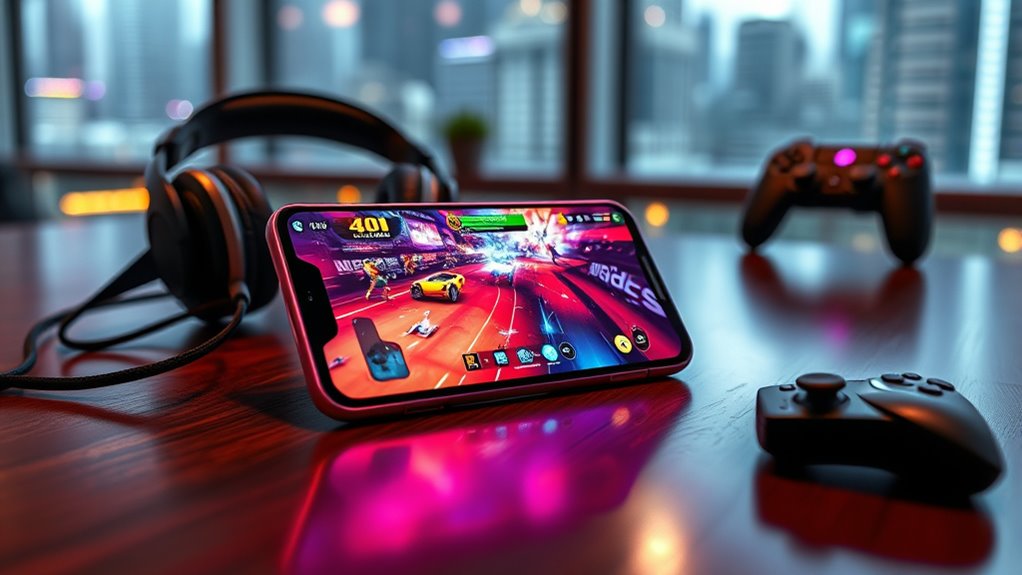
The mobile gaming phones market is experiencing rapid growth, creating significant investment opportunities for both established players and new entrants. Currently valued at $7.77 billion in 2024, it’s projected to reach $30 billion by 2035, with a compound annual growth rate of 13.1%. The combined market for gaming phones and tablets is expected to hit $45 billion by 2033. The industry is expanding quickly, with global unit sales expected to grow from 180 million to 250 million annually by 2028. Most sales now occur through online channels, accounting for about 60%, a share likely to increase. This growth signals a lucrative landscape for investors aiming to capitalize on rising consumer demand and technological innovations fueling mobile gaming’s expansion worldwide. Additionally, the shift towards energy-efficient technology in electronics aligns with the broader trend of sustainable innovation in the industry.

Motorola Moto G Stylus 5G | 2024 | Unlocked | Made for US 8/256GB | 50MP Camera | Scarlet Wave
- Built-in Stylus: Enhanced stylus for notes and sketches
- Large Display: 6.7-inch pOLED screen with Dolby Atmos
- High-Resolution Camera: 50MP Ultra Pixel camera with OIS
As an affiliate, we earn on qualifying purchases.
As an affiliate, we earn on qualifying purchases.
Technological Innovations Fueling Adoption

Advancements in technology are rapidly transforming mobile gaming, making gaming phones more powerful and immersive than ever before. High refresh rate displays deliver smoother visuals, while advanced cooling systems prevent overheating during intense sessions. The integration of 5G technology boosts connectivity and reduces latency, essential for seamless gameplay. AI features optimize settings and manage resources intelligently, enhancing the experience. Cloud gaming allows you to play high-quality titles without demanding hardware. Additionally, AR and VR capabilities are evolving, offering more immersive interactions. Here’s a quick overview of key innovations: a 1-4 word phrase
| Technology | Impact | Future Potential |
|---|---|---|
| High refresh rate displays | Smoother visuals, better responsiveness | Increased adoption in premium models |
| 5G Connectivity | Faster, low-latency online gaming | Expanding multiplayer experiences |
| AI and Cloud Gaming | Enhanced performance, accessibility | Broader, more immersive gaming ecosystems |

GameSir X5 Lite Mobile Gaming Controller for Android,Hall Effect Joystick
- Expanded Screen Compatibility: Fits tablets and smartphones up to 213mm
- Universal Mobile Gaming: Supports Xbox Game Pass, cloud, and streaming games
- Hall Effect Joysticks: Provides 360° precise control and durability
As an affiliate, we earn on qualifying purchases.
As an affiliate, we earn on qualifying purchases.
Regional Dynamics and Consumer Preferences

Regional dynamics substantially influence the growth and adoption of mobile gaming phones, with Asia leading the charge due to its vast user base and robust manufacturing presence. You’ll find that China’s enormous mobile gaming market and local manufacturers like Xiaomi and Oppo drive innovation and affordability, making gaming phones more accessible. Meanwhile, North America and Europe experience steady growth driven by high disposable incomes and a strong gaming culture. Latin America also shows promising expansion, fueled by increasing smartphone penetration. Despite Asia Pacific’s dominance, recent declines highlight regional market shifts. Consumer preferences vary: in Asia, gamers prioritize performance and advanced features, while in Western regions, brand loyalty and eco-conscious choices shape buying decisions. These regional differences impact marketing strategies and product offerings markedly. Attention to regional consumer preferences is crucial for brands aiming to succeed in diverse markets.

Black Shark FunCooler 5 Magnetic Cell Phone Cooler for Gaming, Portable Mobile Phone Cooling Fan with RGB Light, Cellphone Radiator for iPhone Magnetic Series/Android/Tablet/iPad (Black)
- High-Power Cooling: 20W ultra-fast cooling with TEC technology
- Easy Control: Simple switch between overclocking and silent modes
- Strong Magnetic Hold: Securely holds phone with 12N magnetic force
As an affiliate, we earn on qualifying purchases.
As an affiliate, we earn on qualifying purchases.
Competitive Landscape and Strategic Collaborations
Leading brands in the mobile gaming phone market are actively competing to capture consumer attention through innovative features and strategic partnerships. You’ll see companies collaborating with game developers to optimize titles for their devices, creating exclusive content or early access. Hardware manufacturers team up with tech firms to integrate cutting-edge cooling systems, high refresh rate displays, and advanced cooling solutions. These partnerships aim to enhance performance and user experience, setting products apart. Additionally, brands forge alliances with telecom providers to promote 5G capabilities, ensuring seamless gameplay. Some firms even partner with eSports organizations to boost brand presence and create dedicated tournaments. These strategic collaborations strengthen the ecosystem, boost innovation, and appeal directly to core gaming consumers, making the competitive landscape fierce and dynamic. Emphasizing product differentiation through innovative collaborations helps brands stay ahead in this rapidly evolving market.
Future Trends and Long-term Industry Outlook
The mobile gaming industry is poised for significant growth over the next decade, driven by increasing smartphone adoption, widespread 5G deployment, and technological innovations. You can expect the market to surpass $160 billion by 2030, with a compound annual growth rate of nearly 10%. As demand for advanced hardware and immersive experiences rises, expect more integrated ecosystems that blend mobile and traditional gaming. The shooter genre will continue to dominate, fueling demand for specialized devices. Additionally, rising mobile esports events will create new revenue streams and engagement opportunities. The industry’s trajectory indicates a shift toward sophisticated, interconnected gaming environments, making mobile gaming a core component of the larger entertainment landscape. Advances in hardware specifications such as high refresh rates and low input lag will further enhance gaming performance on mobile devices.
- Increased focus on sustainable and environmentally friendly devices
- Expansion of cloud gaming and AI-powered features
- Growth of mobile esports and live-streaming platforms
- Advancements in AR/VR integration alongside traditional gaming features
Frequently Asked Questions
How Do Gaming Phones Compare to High-End Gaming PCS in Performance?
You’ll find that gaming phones deliver impressive performance, often rivaling high-end gaming PCs in graphics and processing speed. They’re equipped with high refresh rate displays, advanced cooling, and powerful processors optimized for gaming. While PCs still hold an edge for maximum customization and raw power, gaming phones provide portability and instant access, making them a strong alternative for on-the-go gaming. As technology advances, the gap continues to narrow.
What Are the Environmental Impacts of Manufacturing Gaming Phones?
Manufacturing gaming phones impacts the environment through resource extraction, energy consumption, and electronic waste. You contribute to deforestation and habitat loss by sourcing rare minerals like cobalt and lithium. You also face high energy use during production, increasing carbon emissions. As you use and discard devices, e-waste accumulates, often ending up in landfills, polluting soil and water. Consequently, manufacturing gaming phones profoundly affects the environment, demanding more sustainable practices and responsible consumption.
How Accessible Are Gaming Phones for Casual Versus Professional Gamers?
Gaming phones are quite accessible for casual gamers, offering affordable options with good performance, but professional gamers often seek high-end models with advanced features like high refresh rates, superior cooling, and customizable settings. You can find a range of devices tailored to different skill levels and budgets. If you’re serious about competitive gaming, investing in premium models pays off, but entry-level phones still provide solid gaming experiences for everyday play.
Are There Significant Differences in Gaming Experiences Across Regional Markets?
Yes, you’ll notice significant regional differences in gaming experiences. In Asia, especially China, you get a highly competitive environment with advanced devices and a massive user base, leading to richer experiences. North America and Europe see steady growth with more casual gaming, while Latin America is catching up. These variations stem from technological infrastructure, popular game genres, and consumer preferences, shaping how you enjoy mobile gaming worldwide.
What Are the Main Challenges in Integrating Ar/Vr Into Gaming Phones?
You’ll face challenges like limited hardware space, which makes integrating AR/VR components tricky, and the high power consumption that can drain batteries quickly. Achieving seamless user experience requires advanced cooling and high-performance displays, which can increase costs. Additionally, ensuring compatibility with a wide range of apps and content is complex. Overcoming these issues demands innovation in miniaturization, energy efficiency, and software optimization to truly enhance AR/VR gaming on phones.
Conclusion
As you consider the rise of gaming phones, it’s clear they’re not just a passing trend but a revolution in mobile entertainment. With innovation accelerating and regional preferences shaping growth, the question isn’t if but when you’ll see these devices become mainstream. Will they redefine gaming as we understand it or remain a niche? The future hinges on your choices—embrace the shift or watch from the sidelines as this game-changing technology takes center stage.
Flea & tick season Picks
flea and tick prevention
As an affiliate, we earn on qualifying purchases.