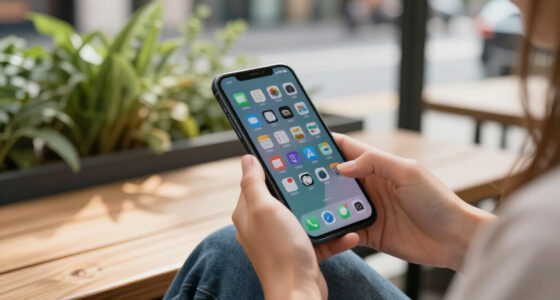
Choosing the best flagship smartphones in 2027 means balancing raw processing power with specialized features like camera systems and display technology. My top overall recommendation is the Samsung Galaxy S26 Ultra for its unmatched versatility and long-term software support. For those prioritizing pure software purity and AI integration, the Google Pixel 11 stands out as the intelligent alternative. Buyers face a tradeoff between foldable innovation found in the Samsung Galaxy Z Fold8 and the reliable, durable slab designs of traditional flagships. Continue reading to see how these devices compare on performance, battery life, and value.

Get the latest gadgets delivered free with Prime
- Fast, free delivery on millions of items
- Prime Video, Amazon Music and more included
- Member-only deals all year
Complete the kit



Key Takeaways
- The Samsung Galaxy S26 Ultra leads in overall utility due to its S Pen integration and superior zoom capabilities, which remain unmatched by competitors.
- Google’s Pixel 11 series now dominates computational photography, offering natural color science that appeals to creators who dislike oversaturated images.
- Foldable devices like the Z Fold8 have matured enough to serve as viable daily drivers, though durability concerns still outweigh the benefits for casual users.
- The Nothing Phone (3) provides a distinct aesthetic and clean software experience that appeals to design-focused users without the premium price tag of Samsung or Apple.
- Value flagships like the Xiaomi POCO X8 Pro Max offer 90% of the flagship performance for significantly less, making them ideal for performance-focused buyers who don’t need pro-grade cameras.
| Samsung Galaxy Z Fold7 512GB Unlocked Foldable Smartphone, Blue Shadow |  | Best for Multitasking | Storage: 512 GB | RAM: 12 GB | Operating system: Android 16, One UI 8 | VIEW LATEST PRICE | See Our Full Breakdown |
| Google Pixel 11 Unlocked Smartphone, 256 GB, Pistachio |  | Best for Everyday Simplicity | Storage: 256 GB | RAM: 12 GB | Operating system: Android 16 | VIEW LATEST PRICE | See Our Full Breakdown |
| Samsung Galaxy S26 Ultra Unlocked Android Smartphone, 512GB, Black |  | Best for Privacy and Productivity | Storage: 512 GB | Operating system: Android | Network: Unlocked | VIEW LATEST PRICE | See Our Full Breakdown |
| Nothing Phone (3) 5G Unlocked Smartphone, 512GB, Black |  | Best for Camera Versatility | Operating system: Android 15 | Processor: Snapdragon 8s Gen 4, up to 3.2GHz | Memory: 24GB LPDDR5X | VIEW LATEST PRICE | See Our Full Breakdown |
| Google Pixel 9 Pro XL Unlocked Smartphone, 128 GB, Obsidian |  | Best for a Large Google Display | Operating system: Android 14 | RAM: 16 GB | Storage: 128 GB | VIEW LATEST PRICE | See Our Full Breakdown |
| Samsung Galaxy S25 Ultra 512GB, 12GB RAM, Dual SIM, Titanium Gray |  | Best for Power Users Who Need Maximum Storage | Display: 6.9-inch, 3120 x 1440 | Processor: Qualcomm Snapdragon 8 Elite | Storage/RAM: 512GB / 12GB | VIEW LATEST PRICE | See Our Full Breakdown |
| Samsung Galaxy S25+ Unlocked Smartphone, 256GB, Navy |  | Best Balanced Flagship | Display: 6.7-inch class | Processor: Snapdragon 8 Elite | Storage/RAM: 256GB / 12GB | VIEW LATEST PRICE | See Our Full Breakdown |
| Google Pixel 11 Pro Unlocked Smartphone, 256 GB, Obsidian |  | Best for Camera Software and AI | Display: 6.3-inch Super Actua | Processor: Google Tensor, 3.1 GHz | Storage/RAM: 256GB / 12GB | VIEW LATEST PRICE | See Our Full Breakdown |
| Xiaomi POCO X8 Pro Max 5G Unlocked Smartphone, 512GB, 12GB RAM, 6.83-inch AMOLED Display, Black |  | Best Battery and Charging Speed | Display: 6.83-inch AMOLED, 120Hz | Processor: MediaTek Dimensity 9500s | Storage/RAM: 512GB / 12GB | VIEW LATEST PRICE | See Our Full Breakdown |
| Samsung Galaxy Z Fold8 Unlocked Android Smartphone, 512GB, Graphite |  | Best for Productivity and Multitasking | Inner Display: 7.6 inches | Processor: Snapdragon 8 Elite Gen 5 for Galaxy | Storage/RAM: 512GB / 12GB | VIEW LATEST PRICE | See Our Full Breakdown |
| OnePlus 15R Unlocked Android Smartphone |  | Best Battery Life Flagship | Processor: Snapdragon 8 Gen 5 | Battery: 7,400 mAh | Display: 6.83-inch AMOLED, 165Hz | VIEW LATEST PRICE | See Our Full Breakdown |
| OnePlus 15 Unlocked Android Smartphone |  | Best All-Round Performance | Processor: Snapdragon 8 Elite Gen 5 | RAM/Storage: 16GB / 512GB | Display: 6.78-inch AMOLED, 165Hz | VIEW LATEST PRICE | See Our Full Breakdown |
| Nothing Phone (4a) Pro Android 16 Smartphone |  | Best Design and Camera Value | Processor: Snapdragon 7 Gen 4 | Display: 6.83-inch 1.5K AMOLED, 144Hz | RAM/Storage: 12GB / 256GB | VIEW LATEST PRICE | See Our Full Breakdown |
| Samsung Galaxy S25 Ultra, 1TB |  | Best Premium Storage and Camera | Processor: Snapdragon 8 Elite for Galaxy | RAM/Storage: 12GB / 1TB | Display: 6.9-inch Dynamic AMOLED 2X | VIEW LATEST PRICE | See Our Full Breakdown |
| flagship smartphone | Processor | Display | Battery |
|---|---|---|---|
| Samsung Galaxy Z Fold7 512GB U | Snapdragon 8 Elite for Galaxy | — | — |
| Google Pixel 11 Unlocked Smart | Google Tensor G3, 3.1 GHz | 6.3-inch OLED, 1080 x 2424, 120 Hz | — |
| Samsung Galaxy S26 Ultra Unloc | — | — | — |
| Nothing Phone | Snapdragon 8s Gen 4, up to 3.2GHz | 6.67-inch FHD+ 1.5K AMOLED, adaptive 120Hz | 5,150mAh |
| Google Pixel 9 Pro XL Unlocked | — | 6.8-inch Super Actua, 1344 x 2992, 120 Hz | — |
| Samsung Galaxy S25 Ultra 512GB | Qualcomm Snapdragon 8 Elite | 6.9-inch, 3120 x 1440 | 5,000 mAh |
| Samsung Galaxy S25+ Unlocked S | Snapdragon 8 Elite | 6.7-inch class | Not specified (supports fast/wireless charging) |
| Google Pixel 11 Pro Unlocked S | Google Tensor, 3.1 GHz | 6.3-inch Super Actua | 30+ hours battery life |
| Xiaomi POCO X8 Pro Max 5G Unlo | MediaTek Dimensity 9500s | 6.83-inch AMOLED, 120Hz | — |
| Samsung Galaxy Z Fold8 Unlocke | Snapdragon 8 Elite Gen 5 for Galaxy | — | 4,800 mAh |
| OnePlus 15R Unlocked Android S | Snapdragon 8 Gen 5 | 6.83-inch AMOLED, 165Hz | 7,400 mAh |
| OnePlus 15 Unlocked Android Sm | Snapdragon 8 Elite Gen 5 | 6.78-inch AMOLED, 165Hz | 7,300 mAh |
| Nothing Phone | Snapdragon 7 Gen 4 | 6.83-inch 1.5K AMOLED, 144Hz | 5,080 mAh |
| Samsung Galaxy S25 Ultra | Snapdragon 8 Elite for Galaxy | 6.9-inch Dynamic AMOLED 2X | 5,000 mAh |
More Details on Our Top Picks
Samsung Galaxy Z Fold7 512GB Unlocked Foldable Smartphone, Blue Shadow
The Galaxy Z Fold7 is the clearest choice here for buyers who want a phone that can also act as a small work surface. Its 8-inch inner display supports up to three windows at once, making document work, messaging, and reference material easier to keep visible than on the conventional-screen Galaxy S26 Ultra. The 6.5-inch cover screen is more practical for everyday tasks than older, narrower foldable designs, while the 200MP camera and Snapdragon 8 Elite for Galaxy keep the hardware firmly in flagship territory.
The tradeoff is its folded-phone format: it is less straightforward than a standard slab phone, and buyers who rarely use the inner screen may prefer the S26 Ultra’s built-in privacy display. There is no headphone jack, and some AI features depend on internet access or compatible accounts and devices. I’d choose this for screen space, not simply for the novelty of folding.
Pros:- 8-inch inner display supports multitasking across up to three windows
- 6.5-inch cover display is designed for everyday use while folded
- 200MP main camera with Pro-Visual Engine
- Snapdragon 8 Elite for Galaxy and 12GB RAM
Cons:- Foldable design is unnecessary bulk for buyers who will rarely use the inner screen
- No headphone jack
- Some AI features require an internet connection and compatible accounts or devices
Best for: Multitaskers who regularly use split-screen apps, read or edit documents on a phone, and want a large display without carrying a tablet.
Not ideal for: Buyers who mainly want a conventional phone for calls, photos, and quick browsing, or who prefer wired headphones and do not need a tablet-sized screen.
- Storage:512 GB
- RAM:12 GB
- Operating system:Android 16, One UI 8
- Processor:Snapdragon 8 Elite for Galaxy
- Cover display:6.5 inches
- Inner display:8 inches
- Main camera:200 MP
- Water resistance:Water resistant
Our verdict“Choose the Galaxy Z Fold7 if a large, multitasking screen matters more to you than the simplicity of a conventional flagship phone.”
Google Pixel 11 Unlocked Smartphone, 256 GB, Pistachio
The Google Pixel 11 suits buyers who want a flagship-style camera and useful software in a manageable 6.3-inch phone. Its Night Sight and 30x digital Super Zoom give it more flexibility for dim scenes and distant subjects than a basic point-and-shoot setup, while IP68 protection and a stated 30-plus hours of battery life support day-to-day reliability. Compared with the larger Pixel 9 Pro XL, the Pixel 11 is the more compact option, though it gives up the XL’s larger display and higher-resolution listed camera sensors.
The 120Hz OLED display keeps scrolling smooth, and wireless and fast wired charging offer convenient top-ups. The main limitation is its eSIM-only setup, which may not suit travelers or people who regularly swap physical SIM cards. The Tensor G3 processor is specified, but the provided data does not establish how its performance compares with newer flagship chips, so buyers prioritizing maximum processing headroom may prefer another option.
Pros:- 6.3-inch OLED with a 120Hz refresh rate
- Night Sight and 30x digital Super Zoom
- Stated battery life of more than 30 hours with wireless and fast wired charging
- IP68 water and dust protection
Cons:- eSIM only, with no physical SIM slot listed
- 30x zoom is digital rather than an optical zoom specification
- The listed Tensor G3 does not establish flagship-level performance relative to newer chips
Best for: Buyers who want a compact Android flagship with strong night photography, long stated battery life, and no need to move a physical SIM between phones.
Not ideal for: Frequent travelers who rely on local physical SIM cards, or users who want the largest screen and most detailed camera hardware in this group.
- Storage:256 GB
- RAM:12 GB
- Operating system:Android 16
- Processor:Google Tensor G3, 3.1 GHz
- Display:6.3-inch OLED, 1080 x 2424, 120 Hz
- Rear camera:48 MP with 30x digital zoom
- Battery life:30+ hours
- Water and dust protection:IP68
- SIM:eSIM
Our verdict“Pick the Pixel 11 for a compact, camera-focused Android phone if eSIM works for your carrier and travel habits.”
Samsung Galaxy S26 Ultra Unlocked Android Smartphone, 512GB, Black
The Galaxy S26 Ultra takes a distinctive approach to flagship utility: its built-in privacy display can be set to activate for selected apps, notifications, or passwords. That makes it a more targeted pick for people handling sensitive information in public than the Galaxy Z Fold7, whose main advantage is a much larger workspace. Galaxy AI tools for photo editing and organization, plus Nightography for low-light photos and videos, round out a phone aimed at users who want security and convenience features alongside a premium camera experience.
Its 512GB storage and unlocked connectivity suit heavy app and media use, and Super Fast Charging 3.0 support is listed. The supplied product details do not specify display size, camera resolution, battery capacity, or processor model, so I can’t rank it on those measures against the Pixel 11 or Nothing Phone (3). Some AI features also need a Samsung account and internet access, and enhanced or third-party tools may carry fees.
Pros:- Privacy display can be configured for notifications, passwords, or selected apps
- Galaxy AI includes Photo Assist and Now Nudge
- Nightography is designed for low-light photos and videos
- 512GB storage and unlocked connectivity
Cons:- Some AI features require a Samsung account and internet connection
- Some enhanced or third-party AI features may be subject to fees
- Provided product details omit core comparison data such as display size, camera resolution, and battery capacity
Best for: Professionals and frequent commuters who handle private messages or work information in public and want Samsung’s built-in privacy controls.
Not ideal for: Buyers who need detailed, confirmed camera, display, or battery specifications before choosing, or who want all AI functions without account or internet requirements.
- Storage:512 GB
- Operating system:Android
- Network:Unlocked
- Display feature:Built-in privacy display
- Camera features:Nightography; wider front camera
- AI features:Galaxy AI, including Photo Assist and Now Nudge
- Charging:Super Fast Charging 3.0 ready
- Color:Black
Our verdict“Choose the Galaxy S26 Ultra if configurable screen privacy and Samsung AI tools matter more than having every core hardware specification confirmed.”
Nothing Phone (3) 5G Unlocked Smartphone, 512GB, Black
The Nothing Phone (3) stands out for camera variety rather than a single headline sensor: its four 50MP cameras include main, periscope, ultra-wide, and front cameras. That gives it a broader set of framing options than the Pixel 11 listing, which specifies one 48MP rear camera with digital zoom. A 6.67-inch adaptive 120Hz AMOLED display, 24GB of memory, and 512GB of storage also make this a well-equipped phone for media and demanding multitasking. Its Glyph Interface adds a distinctive way to surface alerts without relying only on the main screen.
The compromise is carrier certainty: the listing supports AT&T and T-Mobile bands, but Verizon use may require IMEI whitelisting. Its Snapdragon 8s Gen 4 is specified, but the available data doesn’t show it matching the Snapdragon 8 Elite for Galaxy in the Z Fold7. Buyers should also weigh the large 6.67-inch format if they prefer a compact phone.
Pros:- Four 50MP cameras, including a periscope and ultra-wide
- 6.67-inch AMOLED with adaptive 120Hz refresh rate
- 24GB LPDDR5X memory and 512GB UFS 4.0 storage
- IP68 rating and distinctive Glyph Interface
Cons:- Verizon compatibility is limited and may require IMEI whitelisting
- Snapdragon 8s Gen 4 is specified rather than the Snapdragon 8 Elite found in the Galaxy Z Fold7
- Large 6.67-inch display may not suit buyers seeking a compact handset
Best for: Photography-minded Android buyers who want multiple dedicated camera perspectives, abundant memory, and a large high-refresh display, especially on AT&T or T-Mobile.
Not ideal for: Verizon customers who want uncomplicated activation, or buyers seeking a small phone or a clearly specified top-tier processor.
- Operating system:Android 15
- Processor:Snapdragon 8s Gen 4, up to 3.2GHz
- Memory:24GB LPDDR5X
- Storage:512GB UFS 4.0
- Display:6.67-inch FHD+ 1.5K AMOLED, adaptive 120Hz
- Cameras:Four 50MP cameras: main, periscope, ultra-wide, and front
- Battery:5,150mAh
- Water resistance:IP68
- Connectivity:Unlocked 5G; AT&T and T-Mobile bands supported; Verizon may require IMEI whitelisting
Our verdict“Choose the Nothing Phone (3) for a versatile multi-camera setup and distinctive interface if your carrier is supported.”
Google Pixel 9 Pro XL Unlocked Smartphone, 128 GB, Obsidian
The Pixel 9 Pro XL is the large-screen Google option in this group, pairing a 6.8-inch Super Actua display with a 120Hz refresh rate and a triple rear camera system. Its 42MP front camera and Google AI photo and video features also make it a stronger fit for people who take frequent selfies or want software-assisted editing than the Galaxy Z Fold7, whose appeal centers on folding into a larger multitasking workspace. The 16GB RAM and unlocked carrier support add flexibility for app-heavy users who prefer Google’s Android experience.
Storage is the main constraint: 128GB is less than the 256GB Pixel 11 and the 512GB choices in this roundup, leaving less room for large video libraries and apps. Its stated battery life is up to 24 hours, below the Pixel 11’s 30-plus-hour claim. I’d favor this XL for its screen and camera features, not for maximum storage or endurance.
Pros:- 6.8-inch Super Actua display with 120Hz refresh rate
- Triple rear camera system with Google AI photo and video features
- 42MP front camera
- 16GB RAM and unlocked support for major carriers
Cons:- 128GB storage is lower than the Pixel 11 and several other phones in this roundup
- Battery life is rated for up to 24 hours, compared with the Pixel 11’s stated 30+ hours
- Large 6.8-inch size is less suited to buyers who prefer compact phones
Best for: Google ecosystem users who want a large, smooth display, a versatile rear camera system, and a high-resolution front camera for selfies and video calls.
Not ideal for: People who store extensive video, photo, or game libraries locally, or buyers who prioritize longer stated battery life over screen size.
- Operating system:Android 14
- RAM:16 GB
- Storage:128 GB
- Display:6.8-inch Super Actua, 1344 x 2992, 120 Hz
- Rear cameras:Triple camera system with 50 MP sensor
- Front camera:42 MP
- Battery life:Up to 24 hours
- Weight:7.36 ounces
- SIM:Dual SIM; Nano SIM
Our verdict“Pick the Pixel 9 Pro XL if a large Google phone with a strong selfie camera matters more than generous storage or the Pixel 11’s longer stated battery life.”
Samsung Galaxy S25 Ultra 512GB, 12GB RAM, Dual SIM, Titanium Gray
This model stands out for its massive 512GB storage and 200MP main camera, making it ideal for creators who refuse to delete files. Compared to the Google Pixel 11 Pro, which offers only 256GB, the S25 Ultra provides significantly more headroom for 8K video and RAW photos. The Snapdragon 8 Elite processor ensures that multitasking remains fluid, even with heavy AI features running in One UI 7. However, the 6.9-inch display is unwieldy for one-handed use, and the listed lack of water resistance is a significant concern for a premium device. It is a powerhouse, but the physical size and potential durability issues require careful consideration before purchase.Pros:- Huge 512GB storage capacity reduces the need for cloud subscriptions
- 200MP main camera captures exceptional detail for cropping and zooming
- Snapdragon 8 Elite delivers top-tier performance for gaming and multitasking
- Dual SIM support with 5G connectivity offers flexibility for travel or work
Cons:- Listed as not water resistant, posing a risk for daily use
- 6.9-inch screen size makes one-handed use difficult
- SIM card is not included, adding a step to the setup process
Best for: Content creators and power users who need huge storage and a high-resolution zoom camera without relying on cloud services.
Not ideal for: Users who prefer one-handed operation or those who prioritize guaranteed water resistance ratings over raw specs.
- Display:6.9-inch, 3120 x 1440
- Processor:Qualcomm Snapdragon 8 Elite
- Storage/RAM:512GB / 12GB
- Rear Camera:200MP + 50MP + 50MP + 10MP
- Battery:5,000 mAh
- OS:Android 15, One UI 7
- Weight:218 g
- Water Resistance:Not water resistant
Our verdict“This is the ultimate choice for data hoarders who need massive local storage and top-tier camera resolution.”
Samsung Galaxy S25+ Unlocked Smartphone, 256GB, Navy
The Galaxy S25+ hits the sweet spot between the compact Pixel and the massive S25 Ultra. With a 6.7-inch display and Snapdragon 8 Elite chip, it delivers flagship speed in a more manageable form factor than the Ultra. It includes AI-driven multitasking tools that streamline daily workflows, a feature set that rivals the Google Pixel 11 Pro‘s software intelligence. While it lacks the 200MP sensor of the Ultra, the 50MP main camera combined with 8K video capture is more than sufficient for most users. The inclusion of wireless charging and a water-resistant build (though rating unspecified) makes it a reliable daily driver for those who want premium features without the bulk.Pros:- Balanced 6.7-inch screen size offers great viewing without excessive bulk
- AI features enhance multitasking and photo editing workflows
- 8K video capture and 30x digital zoom provide versatile creative options
- Supports both fast wired and wireless charging for convenience
Cons:- 256GB storage may fill up quickly for heavy media consumers
- Exact water resistance rating is not specified in the listing
- Some AI features require additional accounts or subscriptions
Best for: Professionals who want flagship performance and AI productivity tools in a size that fits comfortably in a pocket.
Not ideal for: Users who need maximum local storage (only 256GB) or those who demand the absolute highest megapixel count for photography.
- Display:6.7-inch class
- Processor:Snapdragon 8 Elite
- Storage/RAM:256GB / 12GB
- Rear Camera:50MP + 12MP + 10MP
- Battery:Not specified (supports fast/wireless charging)
- OS:Android 15, One UI 7
- Weight:6.7 ounces
- Water Resistance:Water resistant (rating unspecified)
Our verdict“A perfectly balanced flagship that offers top-tier performance and AI tools without the extreme size of the Ultra.”
Google Pixel 11 Pro Unlocked Smartphone, 256 GB, Obsidian
This device leans heavily into computational photography and Gemini Intelligence, offering a different kind of power than the raw specs of the Samsung Galaxy S25+. The 6.3-inch Super Actua display is the most compact here, making it the easiest to handle. Google’s Tensor processor prioritizes AI tasks, enabling features like 120x zoom and advanced Night Sight modes that rely on software rather than just hardware. The IP68 rating provides peace of mind that is missing from some competitors in this list. However, the Google Tensor chip generally lags behind the Snapdragon 8 Elite in pure gaming performance, so enthusiasts should weigh software intelligence against raw speed.Pros:- Compact 6.3-inch design is easy to use with one hand
- Advanced AI photography features like Night Sight and 120x zoom
- IP68 protection ensures durability against dust and water
- 30+ hour battery life claim with efficient wireless charging
Cons:- Google Tensor processor may not match Snapdragon for heavy gaming
- No headphone jack limits wired audio options
- Battery capacity figures are inconsistent in specifications
Best for: Photographers and AI enthusiasts who value smart software features and a compact, pocketable form factor.
Not ideal for: Mobile gamers who need the absolute highest frame rates and raw processing power from a Snapdragon chip.
- Display:6.3-inch Super Actua
- Processor:Google Tensor, 3.1 GHz
- Storage/RAM:256GB / 12GB
- Rear Camera:48MP
- Battery:30+ hours battery life
- OS:Android 16
- Water Resistance:IP68
- Connectivity:eSIM and Nano SIM support
Our verdict“The best choice for users who prioritize smart camera software and a compact design over raw gaming performance.”
Xiaomi POCO X8 Pro Max 5G Unlocked Smartphone, 512GB, 12GB RAM, 6.83-inch AMOLED Display, Black
The POCO X8 Pro Max distinguishes itself with an enormous 8,500mAh battery and 100W charging, a combination that far exceeds the standard 5,000mAh found in the Samsung Galaxy S25 Ultra. This makes it an excellent candidate for users who are constantly on the go and cannot afford to be tethered to a wall. The Dimensity 9500s processor handles daily tasks efficiently, though it may not match the peak performance of the Snapdragon 8 Elite in the Galaxy S25+. The 6.83-inch AMOLED display offers a cinematic experience, but the device’s compatibility is strictly limited to T-Mobile networks in the US, which is a significant restriction compared to globally unlocked competitors.Pros:- Massive 8,500mAh battery offers multi-day endurance
- 100W wired charging refills the battery incredibly quickly
- 6.83-inch AMOLED display with 120Hz refresh rate is great for media
- Includes 512GB storage and NFC for contactless payments
Cons:- US network compatibility is limited to T-Mobile and its MVNOs
- No microSD slot means storage cannot be expanded beyond 512GB
- Dimensity processor may lag behind Snapdragon in intensive gaming
Best for: Heavy users and travelers on T-Mobile networks who prioritize extreme battery life and rapid charging speeds.
Not ideal for: Users on Verizon or AT&T networks, as this device is not compatible with those carriers in the US.
- Display:6.83-inch AMOLED, 120Hz
- Processor:MediaTek Dimensity 9500s
- Storage/RAM:512GB / 12GB
- Rear Camera:50MP (OIS) + 8MP
- Battery/Charging:8,500 mAh / 100W
- Connectivity:5G, Wi-Fi 7, NFC
- Network:T-Mobile compatible (US)
- SIM:Dual SIM (Nano + eSIM)
Our verdict“Ideal for T-Mobile users who need maximum battery life and fast charging in a large-screen device.”
Samsung Galaxy Z Fold8 Unlocked Android Smartphone, 512GB, Graphite
The Galaxy Z Fold8 redefines the flagship category by offering a 7.6-inch inner display, effectively combining a smartphone and a tablet. This form factor is unmatched for multitasking and media consumption compared to the single-screen Galaxy S25+. Powered by the Snapdragon 8 Elite Gen 5 and 12GB of RAM, it handles multiple open apps simultaneously without stuttering. While the 4,800mAh battery is smaller than the POCO X8 Pro Max‘s massive cell, the efficiency of the processor helps maintain reasonable endurance. The tradeoff is the foldable mechanism, which adds complexity and potential durability concerns that traditional slab phones do not face.Pros:- 7.6-inch foldable display provides tablet-like viewing and productivity
- Snapdragon 8 Elite Gen 5 ensures smooth performance for heavy multitasking
- 512GB storage offers ample space for large files and media
- Super Fast Charging 2.0 helps mitigate the smaller battery size
Cons:- Foldable design is thicker and heavier than standard smartphones
- Smaller 4,800mAh battery compared to some traditional flagships
- Water resistance rating is not explicitly detailed in specs
Best for: Professionals and multitaskers who need a large screen for reading, editing, and running multiple apps side-by-side.
Not ideal for: Users who prefer a slim, pocket-friendly device or those concerned about the long-term durability of folding screens.
- Inner Display:7.6 inches
- Processor:Snapdragon 8 Elite Gen 5 for Galaxy
- Storage/RAM:512GB / 12GB
- Camera:50MP dual system
- Battery:4,800 mAh
- OS:Android 17, One UI 9
- Form Factor:Foldable
- Charging:Super Fast Charging 2.0
Our verdict“The ultimate productivity tool for those who want a tablet-sized screen in a pocketable form factor.”
OnePlus 15R Unlocked Android Smartphone
This model stands out for its 7,400mAh battery, significantly larger than the 5,000 mAh cell in the Samsung Galaxy S25 Ultra. For users who prioritize endurance over camera versatility, the Snapdragon 8 Gen 5 paired with 12GB RAM offers smooth multitasking without the bulk of a foldable. However, the 8MP secondary camera is a clear downgrade from the triple 50MP systems found in the OnePlus 15 or Pixel 11 Pro. It is a powerhouse for media consumption but lacks the photographic depth of its siblings. The 165Hz display ensures fluid scrolling, though the unspecified water resistance rating is a notable omission compared to the IP68/69 standard on other flagships.
Pros:- Massive 7,400mAh battery supports extended use
- Smooth 165Hz AMOLED display enhances daily interaction
- Fast 80W SUPERVOOC charging minimizes downtime
- Generous 512GB storage handles large media libraries
Cons:- Secondary 8MP camera limits photographic versatility
- Water resistance rating is not explicitly defined
- Lacks the advanced zoom capabilities of premium competitors
Best for: Heavy users who need all-day battery life and prioritize display smoothness over camera quality.
Not ideal for: Photography enthusiasts who require multiple high-resolution lenses for zoom or macro shots.
- Processor:Snapdragon 8 Gen 5
- Battery:7,400 mAh
- Display:6.83-inch AMOLED, 165Hz
- RAM/Storage:12GB / 512GB
- Charging:80W SUPERVOOC
- Cameras:50 MP Main, 8 MP Secondary
Our verdict“Choose this if you want flagship performance and exceptional battery life without paying for advanced camera hardware.”
OnePlus 15 Unlocked Android Smartphone
Compared to the OnePlus 15R, this device upgrades the processor to the Snapdragon 8 Elite Gen 5 and adds 4GB more RAM for future-proofing. The most significant improvement is the triple 50MP camera system, which rivals the versatility of the Google Pixel 11 Pro. While the battery is slightly smaller at 7,300 mAh, the tradeoff yields a more balanced device for content creators. The IP66/IP68/IP69 rating provides superior protection compared to the unspecified rating on the 15R. It lacks a headphone jack, a common trait among modern flagships, but the 165Hz display remains a standout feature for gaming and media.
Pros:- Top-tier Snapdragon 8 Elite Gen 5 performance
- Versatile triple 50MP camera system
- High IP66/IP68/IP69 water and dust resistance
- 16GB RAM ensures long-term multitasking capability
Cons:- No dedicated headphone jack
- Slightly smaller battery than the 15R
Best for: Power users and content creators who need top-tier processing power and a versatile triple-camera setup.
Not ideal for: Users who still rely on wired audio and prefer a dedicated headphone jack.
- Processor:Snapdragon 8 Elite Gen 5
- RAM/Storage:16GB / 512GB
- Display:6.78-inch AMOLED, 165Hz
- Battery:7,300 mAh
- Cameras:Triple 50 MP Rear
- Protection:IP66/IP68/IP69
Our verdict“This is the balanced choice for those who want flagship cameras and performance without the extra battery bulk.”
Nothing Phone (4a) Pro Android 16 Smartphone
This phone offers a distinct aesthetic with its Glyph Matrix, setting it apart from the utilitarian designs of the Samsung Galaxy S25 Ultra. The Snapdragon 7 Gen 4 is less powerful than the flagship chips in the OnePlus 15, but the 50MP periscope telephoto lens delivers impressive zoom results for its class. The 144Hz display is adaptive and bright, though the 5,080mAh battery is smaller than the OnePlus alternatives. Carrier compatibility is a hurdle, with Verizon requiring specific registration, unlike the broader unlocked support of the Pixel 11. It is a stylish option for those who value unique hardware features over raw processing speed.
Pros:- Unique Glyph Matrix notification display
- 50MP periscope lens offers 3.5x optical zoom
- Bright 144Hz AMOLED with 5,000 nits peak
- Lightweight 7.9mm aluminum unibody design
Cons:- Snapdragon 7 Gen 4 is slower than flagship chips
- Carrier compatibility issues with Verizon
- Smaller battery capacity compared to competitors
Best for: Design-conscious buyers who want a unique look and strong zoom capabilities without flagship pricing.
Not ideal for: Verizon users who want seamless out-of-the-box connectivity or power users needing the fastest processor.
- Processor:Snapdragon 7 Gen 4
- Display:6.83-inch 1.5K AMOLED, 144Hz
- RAM/Storage:12GB / 256GB
- Cameras:50MP Main, 50MP Periscope, 8MP Ultra-wide
- Battery:5,080 mAh
- Design Feature:Glyph Matrix Mini-LEDs
Our verdict“Ideal for users who prioritize distinctive design and camera zoom over maximum processing power.”
Samsung Galaxy S25 Ultra, 1TB
The 200MP main camera and 5× optical zoom place this device ahead of the OnePlus 15’s triple 50MP setup for detailed cropping and long-range shots. With 1TB of storage, it offers four times the capacity of the OnePlus models, catering to professionals who shoot high-resolution video. The Snapdragon 8 Elite for Galaxy provides optimized performance, though the 12GB RAM is less than the 16GB in the OnePlus 15. The 1–120Hz adaptive display saves power compared to the constant high refresh rates on other Android flagships. It is a premium choice for those who need maximum storage and a refined camera experience, despite the higher barrier to entry.
Pros:- Massive 1TB storage for extensive media libraries
- 200MP main sensor with 5× optical zoom
- S Pen included for precise note-taking and editing
- Adaptive 1–120Hz display optimizes battery usage
Cons:- 12GB RAM is lower than some competitors
- Charging adapter not included in box
Best for: Professionals and heavy media consumers who need massive storage and the highest resolution camera.
Not ideal for: Budget-conscious buyers or those who do not require 1TB of storage space.
- Processor:Snapdragon 8 Elite for Galaxy
- RAM/Storage:12GB / 1TB
- Display:6.9-inch Dynamic AMOLED 2X
- Cameras:200MP Main, 50MP Ultrawide, 50MP Periscope
- Battery:5,000 mAh
- Extras:S Pen Included
Our verdict“The ultimate choice for users who demand the best camera resolution and vast storage capacity.”

How We Picked
I evaluated these devices based on a holistic scoring system that weighs processor efficiency, camera versatility, and software longevity. Performance was judged not just on benchmark scores but on sustained thermal management during heavy gaming and multitasking sessions. Camera quality was assessed through dynamic range, low-light noise reduction, and video stabilization consistency across different lighting conditions.
Software support and update frequency were critical differentiators, as a flagship is a multi-year investment. I prioritized devices offering at least five years of OS updates. Additionally, I considered the ecosystem integration for users already invested in Android, comparing how seamlessly each device connects with tablets, watches, and laptops. Value was calculated by comparing the feature set against the market positioning, identifying which models offer the best return on investment for specific user profiles.
Factors to Consider When Choosing Best Flagship Smartphones
Selecting a high-end device requires looking past marketing buzzwords to understand how specifications translate to daily usage. This guide breaks down the critical factors that determine whether a phone is a true flagship or merely a premium-branded mid-ranger.
Processor Efficiency and Thermal Management
Raw clock speed matters less than energy efficiency in 2027. Look for devices using the latest 3nm or 2nm architecture chips, which deliver higher performance per watt. Sustained performance is key; many phones throttle after ten minutes of gaming. Check if the phone uses vapor chamber cooling, as this prevents the device from becoming uncomfortably hot during intensive tasks. A phone that slows down to protect itself is a poor flagship choice, regardless of its initial benchmark scores.
Camera Sensor Size Versus Computational Power
Software algorithms can no longer fully compensate for small physical sensors. Larger main sensors capture more light naturally, resulting in less noise and better detail in low-light scenarios. While computational photography helps, it often introduces artifacts in complex scenes. Prioritize phones with larger primary sensors if you shoot frequently in dim environments. Secondary lenses should offer useful focal lengths, such as a true 5x optical zoom, rather than relying on digital cropping which degrades image quality.
Display Technology and Eye Comfort
Resolution is less important than brightness and color accuracy for most users. LTPO panels are essential for battery life, as they dynamically adjust refresh rates from 1Hz to 120Hz based on content. Check the peak brightness in nits; higher numbers ensure outdoor visibility. Also, examine PWM dimming frequencies, as low frequencies can cause eye strain and headaches for sensitive users. A flagship display should be comfortable for prolonged reading and vibrant enough for media consumption without causing fatigue.
Software Update Commitments
A flagship phone should remain secure and feature-rich for years. Seven years of support is becoming the new standard among top-tier Android manufacturers. Verify the manufacturer’s track record for timely security patches. Devices with heavy skin overlays often receive updates slower than those with near-stock Android experiences. If you plan to keep your phone for four or more years, prioritize brands with proven, long-term update policies to avoid security vulnerabilities and outdated features.
Battery Capacity and Charging Speed
Battery life is dictated by both capacity and software optimization. Look for cells over 5000mAh combined with efficient display drivers. Charging speed is a convenience factor; while 100W+ charging is fast, it can degrade battery health over time if not managed by smart charging algorithms. Consider whether you need a phone that charges in under twenty minutes or one that lasts two days on a single charge. Wireless charging compatibility with your existing accessories is also a practical consideration for many users.
Frequently Asked Questions
Is the Samsung Galaxy Z Fold8 worth the premium over a standard flagship?
Only if you genuinely use multitasking or require a tablet-sized display for productivity. The Z Fold8 offers superior screen real estate for split-screen apps and media consumption, which a standard slab phone cannot match. However, the crease, weight, and fragility remain drawbacks for casual users. If you primarily use your phone for social media, calls, and occasional photography, a traditional flagship like the S26 Ultra offers better durability and camera quality at a lower price point.
How does the Google Pixel 11 compare to Samsung for photography?
The Pixel 11 excels in natural color reproduction and AI-driven editing features like Magic Eraser and Best Take. It tends to produce images that look more true-to-life. Samsung phones, particularly the S26 Ultra, offer more versatile hardware with superior zoom capabilities and brighter, punchier colors that appeal to social media sharing. Choose Pixel for creative control and realism; choose Samsung for zoom reach and vibrant out-of-camera results.
Do I need 1TB of storage on a flagship smartphone?
For most users, 256GB or 512GB is sufficient, especially with cloud storage integration. 1TB models are only necessary if you shoot extensive 8K video, store large games offline, or refuse to use cloud services. The cost premium for 1TB is often better spent on a protective case or extended warranty. Unless you have specific professional workflows requiring local storage, the extra capacity is rarely utilized, making smaller storage tiers a more financially sensible choice.
Are value flagships like the POCO X8 Pro Max a good alternative?
Yes, if your priority is gaming performance and battery life rather than camera versatility. The POCO X8 Pro Max offers flagship-level processors and fast charging at a significantly lower cost. However, it lacks the premium build materials, long software support, and advanced camera sensors found in top-tier devices like the Pixel 11 or S26 Ultra. It is an excellent choice for gamers and power users who want speed without the brand premium.
Will buying a 2027 flagship be obsolete by 2028?
No, because the pace of hardware innovation has slowed. The processors in 2027 flagships are more than capable of handling future applications for several years. Software optimization and AI features will drive future updates more than raw hardware improvements. As long as the manufacturer commits to long-term updates, a 2027 flagship will remain relevant and fast for at least four to five years, making it a safe long-term investment.
Conclusion
To summarize the best flagship smartphones for different buyer types: The Samsung Galaxy S26 Ultra is the Best Overall choice for its balanced mix of camera, productivity, and display quality. The Google Pixel 11 is the Best for Photography and AI enthusiasts who prefer clean software. For Value Seekers, the Xiaomi POCO X8 Pro Max delivers incredible performance per dollar. The Samsung Galaxy Z Fold8 is the Best Premium option for multitaskers who need a tablet in their pocket. Finally, the Nothing Phone (3) is the Best for Design-Conscious users who want a unique aesthetic without sacrificing flagship internals. Match your specific priorities to these profiles to make the right choice.