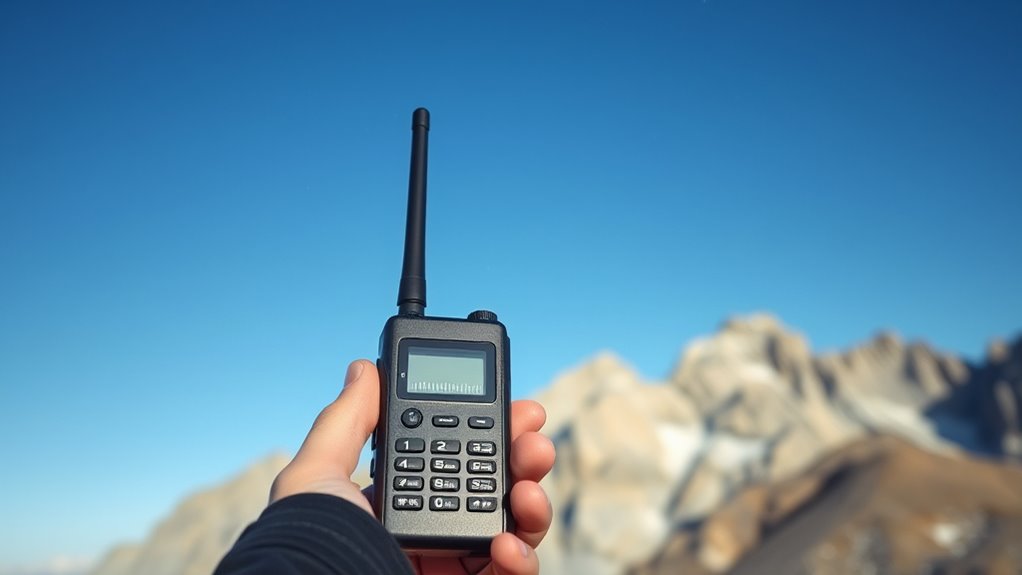

Satellite phones work by connecting directly to orbiting satellites, which relay your signals to ground stations for call, messaging, or data access, especially where cell towers aren’t available. Unlike regular phones that rely on terrestrial networks, satellite phones provide reliable communication in remote areas like mountains or the ocean. Although their signals can experience slight delays, advancements are making them faster. To discover more about their functions and differences, keep exploring below.

Get the latest gadgets delivered free with Prime
- Fast, free delivery on millions of items
- Prime Video, Amazon Music and more included
- Member-only deals all year
Key Takeaways
- Satellite phones connect directly to orbiting satellites, bypassing terrestrial cell towers for communication.
- Signals are transmitted from the phone to a satellite, then relayed to ground stations and finally to the recipient.
- They offer global coverage, especially in remote areas where traditional networks are unavailable.
- Signal latency exists due to the distance signals travel between the phone, satellite, and ground station.
- Unlike regular phones, satellite phones rely on space-based infrastructure, making them more reliable in isolated locations but potentially more expensive.
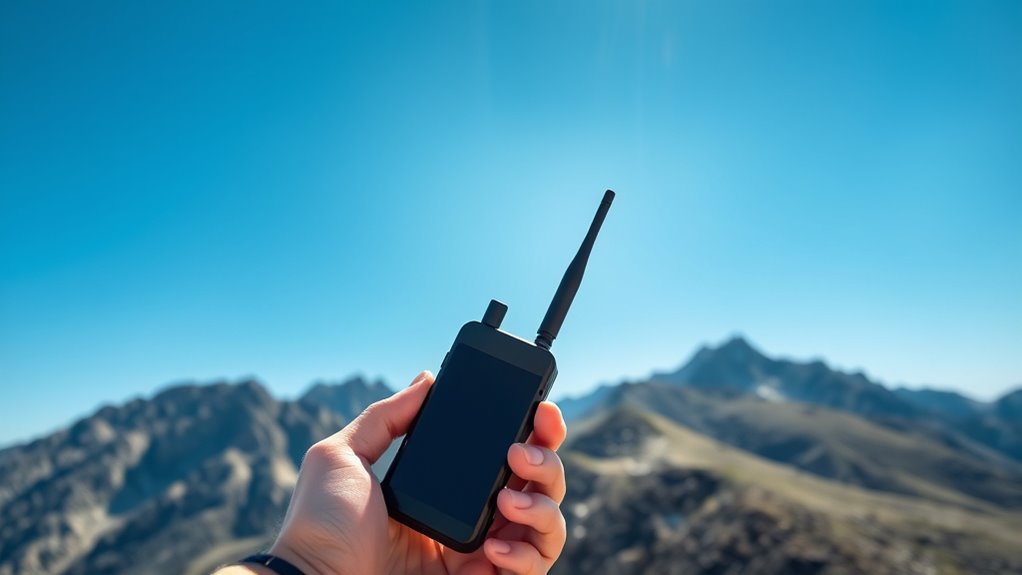
Satellite phones provide reliable communication even in the most remote locations where traditional cell networks can’t reach. Unlike regular mobile phones, which rely on terrestrial cell towers, satellite phones connect directly to a satellite network orbiting Earth. This setup means you can make calls, send messages, or access data from virtually anywhere, whether you’re deep in the mountains, at sea, or in the middle of the desert. The key to this capability lies in how satellite phones communicate with space-based satellites, which relay your signal to ground stations and then to the intended recipient. This direct connection guarantees you stay connected regardless of your location, making satellite phones invaluable for explorers, mariners, and emergency responders.
When you use a satellite phone, your device transmits signals to nearby satellites in orbit. These satellites are part of a global satellite network designed to provide extensive coverage across the planet. Because the signals travel between your phone and the satellite, and then from the satellite to a ground station, there’s often a slight delay called signal latency. This latency can make conversations feel a bit less immediate compared to traditional cell networks, especially during long-distance calls. However, advancements in satellite technology have minimized this delay, making communication smoother and more natural. Still, it’s good to remember that some latency is inherent due to the distances signals must travel through space. Additionally, coverage depends on the satellite network, which influences how well you can connect in different regions.
satellite phone with global coverage
As an affiliate, we earn on qualifying purchases.
As an affiliate, we earn on qualifying purchases.
Frequently Asked Questions
Can Satellite Phones Work Indoors or Underground?
Satellite phones generally don’t work well indoors or underground because of limited indoor connectivity and underground reception. Thick walls, metal structures, and subterranean environments block signals, making it difficult for satellite signals to reach your device. If you’re inside a building or underground, your satellite phone’s performance drops considerably or ceases altogether. For reliable communication, you’ll need to stay outdoors or in open spaces where satellite signals can directly reach your phone.
What Is the Battery Life of a Satellite Phone?
Imagine your satellite phone as a steadfast lighthouse, illuminating your path in remote areas. Its battery longevity typically ranges from 6 to 12 hours, depending on power consumption and usage. Heavy talk or data use drains it faster, while standby mode extends battery life. To guarantee continuous communication, carry a portable charger or spare battery. Your satellite phone’s endurance depends on managing power wisely, just like a lighthouse needs steady fuel to shine bright.
How Much Does a Satellite Phone Call Typically Cost?
Satellite phone calls typically cost between $0.99 to $4.00 per minute, depending on your call pricing plan and provider. International rates can be higher, especially when calling remote or less-covered areas. You should check with your service provider for specific rates, as costs vary based on location, plan, and the type of call. Keep in mind that satellite calls are generally more expensive than regular mobile calls.
Are Satellite Phones Affected by Weather Conditions?
Satellite phones can be disrupted by weather conditions, causing signal struggles. Weather impact, like heavy rain, storms, or thick clouds, often causes satellite signal interference, making calls crackle, cut out, or fail altogether. You might notice reduced reliability in bad weather, especially during intense storms. To stay connected, it’s wise to be aware of weather impact and understand that severe weather can interfere with your satellite signal, affecting your communication clarity.
Do Satellite Phones Require a Subscription Plan?
Yes, satellite phones typically require a subscription plan from service providers. You need to choose a plan that suits your usage, whether it’s for occasional or frequent calls. These plans often include a monthly fee and per-minute charges. Service providers offer various options, so you can pick one that fits your needs. Remember, having a subscription plan guarantees you stay connected even in remote areas where regular cell service isn’t available.
best satellite phone for remote areas
As an affiliate, we earn on qualifying purchases.
As an affiliate, we earn on qualifying purchases.
Conclusion
Just like explorers who once relied on the stars to guide them, satellite phones connect you beyond the limits of traditional networks, no matter where your journey takes you. They remind us that in a world full of uncertainty, a connection to the universe—and to those we care about—is always within reach. So, whether you’re venturing into the wild or facing the unexpected, satellite phones keep you grounded in communication, no matter how far you roam.
As an affiliate, we earn on qualifying purchases.
As an affiliate, we earn on qualifying purchases.
Halloween Picks
halloween
As an affiliate, we earn on qualifying purchases.