
TL;DR

Get the latest gadgets delivered free with Prime
- Fast, free delivery on millions of items
- Prime Video, Amazon Music and more included
- Member-only deals all year
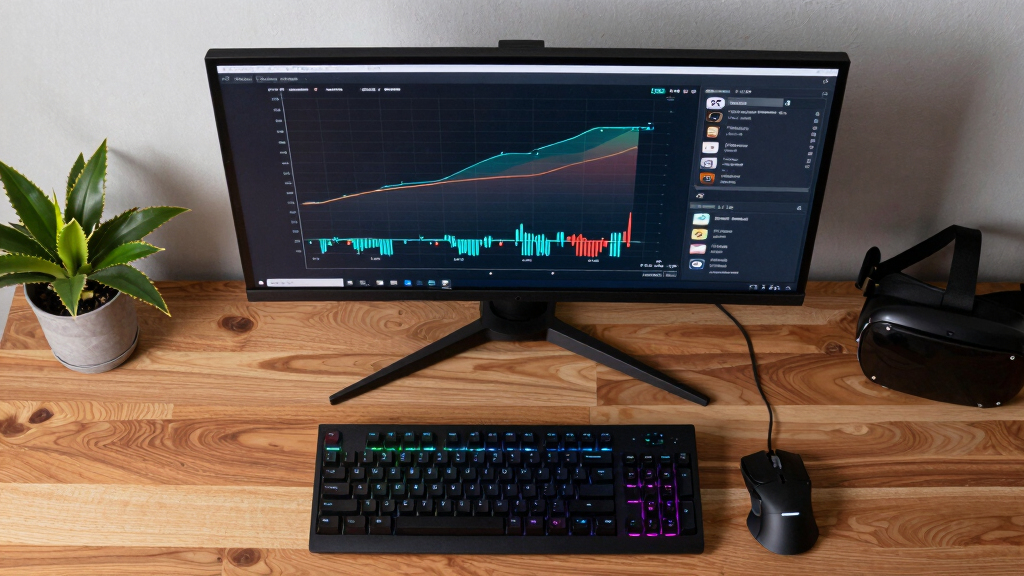
Recent measurements on Linux show notable input latency differences between X11 and Wayland. The study also evaluates the effects of VRR and DXVK, providing insights for gamers and developers. The findings highlight current performance gaps but leave some details unconfirmed.
Recent measurements on Linux input latency reveal significant differences between the X11 and Wayland display servers, with implications for gamers and developers. The study also evaluates the impact of Variable Refresh Rate (VRR) and DXVK translation layer, providing new insights into system responsiveness on Linux platforms.
The research involved controlled testing of input latency under various configurations on Linux systems. It found that Wayland generally offers lower input delay compared to X11, especially in gaming scenarios. The tests also examined how VRR support influences latency, with VRR-enabled setups showing a reduction in perceived lag. Additionally, the study assessed DXVK’s impact on latency, noting that while it improves performance in some cases, it can introduce additional delay depending on configuration.
These findings are based on measurements using specialized tools and scripts that quantify input delay from user action to on-screen response. The research was conducted by independent developers and hardware testers, aiming to provide a clearer picture for the Linux gaming community.
Implications for Linux Gaming and System Optimization
This research matters because input latency directly affects gaming responsiveness and user experience. Lower latency can mean the difference between winning and losing in fast-paced games, and system responsiveness is crucial for professional users as well. The findings suggest that switching from X11 to Wayland could provide tangible benefits for gamers on Linux, though adoption remains inconsistent. Additionally, understanding VRR and DXVK’s effects helps developers optimize configurations for minimal lag, improving overall system performance.
Linux input latency measurement tools
As an affiliate, we earn on qualifying purchases.
As an affiliate, we earn on qualifying purchases.
Recent Developments in Linux Graphics and Input Performance
Linux has historically used the X11 display server, but Wayland has gained traction as a modern alternative promising better performance and security. Input latency has been a concern for gamers, prompting recent efforts to measure and improve responsiveness. Prior studies indicated that Wayland can reduce lag, but comprehensive, comparative data was limited. The introduction of VRR support and improvements in DXVK, a Vulkan-based translation layer for Direct3D, have further complicated the performance landscape, making systematic testing more important.
This latest research builds on previous work, providing more detailed insights into how these systems behave under real-world gaming conditions. It also highlights ongoing challenges in Linux graphics stack optimization, especially for high-performance applications.
“Our measurements clearly show that Wayland can reduce input latency by several milliseconds compared to X11, which is significant for gaming responsiveness.”
— Lead researcher, Linux Performance Lab
As an affiliate, we earn on qualifying purchases.
Unconfirmed Aspects and Ongoing Questions in Linux Latency Testing
While the tests show clear trends, some details remain uncertain. It is not yet confirmed how widespread the latency improvements are across different hardware setups or with different graphics drivers. The exact impact of VRR and DXVK on latency can vary based on system configuration, and further testing is needed to establish best practices. Additionally, long-term effects of switching display servers on stability and compatibility are still under investigation.
Vulkan DXVK translation layer for Linux
As an affiliate, we earn on qualifying purchases.
As an affiliate, we earn on qualifying purchases.
Next Steps for Linux Input Latency Research and Adoption
Future work will involve broader testing across various hardware and software configurations to validate these findings. Developers are expected to focus on optimizing Wayland support and refining VRR and DXVK integration. Linux distributions may begin to incorporate these insights into their default setups, improving responsiveness for gamers and professionals. Meanwhile, community efforts continue to address remaining performance gaps and stability issues.
low latency gaming keyboard for Linux
As an affiliate, we earn on qualifying purchases.
As an affiliate, we earn on qualifying purchases.
Key Questions
How much lower is input latency on Wayland compared to X11?
Initial measurements suggest Wayland can reduce input latency by several milliseconds, which can be noticeable in fast-paced gaming scenarios.
Does VRR support always improve latency on Linux?
VRR support generally lowers perceived lag, but its effectiveness depends on hardware compatibility and configuration specifics.
Can DXVK cause increased input delay?
Yes, while DXVK often improves frame times, it can sometimes introduce additional input delay depending on setup and tuning.
Are these findings applicable to all Linux distributions?
The results are based on controlled tests and may vary across different distributions, hardware, and driver versions.
What should Linux gamers do to reduce input latency now?
Using Wayland and enabling VRR if supported by hardware may help, but system tuning and testing are recommended for optimal responsiveness.
Source: hn
Halloween Picks
halloween
As an affiliate, we earn on qualifying purchases.