US and international phone models mainly differ in network compatibility, software features, and hardware configurations. US models are optimized for specific carriers and support US network bands, while international models are usually liberated and designed for global use. This affects your device’s connectivity, updates, and features depending on where you are. To understand which model best suits your needs and how these differences impact your experience, keep exploring further.
Key Takeaways
- US models are optimized for American networks and may be carrier-locked, while international models are typically unlocked and designed for global use.
- US models support specific US LTE/5G bands, which may be absent in international versions, affecting network compatibility.
- US devices come with region-specific apps and software, whereas international models offer a more globalized operating system.
- Software updates for US models are generally faster and directly from the manufacturer or carrier, unlike international versions that may require manual updates.
- Hardware configurations and regional standards can differ, influencing device performance, accessory compatibility, and network support.

When choosing a smartphone, you might notice that US and international models often have notable differences in design, features, and compatibility. One of the most important aspects to examine is carrier compatibility. US models are typically optimized for carriers like Verizon, AT&T, T-Mobile, and Sprint, meaning they support the specific network bands and technologies used in the United States. If you plan to use a phone purchased abroad, it’s essential to verify whether it supports the same LTE and 5G bands your carrier uses. Otherwise, you might encounter limited service or connectivity issues. International models often come unlocked, giving you the flexibility to use them with multiple carriers worldwide, but they may lack compatibility with certain US-specific network bands. This can lead to slower data speeds or even no service on certain networks, so double-checking the supported bands before buying is vital.
Another key difference relates to software localization. US models often come preloaded with apps, settings, and features tailored for the American market. This includes default language options, regional apps, and carrier-specific software modifications. International models, on the other hand, are usually designed for broader markets, so they might come with a more global version of the operating system. This can make it easier to customize language settings and access features relevant to your region. However, some international versions may lack certain US-specific services or features, such as carrier-specific apps or localized payments. Additionally, software updates might be handled differently depending on the model. US models often receive updates directly from the manufacturer or carrier, ensuring compatibility with US networks and security standards. International models might require manual updates or use different update channels, which can influence how quickly you get the latest features or security patches. Furthermore, variations in hardware configurations and regional standards can affect the overall device performance and compatibility with accessories or services.
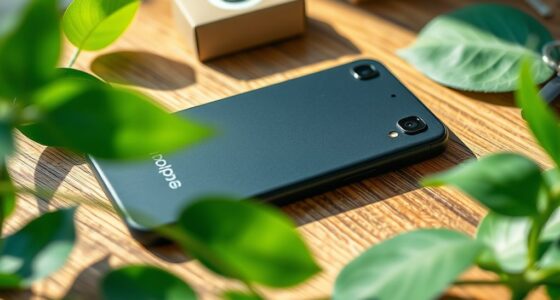
Unlocked international smartphone
As an affiliate, we earn on qualifying purchases.
As an affiliate, we earn on qualifying purchases.
Frequently Asked Questions
Can I USe an International Phone Model in the US?
Yes, you can use an international phone model in the US, but check network compatibility first. Verify the device supports US LTE and 5G bands to work smoothly. Also, consider warranty coverage, as international phones might not have US-based support or warranty service. Confirm these details before making a purchase to avoid issues with network performance or limited warranty assistance.
Are International Phones Compatible With US Carriers?
Did you know your international phone might work with US carriers? Compatibility depends on the device’s network bands and carrier compatibility, so check with your provider first. Keep in mind, warranty coverage can differ—some international models may have limited or no US warranty. To avoid surprises, verify that your phone supports US networks and confirm warranty details with the manufacturer before switching carriers or making a purchase.
Do International Phones Support All US LTE Bands?
International phones don’t support all US LTE bands, so network compatibility varies. Before buying, you should check if the device supports the specific frequency bands used by your US carrier. If it lacks support for key LTE bands, your phone might experience slower speeds or limited connectivity. Always verify the device’s network compatibility and frequency bands to make certain it will work smoothly with your carrier’s LTE network.
Are International Phones Unlocked for Global Use?
International phones are often freed for global use, but you should check for carrier restrictions, which can limit compatibility. Be aware that software differences may also affect your experience, as some models come with regional restrictions or pre-installed apps. To guarantee seamless use worldwide, verify the phone’s unlock status and confirm it supports the local networks you plan to use, avoiding potential issues with carrier restrictions and software limitations.
Will International Warranty Cover Phones Purchased in the US?
International warranty policies typically don’t cover phones bought in the US, so you might not get support abroad. It’s important to check the specific warranty terms because they vary by manufacturer and model. Also, consider carrier compatibility—some international phones aren’t fully compatible with US networks, which could void warranty claims or limit repair options. Always verify warranty policies and compatibility before making a purchase to avoid surprises.
As an affiliate, we earn on qualifying purchases.
Conclusion
So, now you see how US and international phone models are like two sides of the same coin, each with their own unique flair. Think of them as different keys opening the same treasure chest of technology. Whether you choose to dance with the local rhythm or follow the global beat, understanding these differences helps you stay in sync with the world. Now, go ahead—pick your perfect match and stay connected wherever life takes you.
As an affiliate, we earn on qualifying purchases.
As an affiliate, we earn on qualifying purchases.