

Ultra-premium phones offer cutting-edge features like foldable screens, advanced cameras, and sleek designs, which justify their high prices for some users. However, most consumers prioritize value and core functionalities over luxury or exclusivity, making standard models often a smarter choice. Leading brands invest heavily in innovation and branding to justify premium costs, but whether these devices are worth the price depends on your needs and expectations. If you explore further, you’ll discover how these factors impact your choice.

Get the latest gadgets delivered free with Prime
- Fast, free delivery on millions of items
- Prime Video, Amazon Music and more included
- Member-only deals all year
Key Takeaways
- Ultra-premium phones offer cutting-edge features like foldable screens and advanced AI, but their high prices often outweigh practical benefits for most users.
- Leading brands justify premium prices through exclusivity, branding, and technological innovation, targeting affluent consumers and enthusiasts.
- Consumer preference favors balanced, value-driven devices that deliver core functionalities efficiently, making standard models more popular in volume.
- The high profit margins in the ultra-premium segment drive revenue for manufacturers, even if these devices are less accessible to average buyers.
- Many users find that premium features may not significantly enhance daily performance, questioning whether ultra-premium phones are truly worth their cost.
best foldable smartphones under $1000
As an affiliate, we earn on qualifying purchases.
As an affiliate, we earn on qualifying purchases.
Market Dynamics and Revenue Growth in the Ultra-Premium Segment

The ultra-premium segment, priced above $1,000, continues to drive significant revenue growth despite representing a smaller share of overall smartphone sales. In 2025, these high-end devices account for 40% of the premium market, showcasing their profitability for manufacturers like Apple and Samsung. The demand for innovative features such as foldable screens, AI integration, and advanced camera systems fuels this growth. While volume remains concentrated in mid-range and budget segments, the revenue from ultra-premium phones remains robust due to higher profit margins. As consumers prioritize cutting-edge technology and brand prestige, manufacturers focus on delivering premium devices that command premium prices. This segment’s consistent expansion underscores its importance for sustained profit and market influence, even as overall sales diversify across different price ranges. Notably, the focus on sustainable and secure cloud solutions reflects a broader industry trend toward environmentally responsible and data-secure innovations that can support these high-end devices.
high-end smartphone camera accessories
As an affiliate, we earn on qualifying purchases.
As an affiliate, we earn on qualifying purchases.

You notice that more consumers prefer standard models over ultra-premium options because they focus on getting the best value for their money. They prioritize essential features and balance cost with performance rather than paying a premium for extras they don’t need. As a result, standard smartphones are outselling high-end models, reflecting shifting preferences toward smarter spending. Additionally, many buyers are increasingly considering projector image quality and feature set to ensure they get the best overall experience without overspending.
Value-Focused Purchasing Trends
Why are more consumers opting for standard premium models over ultra-premium smartphones? It’s mainly because they want the best balance of price and performance. Standard models now offer essential features, solid build quality, and the latest technology without the hefty price tag of ultra-premium phones. Consumers see value in devices that meet their needs without overspending on features they might never use. Additionally, many prefer models that are more affordable to upgrade or replace, reducing long-term costs. This trend also reflects a shift toward practical purchasing decisions, where the focus is on getting reliable, high-quality phones that deliver a great experience without the premium price. As a result, standard premium models outperform ultra-premium options in sales and popularity, appealing to a broader audience seeking value.
Standard Features Preference
Consumers increasingly prefer standard premium smartphones because they strike a better balance between price and performance. You value essential features like solid cameras, fast processors, and durable displays without paying a premium for luxury add-ons. As a result, many find these models offer everything they need at a more reasonable cost. This trend is reflected in the popularity of base models like the iPhone 16, which outsell their Pro counterparts. You also appreciate:
- Reliable performance without unnecessary bells and whistles
- Higher value for the money spent
- Access to recent technology without premium markups
- Simplicity in design and user experience
- Flexibility to upgrade or switch devices more easily
This focus on core features makes standard models a practical choice for many consumers, outperforming ultra-premium options in everyday appeal.
Cost-Performance Balance
Amidst the growing variety of premium smartphones, many buyers are prioritizing the balance between cost and performance over luxury features. You want a device that delivers reliable performance, essential features, and good value without paying a premium for unnecessary extras. The success of the base iPhone 16, which outperformed its Pro counterparts, highlights this shift. Consumers are increasingly choosing models that offer solid performance, durability, and useful features at a reasonable price. This trend is driven by a desire for better value and practical functionality, rather than just prestige. Manufacturers respond by offering more balanced options, blending high-quality tech with affordability. As a result, standard models now outperform ultra-premium phones in sales, reflecting a clear preference for cost-effective performance in today’s competitive market.
affordable flagship phones with AI features
As an affiliate, we earn on qualifying purchases.
As an affiliate, we earn on qualifying purchases.
Profitability and Revenue Concentration in the Premium Range
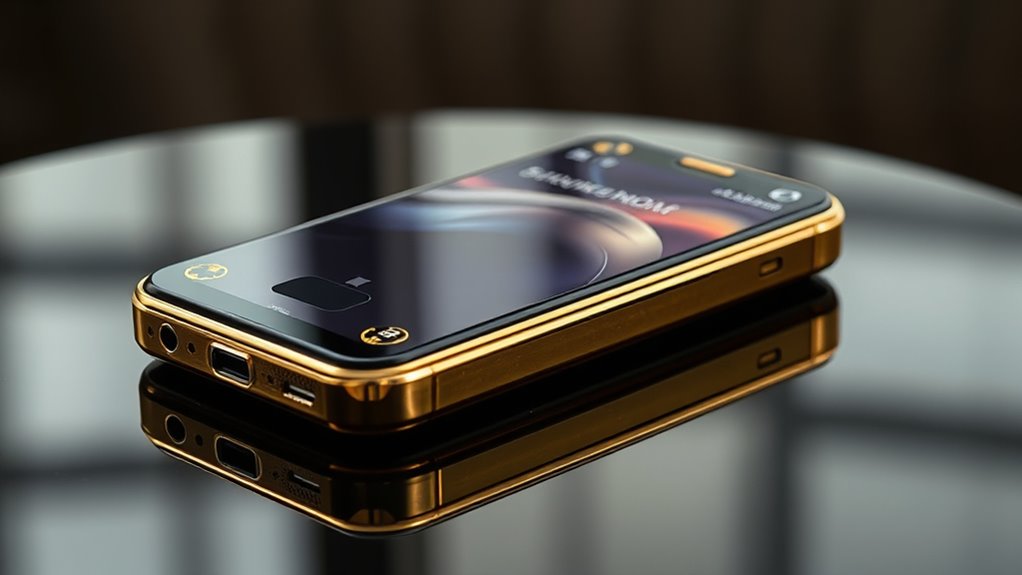
You’ll notice that profit margins are hitting new highs in the ultra-premium segment, especially above $1,000, because manufacturers are capitalizing on advanced features and technology. Revenue tends to concentrate in these top tiers, as they generate the most profit per device and attract dedicated brand loyalty. This trend highlights how the ultra-premium range is becoming the main driver of profitability in the overall smartphone market. Additionally, the market segmentation within the premium range reflects consumer willingness to pay for cutting-edge innovations.
Profit Margins Surge
Profit margins in the smartphone industry have surged especially within the premium range, as manufacturers focus on higher-priced models that deliver greater profitability. You’ll notice that the ultra-premium segment, above $1,000, now captures the highest margins, driven by advanced features and luxury branding. This shift results in concentrated revenue streams for top brands. Key factors include:
- Cutting-edge AI and display tech justify premium pricing
- Higher R&D costs offset by premium profit margins
- Consumers willing to pay for exclusivity and innovation
- Sales volume remains strong despite higher prices
- Market bifurcation amplifies profit focus on top-tier models
This trend underscores how the top end of the market becomes a lucrative hub, with brands capitalizing on the willingness of consumers to invest in the latest technology and luxury status symbols.
Revenue Concentration Trends
Why does the premium smartphone segment generate such a disproportionate share of revenue? It’s because manufacturers focus their highest profit margins on devices priced above $1,000, where advanced features and cutting-edge technology command premium prices. Ultra-premium models, like the Galaxy S25 Ultra and iPhone 17 Pro Max, contribute markedly to revenue concentration, often accounting for a large portion of overall profits. Despite slower volume growth compared to mid-range and budget segments, these high-end devices deliver higher profitability per unit. This trend results in revenue being heavily skewed toward the ultra-premium category, making it a key driver for brands like Apple and Samsung. As consumers prioritize innovative features and prestige, manufacturers continue to concentrate their efforts and investments in this lucrative segment.
smartphones with durable build quality
As an affiliate, we earn on qualifying purchases.
As an affiliate, we earn on qualifying purchases.
Leading Brands and Their Strategies in the Ultra-Premium Space

Leading brands in the ultra-premium smartphone market have adopted aggressive strategies to maintain their dominance and capture consumer interest. They focus on innovation, exclusivity, and premium branding to stand out. You’ll notice they invest heavily in marketing campaigns highlighting cutting-edge features and design aesthetics. These brands also partner with luxury collaborators to elevate their image. They often release limited editions to create scarcity and boost desirability. Additionally, they expand their ecosystem to include accessories and services that deepen user engagement. This approach often involves integrating smart energy management to enhance device functionality and appeal. Here’s what sets them apart:
Ultra-premium brands leverage innovation, exclusivity, and strategic partnerships to maintain dominance and captivate consumers.
- Heavy investment in R&D for groundbreaking tech
- Strategic collaborations with luxury brands
- Limited edition and exclusive releases
- Emphasis on ecosystem integration
- Targeted marketing campaigns emphasizing status and innovation
Technological Innovations Driving the High-End Smartphone Market

Technological innovations are transforming the high-end smartphone market by introducing advanced features that set premium devices apart. Foldable screens like Samsung’s Galaxy Z Fold7 and Flip7 push the boundaries of display technology, offering larger, flexible interfaces. Sophisticated display tech delivers brighter, more vibrant visuals with minimal bezels, enhancing user experience. AI integration powers smarter cameras, personalized assistants, and optimized performance, making devices more intuitive. High-end smartphones now feature cutting-edge components like 200MP cameras, ultra-fast processors, and increased storage options, all driving premium prices. Enhanced battery life, fast charging, and 5G connectivity ensure these devices deliver top-tier performance. Additionally, at‑home beauty tech devices are increasingly integrated into daily routines, showcasing the growing importance of personal tech ecosystems. These innovations not only attract tech enthusiasts but also guarantee the premium price tags, keeping high-end smartphones at the forefront of technological progress.
Geographic Trends and Emerging Markets’ Role in Premium Device Adoption
Emerging markets are playing an increasingly critical role in the adoption of premium smartphones, driven by improved infrastructure and growing consumer income. These regions, including India, Southeast Asia, and the Middle East, are fueling global growth with increased demand for affordable yet feature-rich devices. As mobile networks expand and affordability improves, more consumers seek high-quality smartphones, often opting for flagship models or premium variants.
- Rising disposable incomes in emerging economies
- Enhanced mobile network infrastructure
- Increased availability of premium models at competitive prices
- Growing consumer preference for advanced features
- Market share gains by brands like Samsung and Apple
This shift not only boosts overall sales but also influences manufacturers to tailor offerings for these markets, making premium devices more accessible and desirable worldwide.
Are Ultra-Premium Phones Justified by Their Features and Performance?

As demand in emerging markets shifts toward premium devices with advanced features, it’s natural to question whether ultra-premium phones truly deliver value for the higher prices. These devices boast cutting-edge technology like foldable screens, high-resolution cameras, and powerful AI capabilities, aiming to justify their steep costs. However, many users find that standard premium phones, such as the base iPhone 16 or Galaxy S24 Ultra, offer nearly comparable performance for a lower price. While ultra-premium models push innovation and provide exclusive features, the real-world benefits often don’t outweigh the premium cost for everyday use. If you prioritize core performance, battery life, and user experience, you might find that high-end phones deliver sufficient value without the exorbitant price tag. Additionally, trusted gadget insights can help consumers make informed choices by highlighting which features truly enhance daily usage.
Frequently Asked Questions
How Do Ultra-Premium Phones Impact Overall Smartphone Market Sustainability?
Ultra-premium phones boost market sustainability by generating high profit margins and attracting loyal customers who prioritize advanced features and cutting-edge technology. Your focus on innovation in foldable displays and AI integration keeps demand strong in the premium segment. As more consumers in emerging markets seek status and quality, these devices help manufacturers diversify revenue streams, ensuring long-term growth despite volume shifts toward mid-range and budget phones.
What Are the Long-Term Brand Loyalty Effects of Investing in Ultra-Premium Devices?
Investing in ultra-premium devices can boost your brand loyalty by offering cutting-edge features and exceptional build quality that appeal to tech enthusiasts. When you prioritize innovation and premium experiences, you’re more likely to foster long-term trust and satisfaction. However, if prices are too high or updates feel incremental, customers might seek alternatives. Sticking to consistent quality and value guarantees you maintain loyalty and encourage repeat purchases over time.
How Do Consumer Privacy Concerns Influence High-End Smartphone Technology Choices?
Think of your smartphone as a trusted companion—privacy is its shield. You might avoid ultra-premium models with advanced AI and features because of concerns over data sharing, much like hesitating to share secrets. Studies show consumer privacy worries influence high-end tech choices, especially in developed markets. You prefer brands that prioritize security, ensuring your personal info stays safe, even if it means sacrificing some cutting-edge features.
Are Eco-Friendly Materials and Sustainability Features Common in Ultra-Premium Phones?
You’ll find eco-friendly materials and sustainability features increasingly common in ultra-premium phones. Manufacturers like Apple and Samsung incorporate recycled metals, bioplastics, and energy-efficient components to appeal to eco-conscious buyers. These features not only reduce environmental impact but also add to the premium appeal, allowing you to enjoy advanced technology while supporting sustainability. As demand grows, expect more brands to integrate eco-friendly innovations into their top-tier models.
How Do Warranty and After-Sales Services Compare Across Ultra-Premium Smartphone Brands?
You’ll find that warranty and after-sales services are generally first-rate across ultra-premium smartphone brands. Brands like Apple and Samsung offer extended warranties, dedicated support, and quick repair options, ensuring peace of mind. You can often access personalized service, fast replacements, and software updates. While the costs may be higher, you benefit from extensive coverage and premium customer care, making your high-end device easier to maintain and more reliable over time.
Conclusion
Ultimately, whether ultra-premium phones are worth the splurge depends on what you value most. While they boast cutting-edge features and prestige, many consumers find standard models meet their needs at a better price. Remember, “you get what you pay for,” but that doesn’t mean more expensive always means better for you. Consider your priorities carefully—sometimes, the simplest choice is the smartest one.
Fall Picks
fall essentials
As an affiliate, we earn on qualifying purchases.