
Since 2007, you’ve seen the iPhone camera evolve from simple 2 MP photos to professional-grade imaging with multiple lenses, 4K and ProRes video, and advanced computational features. Each generation brings improvements like better sensors, portrait modes, night photography, and AI-enhanced stabilization. Whether capturing moments or creating content, Apple’s innovations push mobile photography forward. Keep exploring to discover how these advancements continue shaping the future of iPhone photography and videography.
Key Takeaways
- The iPhone camera started with basic 2 MP photos in 2007, gradually improving in resolution and features over the years.
- Major updates included 12 MP sensors, 4K video recording, and optical image stabilization between 2015-2016.
- Dual and triple-camera systems introduced versatile photography options like Portrait Mode and ultra-wide shots from 2016 onward.
- Computational photography enhancements, such as Smart HDR, Night Mode, and macro capture, significantly boosted image quality from 2020 onward.
- 2023 models feature professional-grade video recording, AI-powered enhancements, and advanced optical zoom capabilities.

Xenvo Pro Lens Kit for iPhone and Android, Macro and Wide Angle Lens with LED Light and Travel Case Black
✔ COMPATIBLE WITH ALL SMARTPHONES, TABLETS, and LAPTOPS including ALL iPhone models, Samsung Galaxy and Note, Google Pixel,…
As an affiliate, we earn on qualifying purchases.
As an affiliate, we earn on qualifying purchases.
Early Innovations and Basic Photography (2007-2012)

When the iPhone first launched in 2007, it revolutionized mobile photography with its simple yet effective 2 MP rear camera. You could take decent photos, but they lacked advanced features like zoom or HDR. In 2009, the iPhone 3GS introduced video recording at VGA 480p and autofocus, making it easier to capture moments on the go. The next year, the iPhone 4 upgraded to a 5 MP rear camera with LED flash and 720p HD video recording, considerably improving image quality. It also introduced the front-facing camera at VGA quality, enabling FaceTime calls. By 2012, the iPhone 5 added panorama mode, better low-light optics, and a 1.2 MP front camera capable of 720p video, laying groundwork for future camera enhancements. Additionally, the introduction of image quality improvements contributed to more vibrant and detailed photos.

Zeadio Smartphone Camera Stabilizer, All-in-One Video Rig Kit with Phone Cage, RGB Video Light, Microphone, Action Camera Adapter, Compatible with Smartphones, Action Camera, DSLR, Cameras etc
【Complete All-in-One Filmmaking Solution】This professional video kit includes everything you need to shoot studio-quality videos immediately: ergonomic U-shaped…
As an affiliate, we earn on qualifying purchases.
As an affiliate, we earn on qualifying purchases.
Megapixel Growth and Video Recording Advances (2013-2016)
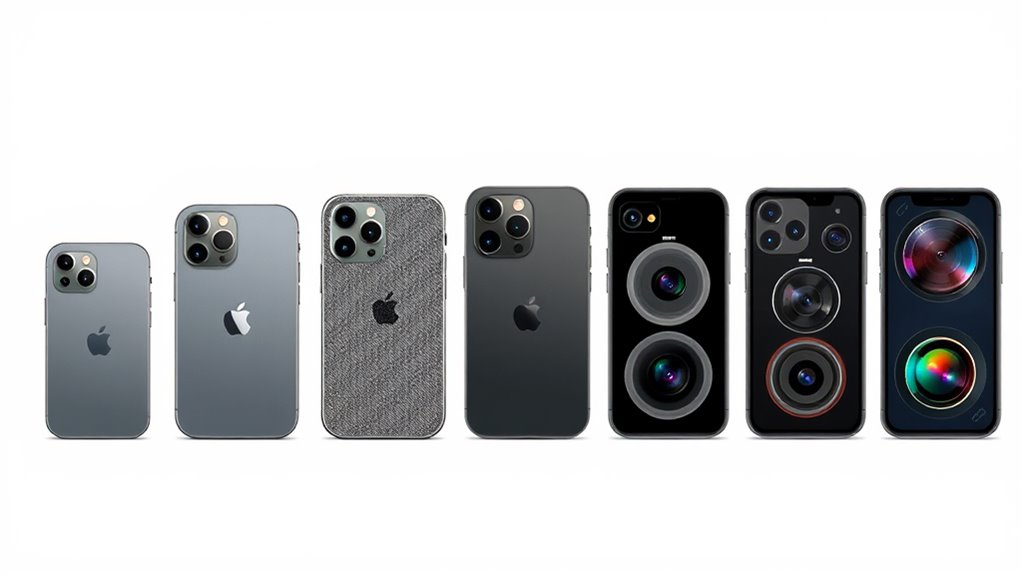
Between 2013 and 2016, Apple made significant strides in enhancing the iPhone’s camera capabilities, focusing on higher megapixel counts and advanced video features. The iPhone 6s and 6s Plus boosted rear resolution to 12 MP, enabling sharper images, while introducing 4K video recording at 30 fps for stunning, detailed footage. The 6s Plus also added optical image stabilization (OIS) for smoother videos. Front cameras improved to 5 MP with retina flash, enhancing selfies and video calls, especially in low light. You gained new creative tools like burst mode and slow-motion video at 120 fps, making it easier to capture dynamic moments. Additionally, these improvements contributed to the professional quality capabilities of mobile photography, setting the stage for future innovations in mobile content creation and videography.
Xenvo Pro Lens Kit for iPhone and Android, Macro and Wide Angle Lens with LED Light and Travel Case Black
✔ COMPATIBLE WITH ALL SMARTPHONES, TABLETS, and LAPTOPS including ALL iPhone models, Samsung Galaxy and Note, Google Pixel,…
As an affiliate, we earn on qualifying purchases.
As an affiliate, we earn on qualifying purchases.
Dual and Triple Camera Systems Transform Photography (2016-2019)
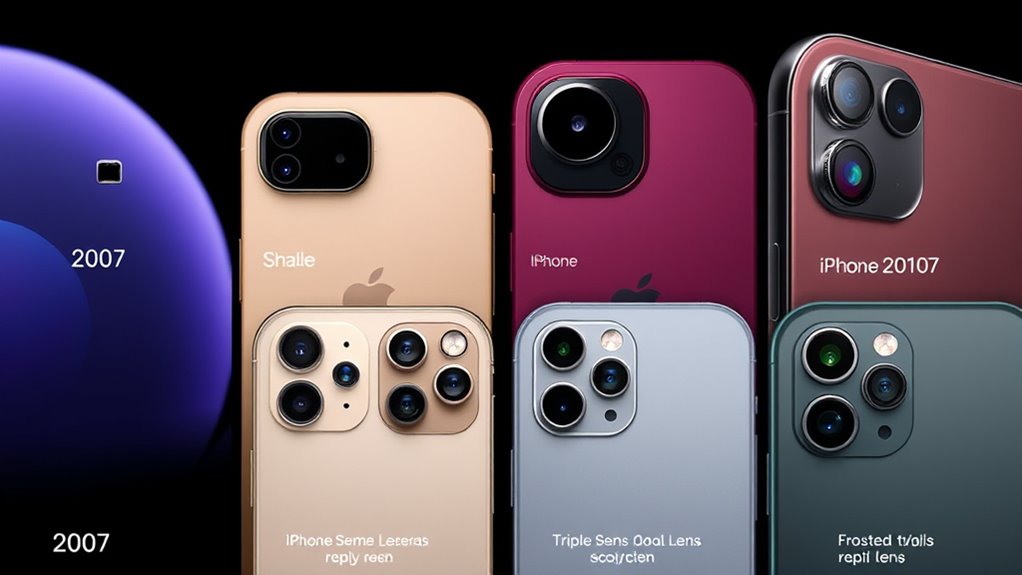
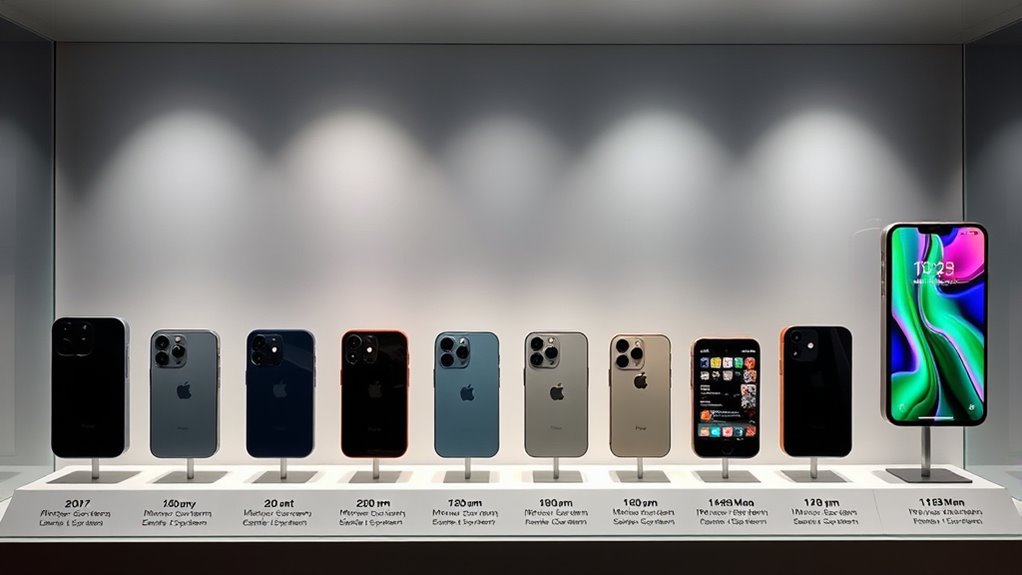
From 2016 to 2019, Apple revolutionized mobile photography by introducing dual and triple camera systems, giving you unprecedented creative control and versatility. The iPhone 7 Plus was the first to feature a dual-camera setup, combining wide and telephoto lenses for improved zoom and depth effects like Portrait Mode. In 2017, iPhone 8 and X added Portrait Lighting, enhancing portrait shots with studio-like effects. The 2018 iPhone XS and XR refined these features with Smart HDR for better dynamic range. By 2019, the iPhone 11 Pro and Pro Max debuted triple-camera systems—wide, ultra-wide, and telephoto lenses—delivering superior low-light performance with Night Mode. These advancements enabled you to capture sharper, more detailed images in diverse conditions, transforming how you use your iPhone for photography and camera system evolution.
Xenvo Pro Lens Kit for iPhone and Android, Macro and Wide Angle Lens with LED Light and Travel Case Black
✔ COMPATIBLE WITH ALL SMARTPHONES, TABLETS, and LAPTOPS including ALL iPhone models, Samsung Galaxy and Note, Google Pixel,…
As an affiliate, we earn on qualifying purchases.
As an affiliate, we earn on qualifying purchases.
Enhancements in Computational Photography and Sensor Technology (2020-2022)
During 2020 to 2022, Apple made significant strides in computational photography and sensor technology, transforming how your iPhone captures images and videos. The iPhone 12 series introduced sensor-shift optical image stabilization (OIS) on Pro Max models, boosting low-light clarity. The iPhone 13 Pro models brought major improvements with enhanced low-light performance, macro photography using ultra-wide lenses, and the debut of ProRes video recording for professional-grade 4K footage. These updates leveraged advanced computational techniques to optimize detail, color, and dynamic range. Additionally, processing power increased, enabling smarter HDR and Night Mode, which captures brighter, clearer images in challenging conditions. Overall, these advancements provided more detailed, vibrant photos and smoother videos, elevating your mobile photography experience to professional standards.
Cutting-Edge Video Features and AI Integration (2023)
In 2023, Apple pushed the boundaries of mobile video with advanced features like ProRes recording at up to 4K resolution and 60 fps, enabling professionals and enthusiasts to capture cinema-quality footage directly on their iPhones. You now enjoy log video recording, which offers extended dynamic range and more flexibility in post-production editing. AI integration enhances real-time HDR rendering, auto-focus, and stabilization, making your videos smoother and more vibrant. The front-facing camera introduces Dual Capture, allowing simultaneous high-quality video and photo recording, perfect for vlogs and livestreams. Additionally, hardware improvements provide better optical zoom and dynamic range, ensuring your videos are crisp and detailed. These innovations transform your iPhone into a powerful tool for creative video production, blurring the line between smartphones and professional camera equipment. Modern camera technology continues to evolve, further elevating the capabilities of mobile filmmaking.
The Future of Iphone Camera Technologies (2024-2025)
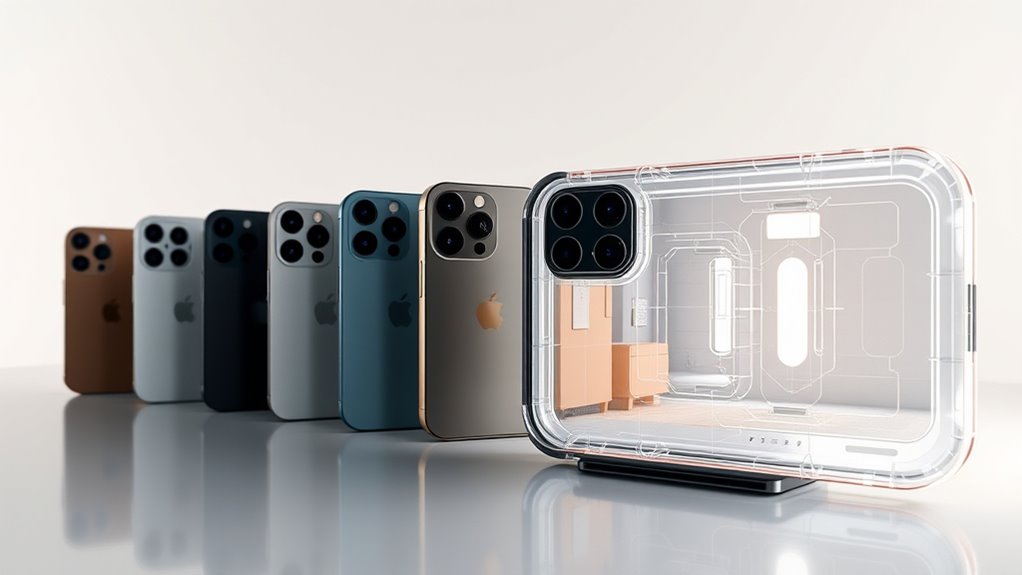
As smartphone camera technology continues to evolve rapidly, the 2024-2025 period promises significant breakthroughs that will reshape your photography and videography experience. You can expect the iPhone to feature 4K video recording at 120 fps, delivering ultra-smooth slow-motion footage. The front camera will likely reach 18 MP, with advanced stabilization and longer shooting capabilities thanks to improved cooling systems. Hardware enhancements, including optimized thermal management, will boost sensor performance and image quality even in demanding conditions. Spatial video and AR-ready capture will become more seamless, enabling new creative possibilities. These advancements will bring professional-level features into your pocket, making everyday moments more cinematic and immersive. The focus will be on blending hardware innovation with powerful computational photography to elevate your mobile imaging to new heights.
Frequently Asked Questions
How Does Apple Improve Low-Light Camera Performance Over the Years?
You see Apple improving low-light camera performance by upgrading sensor technology, adding larger apertures, and incorporating advanced computational photography. They introduced features like Night Mode, which uses long exposure and AI to brighten images without noise. Over time, they increased pixel sizes, added ultra-wide lenses, and enhanced image processing with smarter HDR and stabilization, ensuring your photos stay clear, bright, and detailed even in challenging low-light conditions.
What Hardware Changes Enable 4K and 8K Video Recording?
Ever wonder what hardware makes 4K and 8K video possible? You need advanced image sensors with higher resolution pixels, powerful ISP (Image Signal Processors), and faster processing chips. These components handle increased data loads and deliver sharp, detailed footage. Additionally, wider lenses and improved stabilization hardware guarantee clarity and smoothness. Without these hardware upgrades, capturing ultra-high-definition videos wouldn’t be feasible on your iPhone.
How Do Multi-Camera Systems Enhance Portrait and Zoom Capabilities?
You benefit from multi-camera systems because they combine different lenses, like wide, ultra-wide, and telephoto, to improve your portrait and zoom shots. The telephoto lens offers optical zoom for close-up details without quality loss, while the wide and ultra-wide lenses provide creative flexibility and better low-light performance. This setup allows you to capture sharp, professional-looking photos with natural depth and impressive zoom capabilities, all in a compact smartphone.
What Role Does AI Play in Modern Iphone Photography?
AI plays a vital role in modern iPhone photography by enhancing image quality and simplifying your shooting experience. It automatically improves HDR, night mode, and scene detection, ensuring vibrant, clear photos even in challenging conditions. AI also powers features like real-time portrait lighting, smart editing, and video stabilization, helping you capture professional-quality images effortlessly. With AI, your iPhone adapts seamlessly, making every shot look better and more polished.
How Will Future Iphone Models Further Advance Video Stabilization?
Imagine recording your child’s soccer game, and the camera stays perfectly steady despite all the action. Future iPhones will likely incorporate advanced sensor-shift stabilization combined with AI algorithms, actively counteracting hand movements in real-time. For example, a hypothetical AI system could predict and adjust for sudden shakes, ensuring smooth, professional-quality videos even in challenging environments. This seamless stabilization will make your videos look polished without extra equipment or post-editing.
Conclusion
You’ve seen how the iPhone camera has come a long way, constantly pushing boundaries with innovation and technology. From humble beginnings to breathtaking multi-lens setups, Apple keeps raising the bar. As new features emerge, it’s clear they’re not resting on their laurels. The future promises even more incredible advancements. So, stay tuned—because when it comes to smartphone photography, Apple isn’t about to rest on its laurels and rest easy.